Little known fact - in 1989 Baltic states organized the largest single protest in European history
2M people formed human chain of 675km to protest Soviet occupation
My PhD piece takes the first causal (IV) look at the legacies along the Baltic Chain: https://t.co/kTIvx7kVG5
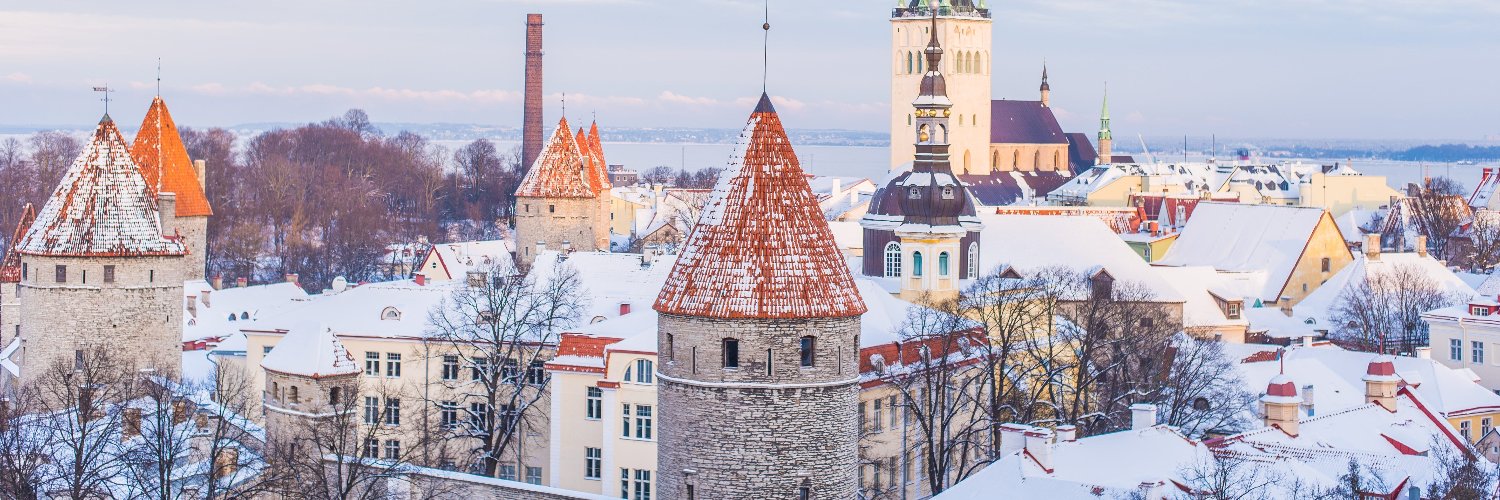
Great to be back in Estonia for the 10th Conference on East European and Eurasian Studies organized by @unitartu
Presenting Finnish TV paper ✅
Chairing a session on memory politics✅
Strolling the city ✅
Finding the best bookshop ever ✅
W pracy zajmowali się określeniem czynników sukcesu naborów w służbie cywilnej korzystając z danych z https://t.co/1XnxEl4WGr, a zbiór danych można znaleźć tutaj https://t.co/Zf7BDRXpLH (2/2)
Great NYT piece on Japan demographic crisis.
Interesingly, 2026 is the Fire Horse year, traditionally considered bad omen for newborn girls. Last time this happened (1966) fertility droppped from 2.1 to 1.6, as people delayed births. Can this repeat and add to population decline?
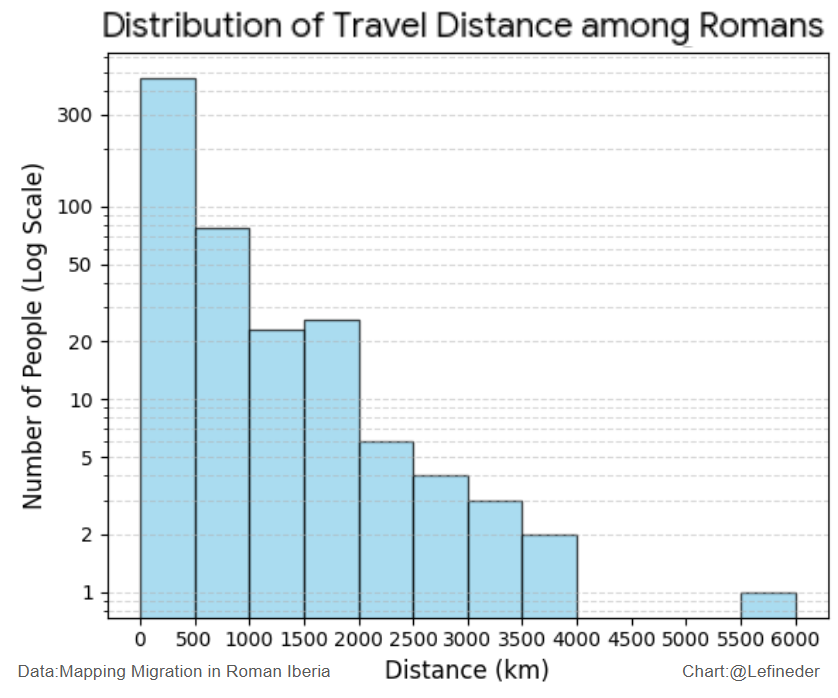
How far did people travel in the Roman world?
Here is travel distance data for 600 people, mostly from funerary inscriptions in Roman Iberia, recording the birthplaces of those who died there.
The Median distance from birthplace was 240km (149 mi).
We can see in the graph an exponential decay in the number of people as distance increases, and one very long distance traveler who was born 5500 km away in Merv in Central Asia and ended up in Lusitania.
UN peacekeeping is one the most noble ideas of humanity
29th May is the international day of UN peacekeepers
Over 51,000 men and women now serve in 11 missions to "save succeeding generations from the scourge of war". Many more have served and died for this cause since 1948
🚨 Due to high demand, I created a new (and much improved) version of the Econ Journal Matchmaker.
New tool here:
https://t.co/kvrQQmo5SG
#EconTwitter Please help spread the word by reposting. 🙏
More details below 👇
#Finland 🇫🇮 is roughly 150 years ahead of the 5 least developed countries on the path to advanced living standards.
Our #WBGAtlas measures countries’ trajectories in years—and shows how the global slowdown is lengthening the journey for many economies: https://t.co/nYtA1SEdfz
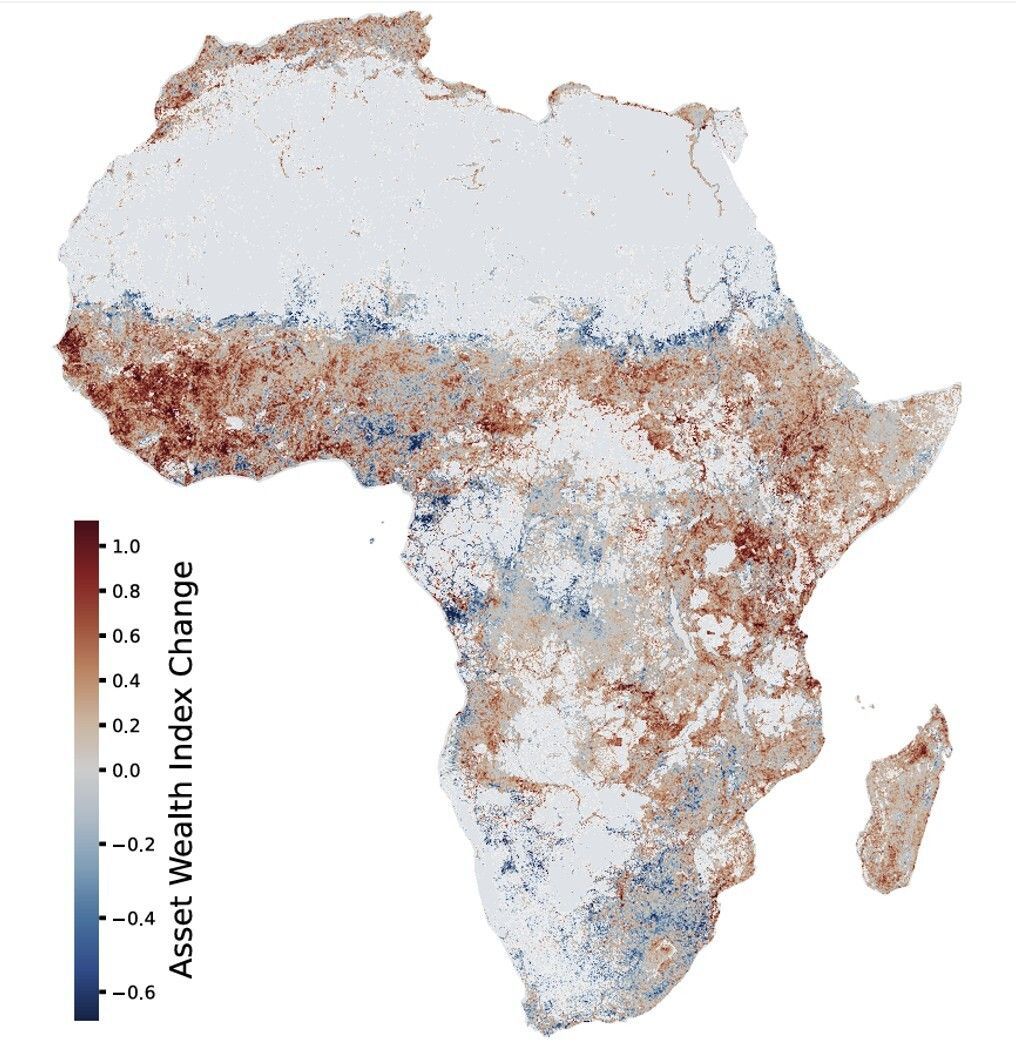
Measuring poverty used to mean flying data collectors to remote villages every decade. A satellite AI model just mapped every 6-km area of Africa for 36 GPU-hours total, which is roughly the cost of a tank of gas.
Cool paper by @MarshallBBurke and colleagues!
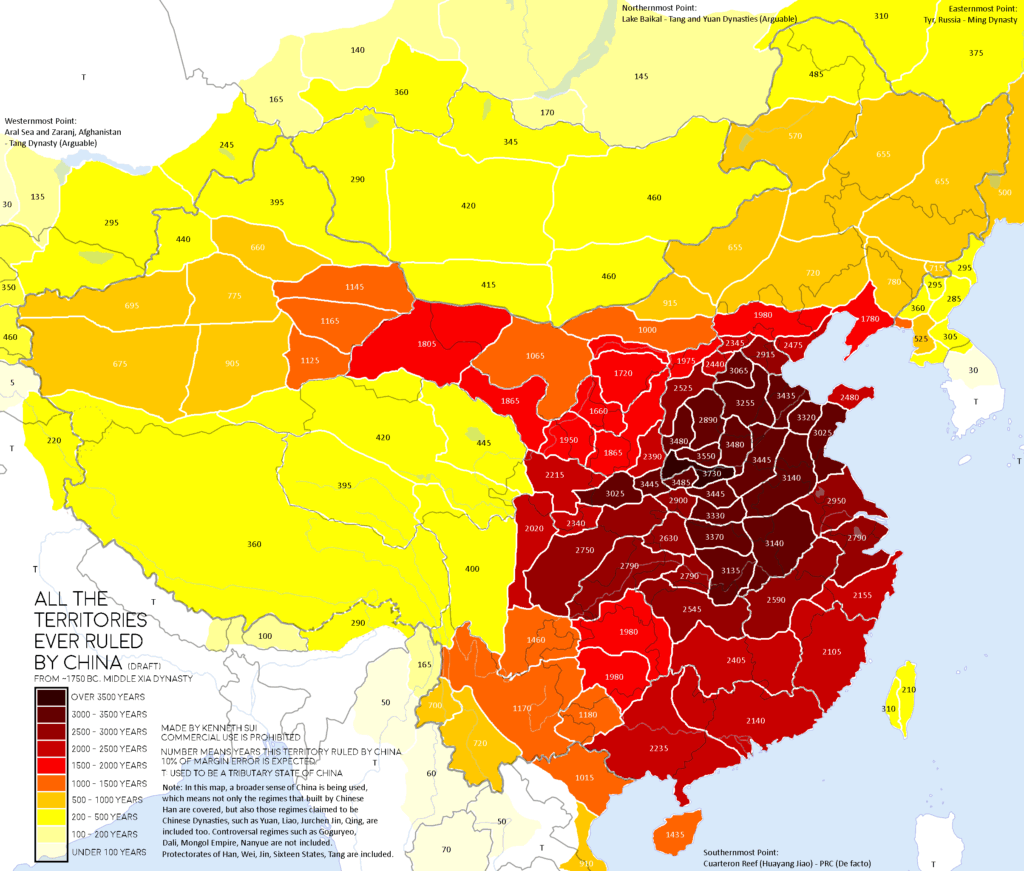
China 中国 throughout history vs regional topography
The Tibetan Plateau has notably shaped Chinese expansion
The state structures have almost invariably been in the east. Most westward pushes had to fit into the narrow Hexi Corridor and spill into the Tarim Basin
CARTOGRAPHY 🤝 FLAGS
Egypt's topography reveals a lot about the country
> The Nile Valley meanders clearly across the map
> The Delta is utterly flat so crops can grow and cities prosper
> Qattara Depression in N-W might soon become a major source of hydroelectric power
New WB working paper with my small contribution!
In a large-scale RCT in Estonia we find that developing a health care plan with your doctor can decrease mortality (up to 20%) and hospitalization, while increasing screening, diagnosis and treatment rates
https://t.co/xiPKuwz5Dy
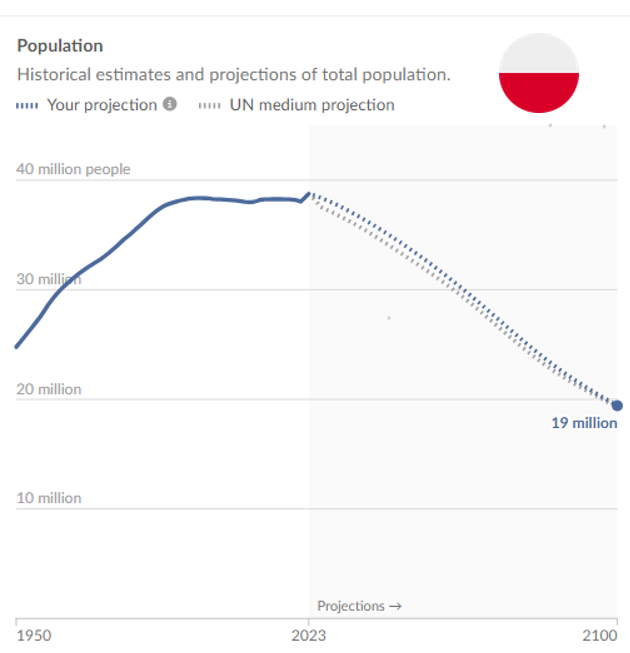
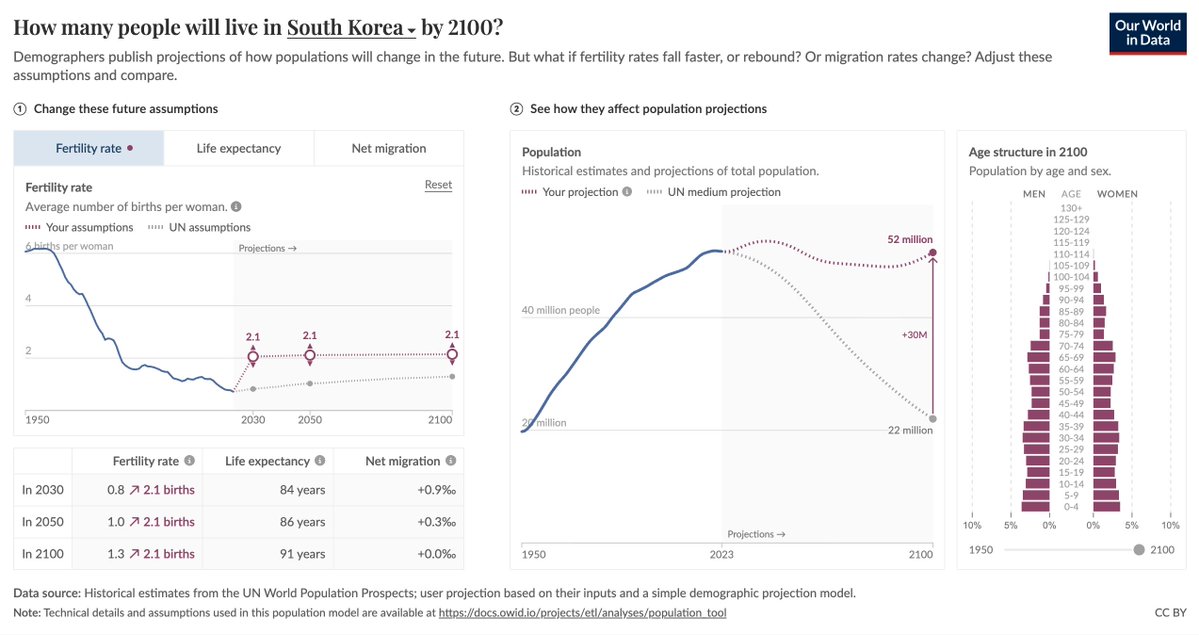
How will populations across the world change in the 21st century?
🔧 Explore for yourself with our new interactive tool!
Demographers publish projections using assumptions about key demographic changes, most notably fertility rates, life expectancy, and migration rates.
But no one knows for sure how many children people will have decades from now, or how migration will shift.
So it’s worth asking what the population would look like if things turn out differently from what the UN or other demographers assume.
Our colleagues Daniel Bachler and Sophia Mersmann built a population simulation tool that lets you do just that — for every country in the world.
Pick a country, adjust the assumptions, and see how the projections change, for both total population and age structure.
For instance, what would happen if fertility rates recovered to replacement level, or migration was cut in half?