Earth is now experiencing the initial impact of a solar storm (Bt: 15 nT, Bz: -2 nT). A geomagnetic storm will begin today as a result and NASA's Artemis II crew is expected to launch tonight (04/01/26) under enhanced space weather conditions.
Fondly remembering Prof Govind Swarup on his birthday -- father of radio astronomy in India, mentor and guide to many of us. A good moment to browse through the book of Memories and Tributes that we compiled about 4 years ago; can be found online at :
https://t.co/Lmn6niCOC2
Looking forward to this : will give capabilities up to 10 GHz, complementing the GMRT, expanding scope of radio astronomy research in India! 😊
And all of this at a cost that will be a fraction of doing this from scratch! 😄
https://t.co/TGpUvOwidE
This active region keeps on giving!! Over the last 3 days, it has produced ~30 flares, including the recent X4 flare This includes the recent impulsve X4 class flare (no eruption signatures reported). Complex emerging regions such as this one often have high flaring rates 🌞💥👀
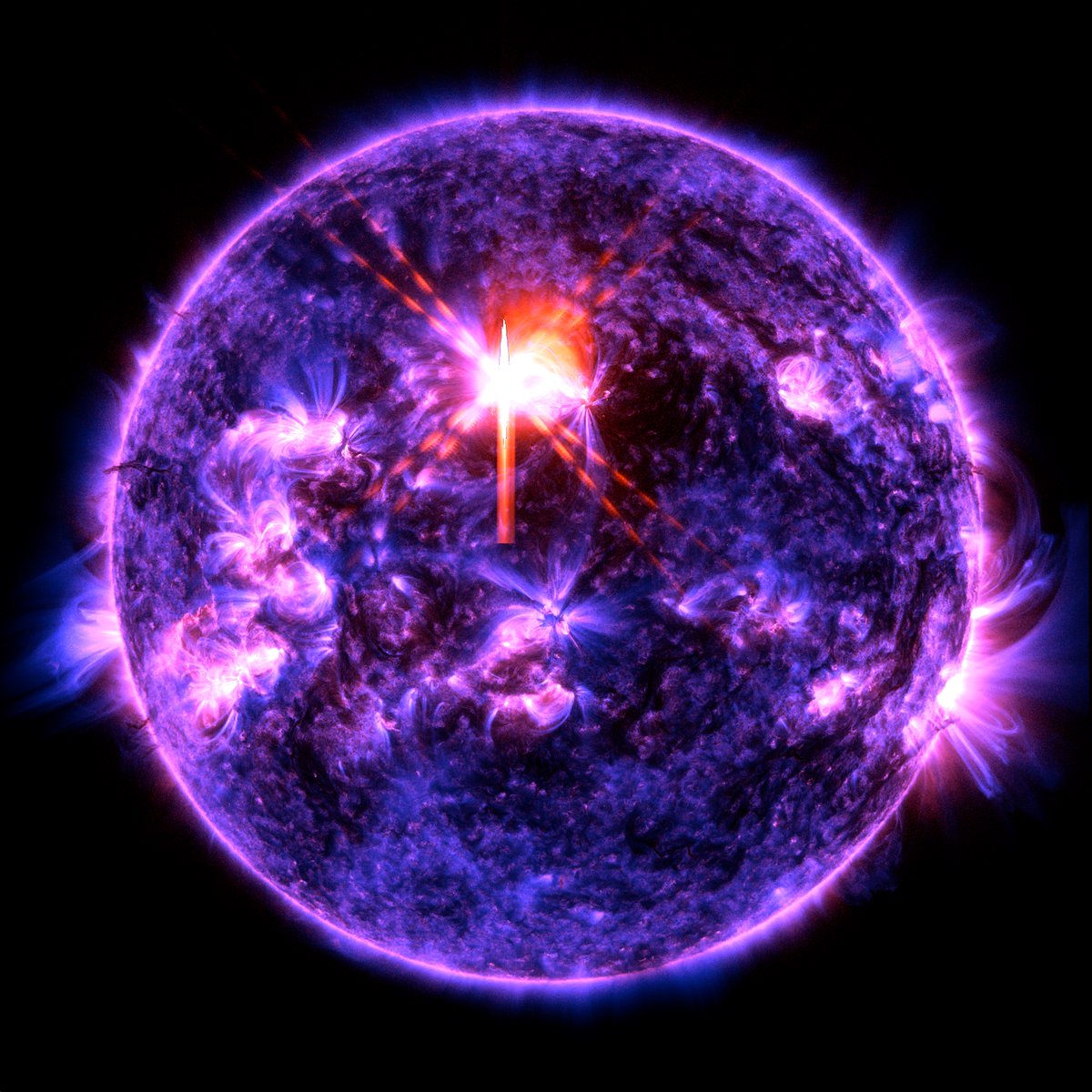
The Sun emitted a strong solar flare on Feb. 4, peaking at 7:13 a.m. ET. NASA’s Solar Dynamics Observatory captured an image of the event, which was classified as X4.2: https://t.co/qI38AfWaYr
Check out the INSANE growth on 4366 that's happened since just yesterday! It just keeps getting bigger while staying compact because new magnetic flux keeps pushing through the intermediate regions. The risk of a modern Carrington Event is incredibly high right now...
Close-up video of the X8.1 flare shows it originating from an intermediate delta-spot region. The area appears compact with strong magnetic complexity, indicating increasing potential for more frequent strong flares.
The latest X8.1 flare was eruptive you might have expected. It was a big filament (cool material) eruption. It was also seen as a coronal wave. We need to wait for more coronagraph data to say if/when the associated CME will arrive, but it will probably on Feb 4.
Another eruption from AR12474, associated with an X5.1 flare. It has become a full halo CME. I am truly impressed by how fast and global this coronal wave is. The CME will arrive on November 13, but because of earlier CMEs it will be challenging to isolate the ICME from this.
X5.1 solar flare around AR 4274. Proton levels are already on the rise. Wide area of coronal dimming evident meaning a large Earth directed CME is likely. https://t.co/aqK4Q6XLqw
The X1.2 flare produced an impressive full-halo CME, with the bulk directed NW and a notable Earth-directed component. Combined with the previous CME, this event could drive strong geomagnetic activity, strong G3–G4 storm potential.
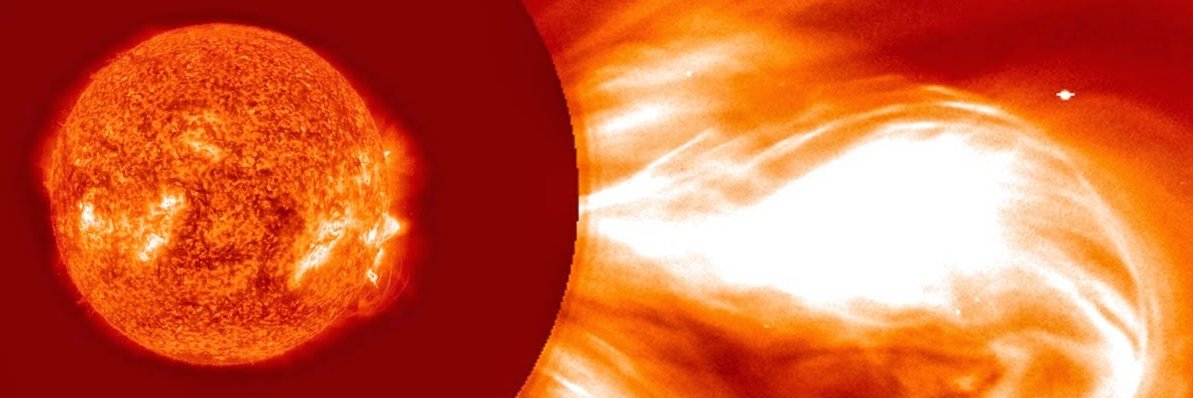
This comet impact to the Sun followed immediately afterwards with a huge CME is definitely 100% totally certifiably absolutely undoubtedly a coincidence. Nothing to see here folks! /s October 1-2 2011
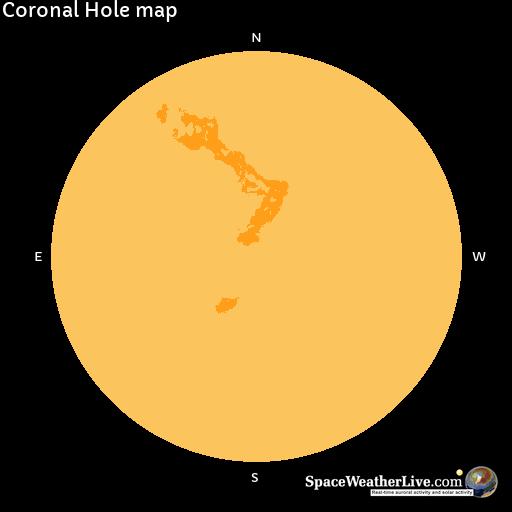
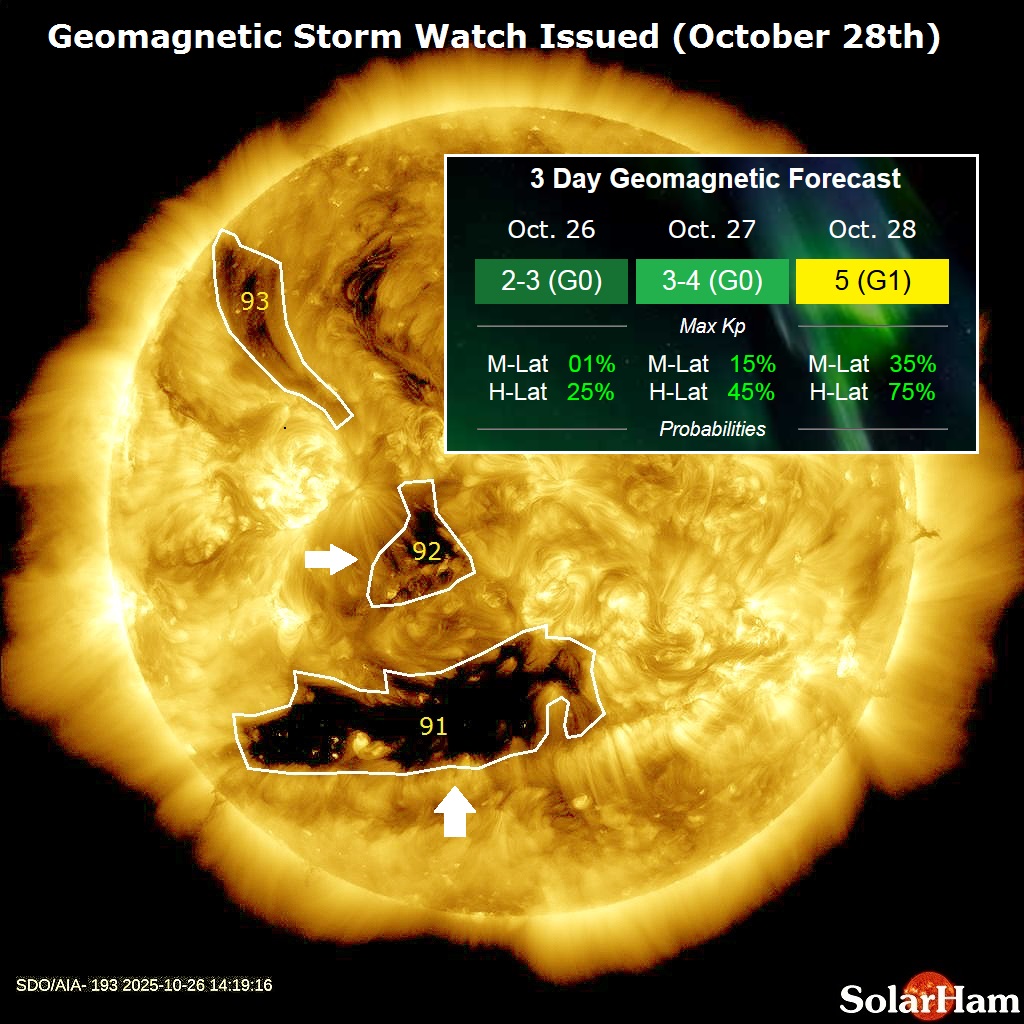
Geomagnetic storm watch issued beginning October 28th when a coronal hole stream is predicted to reach Earth. Minor (G1) storming , possibly even reaching moderate (G2) levels is currently expected. https://t.co/aqK4Q6XdAY
Finally, we have an Earth-directed CME! AR 4262 fired off a (likely) M-flare yesterday and destabilized a filament. The complex eruption produced a partial halo in Earth-based coronagraph imagery. Preliminary modeling from NASA M2M indicates impact around 10-26 at 13 UT.
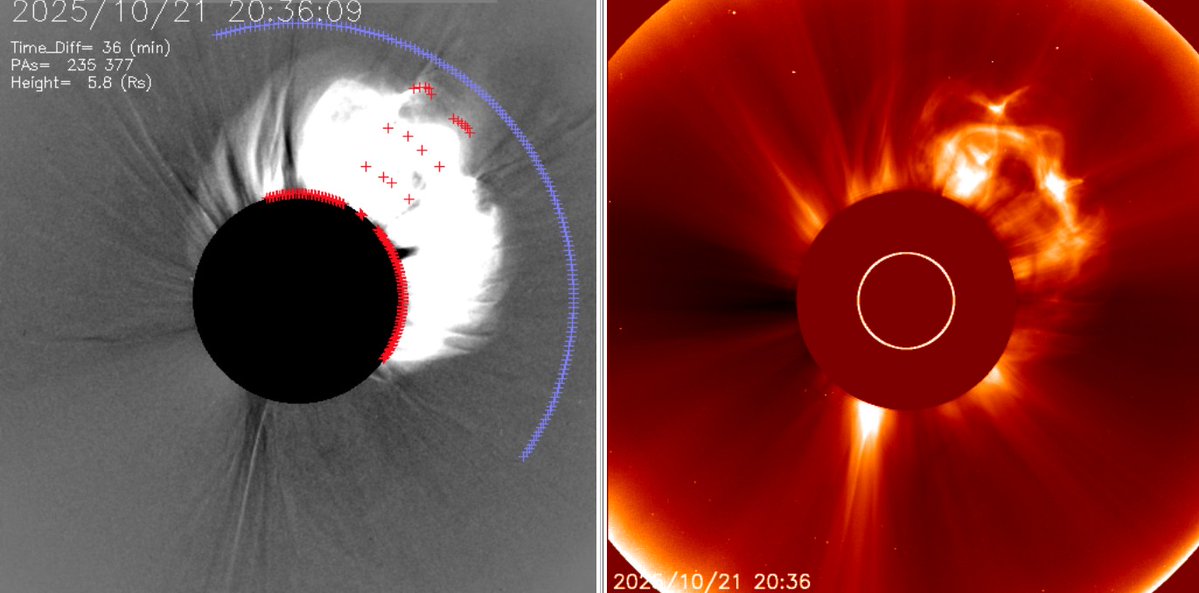
The big CME in LASCO C2 view - without doubt one of the top CMEs of this solar cycle. We have not had a single exceptionally fast near-side full-halo CME, so far all of them have been far side. The best we have had was the October 9th, 2024 center disk full halo, which produced the 10-11 October 2024 G4 storm (the 2nd largest geomagnetic storm of the cycle so far), but it was not as fast.