AI will not automate radiologists like you think
We have been talking for years now about AI automating jobs. Radiology has been a prime target, with Geoff Hinton once claiming, “people should stop training radiologists now, it’s just completely obvious that within five years, deep learning is going to do better than radiologists”, which is funny since he said that in 2016. There is now more demand for radiologists than ever, so clearly things did not turn out the way many thought. Here I will make a prediction that while radiology will change in the coming decade, radiologists will not be automated away any time soon. I will use radiology as an example but I think these principles will broadly apply to any field where demand can be elastic and quality can scale with increased intelligence.
First of all, we have seen in the short history of language models that there is a “jagged edge of intelligence”, where AI excels at verifiable tasks with a lot of data but is underwhelming on less common tasks. One thing most AI researchers underestimate about radiology is that it is actually extremely multi-task. There are at least a hundred conditions that can be diagnosed from x-rays alone, and thousands using CT and MRI. AI will first master common and easy-to-see conditions and it will not be as good as experts at less-common diseases just because there is less data for that. This jagged edge will certainly improve over time but this means that AI will certainly be used as a triage tool at first, rather than full automation in one go. I would guess that this process from solid triage tool to full automation would take 3-5 years in the best case scenario, because training AI to get all the edge cases right will be bottlenecked by data collection of rare diseases, and also because radiology isn’t currently a focus for frontier labs.
Second, there will be elastic demand for radiology as it gets cheaper per unit. I think elastic demand (“Jevons paradox”) is the most underrated phenomenon when people think about AI automation. In software, it is obvious that I have way more demand than before because Claude Code makes it so easy. These days I ask Claude Code to build a custom three-thousand line html viewer to help me visualize every little RL run that I do. The same thing will happen in radiology. If there is essentially no cost or latency of interpreting an MRI, a physician can order many scans preemptively to better diagnose a case. So with AI tools, a radiologist might have to read only 20% of inbound scans, but there might be 5x more scans inbound. Many developing countries have fewer than one radiologist per million people and they will also want to send a lot of radiology to be interpreted.
Longer term, cheap and fast radiology interpretation will also drive incentives to build cheaper radiology scanners. If an MRI had essentially no latency for interpretation, medical devices companies will want to build much cheaper MRI machines that can be used more frequently, perhaps even in the middle of a surgery. AI will accelerate the development of scanning technology, too. If a full body MRI was only $100 dollars I would totally want to get one every month instead of every two years. I can imagine a world where people get 10 or 100x the number of scans they do today, largely for preventative care, if radiology were 10-100x cheaper.
Third, even if we did have a model that could outperform the world’s best radiologists today, that would not be the end of all work on radiology. Medicine is a field of change. We may develop new treatment protocols that require reading radiology images in a way that radiologists currently aren’t used to. New scanners may reveal diseases that we cannot currently diagnose today with radiology alone. Some radiologists will change their work from reading scans to doing frontier research to advance our understanding of radiology and translate new knowledge into updated models.
Moreover, I am sure that we will ask for more out of our AI models than ever before. With a good flywheel, we may one day train AI models that can use radiology images to predict disease probabilities far into the future. With good prediction algorithms, cancer may be detected months earlier than we can detect it now. Society will invest a lot into this research and this will contribute even more to increased demand for radiology and the best AI around it.
On top of all of this, the medical system is typically slower to adopt new technology and has more regulation compared to technology companies. There is legacy infrastructure and medical centers need to constantly support patients which makes it hard to integrate new technology. This is even more true in developing countries. Moreover data access tends to be limited due to HIPAA, deidentification, IRBs, etc. So I think radiologists will be in demand for a while.
While some worry about radiology being totally automated, I think there is a more exciting future for radiology than ever before—one where there is more demand and we ask for more predictive power from our intelligence. This is similar to how many of us feel that programming will thrive more than ever before despite drastic change in the field. More generally, any domain where demand can be elastic and quality can scale with increased intelligence will, like radiology, similarly flourish with the development of AI. This is certainly a more exciting and nuanced future than what Hinton described in 2016!
(Finally, to be fair to Hinton, he did acknowledge in a recent podcast that he was wrong and also agrees with the elastic demand argument.)
Thanks @JayRothschild and @engyziedan for feedback on this post.
Our new article titled "Arterial phase enhancement of the adrenal glands as a severity indicator for acute pancreatitis" published in Japanese Journal of Radiology as an open-access
https://t.co/VSnv3wYF9M
As 2020 closes out, we're looking at the top RSNA News articles of the year. Back in January, we coved the state of electronic cigarettes or vaping associated lung injury (EVALI): https://t.co/jmO1yYGAnD #EVALI#ChestRad
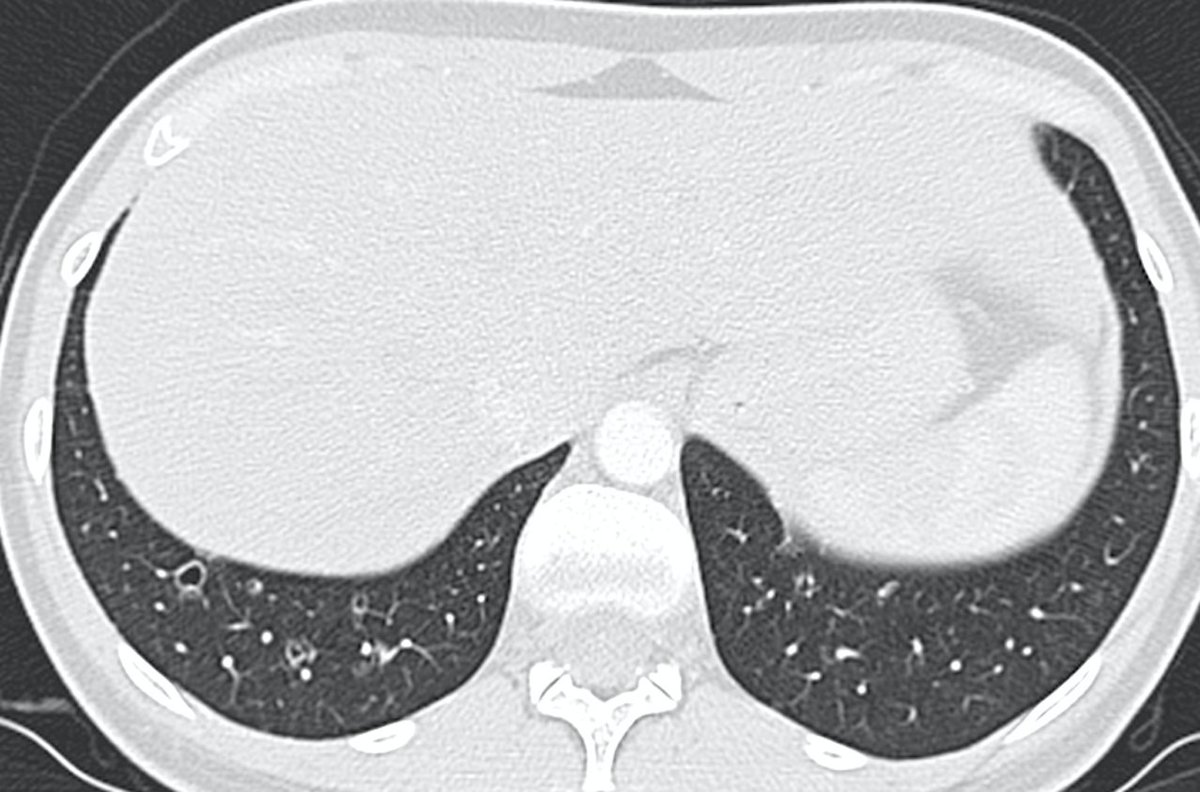
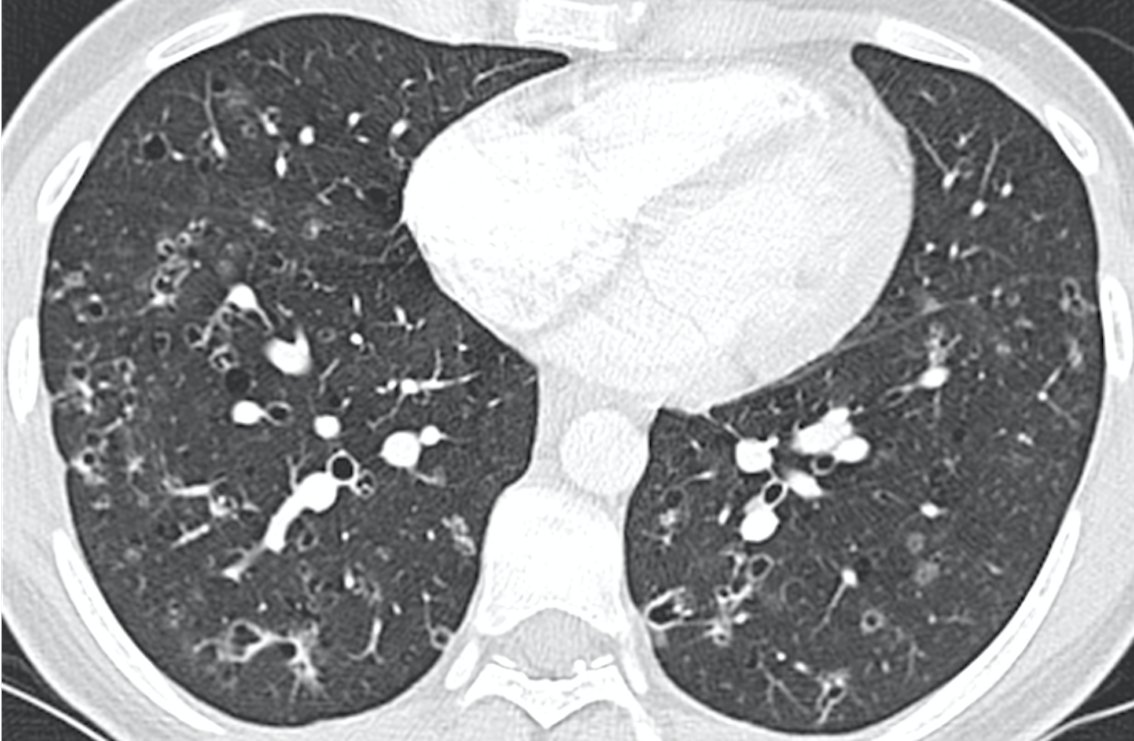
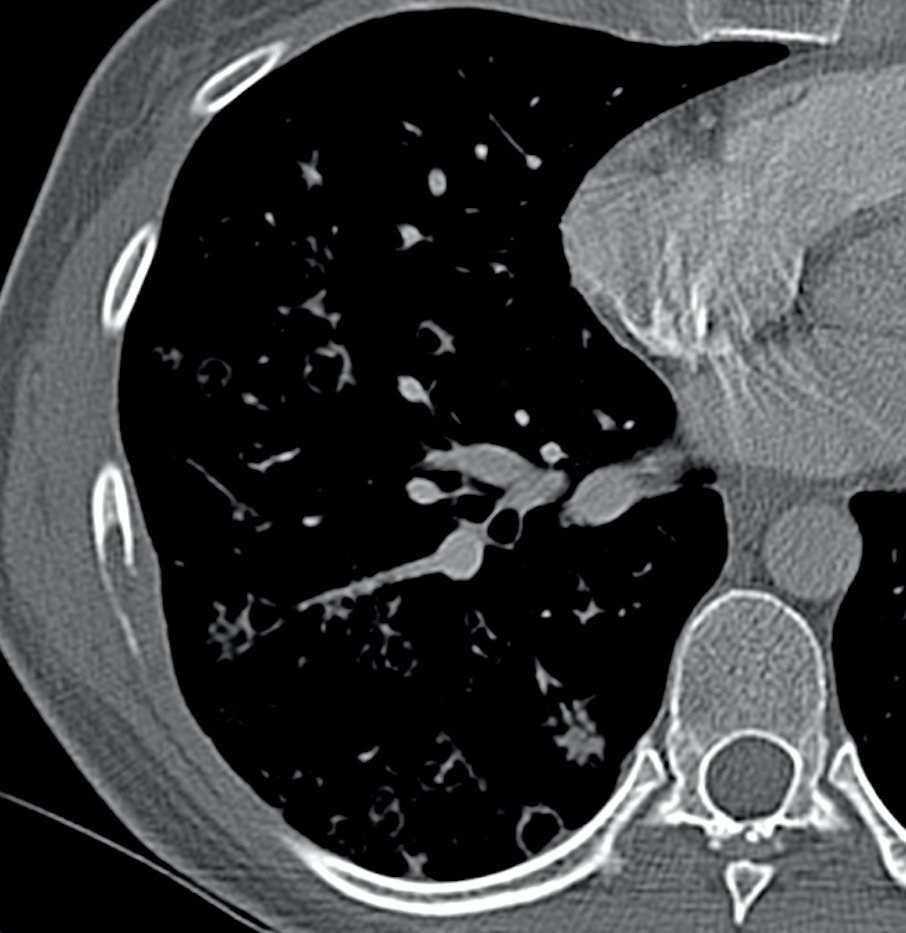
27y female with right pleuritic chest pain.
CTPA to rule out PE: scattered centrilobular nodules and "bizarre" shaped cysts sparing costophrenic angles. Lytic lesion on the 7th right rib.
Final diagnosis: Langerhans cell histiocytosis
#radiology#radres#thoracicrad#FOAMrad
BJR|Case reports case
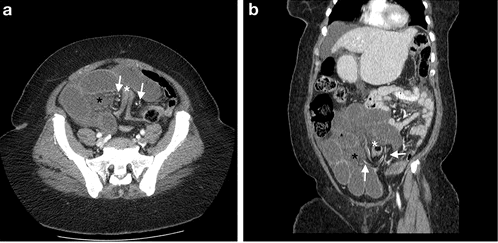
The “Omega sign”: a new radiological sign for a rare type of internal hernia involving the sigmoid mesocolon
https://t.co/dFjaDoC3Uf
#openaccess#FOAMed#radiology
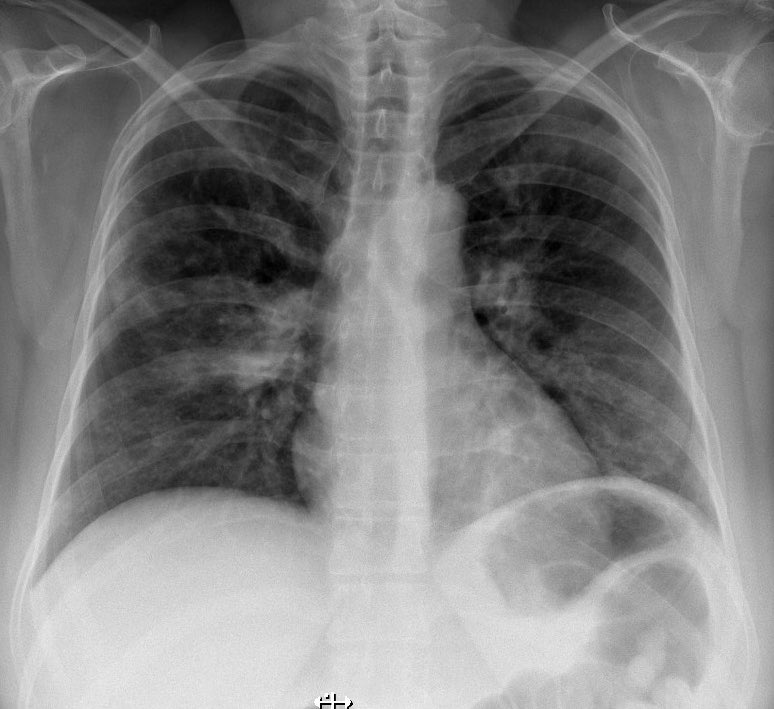
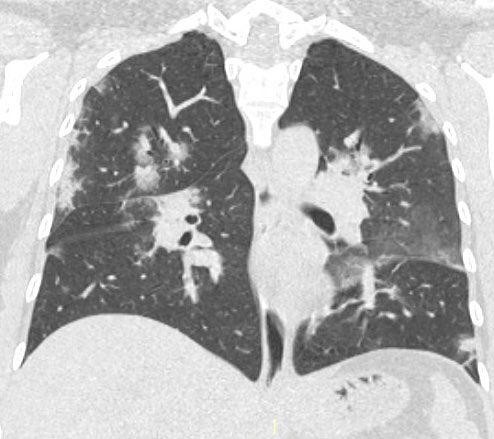
45 yo female with acute cholecystitis, no respiratory sx. Preop #CXR w/multiple peripheral opacities ⏩ #CT with classic #COVIDー19 pattern. Risk factor: doctor’s wife, has stayed home for past 3 weeks. Resident that performed the US didn’t use #PPE. BE CAREFUL!!
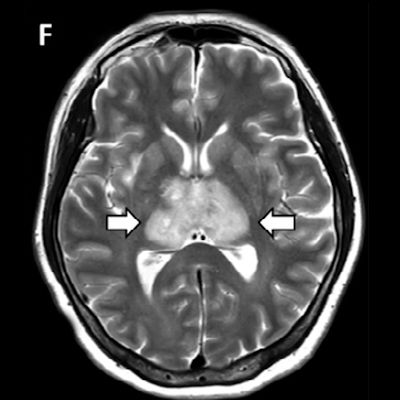
ICYMI: New CT and MR images of a patient in Michigan with COVID-19 appear to show the impact on the brain of "cytokine storm syndrome," according to a new study. #radiology#MRI https://t.co/fm1HQCQ1lP
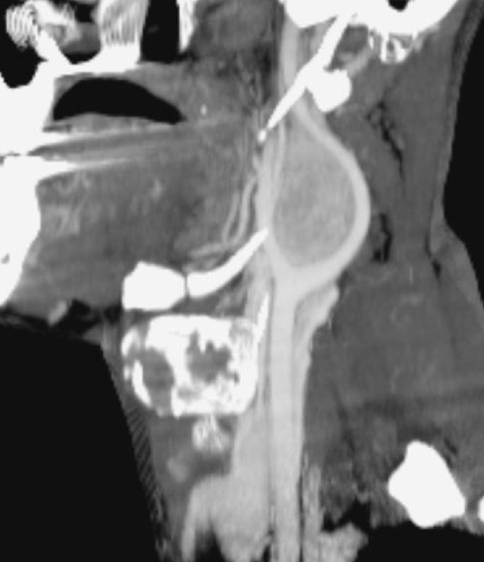
The lyre sign suggests a carotid body paranganglioma splaying the carotid bifurcation. #RadReview
Named after the lyre, an instrument which, according to @DrAndrewDixon, is traditionally played nude #keyinformation
Case: https://t.co/NNBWEcZYu7
Article: https://t.co/wYj0xZX2W3
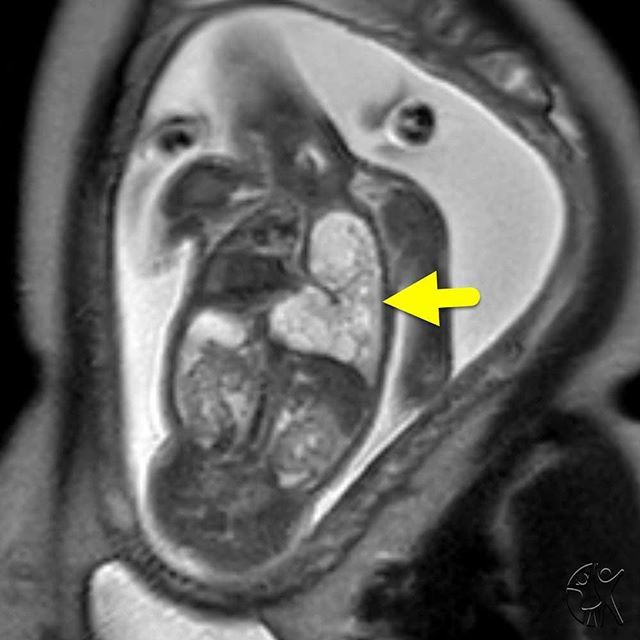
Fetal MRI shows a hyperintense right lung (arrow) typical of a congenital pulmonary airway malformation (CPAM). How do fetal radiologists help to determine the post-natal prognosis for the fetus? https://t.co/mNH8aLDQ5R
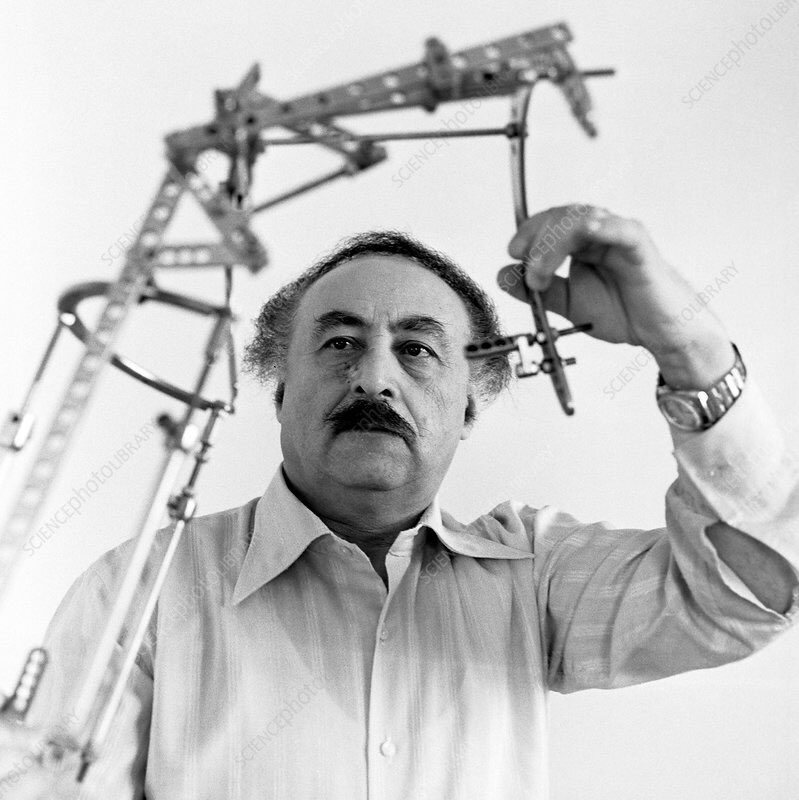
Soviet surgeon Gavriil Ilizarov (1921-92) developed an external fixator system, based on a shaft bow harness on a horse carriage and made of bicycle parts. Used to lengthen bones or treat nonunions of bone, the Ilizarov apparatus famously treated Olympian Valery Brumel in 1968.
#radres Although radial head fracture is the most common elbow fracture in adults, please don't forget to look for supracondylar fracture, especially in osteoporotic elderly patients where these are subtle and nondisplaced #FOAMed@HMSOrthoTrauma#EMRad#MSkRad
CT after 7 days