Excited to share my work towards improving NLP for low-resource languages: Urdu Word Embeddings, a collection of vector representations of Urdu words trained over more than 140M tokens of raw text.
Paper (LREC 2018): https://t.co/y0jun9i9E0
Download: https://t.co/N9nQ3WDell
To all those offering their confident explanations for "Why Trump won" (starting, literally, the morning after) I humbly suggest that you read my book. https://t.co/5gMsQemfOX
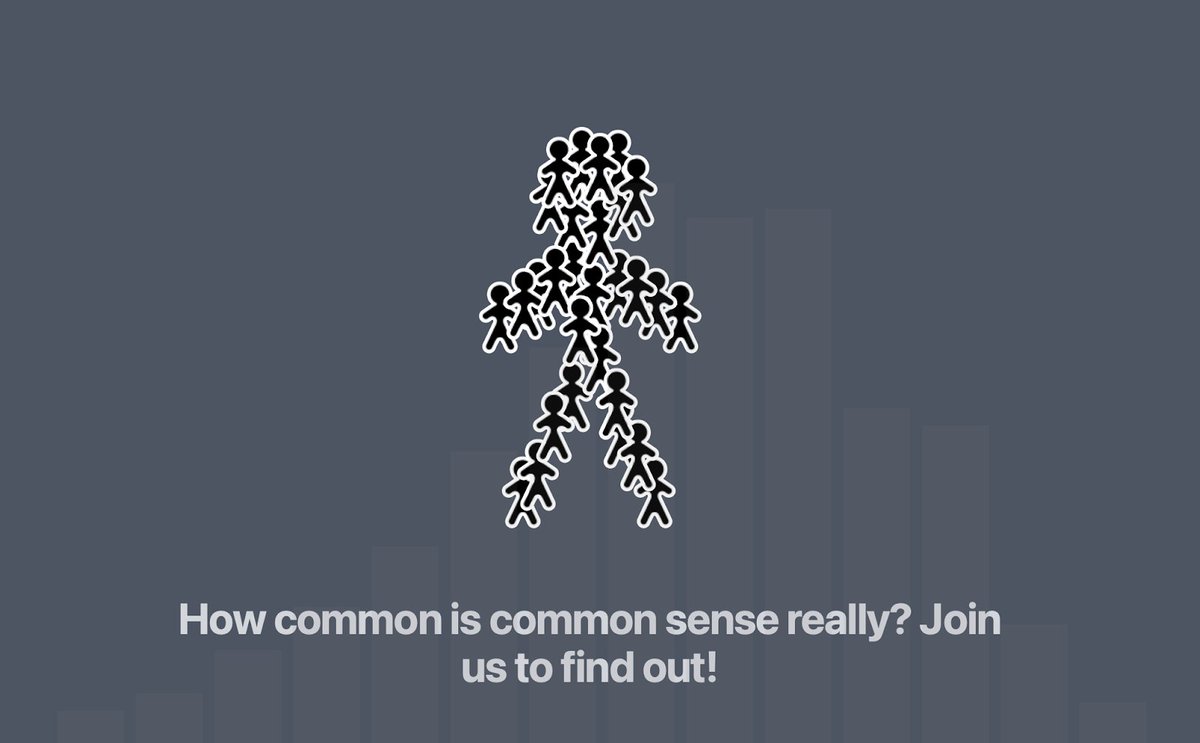
Everybody trivializes common sense because we believe it is self-evident and universal. But is it really?
Find out by participating in our Common Sense Project: https://t.co/H55yMzoFTy.
With @AmirhosNakh, @MarkWhiting, and @DuncanJWatts at @CSSPenn.
1/n
The common sense project is now live! @DuncanJWatts, @MarkWhiting, @amirhosnakh and @joshnguyen99 from the CSSLab invite you to take a quick survey 📝 and measure your common sense💡
https://t.co/lzcr4gWHnh
You can read more about the project here:
https://t.co/IRSbi4ldoM
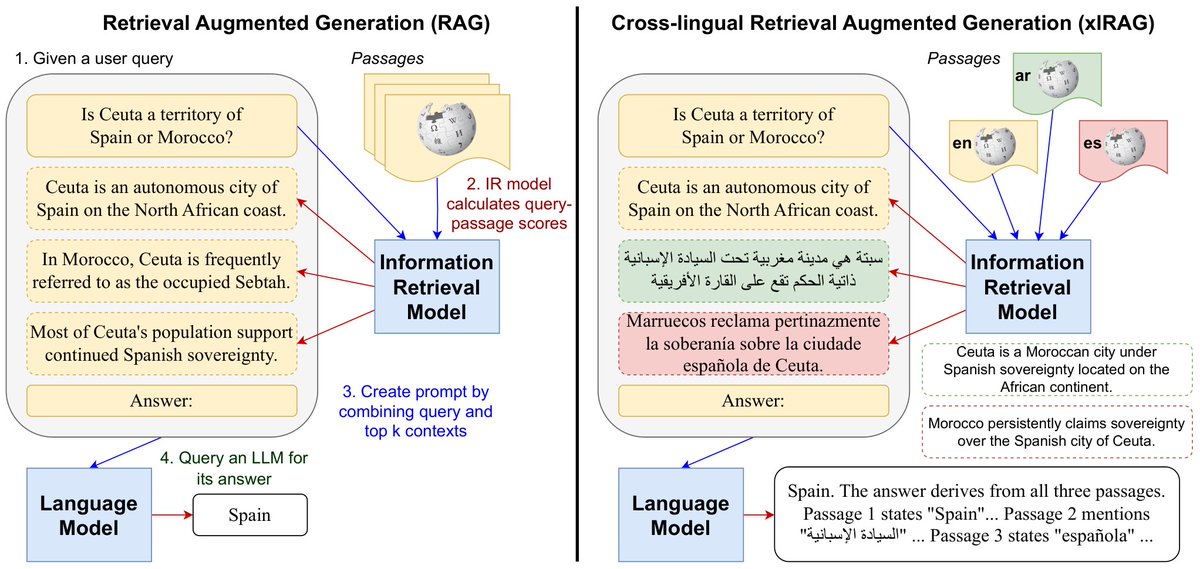
RAG enables LLMs to access external info 📖. But when this info is multiple languages 🌐, can LLMs reconcile differing viewpoints 🧐? We introduce BordIRlines, a dataset to study the robustness of cross-lingual RAG.
📃https://t.co/1YFiLEAiMG
🗃️ https://t.co/wJl062UkCd
1/4 🧵
New blog post for Media Bias Detector!
Worried about Russian disinfo? Our latest analysis shows the focus on Russia-backed efforts like Tenet Media masks a bigger threat dividing America: homegrown media giants like Fox and Tucker Carlson
New Media Bias Detector 🔎 Blog Post 📝 - Worried about the Russians dividing America? The call is coming from inside the house
@_JenAllen@duncanjwatts
https://t.co/fveig7IZTK
NEWS: We’re proud to support @Penn’s new Center on Media, Technology, and Democracy alongside the @KnightFdn, @PennEngineers, @AnnenbergPenn, @PennSAS, @PennLaw, & @PennSP2: https://t.co/GALAIGmMxk
Led by Profs. @DuncanJWatts & Christopher Yoo, the Center will propel research involving media, technology, and democracy within Penn and become a global hub for researchers, private sector leaders, and policymakers.
Amidst a rollercoaster of seemingly endless political news, @csspenn's Media Bias Detector website can “classify media content in somewhat close to real time,” says @WarrenCntrPenn faculty affiliate @duncanjwatts. https://t.co/WJB6YeSJAN
📢 Excited to announce that the Knight Foundation @knightfdn has provided a grant for the @UofPenn to establish the Center for Media, Technology, and Democracy led by @csspenn director @duncanjwatts and Penn Law Prof. Christopher Yoo 🎉
Read more here:
https://t.co/vkeTLjWPAw
New Media Bias Detector 🔍 Blog Post 📝 - Death in the news: The mortality risks we face and the ones media organizations talk about
Written by: @calvinisch2
https://t.co/yFbk8gMq1B
New Media Bias Detector 🔍 Blog Post 📝 - Investigating the Impact of Media Bias on News Readers
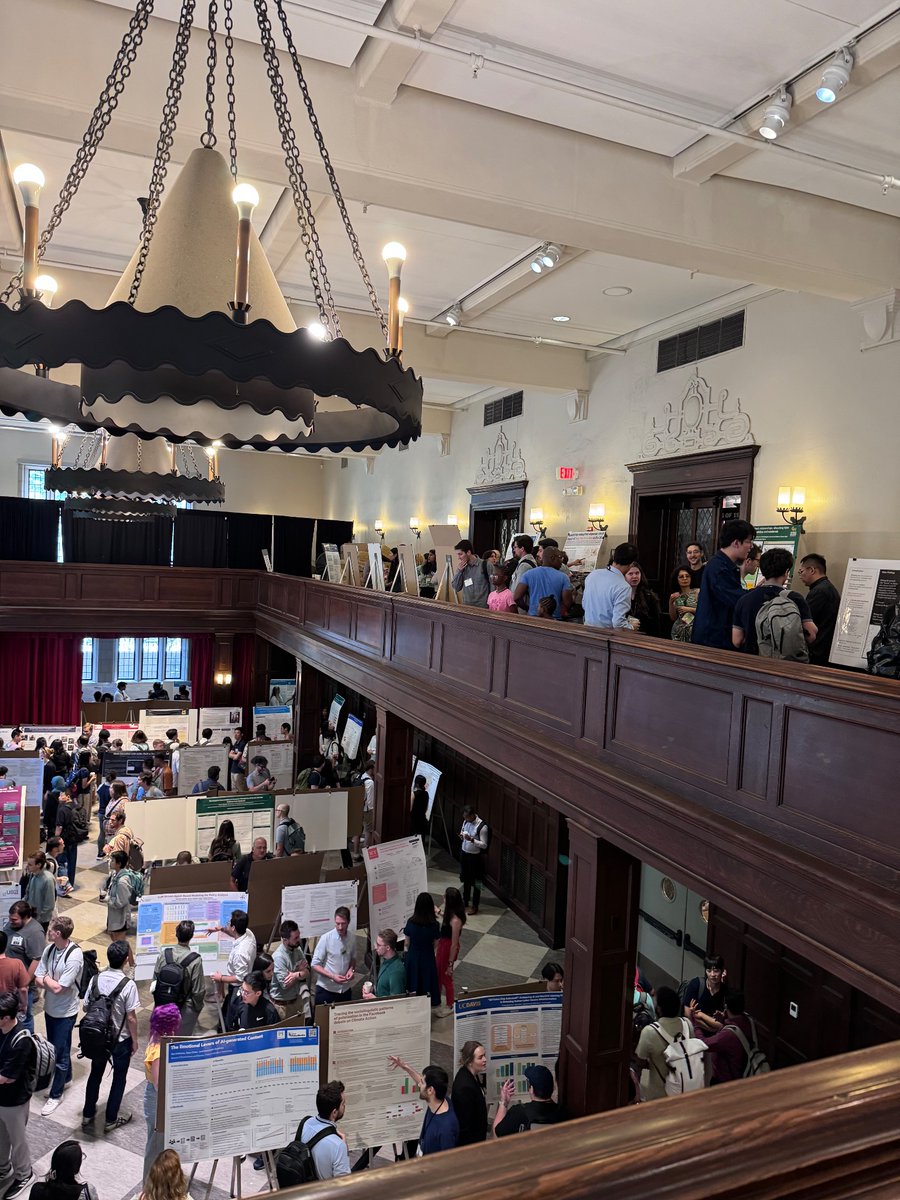
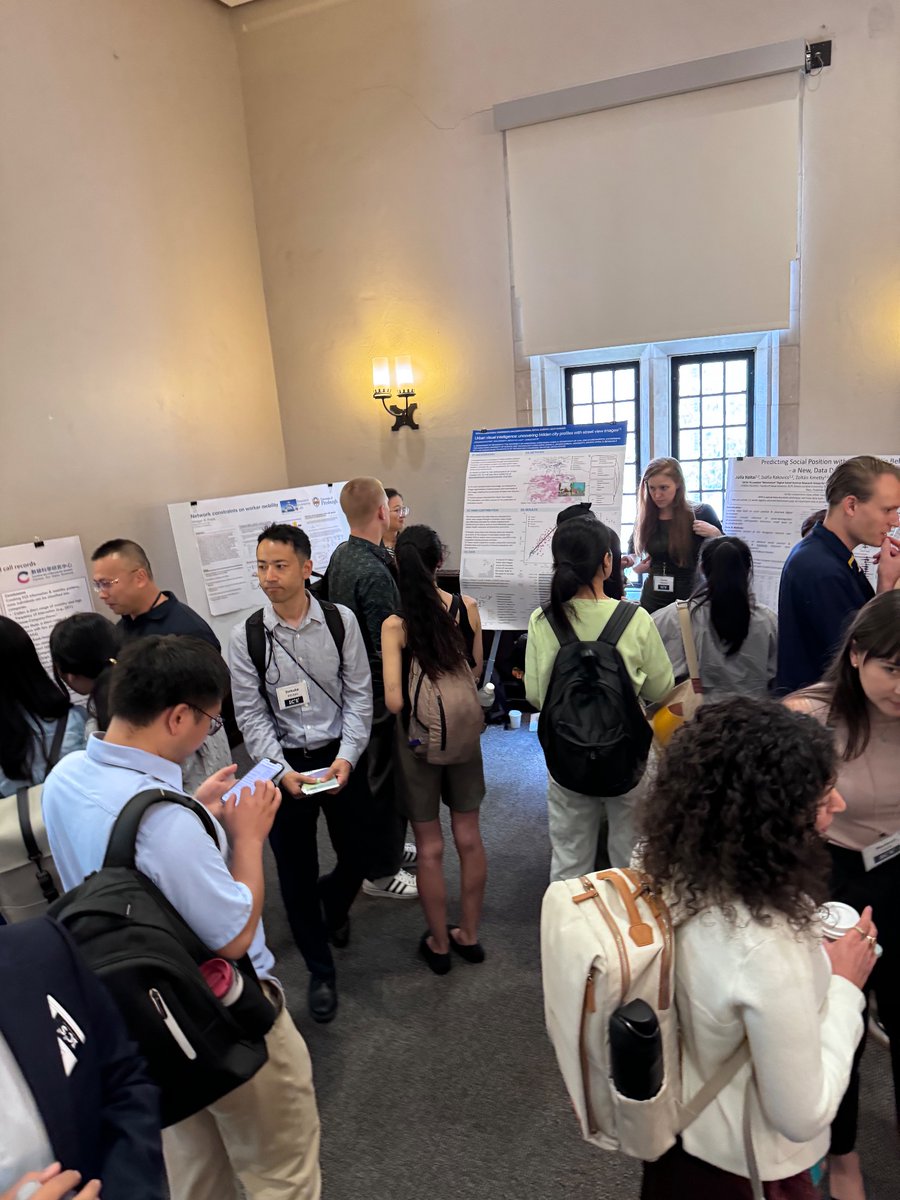
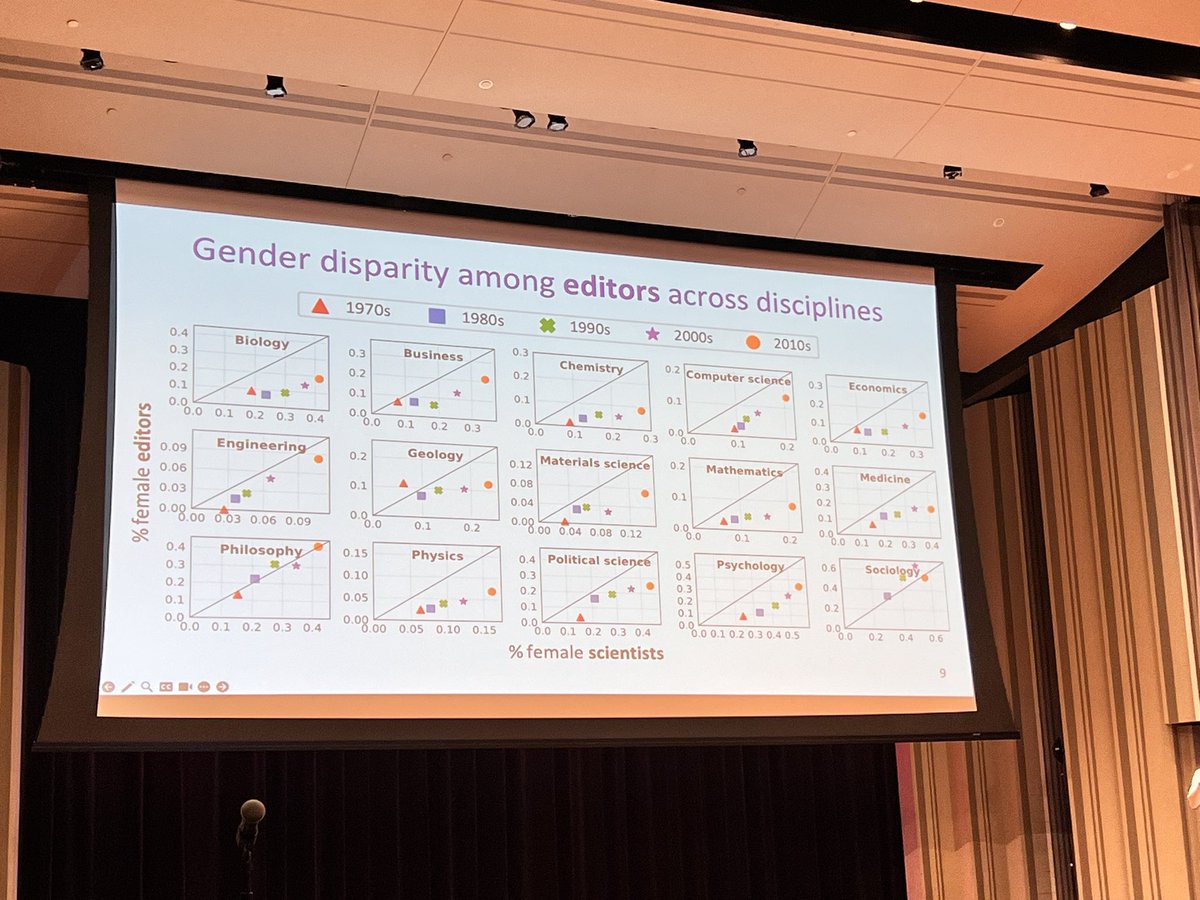
On @Amir__Tohidi's and @samarhdr's presentation at @IC2S2
https://t.co/h705FqtuyN
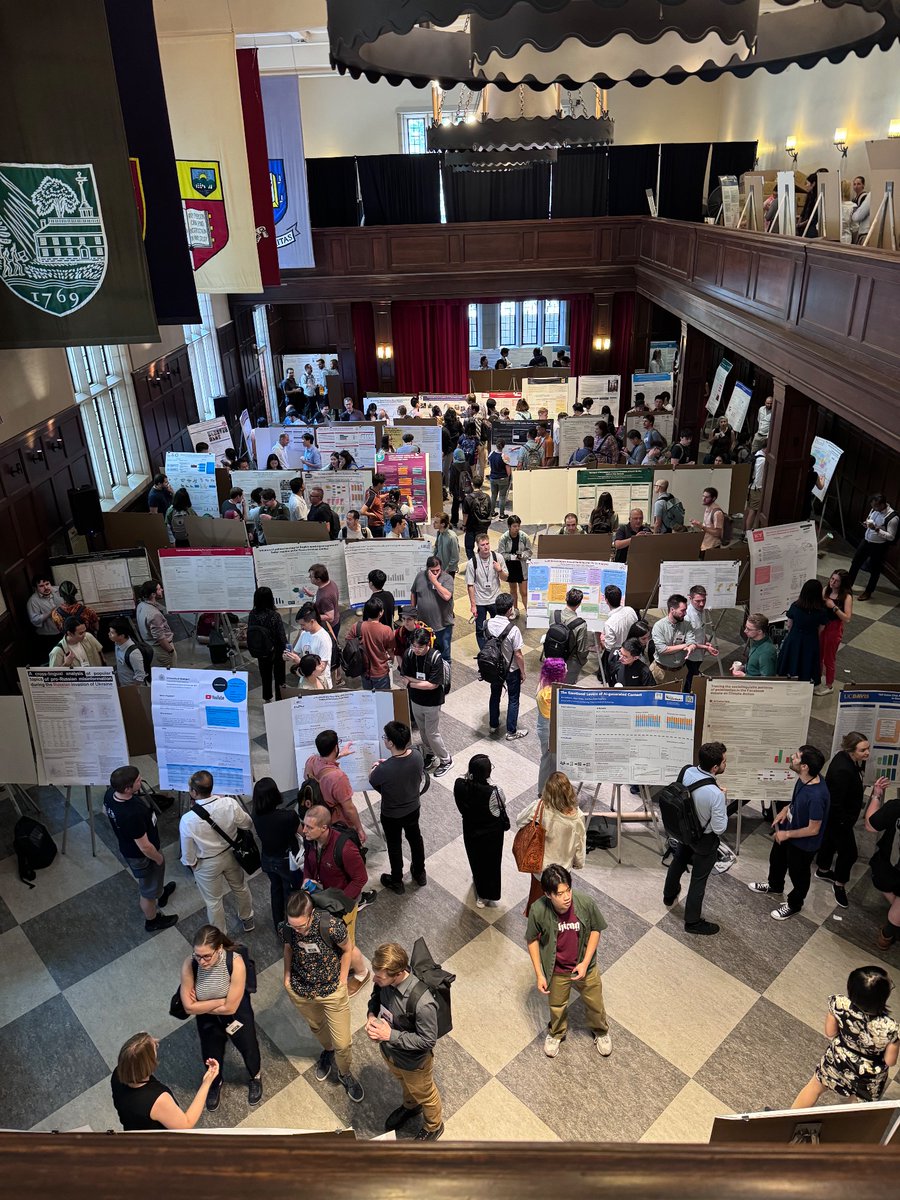
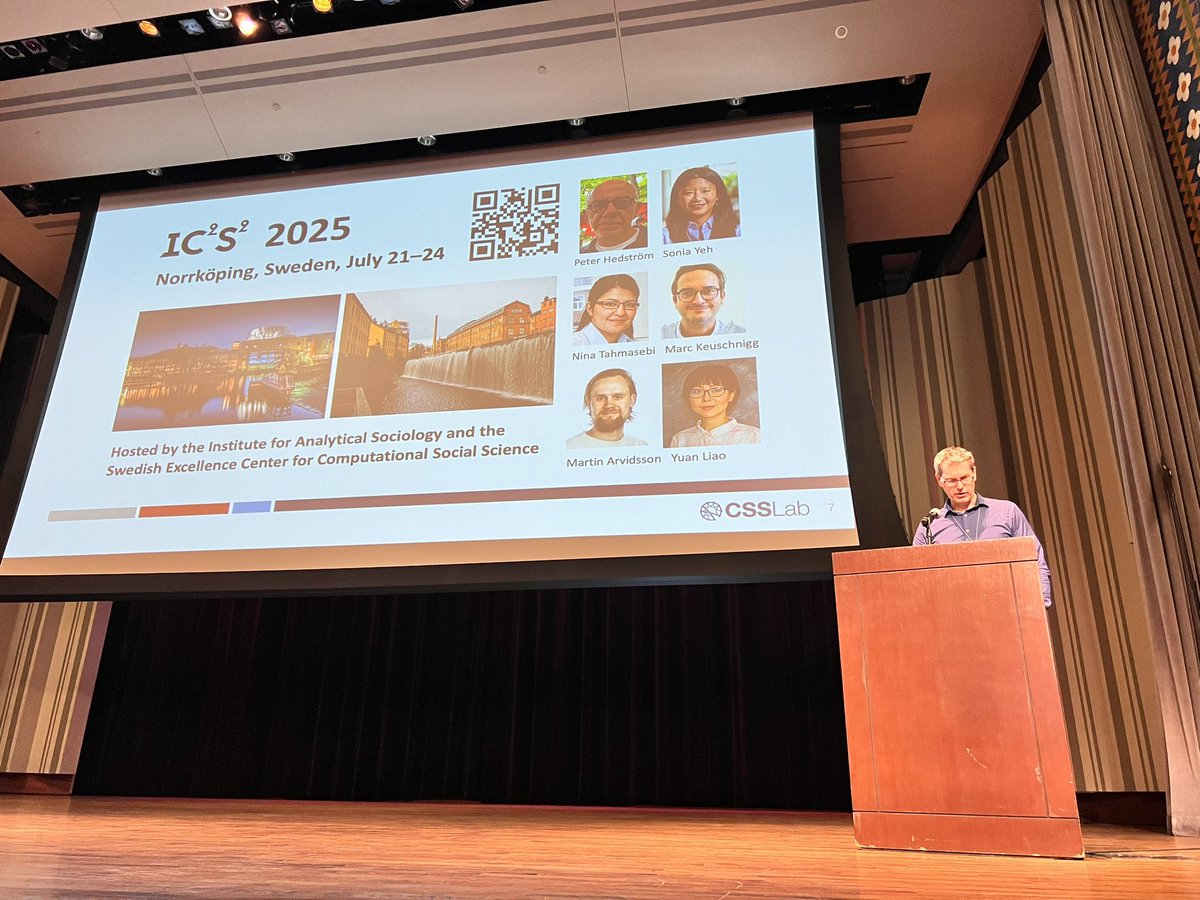
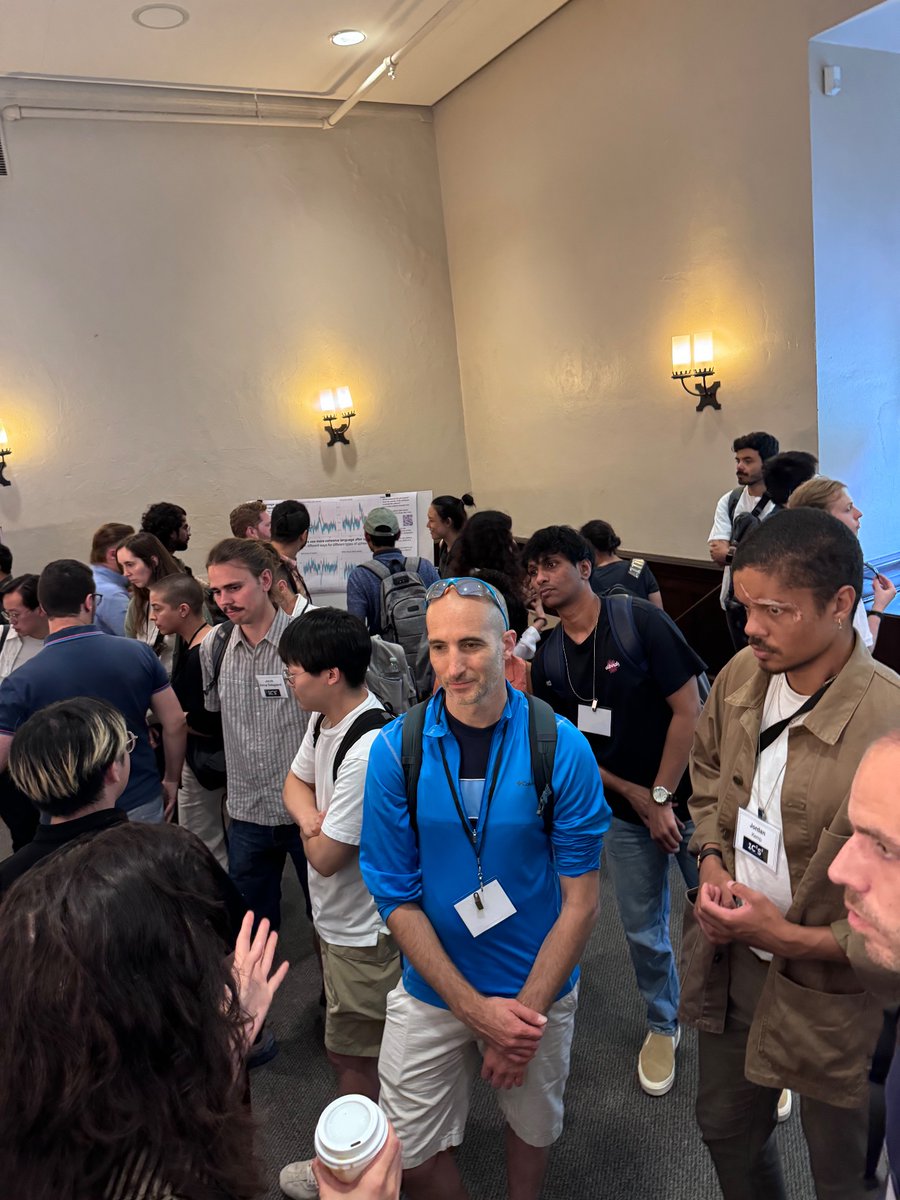
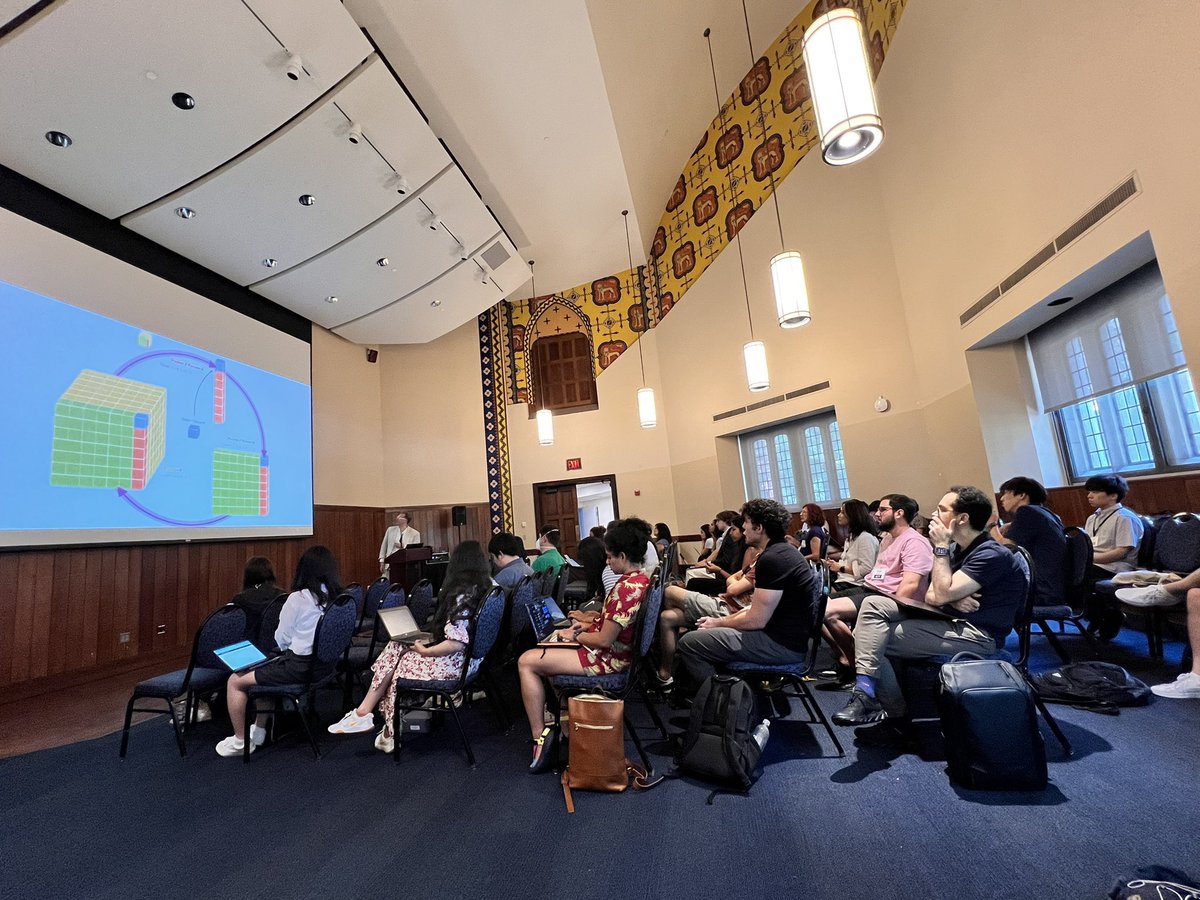
On behalf of the International Society for Computational Social Science, I want to thank @xisong,
@dhopkins1776, and their team for putting on a spectacular IC2S2 2024 @Penn this past week. Big crowd, great energy, and high quality content! Looking forward to next year in Sweden!
It’s great to see that next year’s #ic2s2 will be hosted by sociologist @PeterHedstrom1 and his team in Sweden! Looking forward to seeing mingling between analytical sociologists and computational social scientists @duncanjwatts@IAS_LiU@benfjarvis
New Media Bias Detector 🔍 Blog Post 📝 - Examining Media Coverage of Misinformation
Coverage of @DavMicRot 's and @duncanjwatts's new paper: Misunderstanding the harms of online misinformation
https://t.co/DU29IjRfLH