Voyager 1 is 24 billion kilometers from Earth.
It communicates with us using a 23-watt transmitter.
Less than a refrigerator light bulb.
The signal takes 22 hours to reach us, traveling at the speed of light.
By the time it arrives, it's 20 billion times weaker than the power of a digital watch battery.
NASA's Deep Space Network picks it up using 70-meter dish antennas cooled to near absolute zero to reduce electronic noise.
The engineering required to hear a 23-watt signal from 24 billion km away is arguably more impressive than the spacecraft itself.
Launched 1977.
Still transmitting.
Still being heard.
We built something that works perfectly, 47 years later, in conditions no one has ever tested in.
That's what engineering for the long term looks like.
Be careful what you wish for.
In moments of political urgency, it is easy to retreat into the language of regions, blocs, and “strongholds.” But we must resist the temptation to redraw invisible lines that divide rather than unite. Many of our people no longer reside within the “mountain” or any single region, they live, work, and build their futures across diaspora counties, side by side with neighbors, friends, classmates, and business partners from every corner of this country.
To speak loosely of “locking down regions” is to ignore this reality and to risk placing our people at odds with the very communities they are part of. It is a dangerous path! We’ve outgrown the politics of exclusion.
SpaceXAI and @cursor_ai are now working closely together to create the world’s best coding and knowledge work AI.
The combination of Cursor’s leading product and distribution to expert software engineers with SpaceX’s million H100 equivalent Colossus training supercomputer will allow us to build the world’s most useful models.
Cursor has also given SpaceX the right to acquire Cursor later this year for $60 billion or pay $10 billion for our work together.
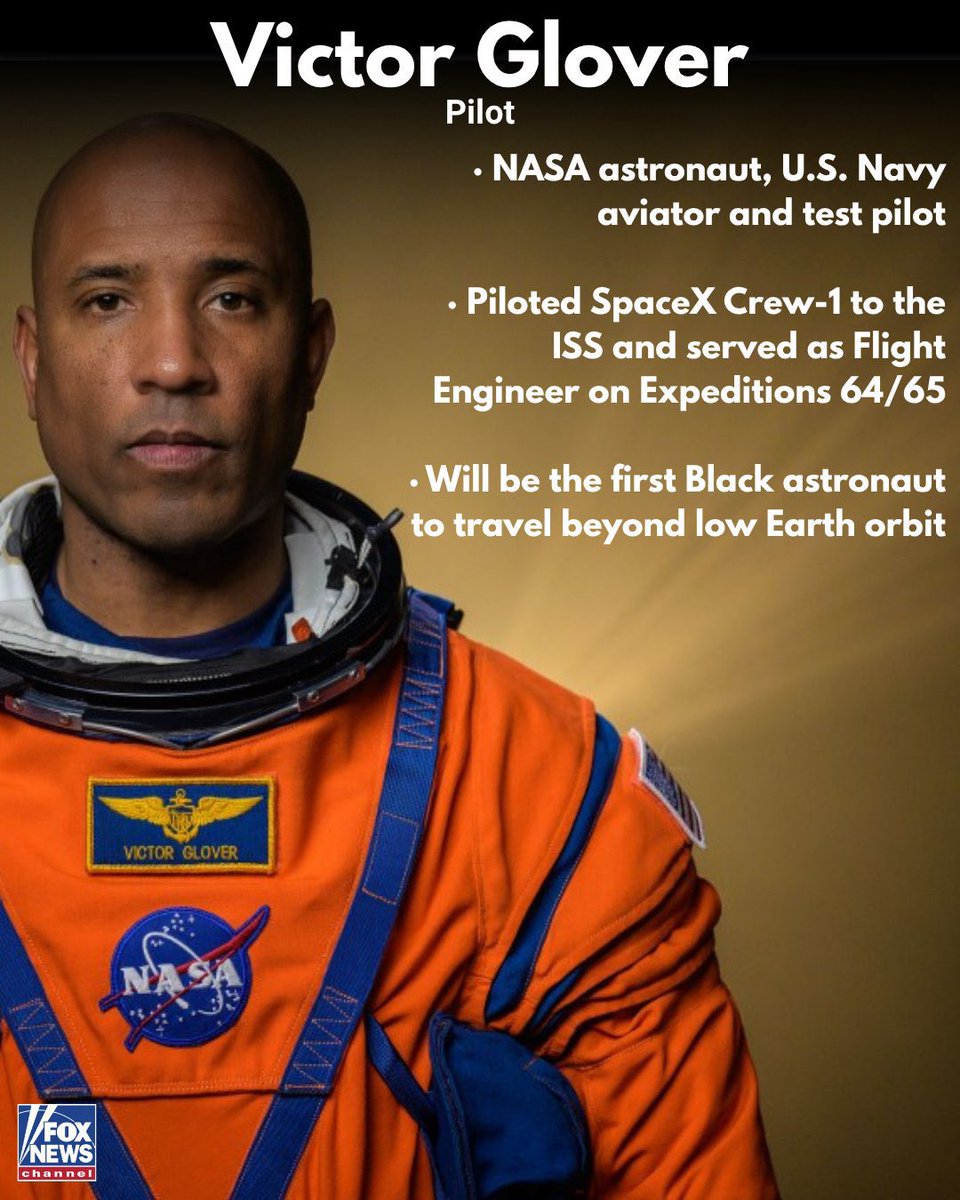
Welcome home Reid, Victor, Christina, and Jeremy! 🫶
The Artemis II astronauts have splashed down at 8:07pm ET (0007 UTC April 11), bringing their historic 10-day mission around the Moon to an end.
The Artemis II crew is boarding Orion.
Reid, Victor, Christina, and Jeremy are taking their seats atop the most powerful manned rocket ever built. They have trained for years for this moment, and now they are preparing to execute a mission that will take us back around the Moon and begin the next chapter of human space exploration.
We're going around the Moon. Come watch with us. Artemis II's four-astronaut crew is lifting off from @NASAKennedy on an approximately 10-day mission that will bring us closer to living on the Moon and Mars. The launch window opens at 6:24pm ET (2224 UTC). https://t.co/X27QJejNDt