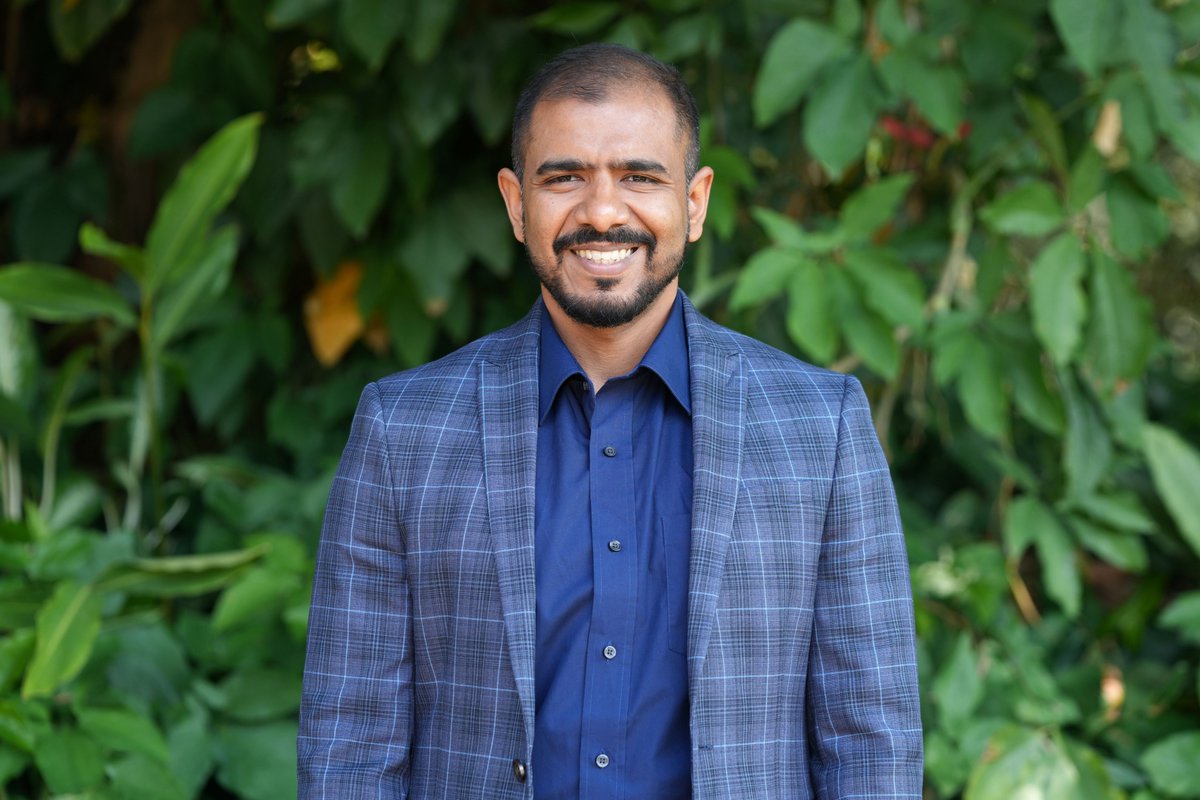
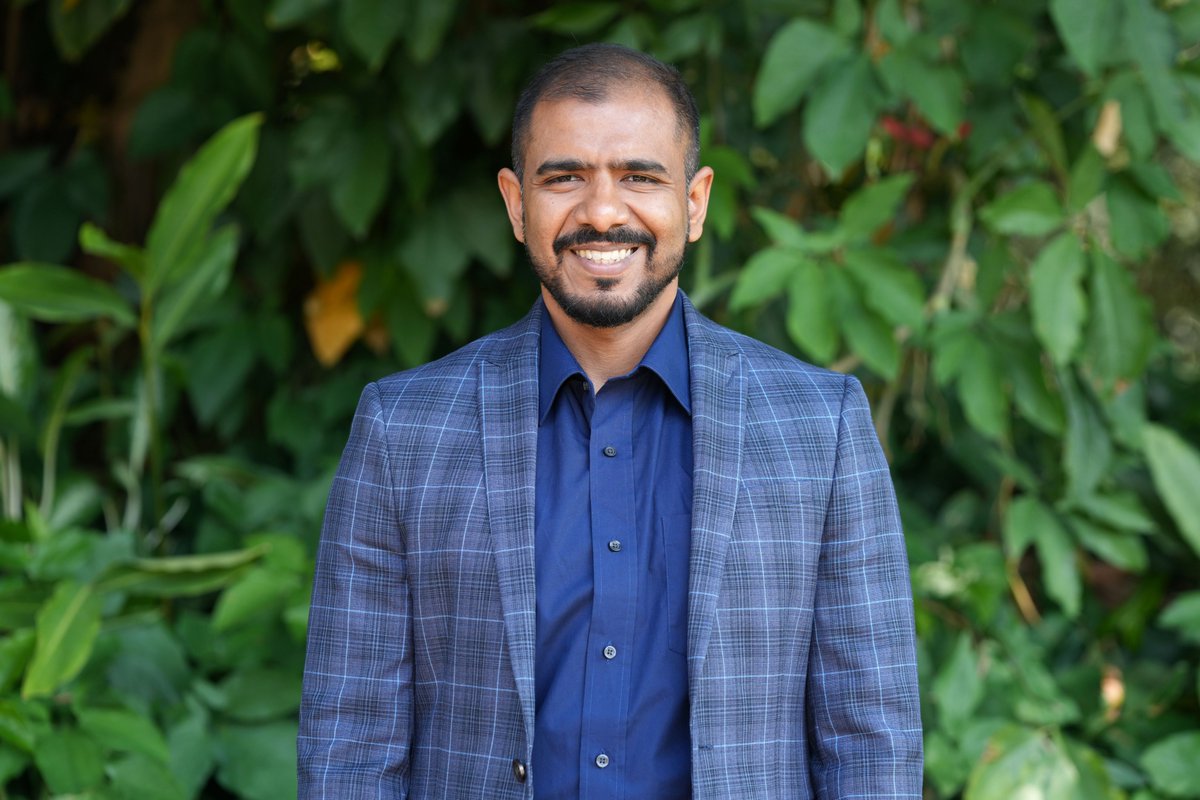
In an op-ed co-authored for Deccan Herald, Prof. Subho Majumdar, IIMB, assesses whether India can extend ISRO’s philosophy of “build it yourself; make it work” to the fast-paced terrain of #AI using the launch of IAIRO as a point of departure.
🔗Read here: https://t.co/rRbktUKnh4
@arienkaran@varunachar@PrinSciAdvOff ^This is exactly correct. Without alignment we don't have reliability, security, and safety. Just like shipping software without these things is unthinkable, so should be agentic systems and models that power them.
In a recent article for Deccan Herald, Prof. @sbmisi, Decision Sciences area at #IIMB, sheds light on a double bind facing India’s civil services: 1300 vacant IAS vacancies and a perpetual churn of bureaucratic reshuffles
🔗Interested? Read here: https://t.co/beSi5yK9bA
@thogge@amasad@ZohranKMamdani It's not. Demographic background is at best a confounding factor, but it's hardly causal in a "I'm X by culture so I'll vote for an X person" way.
🚨 AI Evals Crisis: Officially kicking off the Eval Science Workstream 🚨
We’re building a shared scientific foundation for evaluating AI systems, one that’s rigorous, open, and grounded in real-world & cross-disciplinary best practices👇 (1/2)
https://t.co/AQdEKtJS3l
Red Teaming AI Red Teaming - https://t.co/k8kkc4ph3Y
Red teaming has evolved from its origins in military applications to become a widely adopted methodology in cybersecurity and AI. In this paper, we take a critical look at the practice of AI red teaming. We argue that despite its current popularity in AI governance, there exists a significant gap between red teaming’s original intent as a critical thinking exercise and its narrow focus on discovering model-level flaws in the context of generative AI. Current AI red teaming efforts focus predominantly on individual model vulnerabilities while overlooking the broader sociotechnical systems and emergent behaviors that arise from complex interactions between models, users, and environments. To address this deficiency, we propose a comprehensive framework operationalizing red teaming in AI systems at two levels: macro-level system red teaming spanning the entire AI development lifecycle, and micro-level model red teaming. Drawing on cybersecurity experience and systems theory, we further propose a set of recommendations. In these, we emphasize that effective AI red teaming requires multifunctional teams that examine emergent risks, systemic vulnerabilities, and the interplay between technical and social factors.
#AIRedTeaming #RedTeaming #AIsecurity #AIgovernance #SystemicRisks #EmergentBehavior #SociotechnicalSystems #ModelVulnerabilities #AIThreatModeling #MacroRedTeaming #MicroRedTeaming #CyberSecurity #ResponsibleAI #AIrisks #AdversarialTesting #AIresilience #SystemSecurity #MultidisciplinaryAI #AIdevelopment #AIoversightAsk
🚀 Technical practitioners & grads — join to build an LLM evaluation hub!
Infra Goals:
🔧 Share evaluation outputs & params
📊 Query results across experiments
Perfect for 🧰 hands-on folks ready to build tools the whole community can use
Join the EvalEval Coalition here 👇
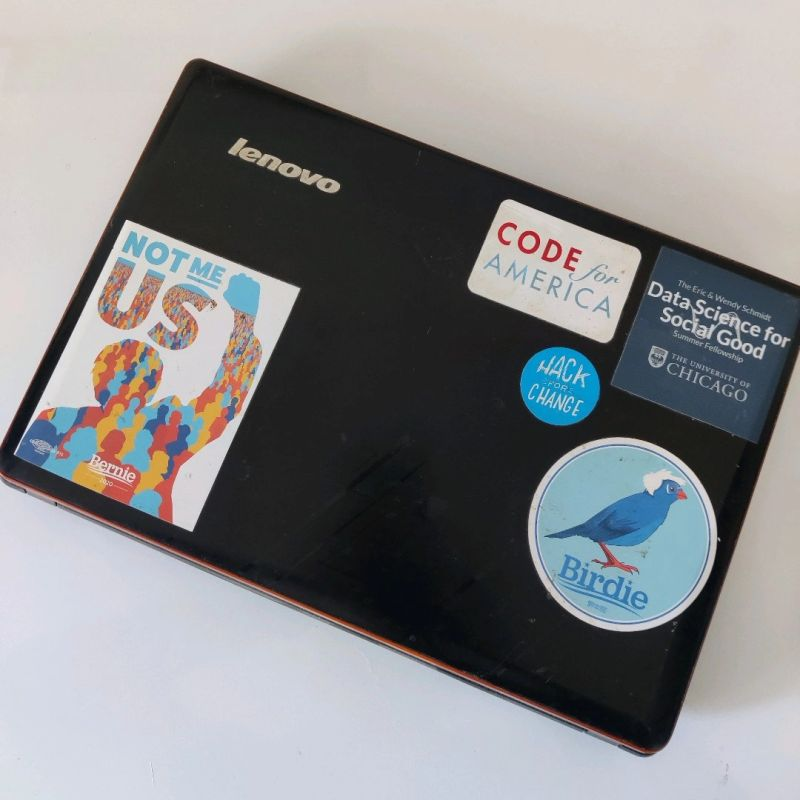
Along the lines of the stickers on my old laptop, my request to those who mean well: please be aware of your own privileges. please be an ally to those who don't share the same privileges. And never lose hope. Long live the revolution.
/end
Coming from a country that has become increasingly authoritarian since the regime change in 2014, the best case scenario for the US we'll see in the next 4 years is
1/
For those in the area, tomorrow (November 1, 2024) I’ll speak at two events at @JMU in Harrisonburg, VA.
A roundtable hosted by computer science at 11:30 am and a talk hosted by philosophy at 4pm.
'Cultural prompting' feels quite on the nose. To build ethical AI, why not take care to actually curate diverse datasets and build better data pipelines? @CornellNews#EthicalAI#DiversityInTech https://t.co/6bQa32Fz71