In the midst of election campaigning, had the opportunity to meet Thiru Ramesh Vinayakam Ji and his family in Chennai. Ramesh Ji is a music composer and has devoted his life to popularising Indian music. He gave me a glimpse of his work in making the Gamaka Box Notation System. This is an innovative way to take Indian music to the world!
@RameshVinayakam
🎙️ Ready to Take the Stage at DevFest DC 2025?
🗓️ Friday, October 3rd 2025
🕕 9:00am - 6:00pm
We're looking for developers, innovators, and dreamers who are pushing AI & emerging technologies to new heights!
👉 Submit your talk: https://t.co/YiFXRSMm62
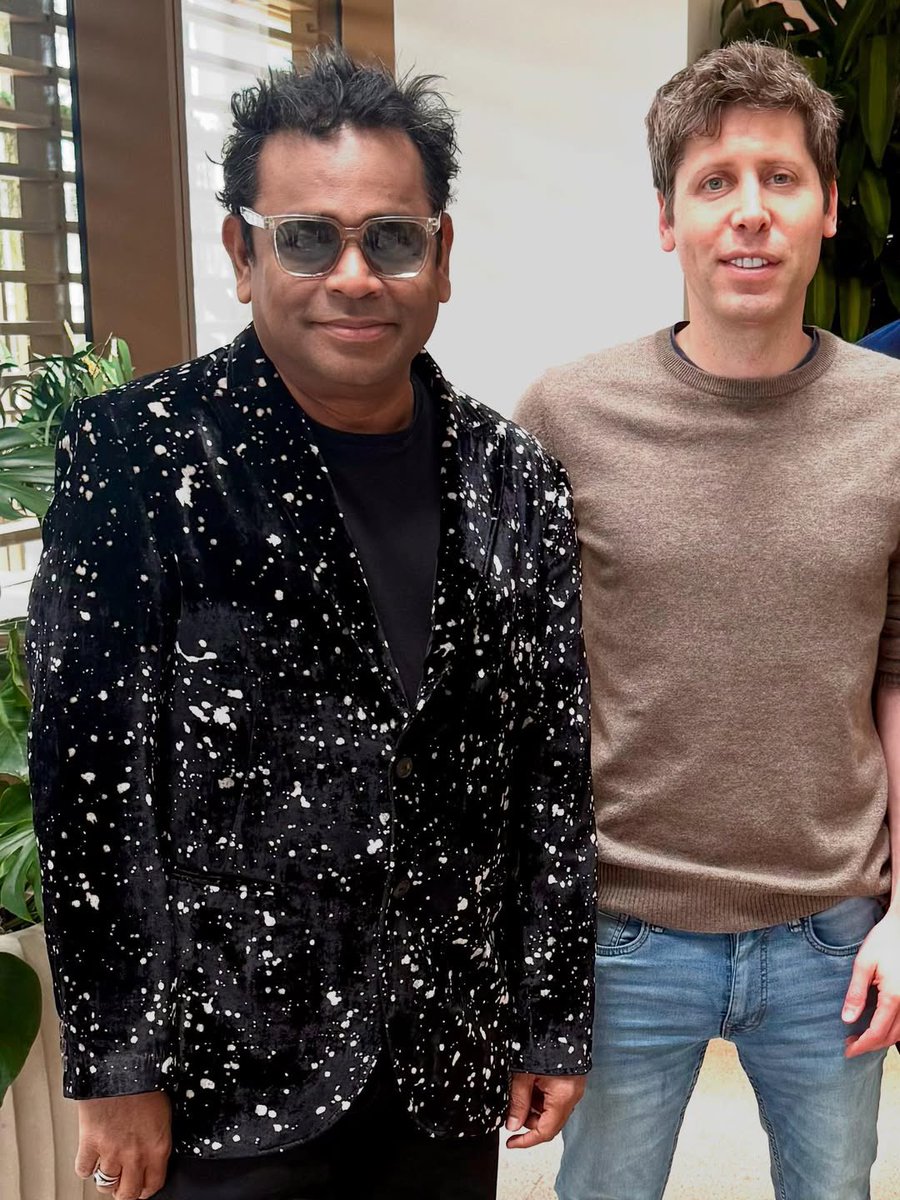
It was a pleasure meet @sama at his office …we discussed “Secret Mountain”, our virtual global band, and to empower and uplift Indian minds to use AI tools to address generational challenges and lead the way forward.
EPI
@chatgptindia @OpenAI#arrimmersiveentertainment@hashgraph
Uranus is warmer than we thought.
New computer modeling techniques revealed that Uranus generates internal heat. This is similar to our solar system’s other gas giants, like Jupiter or Neptune. https://t.co/OpsOIwXYc9
I love my job so much.
Today I got to watch the sun produce incredible streams of plasma throughout the chromosphere, which I photographed in detail using a specially modified telescope.
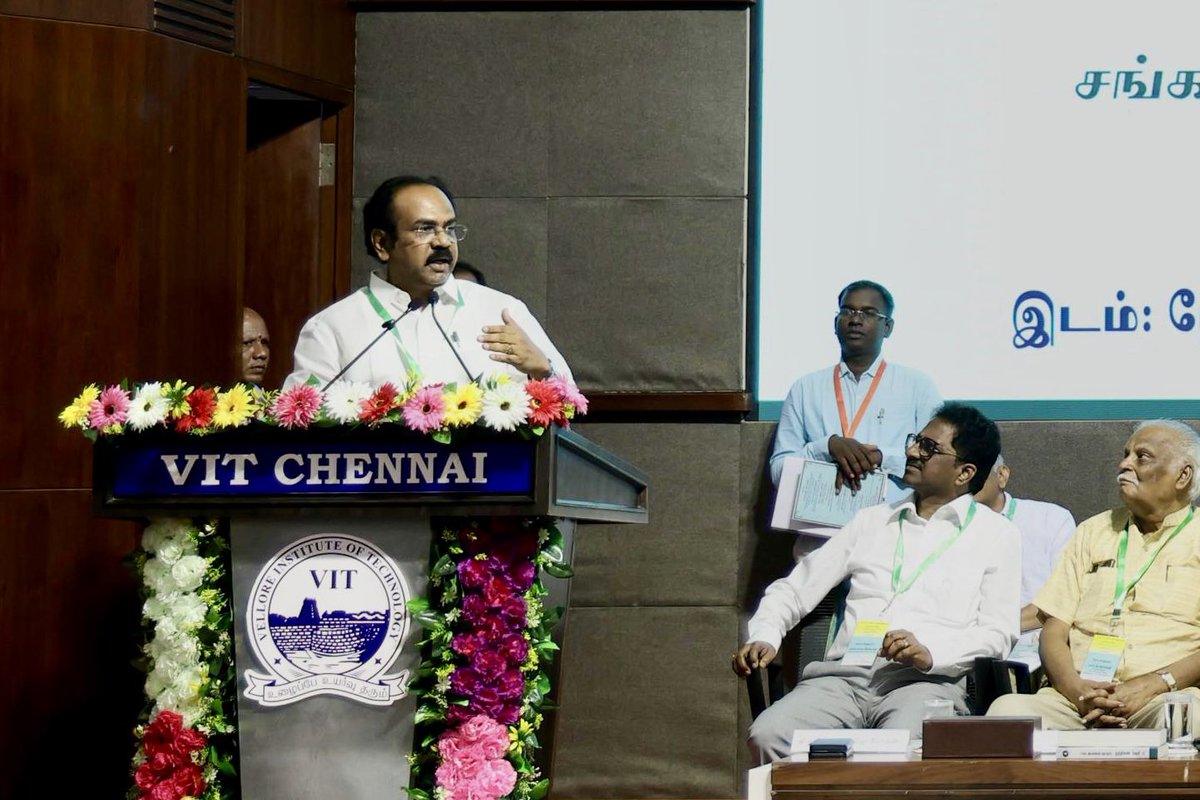
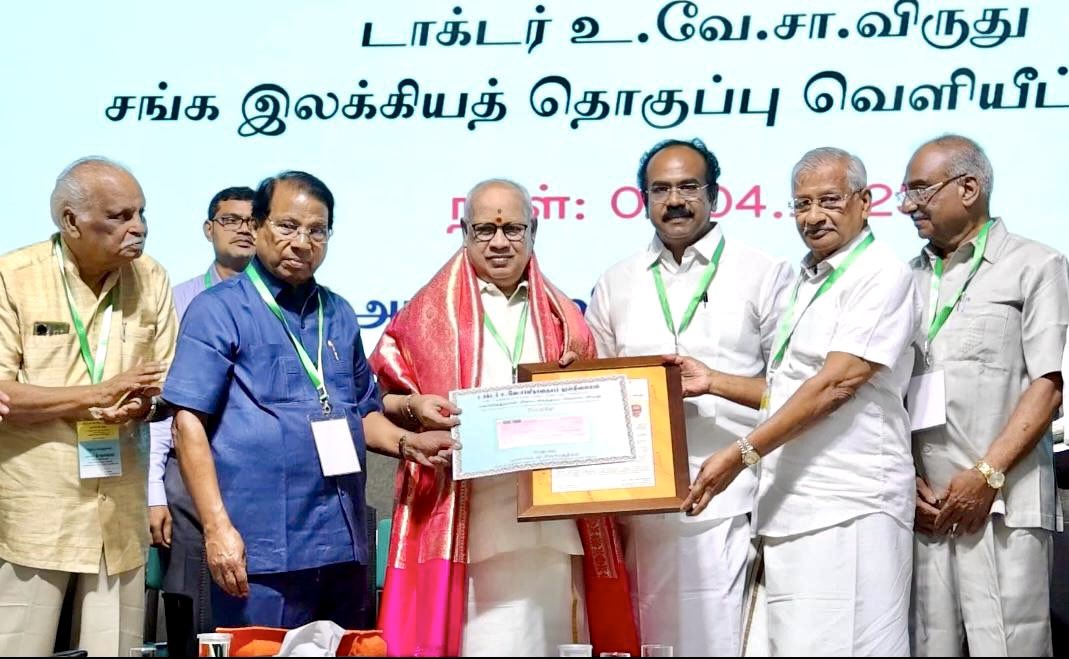
டாக்டர் உ.வே. சாமிநாதையர் நூல்நிலையம் சார்பில், சென்னை வி.ஐ.டி.பல்கலைக்கழகத்தில் நடைபெற்ற முப்பெரும் விழாவில் கலந்து கொண்டு தமிழ்த்தாத்தா அவர்கள் பதிப்பித்த சங்க இலக்கியத் தொகுப்பினை வெளியிட்டுச் சிறப்புரையாற்றினேன்.
வி.ஐ.டி.பல்கலைக்கழகத்தின் வேந்தரும், டாக்டர் உ.வே. சாமிநாதையர் நூல்நிலையத்தின் தலைவருமான கோ. விஸ்வநாதன் அவர்கள் தலைமை தாங்கிய இந்நிகழ்வில், நூலின் முதற்பதிப்பை தினமலர் இணை ஆசிரியர் கிருஷ்ணமூர்த்தி ராமசுப்பு பெற்றுக்கொண்டார். நீதியரசர் திரு.ஜெகதீசன் அவர்கள் விருதுகளை வழங்கிச் சிறப்பித்தார்.
இவ்விழாவில் மகாவித்துவான் மீனாட்சிசுந்தரம் பிள்ளை விருது, டாக்டர் உ.வே.சா விருது பெற்ற விருதாளர்களுக்கு எனது வாழ்த்துகளைத் தெரிவித்துக் கொண்டேன்.
@VIT_univ@velloregv
MuJoCo is an open-source physics simulator used for robotics, embodied intelligence, and biomechanics research. Stop by the #KHIPU2025 Google booth at 15:30 today for an AMA with Tom Erez, who's been working on MuJoCo since 2011.
“With more data we will be able to find a needle in a haystack,” Karolos Potamianos @CERN tells “Babbage” why he’s excited about the upgraded Large Hadron Collider https://t.co/6sVnhIueZ1
A new #AI education initiative in the State of Utah, developed with NVIDIA, is set to advance the state’s commitment to workforce training and economic growth. https://t.co/2PaXdQ2g26
Transformer by Hand✍️
To study the transformer architecture, it is like opening up the hood of a car and seeing all sorts of engine parts: embeddings, positional encoding, feed-forward network, attention weighting, self-attention, cross-attention, multi-head attention, layer norm, skip connections, softmax, linear, Nx, shifted right, query, key, value, masking. This list of jargons feels overwhelming!
What are the key parts that really make the transformer (🚗) run?
In my opinion, the 🔑 key is the combination of: [attention weighting] and [feed-forward network].
All the other parts are enhancements to make the transformer (🚗) run faster and longer, which is still important because those enhancements are what lead us to "large" language models. 🚗 -> 🚚
Walkthrough
[1] Given
↳ Input features from the previous block (5 positions)
[2] Attention
↳ Feed all 5 features to a query-key attention module (QK) to obtain an attention weight matrix (A). I will skip the details of this module. In a follow-up post I will unpack this module.
[3] Attention Weighting
↳ Multiply the input features with the attention weight matrix to obtain attention weighted features (Z). Note that there are still 5 positions.
↳ The effect is to combine features across positions (horizontally), in this case, X1 := X1 + X2, X2 := X2 + X3....etc.
[4] FFN: First Layer
↳ Feed all 5 attention weighted features into the first layer.
↳ Multiply these features with the weights and biases.
↳ The effect is to combine features across feature dimensions (vertically).
↳ The dimensionality of each feature is increased from 3 to 4.
↳ Note that each position is processed by the same weight matrix. This is what the term "position-wise" is referring to.
↳ Note that the FFN is essentially a multi layer perceptron.
[5] ReLU
↳ Negative values are set to zeros by ReLU.
[6] FFN: Second Layer
↳ Feed all 5 features (d=3) into the second layer.
↳ The dimensionality of each feature is decreased from 4 back to 3.
↳ The output is fed to the next block to repeat this process.
↳ Note that the next block would have a completely separate set of parameters.
Together, the two key parts: attention and FFN, transform features both across positions and across feature dimensions. This is what makes the transformer (🚗) run!
Our video generation model Veo gives more control over the camera. 📹
You can prompt for:
🔘 Extreme close up
🔘 Slow-motion crane shots
🔘 Timelapses
And more. 🧵
✍️ Prompt: “Timelapse of the northern lights dancing across the Arctic sky, stars twinkling, snow-covered landscape.”
#Missing 25-yr-old Om Arvind last seen @ 11 am on 5/7 leaving the 7200 block of Centreville Rd in Manassas. He is 5’5”, 120lbs, blk hair, bro eyes, blue shirt, tan shorts, blk shoes & glasses. Endangered due to mental &/or physical health concerns. Call 703-691-2131.
#FCPD
Introducing #VideoFX, a new video generation tool powered by #Veo, Google's most capable text-to-video model.
We’re excited to add this to our suite of generative AI tools at Labs, and to help bring your most creative ideas to life.
Read about it -> https://t.co/O3cPIfoxYp