An AI model trained from routine electronic health record data of 3.7 million individuals predicted cancer 1 year before clinical onset, no less promoted accuracy in detection, staging, treatment response, and prognosis
https://t.co/ORrpJ2vIcR
Finally !! a CAR-T that works on solid tumors.
Nature paper… 32 out of 36 patients had regression of advanced #cancer.
Target rglypican and tgf beta.
@IntegrativeCCA $IBRX #anktiva will enhance
https://t.co/Z9oPHIc37p
Researchers in Science report the development of a general-purpose biomedical AI agent that can help automate biomedical research workflows.
The authors say their results point “toward a future in which AI agents work alongside human researchers to accelerate biomedical discovery from basic research to translation.”
Learn more: https://t.co/74K6dI5iNt
What’s powering the next generation of IO? Join the Panel Discussion: Next Wave IO Platforms at the 2026 SITC EU Immuno-Oncology Drug Development Summit and hear how emerging platforms are reshaping drug discovery and development. Register today: https://t.co/343COm3HUM
Immune cell engagers are transforming cancer treatment. Join Anna Farago, MD, PhD, to learn how these therapies are advancing and what they could mean for patients and drug developers. Sept. 3–4 in Lausanne, Switzerland. https://t.co/343COm3HUM
Human genetics has long supported the principle that the earlier, longer, and deeper we reduce LDL-C, the more atherosclerosis we can prevent.
Now, Lilly/Verve report phase 1 results of a PCSK9 gene-editing therapy offering substantial long-term LDL lowering with a single infusion.
Wow! Marked reduction of LDL cholesterol with one shot PCSK9 gene base editing 👉🏼In Vivo Base Editing of PCSK9 with VERVE-102 for Hypercholesterolemia | New England Journal of Medicine @NEJM@skathire 👏🏼👏🏼👏🏼
https://t.co/IyEudrD8wV
The ramp up of cancer immunotherapy is remarkable. Now we're seeing vaccines achieve some cures or remissions in the most refractory cancers: pancreatic, melanoma, glioblastoma, renal, triple-negative breast cancer.
✓ out the new Ground Truths (link in profile)
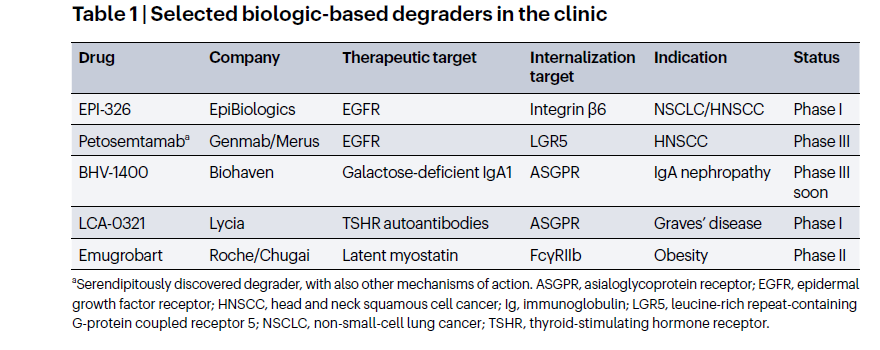
Antibody-based extracellular targeted protein degraders that destroy disease-linked proteins in cancer and autoimmunity are advancing in the clinic. Find out more in this news story in our May issue https://t.co/aOTx11x35y
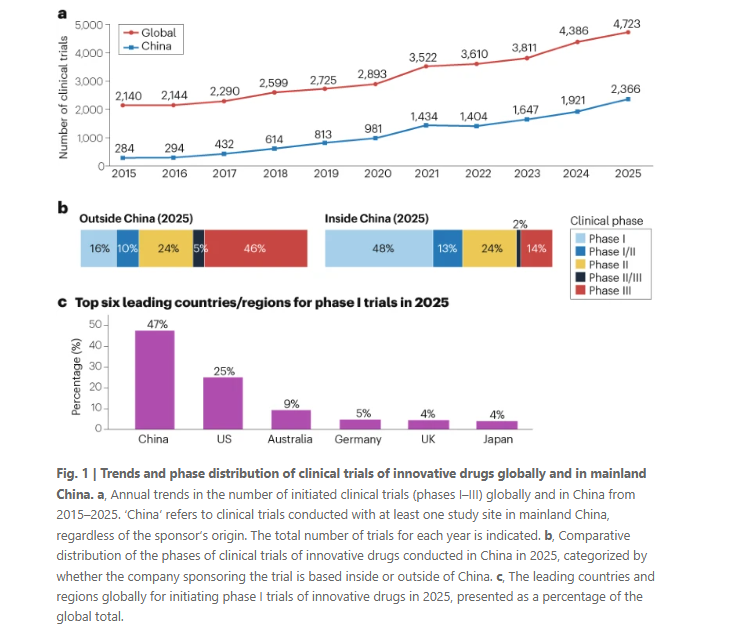
Trends in the landscape of clinical trials of innovative drugs in China since 2015
https://t.co/vbD7IbPBfa
This analysis highlights how China has become a high-volume destination for clinical trials in the past decade, driven by regulatory modernization and capital investment
The manufacturing step for CAR T has always been ripe for innovation.
Here, Gattinoni and Kochenderfer groups show that pharmacologic enrichment of memory-like Tscm cells boosts CD19 CAR T expansion and durable persistence in patients, even at low doses!
https://t.co/Buxs49cJic
The landscape for therapeutic cancer vaccines
https://t.co/EK4oljSHbx
This new article analyses the pipeline of clinical-stage therapeutic cancer vaccines, including the technology platforms, antigen selection and personalization approaches
Immune cells continually detect, engulf, and destroy invasive microbes and cancer cells.
This process, called phagocytosis, is carried out by macrophages that must distinguish between proengulfment signals and inhibitory (“don’t-eat-me”) warnings. Cluster of differentiation 47 (CD47), a cell-surface receptor, is the archetypal don’t-eat-me signal. Many cancers upregulate CD47 expression to escape phagocytosis, and CD47 blockade promotes phagocytosis of cancer cells in mice.
However, CD47 blockers have not shown clinical benefits in patients with acute myeloid leukemia (AML), an aggressive cancer of blood immune cells. This discrepancy has raised the possibility that the molecular programs that inhibit phagocytosis differ between mice and humans.
In a new Science study, researchers report that the mechanisms that control macrophage function in human and mouse cells are indeed different. They also identify cluster of differentiation 43 (CD43) as a potential target for human AML treatment.
Learn more in a new #SciencePerspective: https://t.co/3wfJd4CFgC
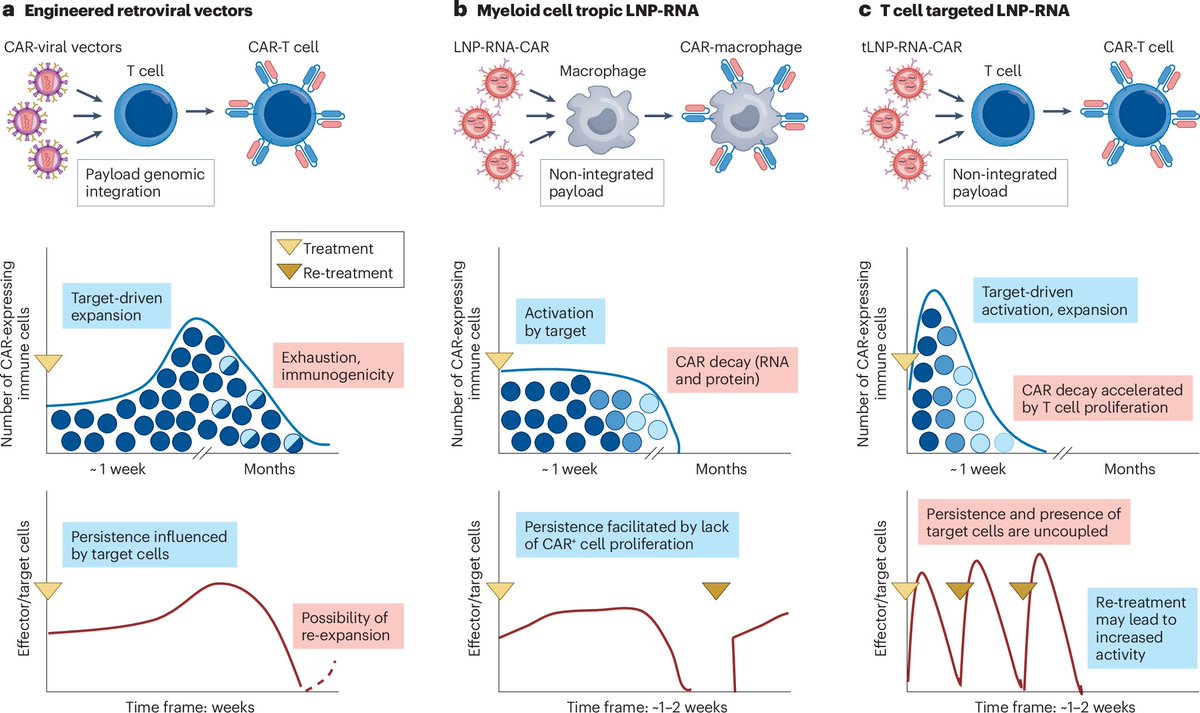
For readers interested in the potential of in vivo CAR T therapies for cancer and autoimmune diseases, here's a comprehensive review
https://t.co/lBXbFGb0c2
https://t.co/VZojof75jl