June 2 is #HeatActionDay! Join us and #BeatTheHeat as we come together to raise awareness, build resilience, and protect our communities from the impacts of #extremeheat.
More info here:
https://t.co/LVURuAtrED
The @IFRC Communities of Practice (CoPs) bring together Red Cross and Red Crescent practitioners to exchange ideas, share knowledge, and grow together.
Through peer and expert guidance, collaborative opportunities, and inspiring success stories, the CoPs foster innovation and drive impactful solutions.
#CBFforLocalAction
1. Consideration of all dimensions of risk, including the dynamic and rapidly evolving Asia-Pacific riskscape at 1.5 to 2.0 degree warming scenarios and its implications for disease outbreaks, for its cross-sectoral assessment and management.
Asia-Pacific is the world’s most disaster-prone region, and cascading and compounding risks make disasters like floods, earthquakes and droughts more destructive.
Here are 6️⃣ ways to better manage cascading and compounding risks 👇 @UNESCAP
https://t.co/LBqZJY1Diy
3. Configuring and putting in place an integrated multi-hazard early warning systems to capture the compouding and cascading risks, capitalize on Early Warning for All by 2027 initiative.
Rapid and unplanned urbanization increases both the risk of exposure to climate disasters and the impacts of climate change, especially among the most vulnerable women, men and children.
But what is urban resilience?
Find out ➡️ https://t.co/6q7YVB2sEc
@RCitiesNetwork
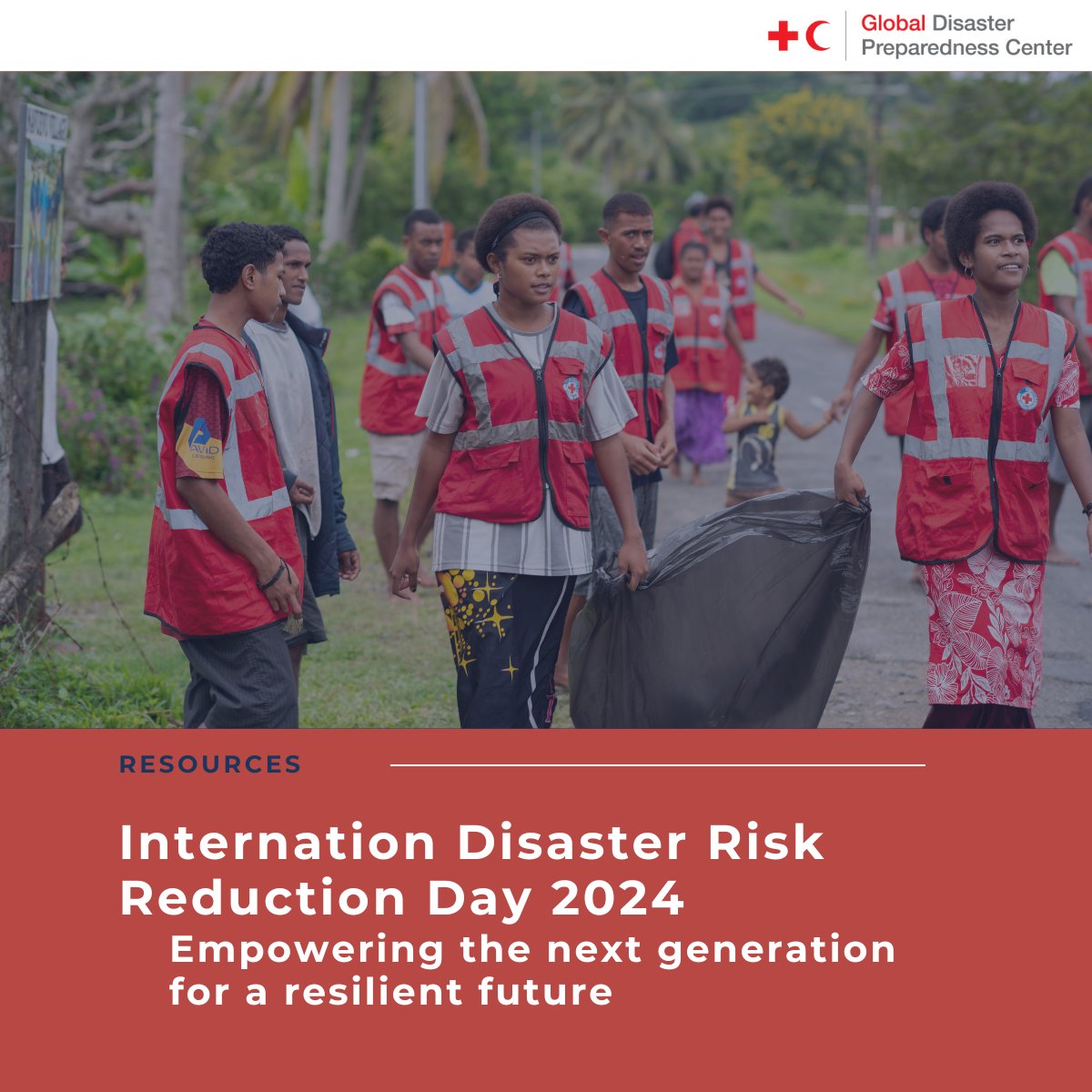
October 13th marks International Disaster Risk Reduction Day. This year focuses on the role of education in protecting and empowering children for a disaster-free future. Check out the Teen Prep Kit at https://t.co/mI34ivo37D for more activities and resources!
When cities are bombed.
When cities are shelled.
When cities are hit by airstrikes, rockets or artillery fire.
It’s the civilians who suffer.
When wars are fought in cities, an estimated 90% of casualties are civilians.
Heavy explosive weapons shouldn't be used in cities.
📢Launch of New Report
"China Resilient Cities Report" details strategies for building climate-resilient cities in China through the implementation of the 'Making Cities Resilient 2030' with @ICLEIEAS ,@UNDRR and other actors.
🔗https://t.co/j1KBYnO4Ap
🖐️STOP! The words you use matter!
It's time to stop talking about "natural disasters".
Disasters are caused by human actions and neglect – there is nothing natural about that.
➡️ https://t.co/OQhnKwWDt5 #NoNaturalDisasters
📢 Funding Alert! The GDPC is offering #research grants focused on climate resilience in #UrbanAreas.
Researchers from low- and middle-income countries can get up to $10,000 for their projects. Learn more and apply: https://t.co/1AYwmaJZKv…
@ifrc@UNHABITAT@ICLEI
The growing climate crisis demands urgent, widespread, and sustainable action.
As climate hazards become more frequent, intense, and unpredictable, vulnerable communities are at heightened risk.
The IFRC and Zurich Climate Resilience Alliance @ZCRAlliance are taking bold steps to address these humanitarian impacts, deepening a decade-long partnership to strengthen climate resilience on a global scale.
We are very excited to announce the launch of the Zurich Climate Resilience Alliance!
Take a look at our new website to find out who we are, what we do, where we work, why we have evolved from flood resilience to climate resilience, and more: https://t.co/XFL42qmKnk
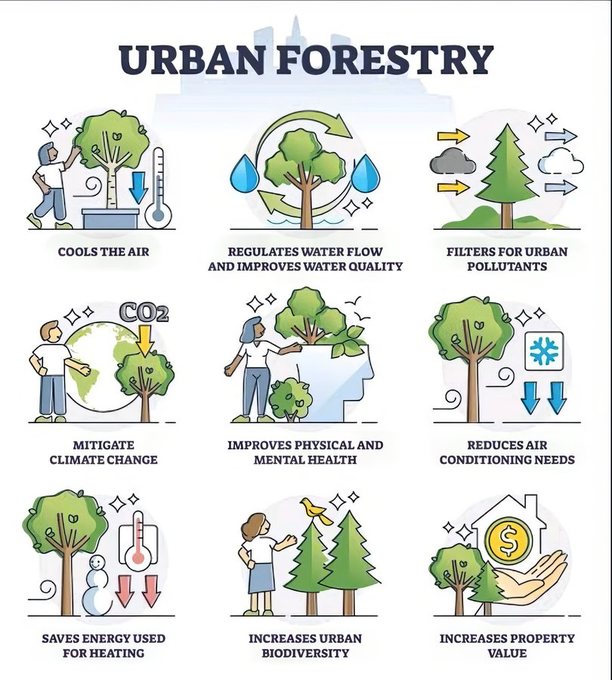
🏙 Urban #forestry is our unsung hero, turning grey to green, slashing stress, cleaning air and water AND fighting off urban heat like an eco-shield.
Via @UNHABITAT
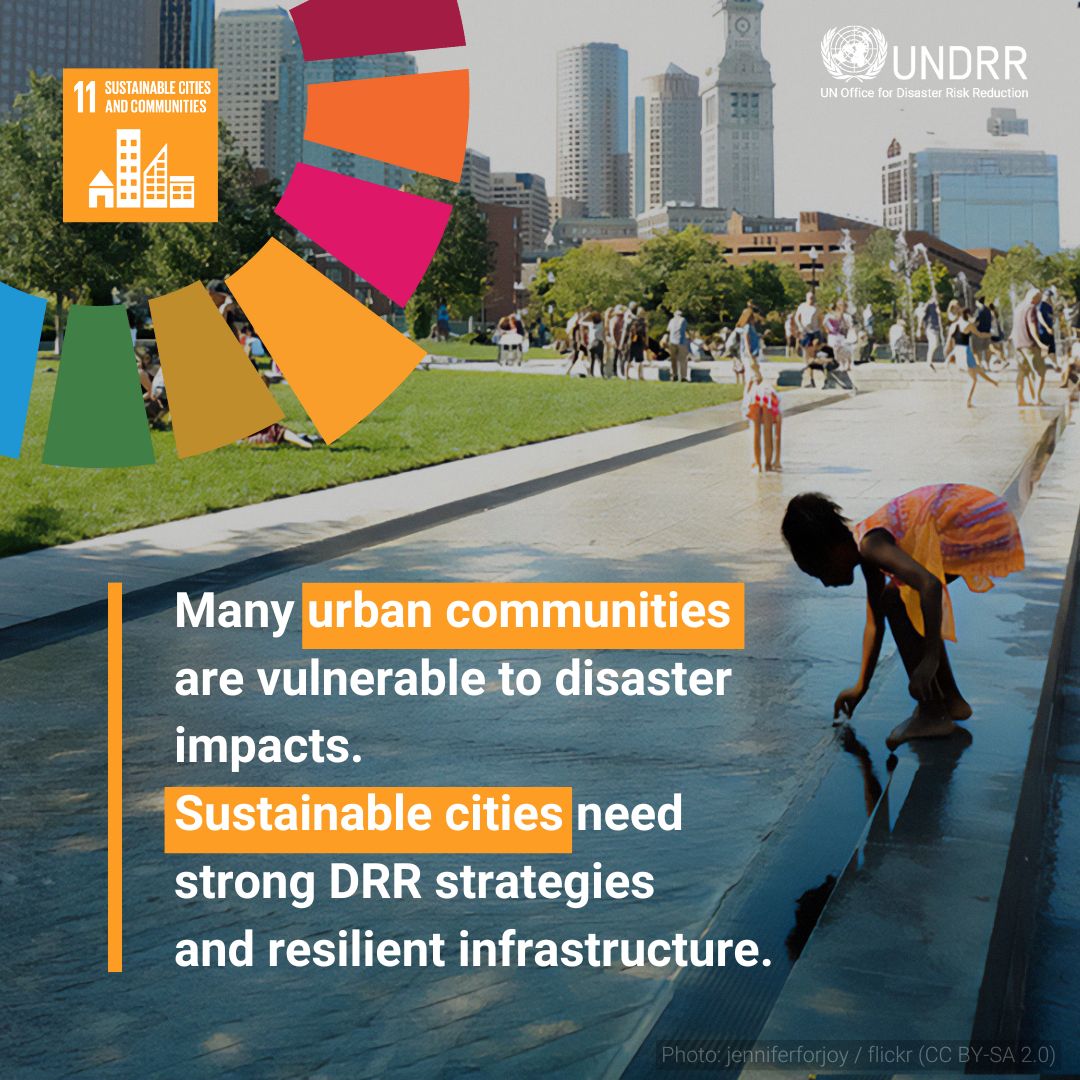
🏙️🛡️Sustainable cities are disaster-resilient cities.
#SDG11 means reducing disaster risks – as supported in Making Cities Resilient 2030.
#DRR is essential for sustainable development and achieving the SDGs ➡️ https://t.co/EX3rpItS0N #MCR2030
🚰 Water insecurity is a rising threat in cities worldwide, but we don’t have to choose between water security and nature.
🌍Sustainable water management can integrate natural infrastructure into urban planning.
➡️ https://t.co/BjRzjvXKK4 #NatureBasedSolutions
Today, we mark #WorldHumanitarianDay.
We salute those around the world who #ActForHumanity even as they themselves are impacted by humanitarian crises. 🫡🫡
Managing risks before they turn into disasters is possible: it is a matter of investments, prevention, and inclusion. #ItsAllAboutGovernance
Read more about disaster risk reduction and disaster management: https://t.co/gaN3bUmIvb
70% of the global workforce [or 2.4 billion people] are now at high risk of extreme heat, resulting in 22.85 million injuries and 18,970 deaths annually among workers. In Asia Pacific, 75% of the workforce are affected by extreme heat.
Extreme heat is having an extreme impact on people and planet.
Today I launched a global call to #ClimateAction focused on:
🔸 Caring for the most vulnerable
🔸 Stepping up protections for workers
🔸 Boosting resilience
🔸 Limiting temperature rise and phasing out fossil fuels
MEDIA RELEASE: Searing temperatures sweep like fire across Asia Pacific, causing distress.
Millions of people including children, the elderly, outdoor labourers and individuals with low immunity and pre-existing conditions are at very high risk.
👉https://t.co/QEiAfdK7fA