Enthusiastic space rock passenger enjoying my window seat | Mappin' Mars' south pole for PhD @LASPatCU | Former monolith excavator at Clavius Base | he/him
Thanks to @BenFeist and https://t.co/CHIwBtyIXJ I was able to identify some approximate timestamps during a watch-along tonight. I wonder what my grandpa would have thought of that!
Some highlights from the polaroids my grandpa took 54 years ago tonight of the #Apollo11 telecast. In the full set you can see him try to fine-tune the exposure and framing to get it juuust right. He even wrote some quick notes on the back to mark the event 🧑🚀
CRISM helped set the path of my journey into planetary science and continues to shape how I look at Mars. Lights are off but we've got some exciting science yet to come!
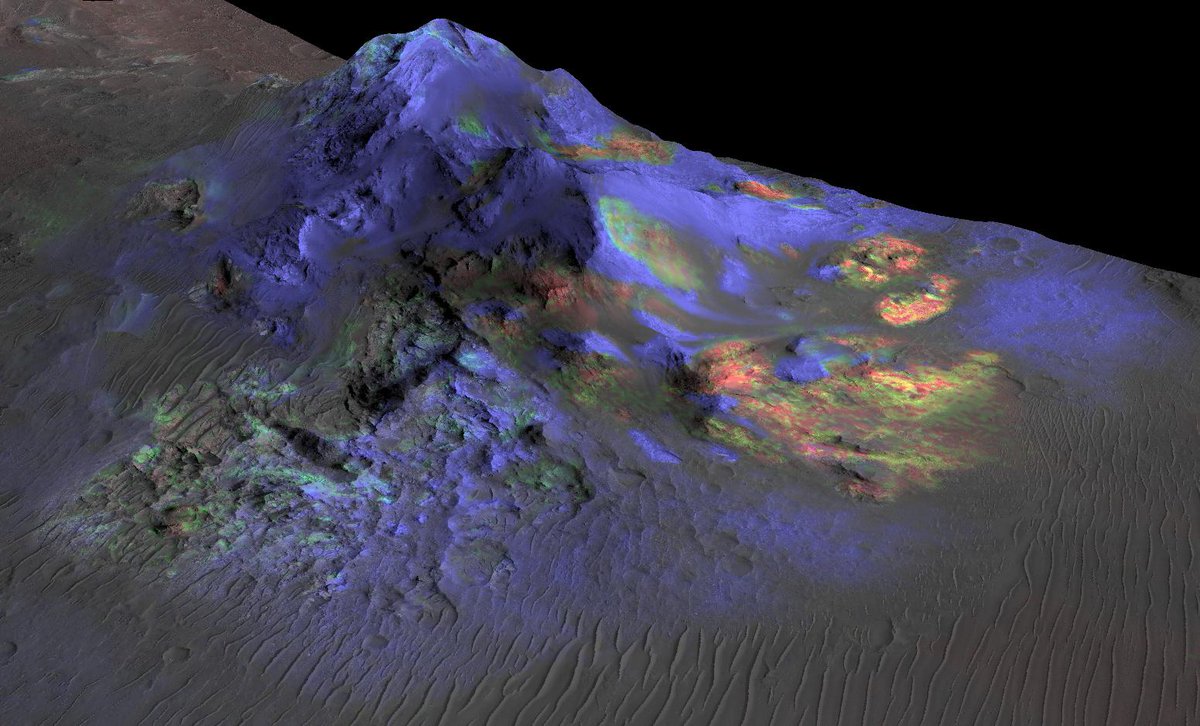
After 17 years of mapping minerals on Mars, @NASA has switched off CRISM, an instrument on the Mars Reconnaissance Orbiter that helped reveal how water shaped Mars billions of years ago. This step has been planned since last year. https://t.co/TgrnizkbYq
Remember to come by my #LPSC2023 poster tonight for some fresh science, and yes, some honest to goodness cinnamon rolls*
*While supplies last. Cinnamars Inc. is not responsible for ensuing arguments about subglacial lakes on Mars.
Mmmmm...forbidden cinnamon roll 🤤
Come to my #LPSC2023 poster tomorrow to learn how we're using tasty thermal property variations like this to define units for a new geologic map of Mars' south pole!
Mmmmm...forbidden cinnamon roll 🤤
Come to my #LPSC2023 poster tomorrow to learn how we're using tasty thermal property variations like this to define units for a new geologic map of Mars' south pole!
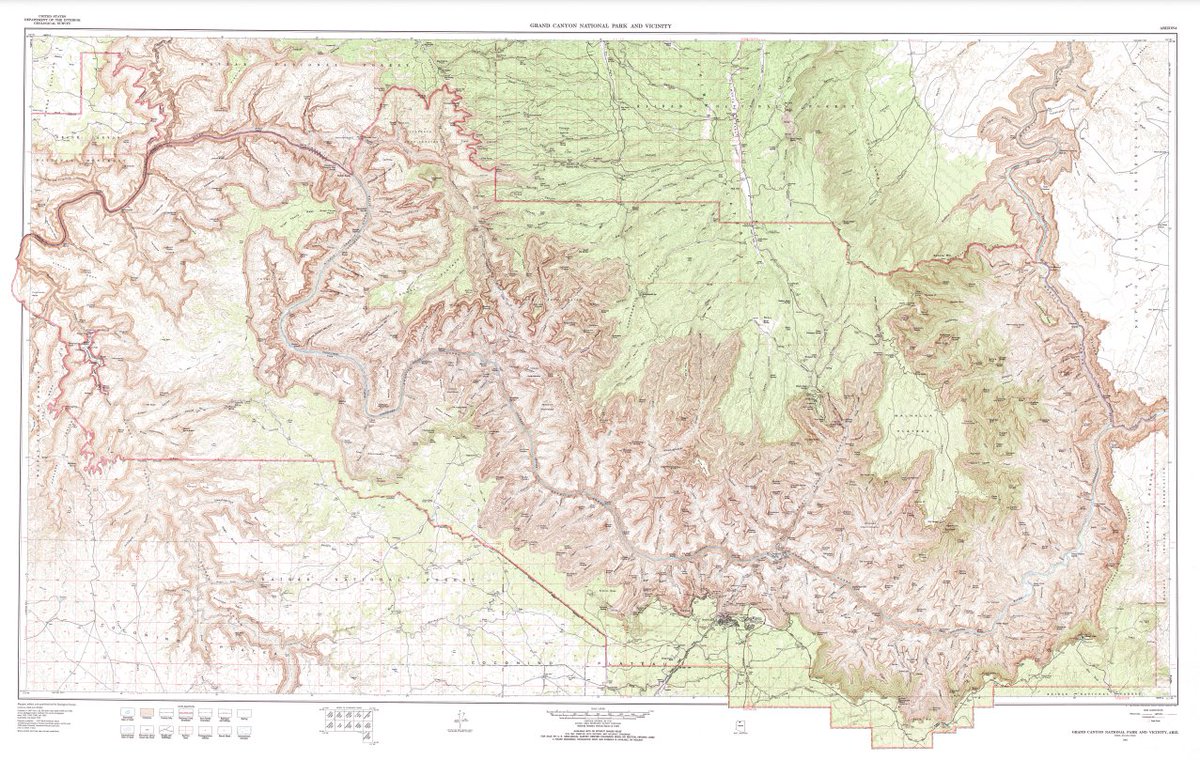
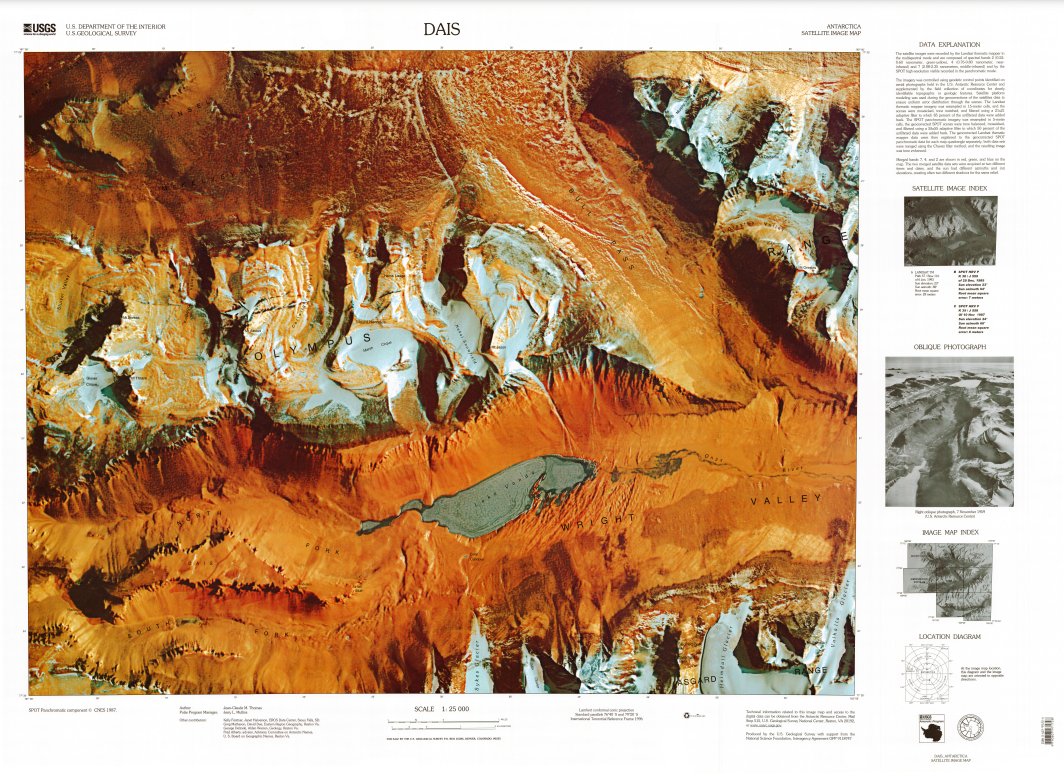
New Year, New USGS Store, New #FreeMapMonday!
It's #FreeMapMonday! Re-tweet and follow us for a chance to win the classic map of the Grand Canyon! Don't forget to check out the new and improved USGS Store at https://t.co/5FEYEKj9wh!
#USGSStore (U.S. residents only)
The Globus INK (1967) is a remarkable piece of Soviet spacecraft equipment. Its rotating globe showed cosmonauts the position of their Soyuz spacecraft. An electromechanical analog computer, it used gears, cams, and differentials to compute the position. Let's look inside 🧵
Tired: writing an @LPSCHaiku that makes people go "wow, what a succinct and artful summary of your work!"
Wired: writing one that makes them go "wait, what is this even about??"
Wisps both dim and fair
Paint strokes on frigid land and
Regale tricky tales
#LPSC2023 Abs. 2452
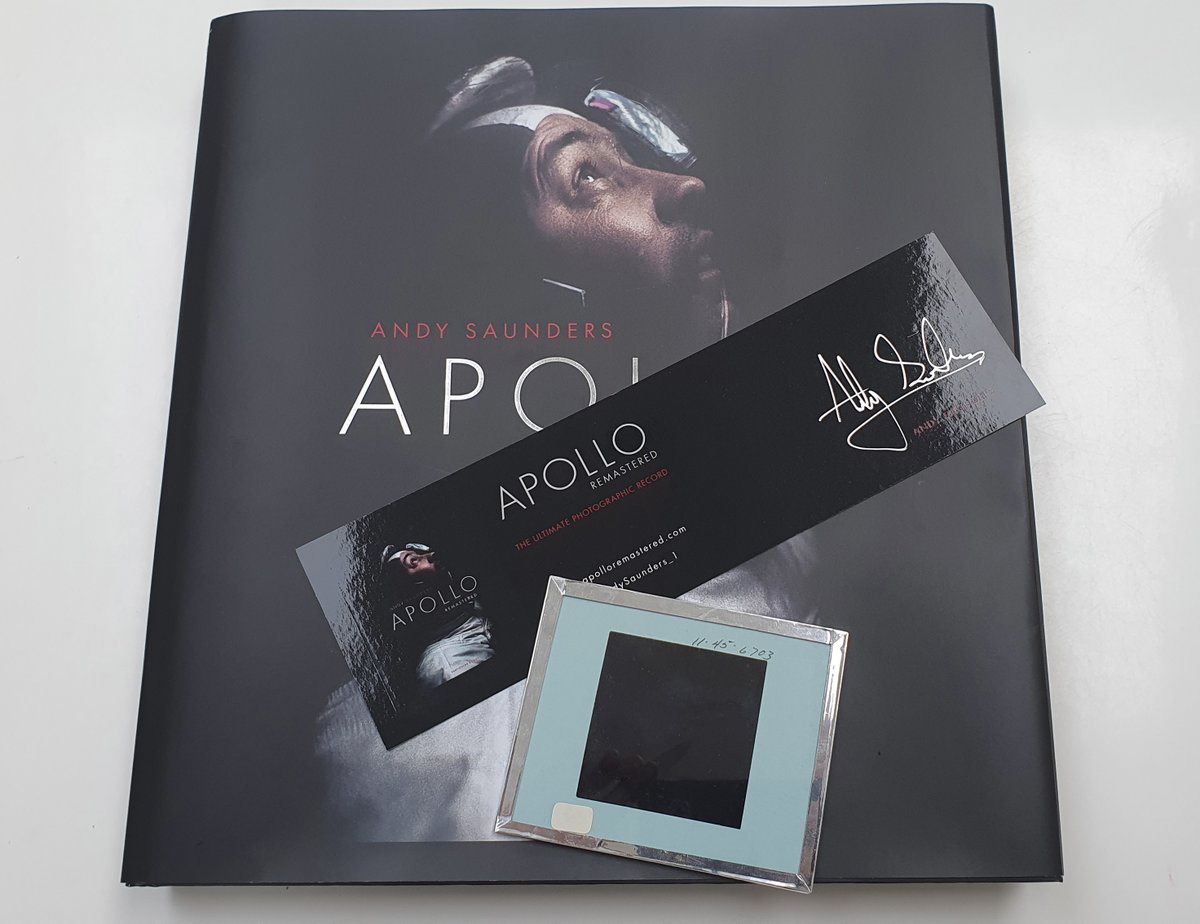
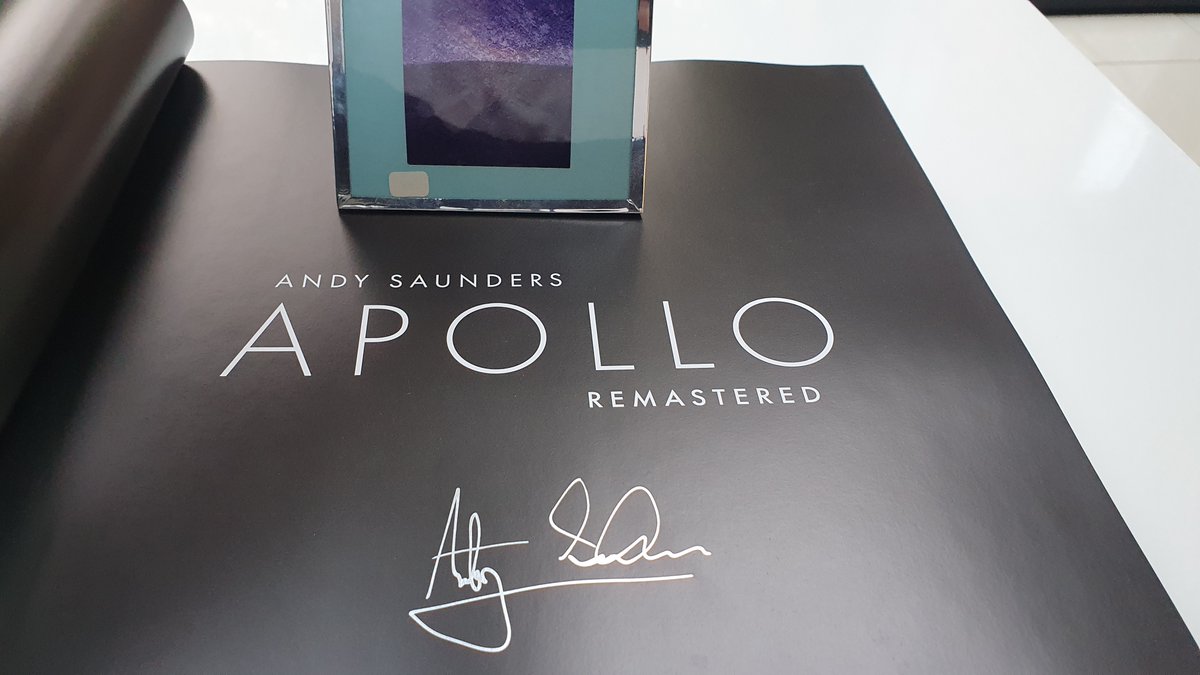
US Launch #ApolloRemastered
***WIN A BOOK & A PIECE OF HISTORY*** #Sweepstakes
Signed copy & Apollo 11 glass slide used by NASA's Chief of Photography.
Follow, Like & Retweet to be in the draw (by 10:00 ET Sat 29th)
US/CAN https://t.co/Nw5itB9pQj
UK https://t.co/dvnifDoSu6
It's out! My first first-author paper in planetary science and the first to come out of my MSc thesis is here! Check out what CRISM can tell us about the wild world of Mars' south pole in thrilling Open Access and 12 eye-popping figures:
https://t.co/KgDdL6DxNG
It's #FreeMapMonday! Re-tweet and follow us for a chance to win the map of the Lunar Polar Regions! #FreeMapMonday will space themed for the next few weeks!
#USGSStore (U.S. residents only)
Beyond thrilled to share that I’ll be headed to @CUBoulder this fall to start my PhD! Not only will I get to work amongst the incredible scientists @LASPatCU, I’ll be fulfilling a lifelong dream by helping produce an official @USGS_AstroGeo planetary geologic map 🪐🗺
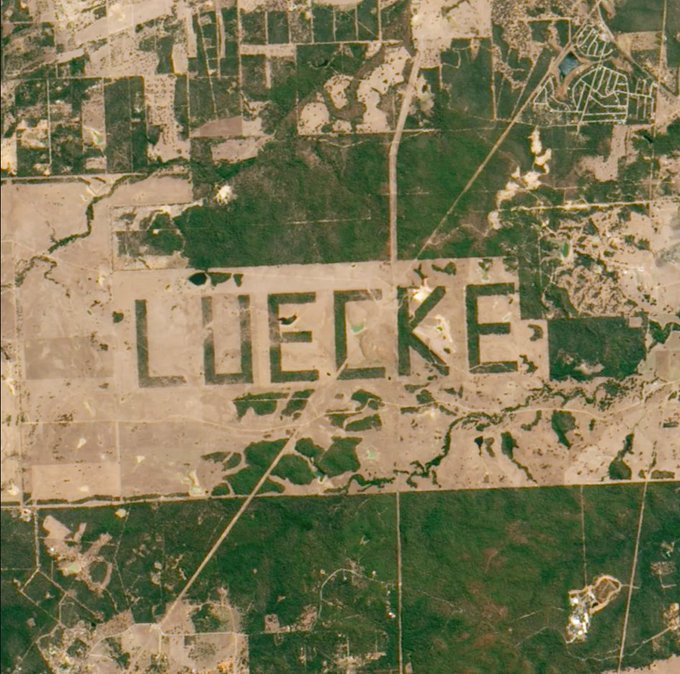
In the 1990s, a Texas farmer cleared several miles of brush on his land to spell out his last name in letters so large that they are visible in satellite photos. Then, NASA used the large linear letters to calibrate satellite cameras aboard space shuttles https://t.co/bk5t7fxIcH