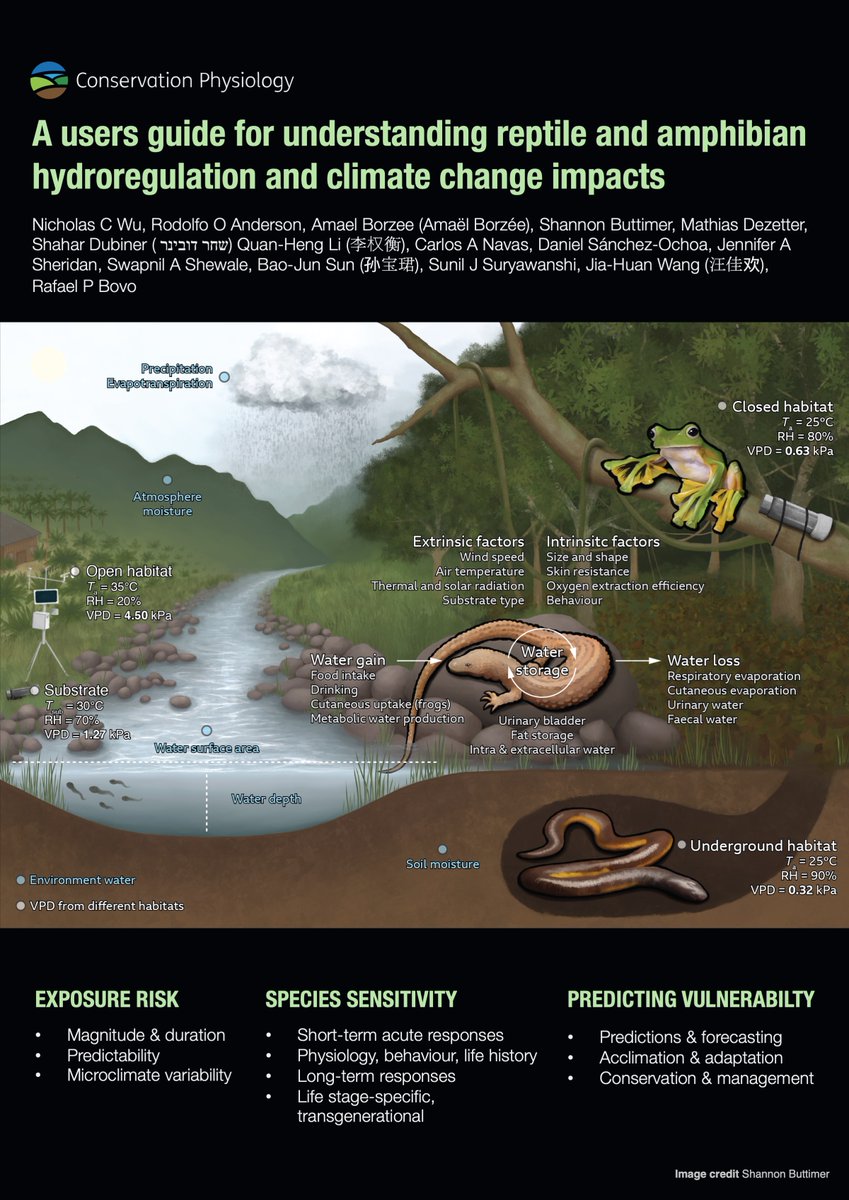
Developed from the #WCH10 symposium, we provide a guide for researchers & managers on current advances for assessing the vulnerability of reptiles 🐍 & amphibians 🐸 to water stress | https://t.co/aMNuIxtGRa | Published in
@conphysjournal
🐸💧 New from @Becker_Lab@PennState: Drought reshapes amphibian behavior, skin microbiomes, & disease risk.
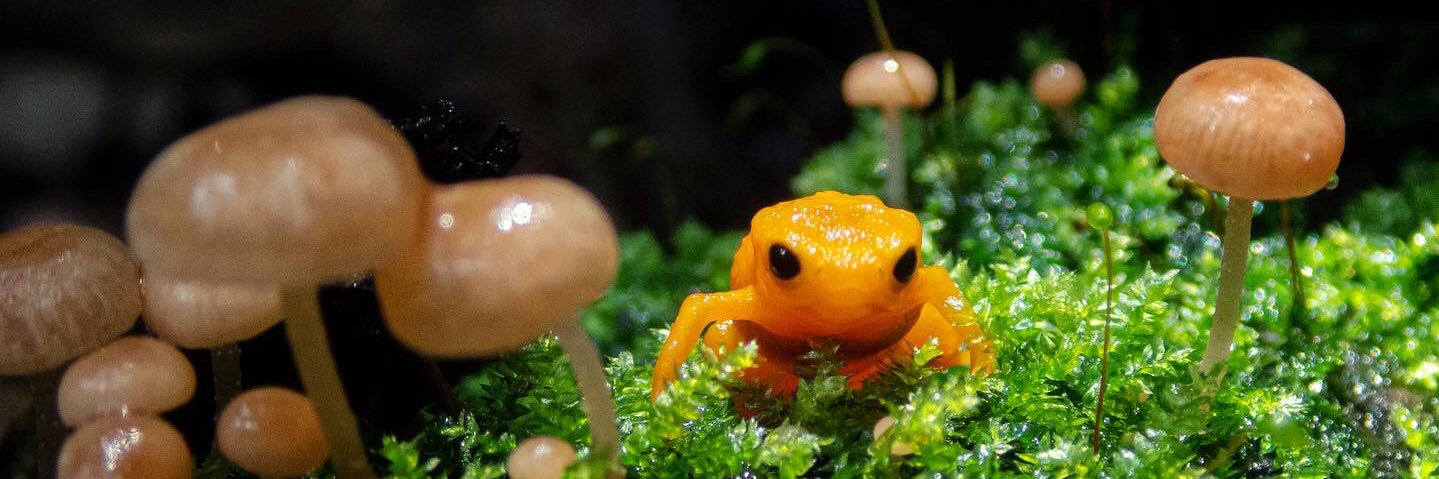
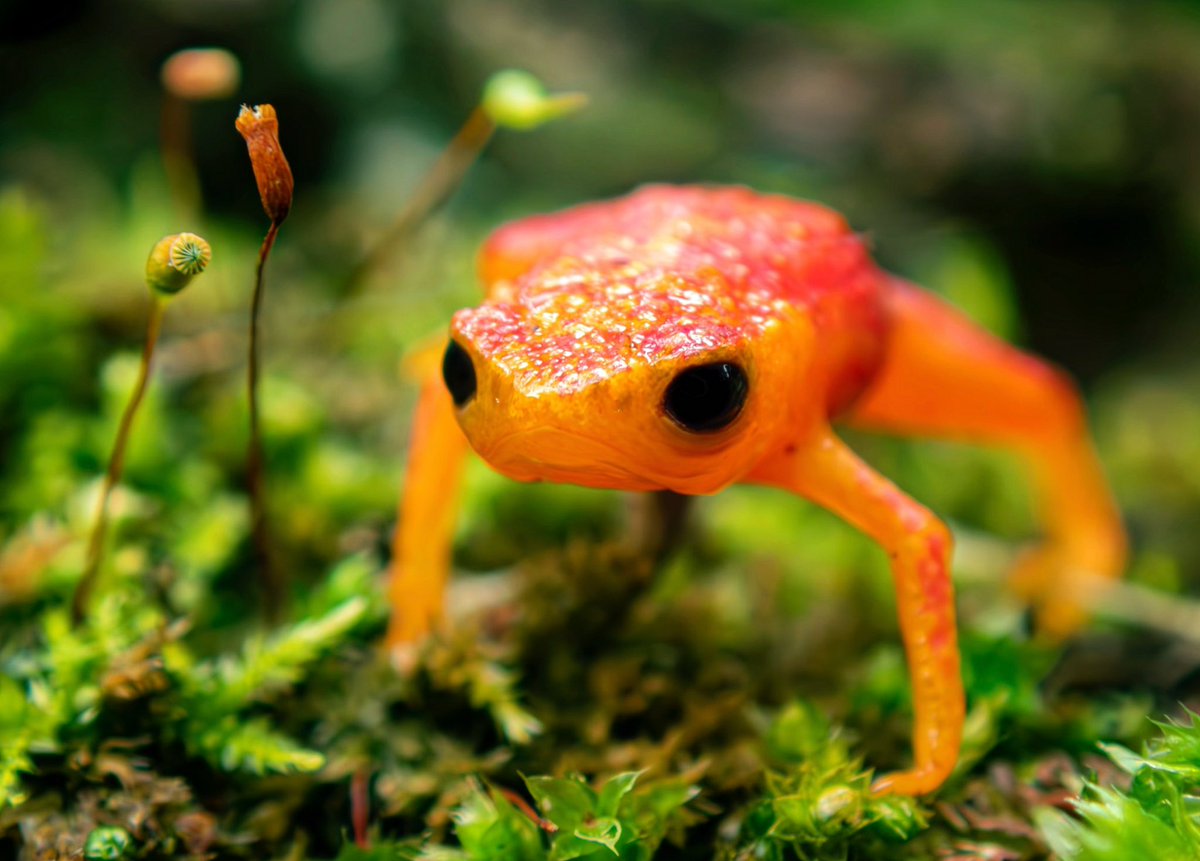
In pumpkin toadlets, less rain = lower fungal loads but disrupted microbiomes & more time in wet spots.
Full paper 👉 https://t.co/laUkaIyAm0
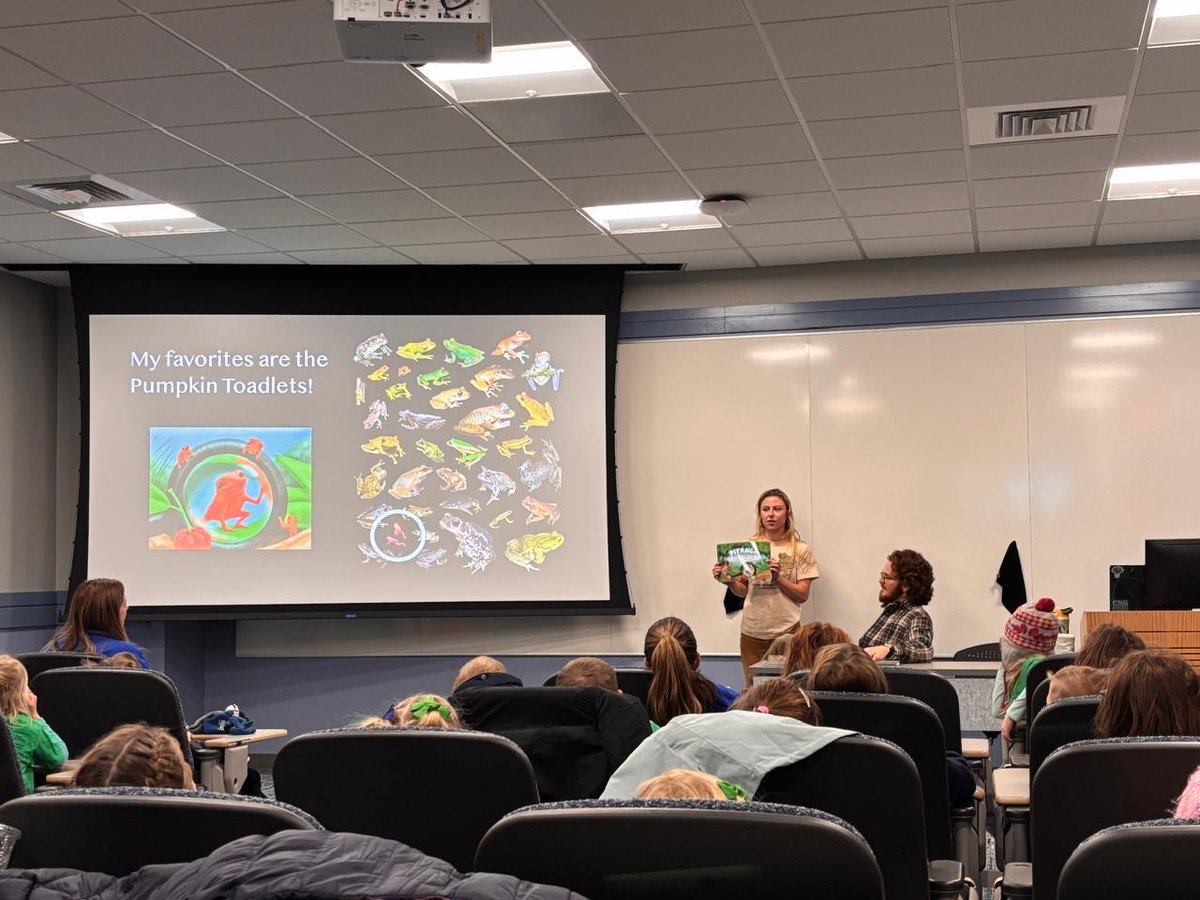
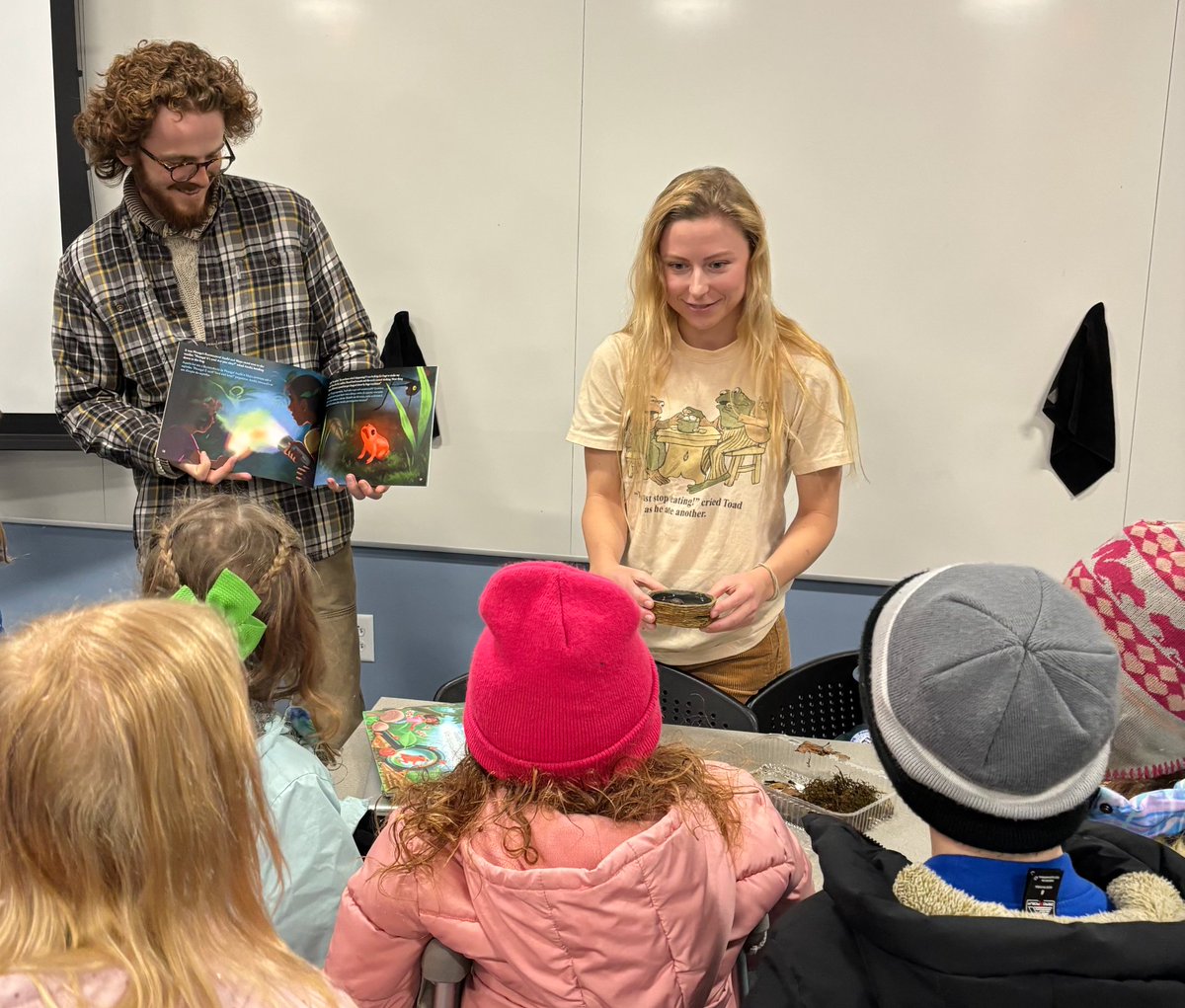
I had the opportunity to share the joy of amphibians with some K-2nd graders after Penn State's Frog and Toad play last week. Jack and I showed off our lab's new children's book about pumpkin toadlets and I talked about some of our research. I even brought my pet frog along!
It was an honor to be the TA for this class! I had so much fun teaching the students how to run experiments in the field and talking their ears off about Costa Rica’s herps. Thank you to CR profs José M Mora, Jenny Stynoski, and Eduardo Carrillo for their company & mentorship 🇨🇷
This year’s Tropical Field Ecology course was a blast! Students explored Costa Rica, gaining hands-on experience in tropical research. A special thanks to Dr. Jim Marden for 30 incredible years of teaching—what a legacy to celebrate in his final course! 🌿🐬🦜🦋🐸
Our @RIBBiTR_BII children's book about Pitanga, the pumpkin toadlet, is out! 🐸 Follow his adventures as he faces challenges after losing his home.🍃 Download it for free here: https://t.co/n1KHwRcO38 #Conservation#KidsBooks
I just tested positive for COVID. I wish, as scientists (esp. DISEASE ecologists), more people would be masking at an international conference where people who have just traveled for days are in a big room together. #WCH10@WCHerp