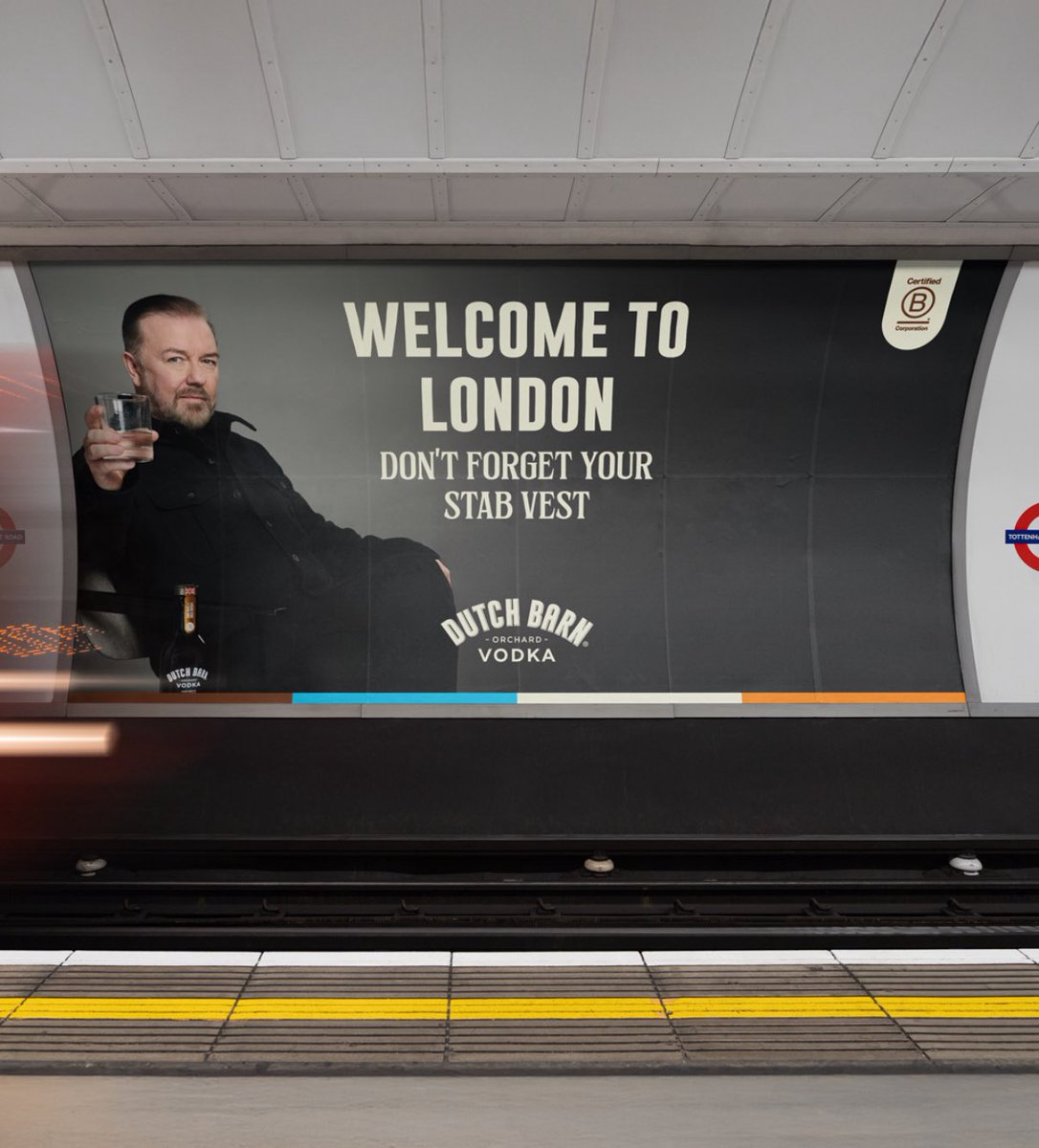
I strode around Glasgow like I owned the place until one day I didn’t. My @scotonsunday column on grim times in the city of my birth: https://t.co/S4BGFQ3qfv
A pantomine horse isn’t a horse.
An open secret isn’t a secret.
A hot dog isn’t a dog.
A shrinking violet isn’t a violet.
Crow’s feet aren’t feet.
Fair game’s not a game.
Trans women aren’t women.
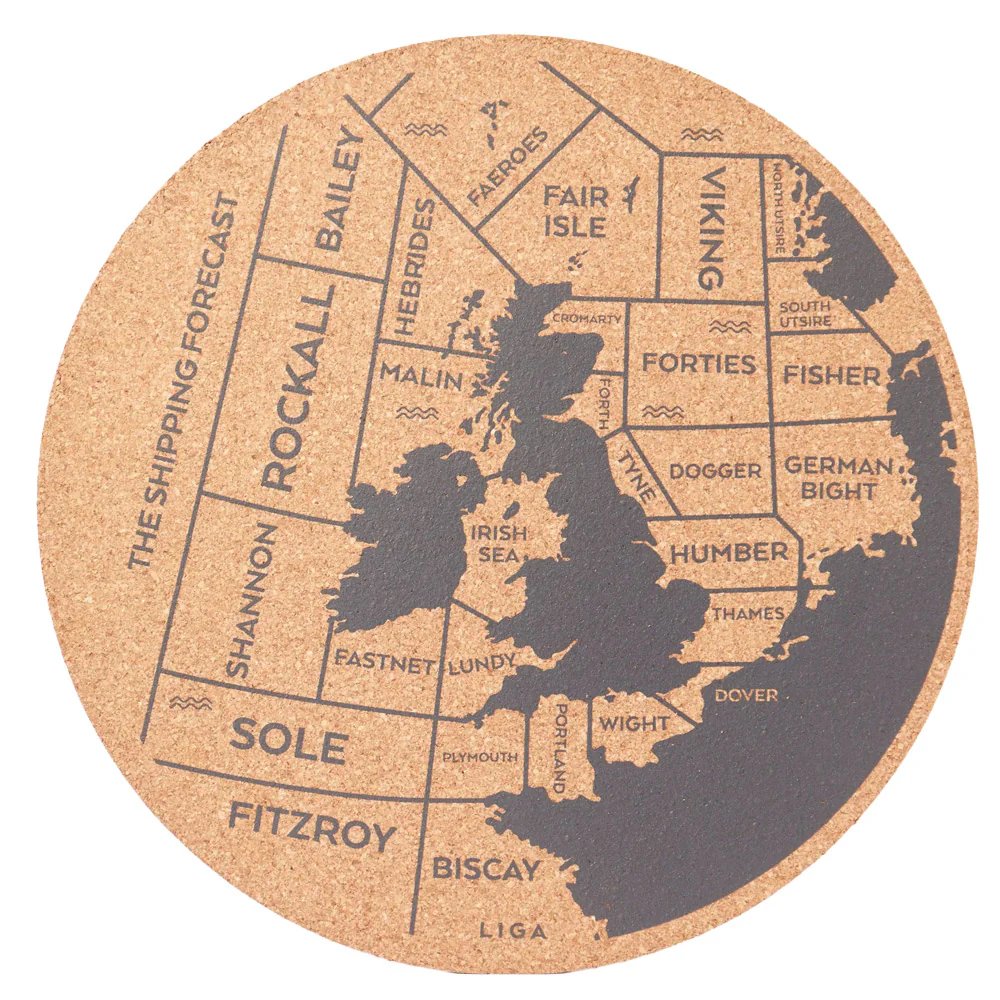
On Saturday, after nearly a century, the long-wave transmitter at Droitwich fell silent, and the two old masts at Westerglen and Burghead with it. Most people won't have noticed. But something left the country on Saturday worth marking before it slips out of memory as well as off the air: the Shipping Forecast, in the form millions have grown up with, one of the primi among British institutions, read out on long wave to the fishing fleets and the insomniacs and anyone else still awake at the rim of the day.
If you've ever heard it, you know the odd power of the thing. "Viking, North Utsire, South Utsire, Forties, Cromarty" - a litany of sea areas most listeners will never lay eyes on, in a cadence that hasn't altered in generations, read with the calm of a voice that assumes you are out there somewhere in the dark and means to see you home. It carried far more than the weather. It was among the last things the whole of Britain still heard at the same hour: the same words, the same rhythm, meaning the same thing to a trawlerman off Rockall and a sleepless accountant in Surrey. A aesthetic paradigm of our culture; supreme utility and sublime superfluity. A country that now shares almost nothing in common still shared that.
And there's a stranger fact again, one that lifts the whole business clear of nostalgia. By long-standing account, the Royal Navy's nuclear-missile submarines, hidden somewhere beneath the Atlantic with the nation's last deterrent aboard, used Radio 4 on long wave as one of their signs of life from home. If the broadcasts kept coming, Britain was still there. If they ever stopped, and stayed stopped, the commander was to open the sealed letter the Prime Minister had written out by hand, and learn what his country wished of him in a world that no longer contained it. The same mild signal that told a fisherman the wind in Dogger was, by that account, a pulse the end of the world would have been measured against.
It is fitting, and bleak, that a broadcaster which has spent years forgetting who it was ever for should choose this, of all things, to switch off. The BBC never seems short of money for the things it wants to do. It decided the cost of the old signal was no longer worth bearing, and silenced the one transmission that asked nothing of anybody and reassured everybody. The fishermen, the old, the sleepless, the men under the sea - none of them were an audience it cared to keep.
The forecast itself survives in other forms, on other frequencies; this is not the end of it. But the signal that carried it for a hundred years, and the idea it quietly stood for - that a nation is a thing held together by small shared rituals, faithfully kept, that ask nothing and bind everyone - that has fallen silent, and it fell without a fight. We let these things go one at a time, each too small to defend on its own, until we glance up and find there is nothing left that we all still do together.
How many more will we let go?
How many more will you let go?
📕 With a shared passion for books and a deep commitment to children reading for pleasure, The Queen and author J.K. Rowling have met at the Palace of Holyroodhouse in Edinburgh.
Her Majesty and Ms Rowling discussed the importance of ensuring that young people have access to books and the vital part reading plays in opening doors for future generations.
The font from All Saints Church at Rothbury In Northumberland. The bowl is C17th in date, while the pedestal formed part of the Rothbury Cross and dates to around 800 AD. 📸 My own. #FontsOnFriday#Rothbury#Northumberland
Across Britain right now, farmers are shearing their sheep, bagging up the wool, and burning it. Some bury it. Some leave it to rot in a corner of the field. The wool-burning has made the odd headline as a protest, but the truth is duller and sadder. The fleece is worth less than the diesel it would take to haul it to the depot.
The numbers are grim. In recent years a kilo of British wool has fetched somewhere between twenty and sixty pence, and hill breeds like Swaledale and Welsh Mountain sank as low as ten. A whole fleece off a mountain ewe might bring thirty pence. Shearing that same ewe costs the farmer around two pounds. One Lincolnshire farmer added it up out loud: over three pounds to shear and cart a single fleece to the depot, and twenty-six pence back. So she burns them. A great many do.
Here is the part that stings. The shearing still has to happen, every year, whatever the wool will fetch. A sheep left in full fleece overheats, struggles to move, and gets eaten alive by maggots. So the job carries on purely as welfare, a cost the farmer simply eats to spare the animal, with the wool itself going on the fire straight after.
And think about what this fibre once was. For centuries wool was the engine of the English economy, the country's greatest export and the crown's main source of tax. It raised the soaring wool churches of the Cotswolds. It turned merchants into princes. To this day, whoever presides over the House of Lords sits on the Woolsack, a literal cushion of wool, put there in the fourteenth century so nobody would forget where the nation's wealth began.
Prices have lifted off the floor this past year, the first real relief in a long while. It still does not cover the shears for a hill farmer. The fibre that built England now smoulders in a heap behind the barn, and almost nobody notices the smoke.
This year the Home Office moved to stop expert sheep shearers from Australia and New Zealand coming to shear British sheep.
The people who keep the animals comfortable were declared surplus to requirements.
For over a decade, around 75 of the best shearers on earth have flown in each spring on a simple visa concession. In a few brutal weeks they take the wool off up to two million sheep.
A top shearer clears a ewe in two or three minutes. Hundreds a day. Calm hands, no panic in the animal. It is a global trade and a young body's game, and Britain has never grown enough of its own.
The official line? Fourteen years to train Britons, so the door is closing.
Here is what that tidy sentence ignores. A sheep must be shorn every year or she overheats, cannot move properly, and gets eaten alive by flies and maggots. Shearing on time is welfare, plain and simple, written into law and into the animal's own skin.
So a government that lectures farmers without pause about welfare has quietly made the most basic welfare task harder to carry out. After the outcry they allowed one "final" year. Then the experts are gone for good.
A sector already losing money on every fleece, already burning wool it cannot sell, now told it cannot even get the people in to take the wool off.
You could be forgiven for thinking somebody wants the British sheep gone.
That man tried to saw a person’s head off.
He sat on his chest and pulled his hair to reveal his neck and tried to saw his head off.
I am gonna need big arguments right now about why this is happening.
This was nearly over before I pressed the button. Adult Kingfisher is feeding a wee fish to newly-fledged junior 1 (with back to camera), then junior 2 arrives, and then all three exit to left of frame. On the River Kelvin in Glasgow this afternoon.
The government is to blame for this. Its policies are killing not only growth but well established businesses that, because of rising energy and employer NIC costs, are no longer competitive.
What are you going to do about it @Keir_Starmer@RachelReevesMP@peterkyle ? Nothing?