Year 4 MEng Biomedical Engineering at Imperial College - Interested in snakes, spiders and centipedes (and their toxins) | Writer | TEDx speaker | Photographer
@RigdenDebbie@BritishSpiders @georgecmcgavin I’ve never seen a female/juvenile puella that looked like this. The ‘bleeding heart’ is usually very prominent even in small specimens. This one does look interesting, but having no experience with N. flavescens myself I don’t want to make any assertions here:
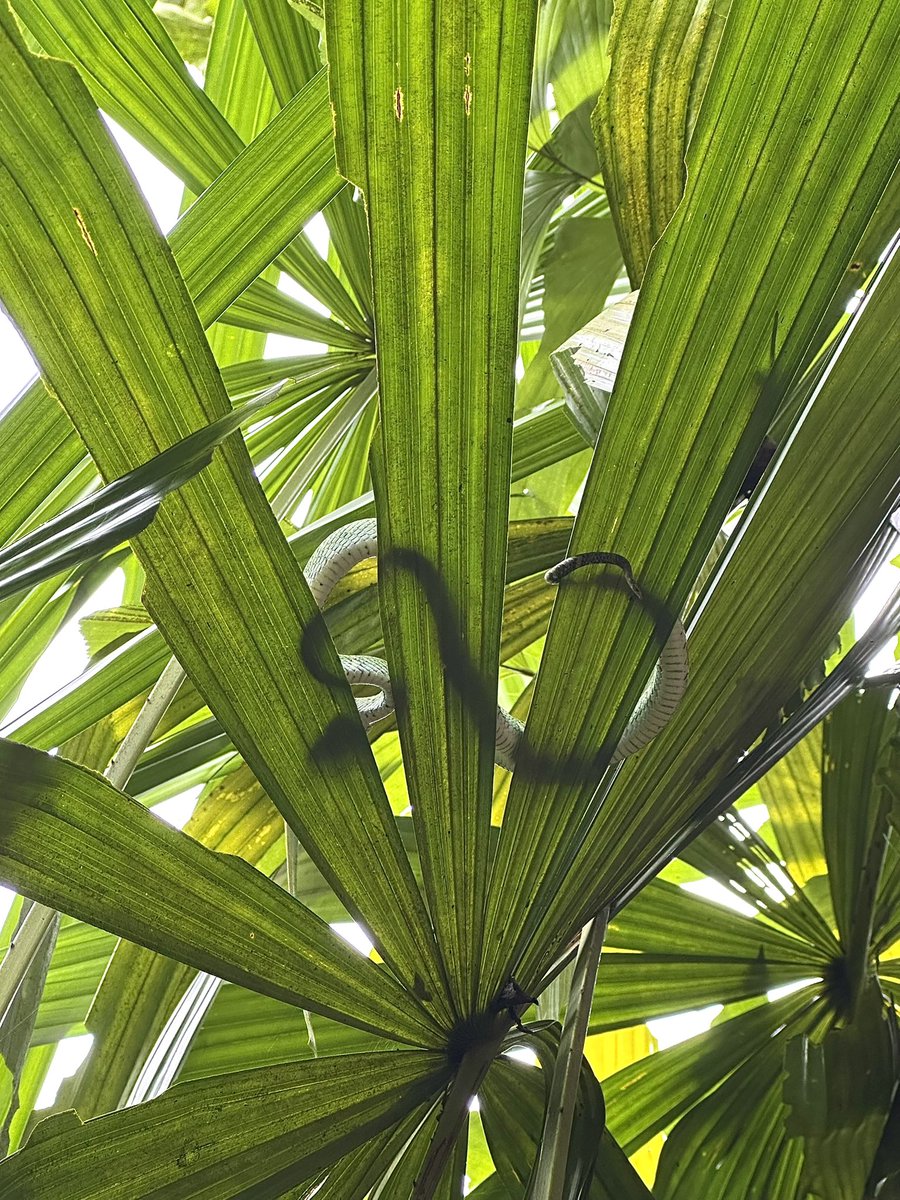
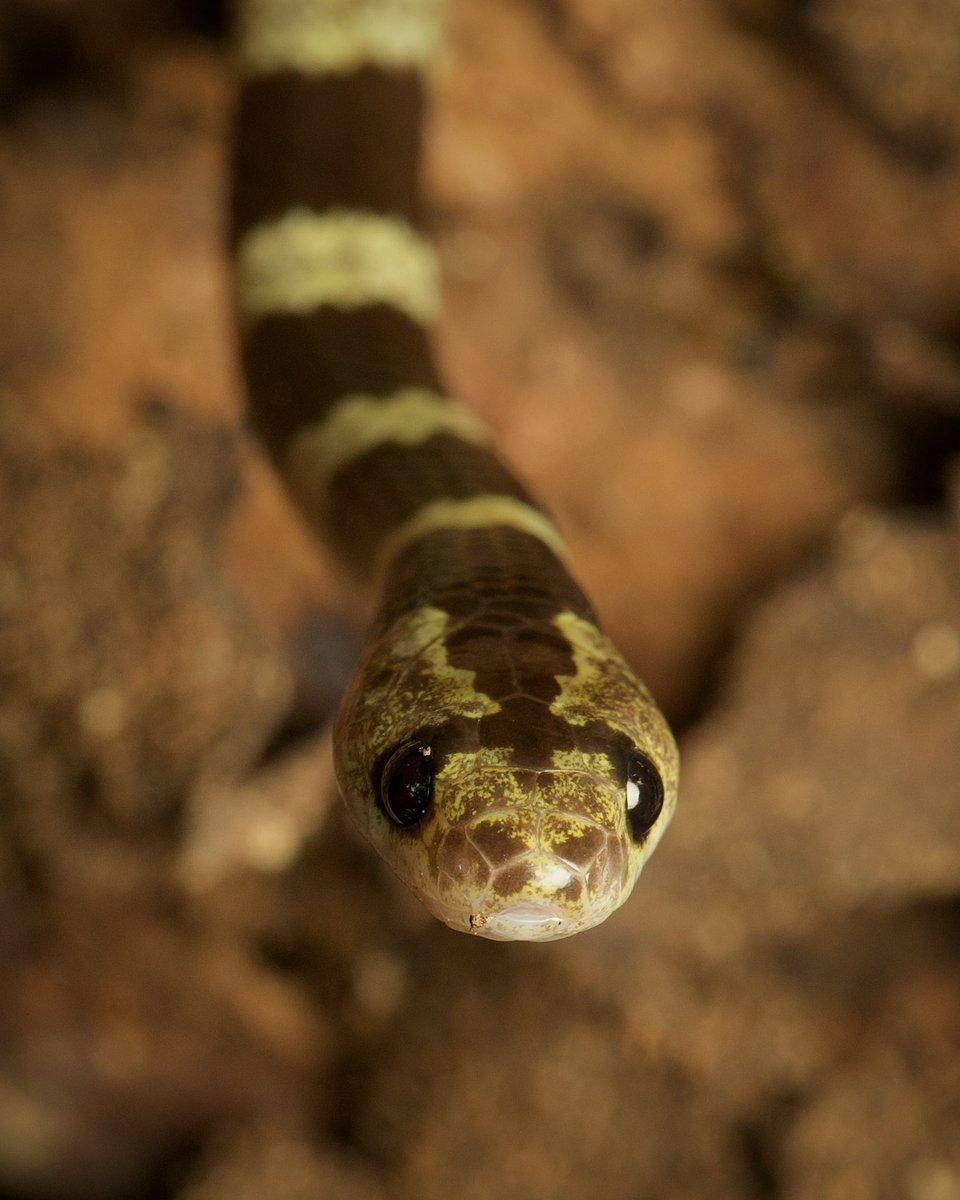
Malayan Bridle Snake (Lycodon subannulatus). This rarely seen harmless little snake was making its way up a tree while checking under each piece of bark for a tasty morsel.
@TimothyJonas@Sybalan@BritishSpiders Could also just be a young Eratigena - they often have faint leg annulations when immature, plus the abdomen patterning seems more like one
@MondaySpider@ForTheSpiders Abdomen pattern looks spot on for T. tenuis - I’m not confident on the epigyne though. Do you have any other Tenuiphantes in the region?
@andydouglas1967 Even movement patterns - Monocephalus often have a start-stop pattern which is markedly different from quite a few similarly sized spiders, for example. Little things you pick up after disappointedly staring at the same epigyne for the 50th time.
@andydouglas1967 Locket and Millidge go a bit more into detail with habitus than Roberts, if you want to get started - but most of what I can tell in the field is from personal experience (admittedly, quite limited in sample size).
@andydouglas1967 It’s gotten to the point where if I find one of those mating plugs on a specimen, I’m almost certain it’s going to be this. Those huge and closely-set PMEs are also a giveaway.
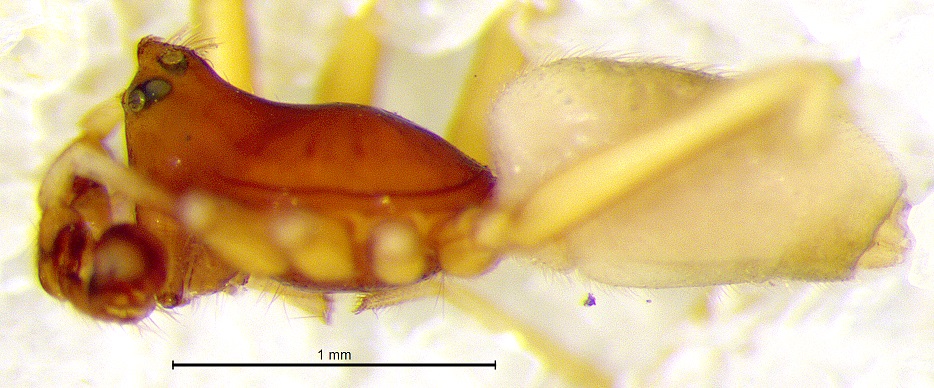
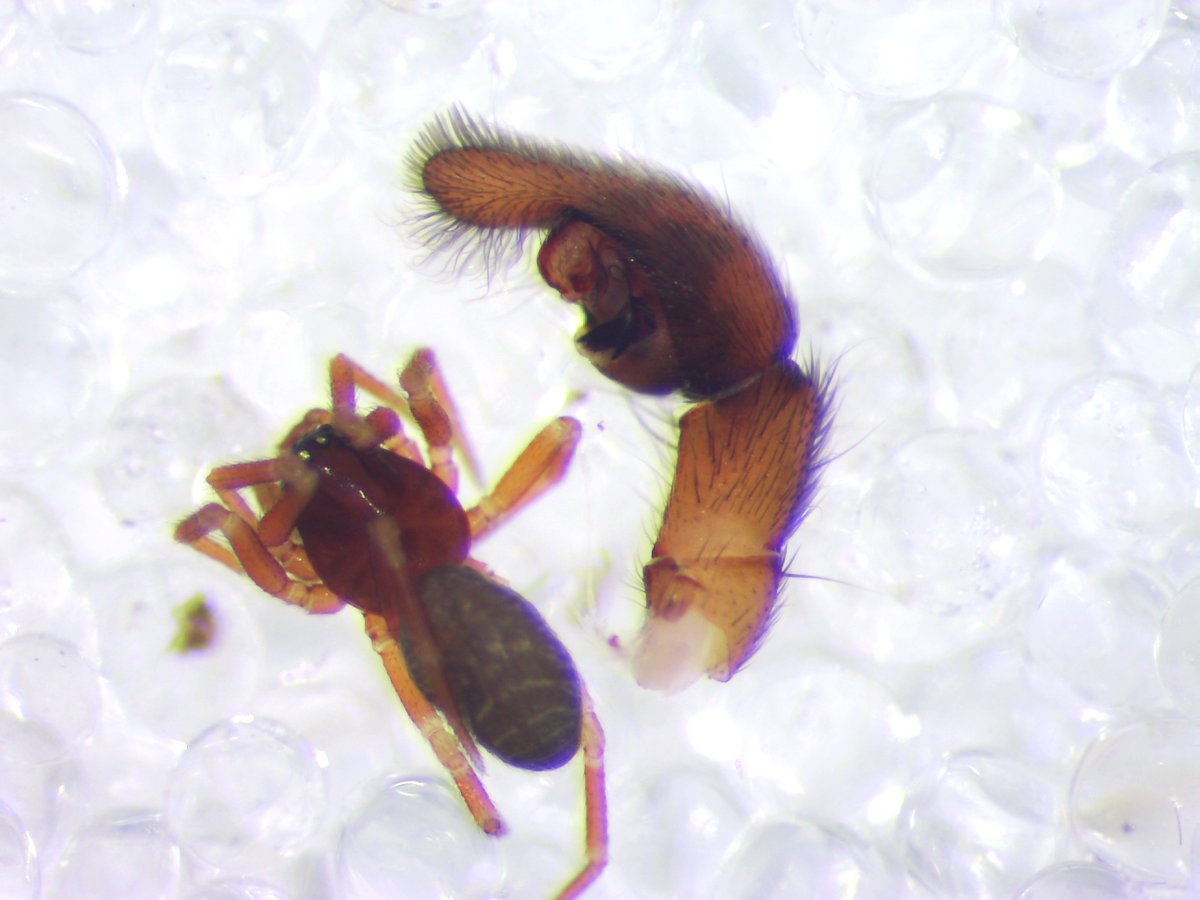
#Arachtober 30th is Walckenaeria day, so get ready!
Walckenaeria is a the second largest linyphiid genus in North America, with 68 species. There are 199 species in the world! As you can imagine, there are many diverse forms in Walckenaeria. I'll explain a few.
@andydouglas1967 @BritishSpiders@BerryTylan This looks more like tenuis to me. T. zimmermanni makes almost always have a pale carapace and a ‘cleaner’ abdomen pattern.
@BritishSpiders @andydouglas1967 @BerryTylan I find that genius and zimmermanni actually have (somewhat) consistent changes in habitus. Tenuiphantes palps are not the easiest but I think a habitus shot here might actually help a bit