We train humanoid robots to vault obstacles, climb platforms, and cross terrain they’ve never seen—all from a single perceptive, whole-body policy.
It decides whether to walk, climb, or vault, and switches between skills on its own. No skill labels. No state machines. No motion generators at inference.
The recipe is real → sim → real, seeded by one video per skill. Here’s how it works ⬇️
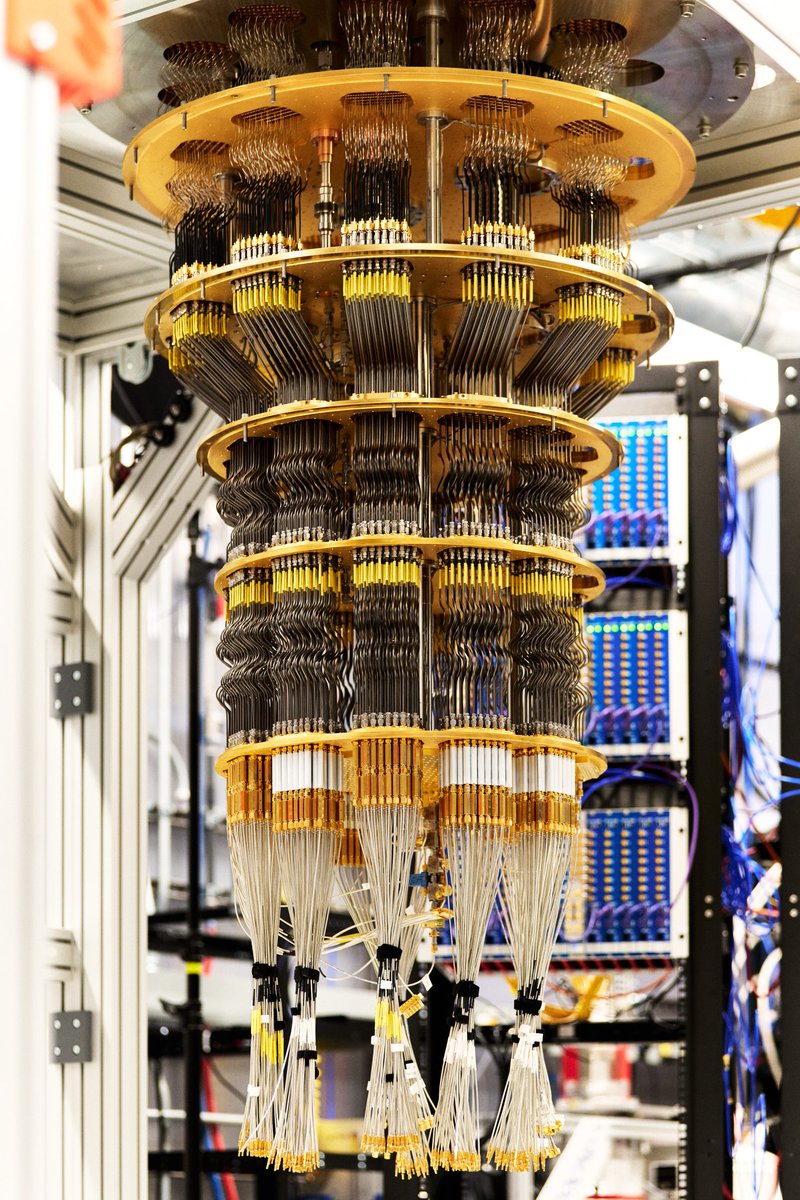
New breakthrough quantum algorithm published in @Nature today: Our Willow chip has achieved the first-ever verifiable quantum advantage.
Willow ran the algorithm - which we’ve named Quantum Echoes - 13,000x faster than the best classical algorithm on one of the world's fastest supercomputers. This new algorithm can explain interactions between atoms in a molecule using nuclear magnetic resonance, paving a path towards potential future uses in drug discovery and materials science.
And the result is verifiable, meaning its outcome can be repeated by other quantum computers or confirmed by experiments.
This breakthrough is a significant step toward the first real-world application of quantum computing, and we're excited to see where it leads.
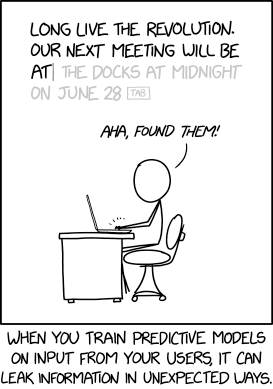
Give someone state and they'll have a bug one day, but teach them how to represent state in two separate locations that have to be kept in sync and they'll have bugs for a lifetime
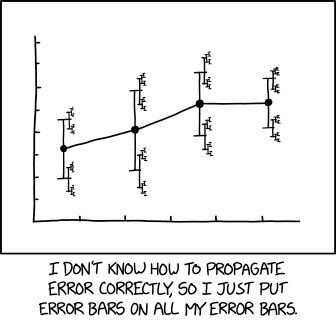
@AmazonHelp Your representative sends me form, I fill it then they send me a survey about how was support (which never happened), and it repeats day after day I guess!
Absolutely beautiful video created using still images taken by the Cassini spacecraft during its flyby of Jupiter and while at Saturn. Shown is Io and Europa over Jupiter's Great Red Spot and then Titan as it passes over Saturn and it's edge-on rings. NASA/JPL/Kevin M. Gill
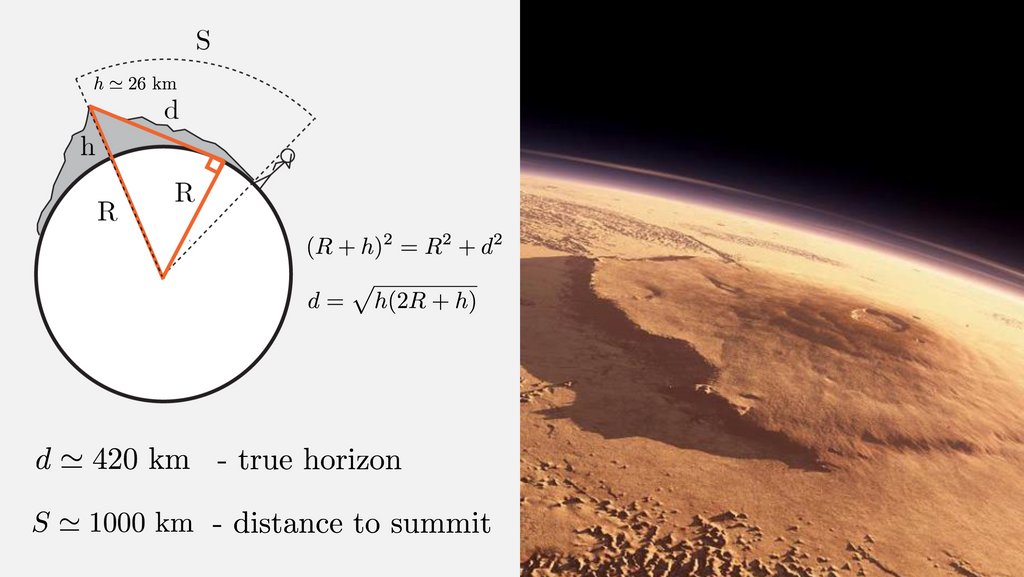
Mars' Olympus Mons, the tallest known volcano in the solar system, has such a gradual slope that someone standing at the base couldn't see the summit because it's beyond the horizon.