Our coverage on DNA
https://www.dnaindia.comhttps://www.dnaindia.com/consumer-connect/report-india-s-ip-opportunity-why-utility-patents-could-help-msmes-protect-and-commercialise-innovation-3221354
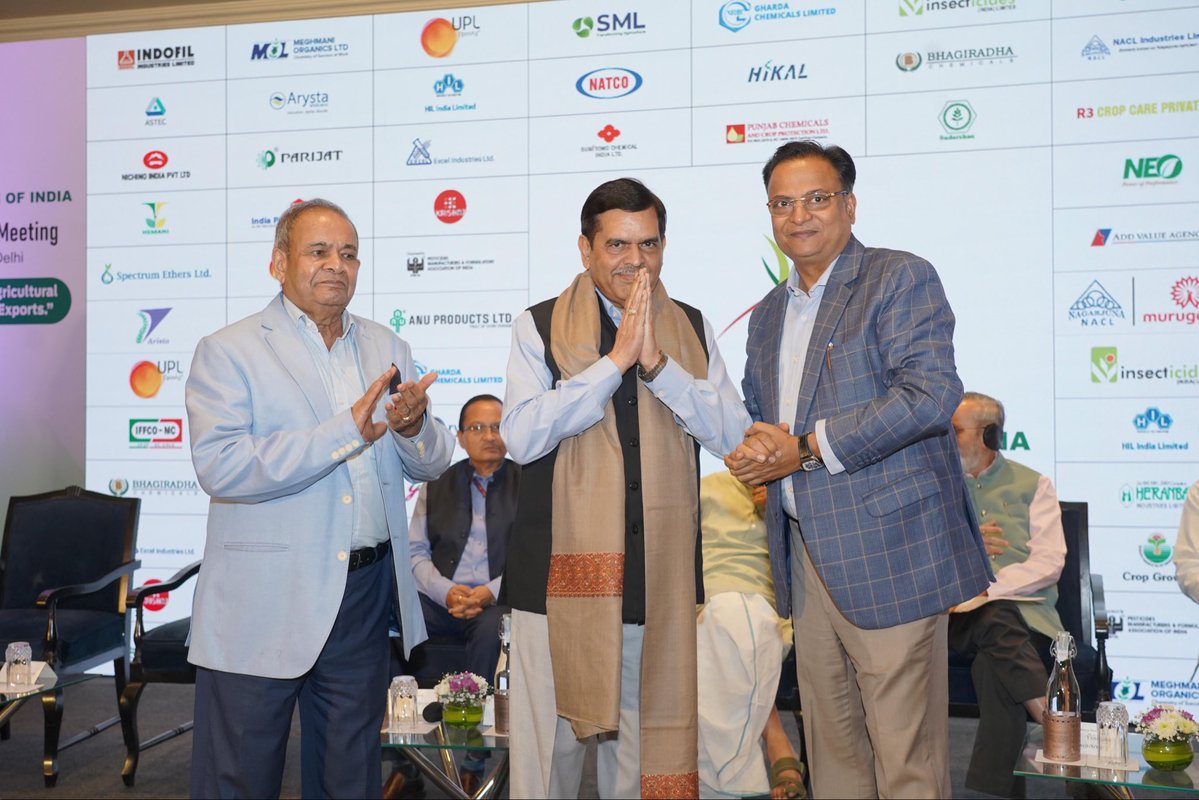
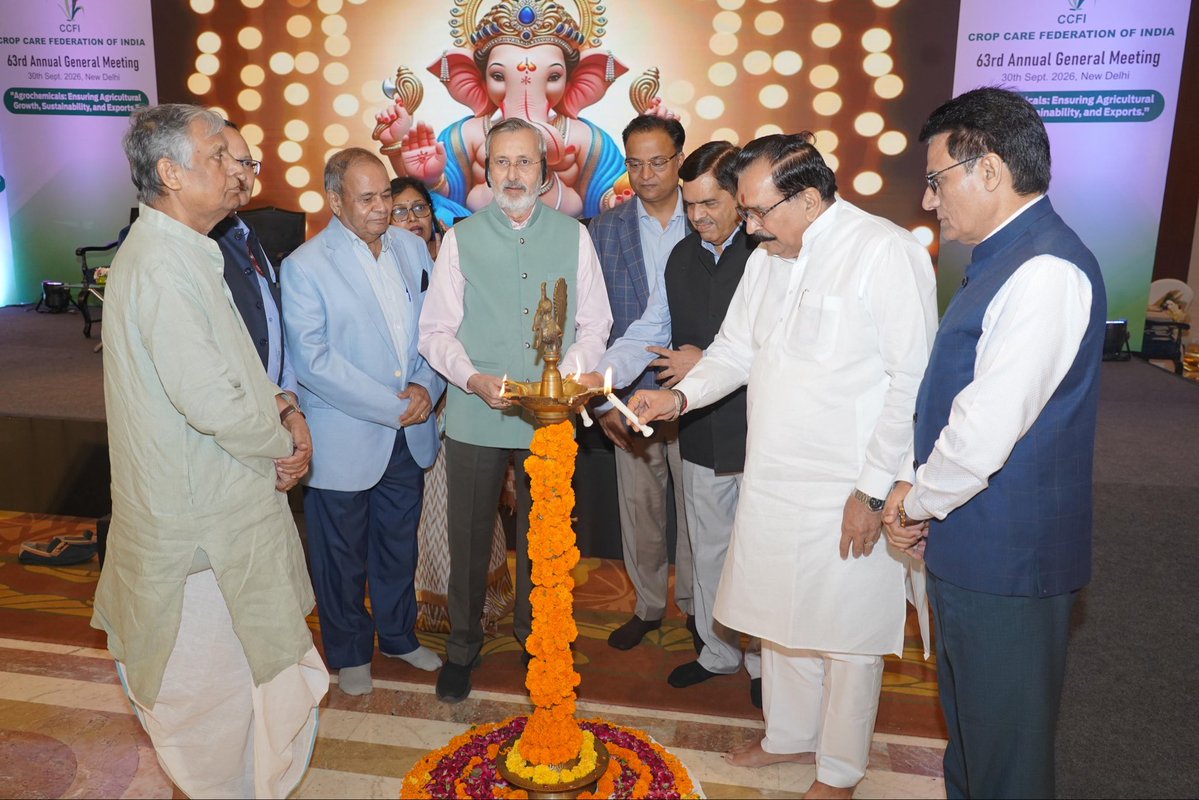
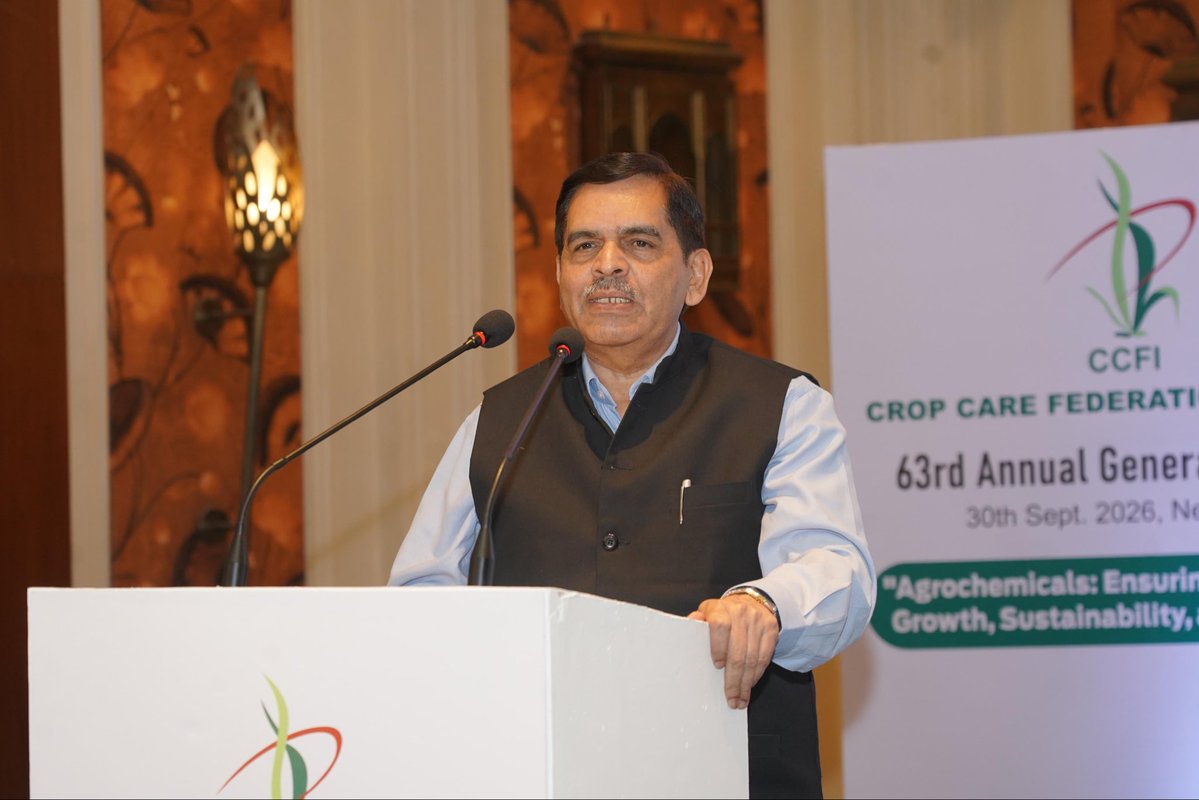
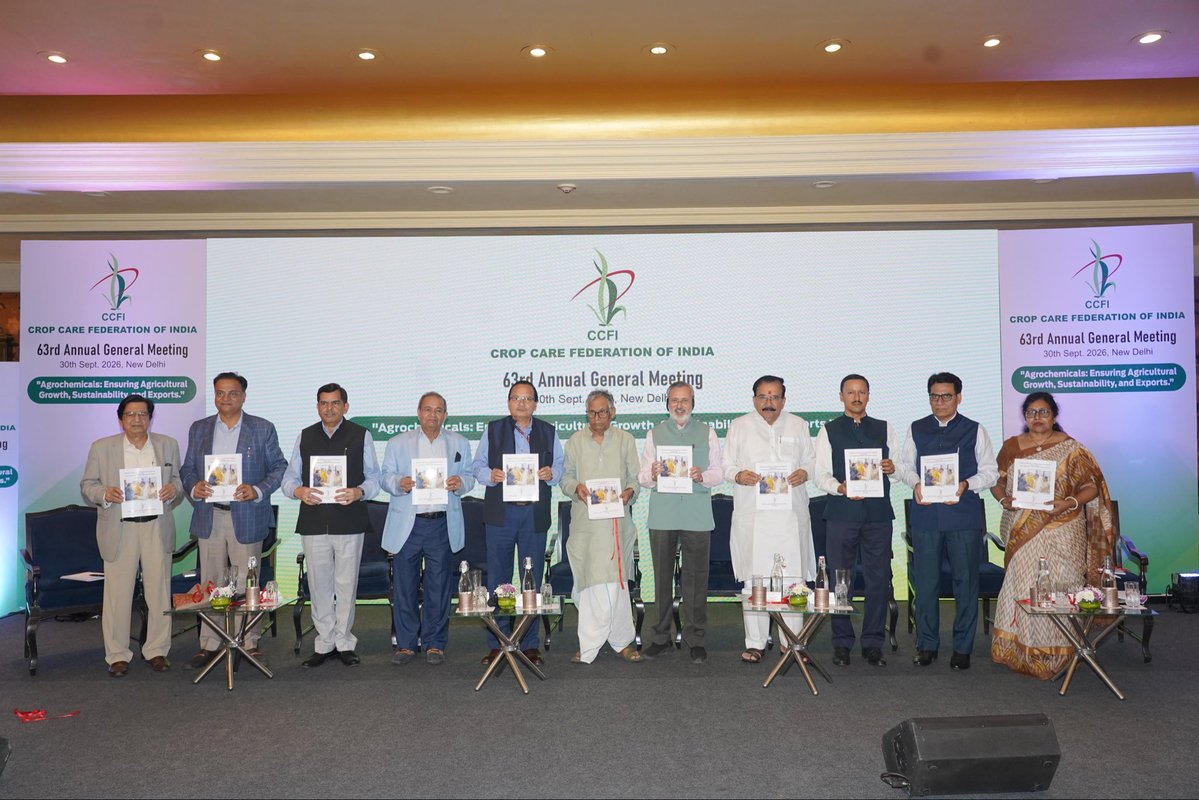
Pleased to address Annual General Meeting of Crop Protection Federation of India. Emphasized the importance of not allowing data protection for #AatmanirbharBharat in pharmaceuticals, Agro-Chemical and others.
Honoured to be the Chief Guest for @AuroUniversity function for the 7th consecutive year on promoting GANDHIAN ENGINEERING on Gandhi Jayanti day.
What is special this time? The competition is global & carries a cash prize of Rs 100,000. Covers diversity of innovations.
1. Pedagogical Innovations
2. Ideas and Innovations for implementation of NEP-2020
3. Ideas for Viksit Bharat @2047
4. Ideas and Innovations for promoting BKS (Bhartiya Knowledge System).
5. Sustainable Development Goals (SDGs)
@PMOIndia@NITIAayog@PrinSciAdvOff@CSIR_IND@IndiaDST@DBTIndia@PuneIntCentre@amitabhk87@dinakholkar@aparanjape@Mashelkar_Fndn@anil_kakodkar
Our coverage on DNA
https://www.dnaindia.comhttps://www.dnaindia.com/consumer-connect/report-india-s-ip-opportunity-why-utility-patents-could-help-msmes-protect-and-commercialise-innovation-3221354
HNI Indian parents are actively destroying their GenZ kids with their passive income. They thought they were securing their family's future.
In reality, they just planted a generation of completely unemployable lethargic kids.
If you go to any Tier-1 or Tier-2 city today and you will see alot of 25 year old Gen Z kids trapped in the ultimate wealth dilemma
1. The Ego Trap: They refuse to take blue collar or ground level sales jobs because it hurts the family reputation.
2. The Lifestyle Trap: They refuse to take an entry level ₹30,000 corporate job because that doesn't even cover their baseline monthly expenses for cafes, fuel, and weekend trips.
3. The Entitlement Trap: They refuse to take over the traditional family business that actually built their wealth because it isn't aesthetic or is too boring.
So what do they actually do? Absolutely nothing.
They wake up at 11 AM. They live off the passive rental yield their parents built. Maybe they stroll into their dad's office for 4 hours a day to sit in an AC cabin to play Director-director and leave.
And the parents are 100% to blame.
Their obsession with providing a comfortable life and feeding their kids passive income has completely killed the family's active ambition. The father is still grinding 10 hours a day at 55, while the 25 year old son is treating life like an all inclusive resort.
If your father is funding your comfort zone, you are just a massive liability on a monthly allowance.
Worse, Indian parents actively refuse to let their kids move out of the city to struggle. Their entire logic is why leave when your father is already earning enough here?
In the US, kids are pushed out to build their own survival skills. In India, We are suffocating our kids with comfort.
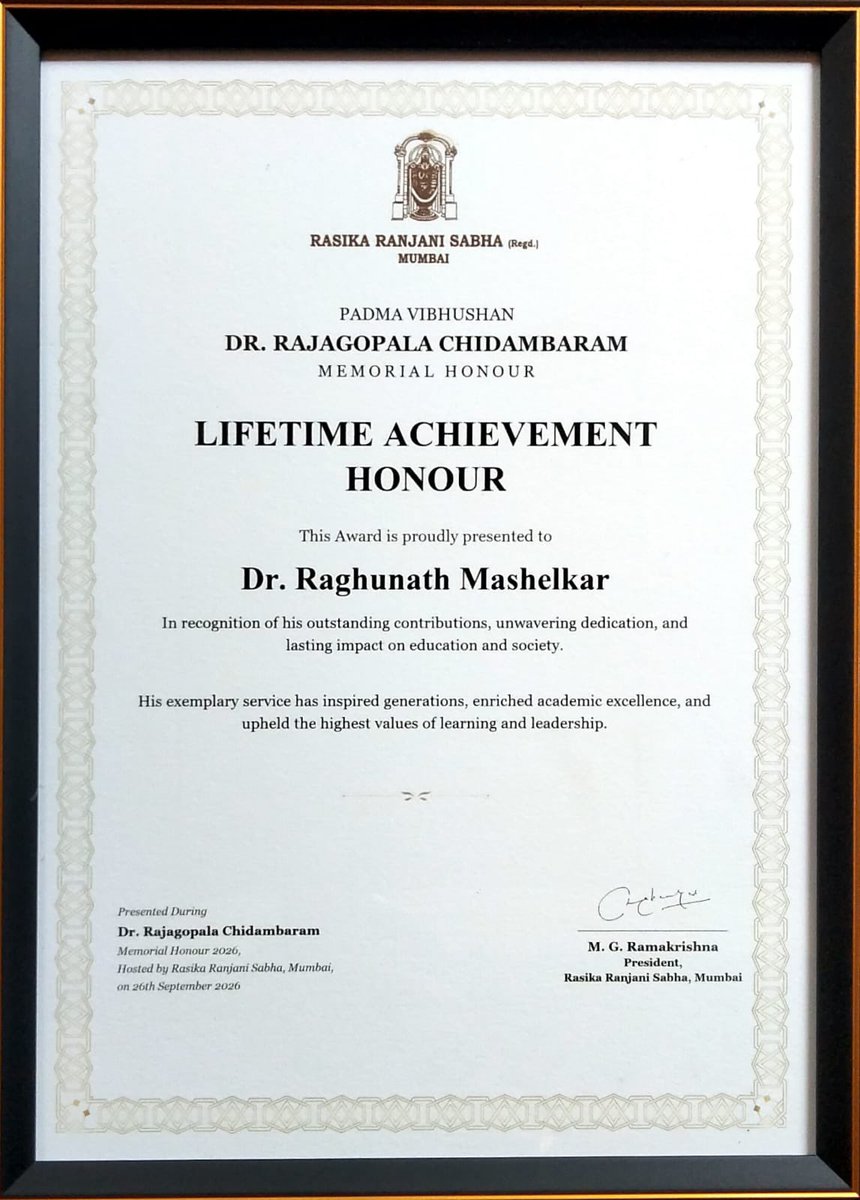
Was privileged to receive the second Dr R Chidambaram Lifetime Achievement Honour.👇
It was so so special to receive the hands of my revered guru professor M M Sharma and Mrs Chidambaram herself.👇
Dr Chidambaram was at the heart of moments of powerful demonstration of strategic self reliance that changed India’s destiny- Pokhran I (1974) and Pokhran II (1998).
With all humility at my command, I accepted the honour in the name of a very dear & gracious friend, a formidable scientist, who could see the atom but never lost the sight of the individual.
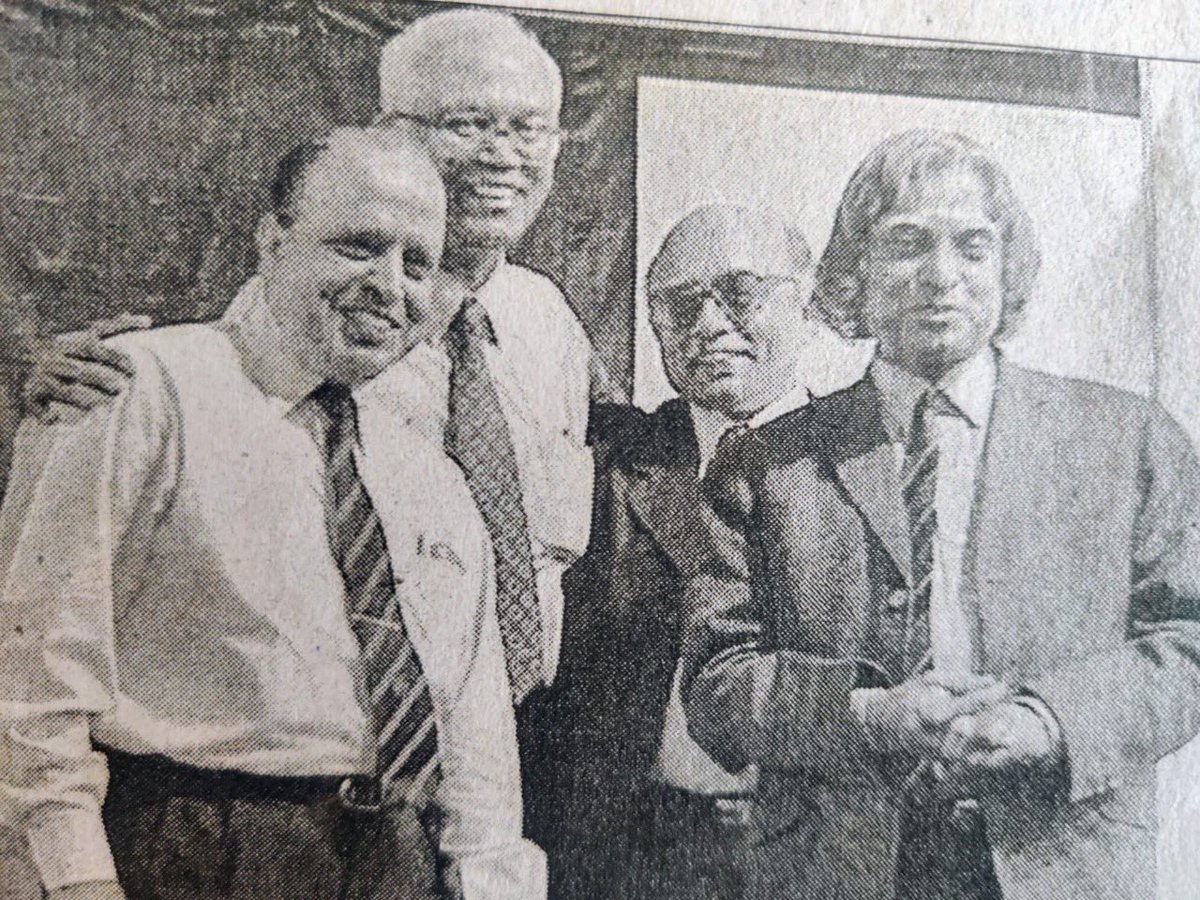
Was reminded of the rare moment with him a quarter century ago, when, as President of Indian Science Congress (2000), I had invited him (Chairman @DAEIndia )Dr Kasturirangan ( Chairman, @isro ) and Dr A P J Abdul Kalam ( Chief, @DRDO_India ) to hold a panel discussion on the role of technological self reliance in building Secure India👇
The energy that the great trio generated is still felt…
@PMOIndia@DrJitendraSingh@PrinSciAdvOff@NITIAayog@CSIR_IND@IndiaDST@amitabhk87@PuneIntCentre@dinakholkar@aparanjape@TVMohandasPai@kiranshaw
महान क्रांतिकारी एवं भारत माता के वीर सपूत अमर शहीद भगत सिंह जी की जयंती पर उन्हें कोटि-कोटि नमन!
अपने अदम्य साहस से ब्रिटिश साम्राज्य की नींव हिलाने वाले अमर शहीद भगत सिंह जी का त्याग और राष्ट्र-प्रेम आज भी देश के करोड़ों युवाओं में देशभक्ति का संचार करता है।
Every successful company has assets.
Factories.
Technology.
People.
Customers.
And increasingly, something that may be sitting quietly on the balance sheet—or sometimes not even being measured properly:
Intellectual Property.
A company develops a technology.
Protects it with patents.
Builds a brand around it.
Creates designs, software, know-how and other intangible assets.
The business grows.
But then comes a more strategic question:
“Are we fully utilising the IP we have created?”
Because IP can do more than protect a business.
It can support licensing and technology transfer.
It can create opportunities for commercialisation and strategic partnerships.
It can strengthen business valuation and investment conversations.
And, where appropriate, it can potentially play a role in financing and capital strategies.
This is where the next conversation begins.
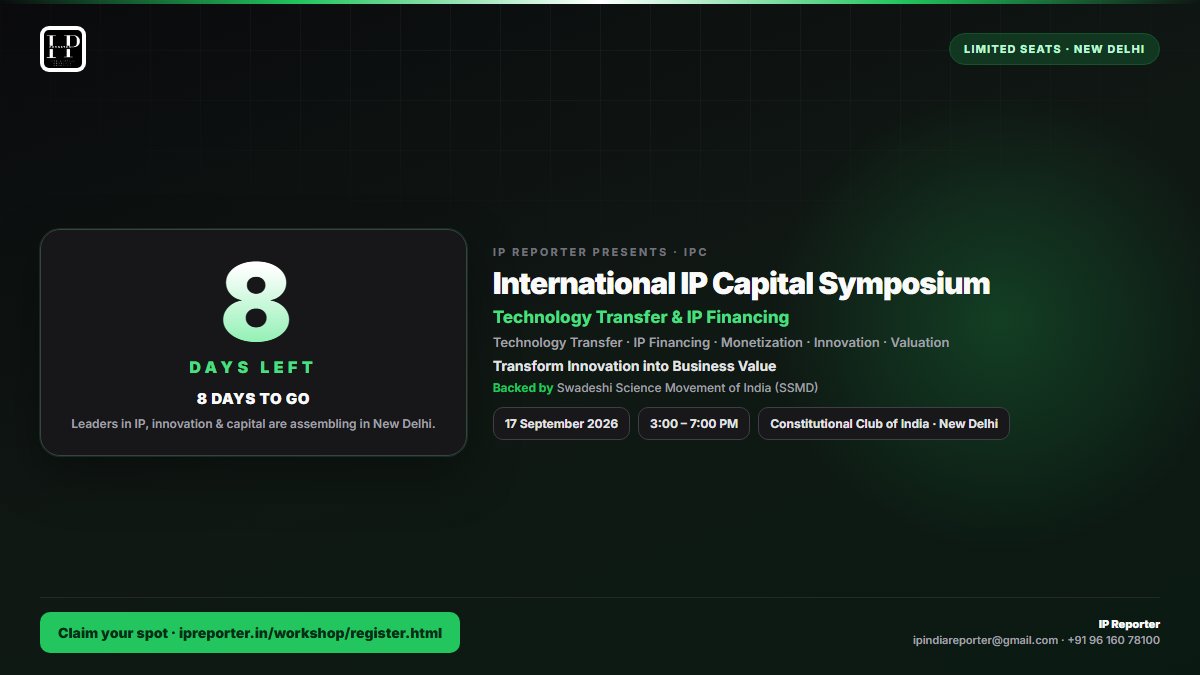
IP Capital IP Capital Symposium ON TECHNOLOGY TRANSFER & IP FINANCING
📅 17 September 2026
🕒 3:00 PM – 5:30 PM
📍 Constitutional Club of India, New Delhi
🔗 Register now: https://t.co/vS6iTQBu04
A focused gathering for CXOs, business leaders, entrepreneurs and IP-driven companies exploring how intellectual property can become a more strategic business asset.
The discussion will cover:
🔹 IP Valuation & Value Creation
🔹 Technology Transfer & Licensing
🔹 Commercialisation of Corporate IP
🔹 IP Financing Models & Methodologies
🔹 How Financiers May Evaluate IP
🔹 Building Commercially Valuable IP Portfolios
🔹 IP, Investment & Capital Opportunities
🔹 India’s Evolving IP & Technology-Transfer Ecosystem
The journey is no longer simply:
Creating IP → Protecting IP
It is becoming:
Creating IP → Valuing IP → Commercialising IP → Financing IP → Creating Business Value
Your company has already invested in innovation, technology and intellectual property.
The next step is understanding the opportunities that investment can create.
Understand the opportunity. Build the strategy. Unlock the value of your IP.
Every investment story begins with a question: “Where is the value?”
Sometimes, the answer is visible.
A factory.
A product.
A market.
A revenue stream.
But sometimes, the most important part of the story is less visible:
A patent. A technology. A brand. A proprietary process. A software platform.
Across India, startups, companies, universities and research institutions are creating valuable intellectual property every day.
And this raises an interesting opportunity for the investment community:
What if IP could become another lens through which investment value is understood?
An investor may look at a company and ask:
What technology does it own?
How strong is its patent position?
Can the technology be commercialised?
What licensing or royalty opportunities exist?
How defensible is the business?
And ultimately
What is the IP underpinning the business actually worth?
This is where IP meets capital.
IP Capital Symposium ON TECHNOLOGY TRANSFER & IP FINANCING
📅 17 September 2026
🕒 3:00 PM – 5:30 PM
📍 Constitutional Club of India, New Delhi
🔗 Register now: https://t.co/vS6iTQBu04
A focused discussion bringing together the worlds of:
IP × Technology Transfer × Valuation × Investment × Financing
Key areas of discussion include:
🔹 IP Valuation & Investment Assessment
🔹 Patent Strength & Competitive Positioning
🔹 Technology Commercialisation Potential
🔹 Licensing & Royalty Economics
🔹 IP Due Diligence, Ownership & FTO
🔹 IP-backed Financing Models
🔹 Risks & Opportunities for VC, Innovation & Institutional Funds
🔹 India’s Emerging IP-Financing Ecosystem
The IP investment ecosystem is still developing.
That is precisely what makes this an interesting time to understand it.
The opportunity may not simply be in investing in businesses that create IP—but in understanding the IP that creates, protects and potentially unlocks value within those businesses.
As intellectual property becomes increasingly connected with technology transfer, commercialisation, investment and financing, understanding this intersection early could become a strategic advantage.
Explore the emerging intersection of IP and capital before it becomes mainstream.
Before financing a ₹100 crore technology-intensive project, there is another asset worth understanding.
Not the factory.
Not the machinery.
Not even the projected cash flows.
The technology that makes the business possible.
A project may have strong promoters, a viable business plan and impressive financial projections.
But there is one question a lender should also be able to answer:
Can the borrower legally and sustainably use the technology that makes the project commercially viable?
This is where Intellectual Property meets finance.
Consider a technology-driven business.
Who owns the underlying technology?
Does the borrower have the right to manufacture and sell the product?
Is there a valid licence?
Are there restrictions or third-party rights?
What does the Freedom to Operate (FTO) position look like?
How long will the relevant IP remain commercially useful?
And if IP contributes significantly to the business value, how should that IP be valued?
These questions can have a direct bearing on project viability, revenue generation, business continuity and ultimately credit risk.
That is why the conversation around financing technology-intensive businesses is evolving.
IP Capital Symposium ON TECHNOLOGY TRANSFER & IP FINANCING
📅 17 September 2026
🕒 3:00 PM – 5:30 PM
📍 Constitutional Club of India, New Delhi
🏛️ Organised by IP Reporter
🔗 Register now: https://t.co/vS6iTQBu04
A focused discussion for bankers, financial institutions, credit professionals, investment professionals, legal/IP professionals and other financial decision-makers.
The IP Capital Symposium will explore:
🔹 IP Due Diligence & Credit Risk
🔹 Freedom to Operate (FTO)
🔹 Patent & Technology Risk
🔹 Ownership, Licensing & Restrictions
🔹 IP Valuation for Financing Decisions
🔹 Technology Transfer & Commercialisation
🔹 IP-backed Financing Models
🔹 Security, Enforcement & Recovery Considerations
The traditional financing question remains:
“Can the borrower repay?”
For technology-intensive businesses, another question deserves equal attention:
“Can the borrower legally and sustainably commercialise the technology behind the business?”
Understanding the IP can help financial professionals make better-informed assessments of technology-driven businesses and the risks and opportunities associated with them.
Understand the IP. Assess the Risk. Protect the Financing.
The future of financing innovation will require a closer understanding of the assets that make innovation commercially possible.
Global brand investment hit $1.4 TRILLION in 2025.
It still doesn't count as capital on any country's books.
Here's why the world's biggest intangible asset class is still invisible in the numbers 🧵👇
https://t.co/8OU3b2npo4
𝐁𝐫𝐚𝐢𝐧𝐬𝐭𝐨𝐫𝐦𝐢𝐧𝐠 𝐒𝐞𝐬𝐬𝐢𝐨𝐧 | 𝐓𝐨𝐤𝐞𝐧𝐢𝐬𝐚𝐭𝐢𝐨𝐧 𝐨𝐟 𝐌𝐚𝐫𝐢𝐭𝐢𝐦𝐞 𝐀𝐬𝐬𝐞𝐭𝐬: 𝐀 𝐂𝐚𝐬𝐞 𝐟𝐨𝐫 𝐅𝐫𝐚𝐜𝐭𝐢𝐨𝐧𝐚𝐥 𝐒𝐡𝐢𝐩 𝐎𝐰𝐧𝐢𝐧𝐠
As the brainstorming session on '𝐓𝐨𝐤𝐞𝐧𝐢𝐬𝐚𝐭𝐢𝐨𝐧 𝐨𝐟 𝐌𝐚𝐫𝐢𝐭𝐢𝐦𝐞 𝐀𝐬𝐬𝐞𝐭𝐬: 𝐀 𝐂𝐚𝐬𝐞 𝐟𝐨𝐫 𝐅𝐫𝐚𝐜𝐭𝐢𝐨𝐧𝐚𝐥 𝐒𝐡𝐢𝐩 𝐎𝐰𝐧𝐢𝐧𝐠' comes to an end, we are pleased to share reflections from 𝐌𝐫. 𝐊𝐚𝐰𝐚𝐥 𝐀𝐫𝐨𝐫𝐚, CTO, ShipFinex, shares his views on the importance of bringing regulators and industry to explore the potential of this emerging concept.
The sessions were appreciated for being systematically structured and thoughtfully led, providing an opportunity for regulators and key stakeholders to gain a deeper understanding of the shipping industry.
India will require substantial capital to scale up its shipbuilding sector and strengthen India’s position in global shipbuilding. In this context, tokenisation emerged as a promising avenue. He also highlighted the importance of regulators and industry working together to develop the framework for maritime tokenisation in India.
We thank Mr. Arora for his valuable insights.
@MEAIndia | @FinMinIndia | @GoI_MeitY | @shipmin_india | @dgshipping_IN | @SKSharma_World | @CaptBKTyagi2 | @sujeetsamaddar| @irclass | @SEBI_updates | @IFSCA_Official | @GIFTCity_ | @shipfinex_ofc | @seaandbeyond001 | @DrewryShipping | @BainbridgeNav | @Seros_IN | @Fosma5 | @macciamumbai | @OffingForSea | @QuadraantLegal | @Ind_Block_Forum | @cmec_ris
#RIS #MaritimeSector #Shipbuilding #ShipOwning #MaritimeFinance #Tokenisation #AssetTokenisation #FinTech #Blockchain #India #FractionalOwnership #MaritimeIndia #ShipFinance #Innovation
🇮🇳 Celebrating 31 Years of NICSI!
From 30,000+ projects to supporting 53 Ministries, 300+ Departments & Organisations and 580+ PSUs, NICSI continues to power technology-led governance.
Powering Digital Governance. Enabling Digital India.
#NICSI31#DigitalIndia
India Has Protected Its IP.
The Bigger Question Is: Can We Finance It?
India is entering an important phase in its innovation journey.
We have patents.
We have technologies.
We have startups.
We have research institutions.
We have manufacturing capabilities.
We are expanding global technology and trade relationships.
But one question remains largely underexplored:
How do we turn Intellectual Property into economic value and ultimately into finance?
A patent may have legal protection.
But what is its economic value?
A technology may have strong commercial potential. But what is its remaining economic life?
A company may claim a large IP portfolio. But how much of that IP is actually critical to its business?
A bank may finance a ₹100 crore factory. But has the underlying technology been properly examined?
An investor may invest in an innovation-driven company. But can the IP valuation withstand scrutiny?
A project may be technically feasible. But does the company have Freedom to Operate (FTO)?
These questions bring together four areas that are usually discussed separately:
IP + Technology Transfer + Valuation + Finance
And this is where the next decade could become particularly interesting for India.
We need greater understanding of:
• IP valuation methodologies, including intrinsic/income-based approaches
• Legal life versus economic life of IP
• Technology obsolescence and valuation risk
• IP due diligence and Freedom to Operate
• Technology transfer and licensing
• IP-backed financing models
• IP disclosures in fundraising and capital-market documentation
• The role of banks, investors, insurers and government institutions
• Commercialisation of Indian innovations
• Building a stronger institutional ecosystem for IP financing
The question is no longer only:
“How do we protect our IP?”
It is increasingly:
“How do we value it, commercialise it, finance it and create measurable economic value from it?”
To explore these questions, we are organising:
Executive Programme on Technology Transfer & IP Financing
17 September 2026 | 3:00 PM – 5:00 PM
The programme is intended for IP owners, innovators, CXOs, business leaders, fund managers, bankers, valuation professionals, insurance professionals and policymakers who want to understand the emerging IP-financing ecosystem in India.
The opportunity is emerging. The methodology is evolving. The conversation needs to begin now.
Interested in being part of the discussion?
Register / Reserve Your Seat
https://t.co/mkRbLXljk0
#IntellectualProperty #IPFinancing #TechnologyTransfer #IPValuation #Innovation #Patent #Technology #Finance #India #IPCommercialisation #Investment #StartupIndia