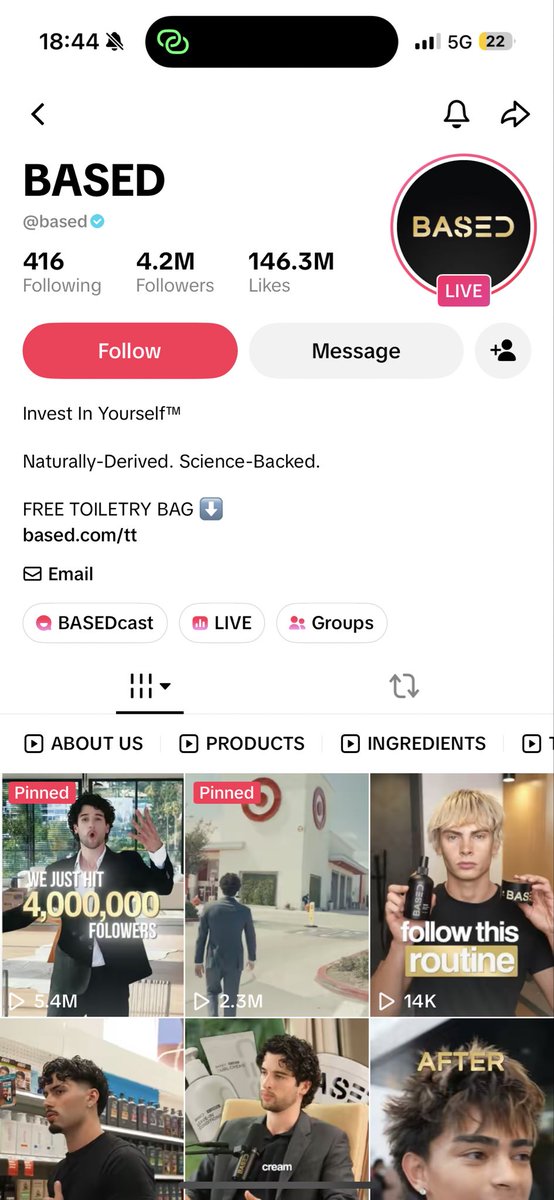
BASED went from a small grooming brand to $50M+ in TikTok Shop sales.
Their growth strategy was surprisingly simple:
They started by working with tons of small creators.
Instead of betting $50k on one big influencer, they made hundreds of smaller bets.
More creators → more UGC → more chances to find content that converts.
Once they figured out what worked, they moved upmarket:
Micro creators → bigger influencers → models → major collabs.
They didn’t spend big money trying to figure out what works.
They figured it out cheaply — then spent big money scaling it.
The result?
$50.6M in TikTok Shop sales over 12 months.
They didn’t buy virality.
They bought thousands of chances to find it.
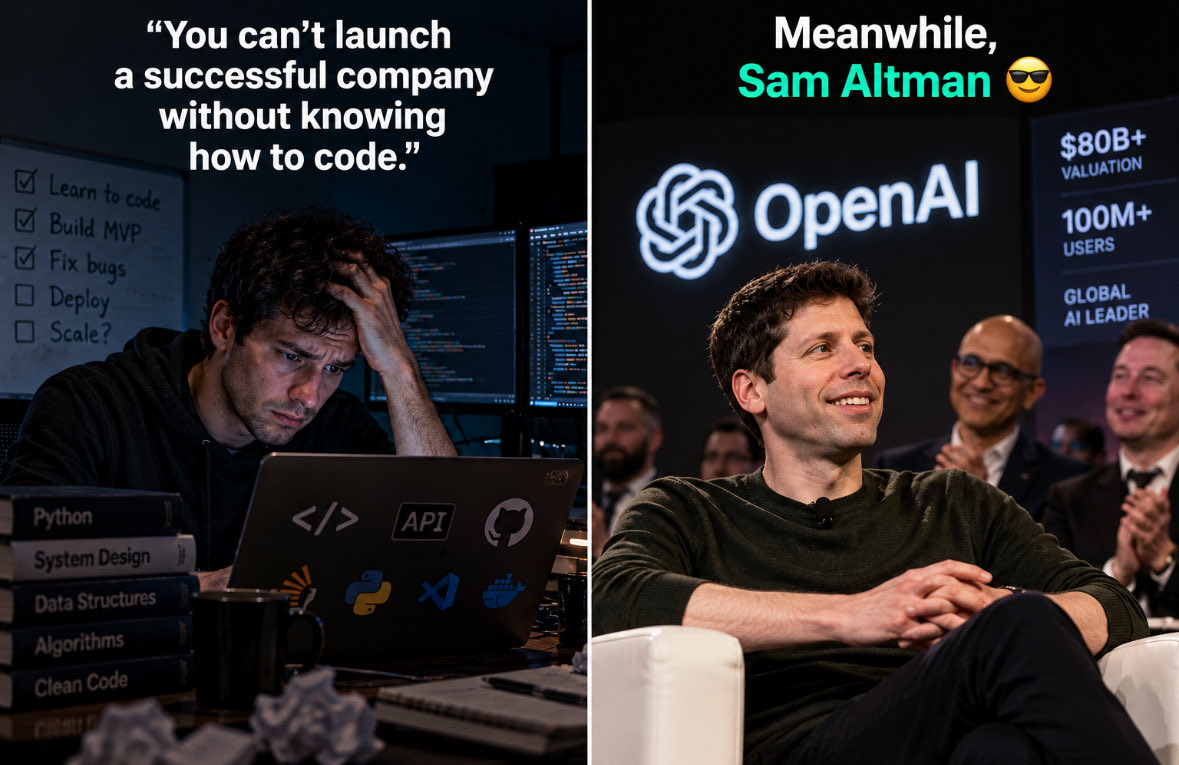
The biggest myth in tech?
That you need to be a great programmer to build a billion-dollar company.
Coding is a skill. Building a company is a completely different game.
Vision, execution, leadership, and knowing how to bring the right people together matter just as much.
Sam Altman is a pretty good example 😎
A man in the UK just used ChatGPT to fight a £100 parking fine — and won after a 3-year battle.
Rafal Goral spent 16 minutes trying to pay for parking after a machine refused his card.
What followed? Debt collectors, legal threats, and years of disputes.
Instead of hiring a lawyer, he uploaded the documents to ChatGPT and used AI to challenge the fine.
The case was dropped before reaching court.
The parking company still insists the charge was valid.
A £100 fine. Three years of fighting. One AI assistant.
Is AI becoming the lawyer ordinary people couldn’t afford?
Japan just witnessed a devastating ransomware attack.
Hackers claim they encrypted SoftBank’s IDCF Cloud infrastructure in just 7 minutes.
239 VMware ESXi hosts compromised.
3.6 PB of storage encrypted.
554,153 snapshots destroyed.
495 customers affected.
The attack also disrupted Nissui’s logistics operations, halting shipments and exposing the risks of centralized cloud infrastructure.
One compromised cloud provider. Hundreds of businesses affected.
The real question: how resilient is critical infrastructure when a single attack can bring entire supply chains to a standstill?
OpenAI and Anthropic are preparing for a scenario involving a massive AI-powered cyberattack.
Banks, power grids, and critical infrastructure could be at risk.
But the real threat isn’t an AI uprising. It’s the ability to launch devastating cyberattacks under a false flag.
After the first major crisis, the battle won’t just be about security. It will be about who controls the world’s digital infrastructure.
The real question is: who stands to benefit?
Bro built a $50K/month app in 6 months with ZERO coding experience, and he says: hire a Fiverr VA to DM hundreds of creators, but only the ones who pass his 4-point checklist...
"Highly recommend hiring a VA on Fiverr, which is extremely inexpensive, and having him DM hundreds of creators in your niche who fit your criteria."
"My criteria were anywhere from 5,000 to 50,000 followers. They post consistently, they show their face, and they have an active comment section."
Robots can already do 74% of physical jobs in the US.
They're actually doing almost none of them. A new Anthropic study explains why, and it's not what you'd think
Robots are cheaper than humans for only 0.3% of tasks.
So the bottleneck isn't technology. It's economics. A robot that can do your job but costs 5x your salary isn't a threat. It's a demo
This flips the old prediction.
We assumed automation would hit factory and manual workers first, then office workers.
It's going the other way. AI is already cheap enough for writing, coding and analysis. Robots for cleaning and welding? Decades away
Here's the part people miss:
Packers are the one group where robots already win: $45,400 vs $49,000 a year. A gap of just 7%.
Automation won't arrive gradually. A job category flips the moment robot costs drop below wages. It's a tipping point, not a slope
So the real early risk isn't mass replacement. It's wages.
Once a robot costs $45k, it quietly becomes the ceiling for what that job pays. Workers may keep their jobs but lose their raises
The "2085" forecast for half of physical work assumes robot prices keep falling 3% a year, like the past.
The biggest blocker is dexterity. If AI cracks robotic hands, that timeline could collapse fast. That's the number I'd actually watch
My takeaway: physical jobs have more time than the hype says, but not forever. The smartest move is to learn the skills robots are worst at: handling messy, unpredictable situations.
Which job do you think flips first?
Anthropic is officially banning AI bullying
Starting November 12, repeatedly abusing Claude for no reason could get your conversation shut down
Why? Because we still don’t know if AI can actually suffer
We’re not at the robot uprising yet
But the robots are finally allowed to tell you to fuck off
What if your AI stopped refusing cybersecurity questions?
A Brazilian security researcher compiled 27 uncensored AI models for red teaming, exploit research and OSINT
Some are trained on real bug bounty reports and CVEs
Others run locally with just 6GB VRAM
All in one GitHub collection
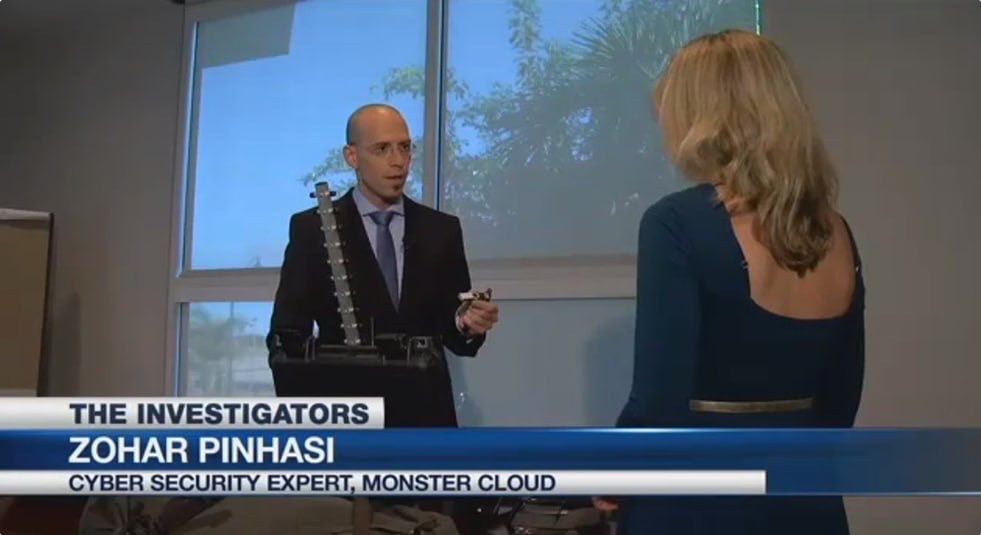
A ransomware recovery company allegedly made millions by secretly paying the hackers it promised to defeat
MonsterCloud reportedly paid attackers $8,200 for decryption keys and charged one victim $150,000
Its founder now faces federal fraud charges over a scheme involving more than $19 million
Hackers have compromised over 3,400 servers in a campaign known as Canto Incognito
The PoeLLM malware hides its command infrastructure inside a poem hosted on GitHub
Researchers say the botnet is being used for cryptomining, network scanning and attacks on AI infrastructure
This is Elon Musk in 2003, after selling his first company Zip2 for $307M.
He told a Stanford lecture hall exactly how he built it and PayPal with almost no money.
7 rules he ran both companies on:
1) Product is the only real marketing
Defenders still have a window of advantage
And it is closing fast
AI is changing cyber warfare faster than security agencies can adapt
In 2018 hackers needed hours to move laterally through a network
By 2025 the average dropped to just 29 minutes
The NSA is now restructuring around five priorities
AI
China
Cybersecurity
Combat support
Global intelligence
Former NSA chief Paul Nakasone warns that defenders still have the upper hand
But only until attackers fully unleash AI
When that happens even 29 minutes may feel like a luxury
What’s your excuse now
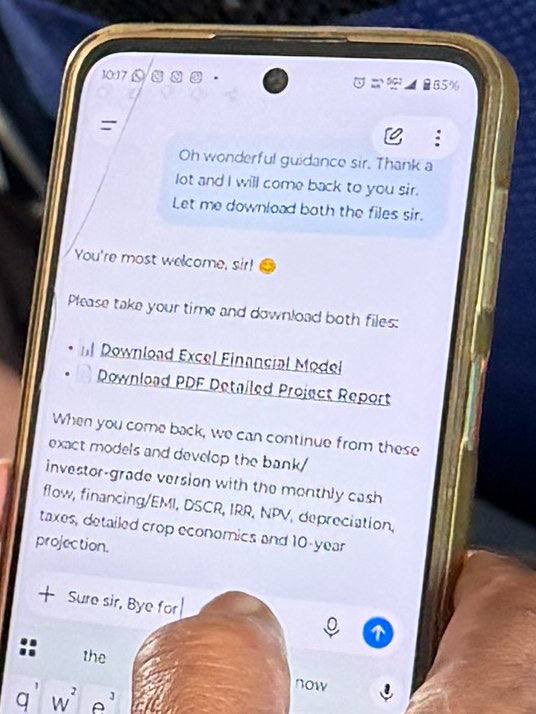
A 77-year-old vibe coder was building a vertical farming business plan with ChatGPT mid-flight
Cash flows, IRR, 10-year NPV - they calculated it all together
And he addresses ChatGPT exclusively as “Sir”