Verifying a quantum device without trusting its internal workings: we present device-independent self-testing with superconducting circuits, out on arxiv today.
New @qudev@ETHQuantumCntr@ETH_physics@ETH_en manuscript on Complete Self-Testing of a System of Remote Superconducting Qubits out on @arxiv today.
This work was done in collaboration with @UnivParisSaclay@CNRS@CEA_Officiel and led by @simonstorz at @ETH.
Read more about it here: https://t.co/k7LEXHe7gH .
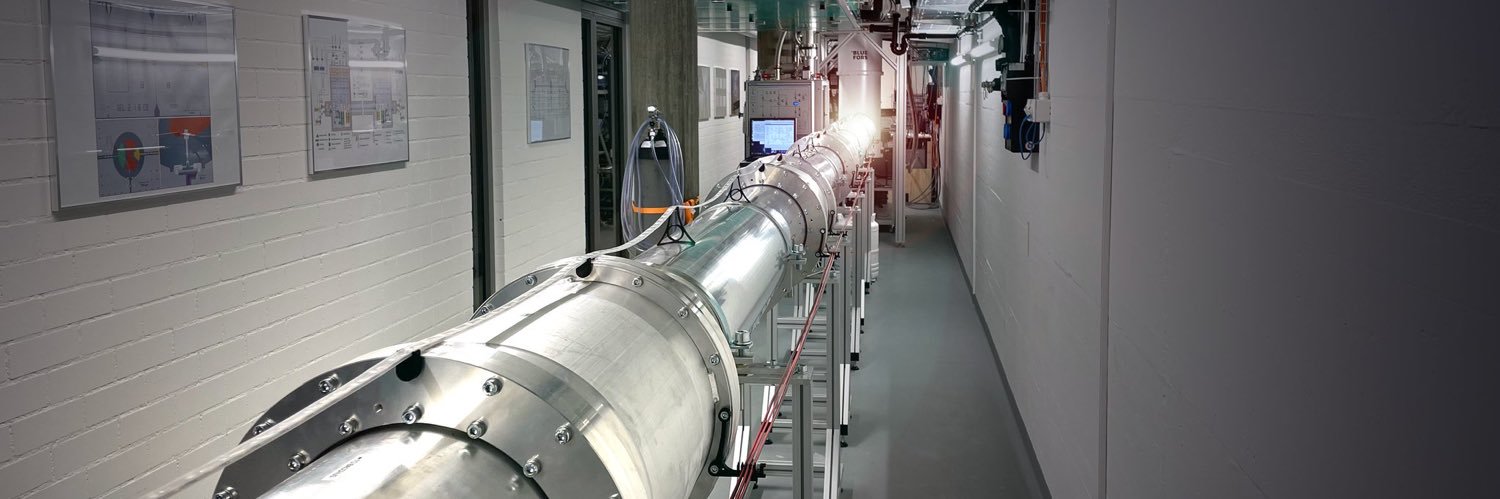
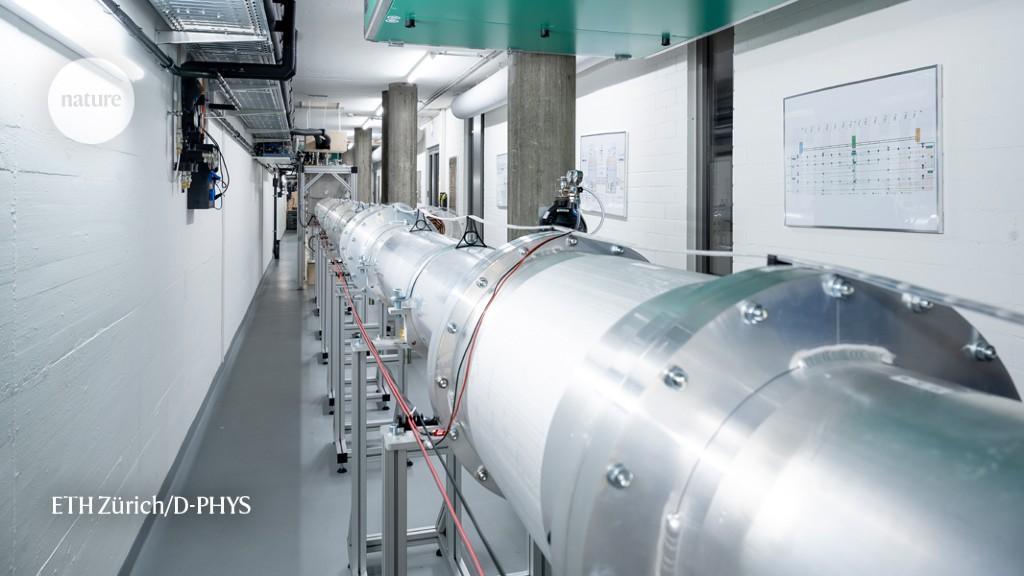
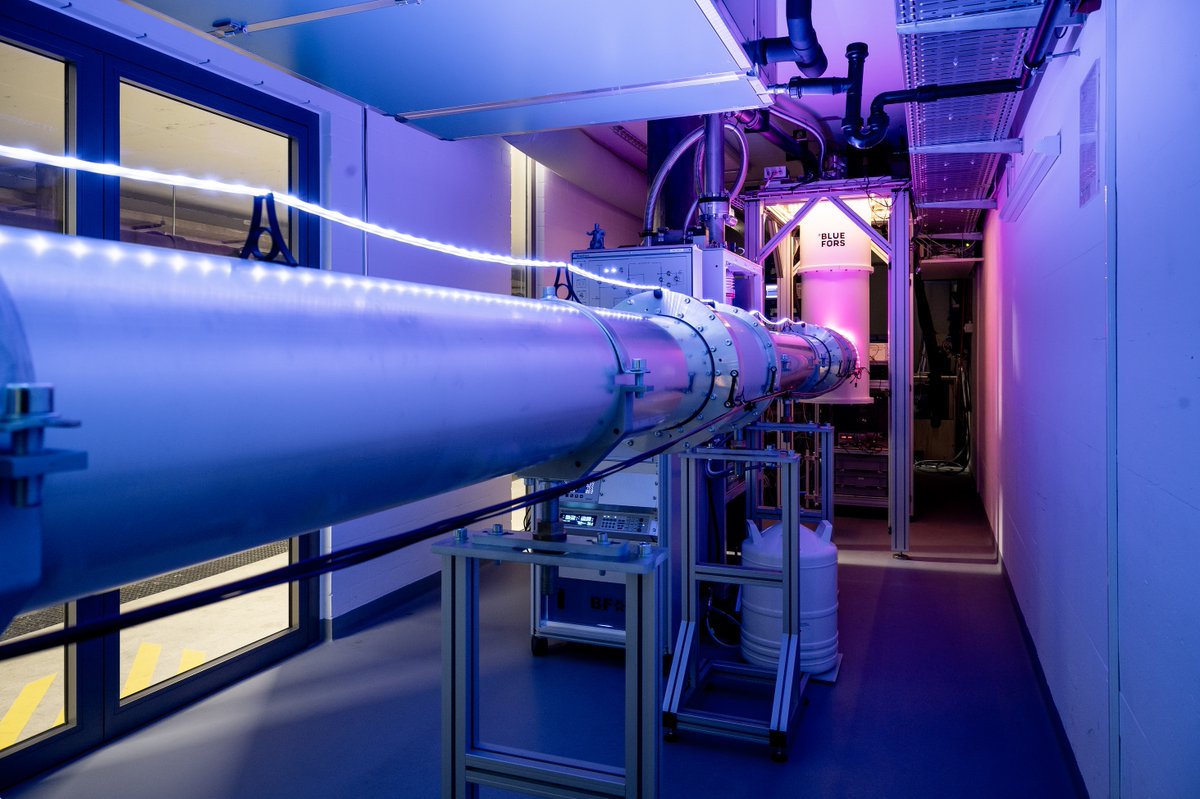
We make use of our 30-m-long #quntum link and our capability to perform loophole-free Bell tests which allows us to explore non-local #physics.
@PeterMorganQF@AndreasAtETH I think this is still a good way of conceiving the intuition of entanglement to a non-physicist audience. Of course you are right, Peter - on purely technical grounds it is more accurate to talk about "strong correlations", or similarly.
@pierochiappina Hi Piero! Using the f0-g1 transition facilitates controlling the phase and envelope of the shaped photon we use for entanglement generation. The scheme is microwave-based only and does not require flux biasing, see here for details: https://t.co/aUUeoSdrxr
~Quantum computing meets non-locality~
I'm thrilled to see our @qudev@ETH experiment being published in Nature today: a loophole-free Bell test with superconducting circuits.
https://t.co/qaCX5Aao2r
Follow this two minute - 🧵 for the key points:
Superconducting quantum bits have been entangled over a separation of 30 metres, enabling a loophole-free Bell experiment. Find out more in this N&V by Marissa Giustina. https://t.co/Uabe7vTZ7r
🌟 It was a pleasure dedicating most of my PhD to this fascinating project, and being able to collaborate with a fantastic team.
Let me know if you have any questions about the experiment!
ETH-Forschende konnten mit dem ersten schlupflochfreien Bell-Test mit supraleitenden Schaltkreisen bestätigen, dass die klassischen Vorstellungen von Kausalität in der Quantenwelt nicht gelten. @AndreasAtETH https://t.co/XK44D5zz8B