Across 116 countries thousands were asked what #cancer actually does to one’s life.
Most didn’t just talk about their diagnosis and treatment.
They also spoke about– lost incomes, strained relationships, careers put on hold, anxiety and loneliness, chronic pain and uncertainty about their futures.
When cancer strikes, what people need are:
❤️🩹 Pain relief
❤️🩹 Mental health support
❤️🩹 Financial protection
❤️🩹 Rehabilitation
❤️🩹 Social connection
❤️🩹 Dignified, and compassionate care
Cancer care isn't just about treating the disease. It's about supporting the person living with it https://t.co/W9hhPYJsGI
In 1661, Portugal gave England an island off India's coast as part of a royal dowry.
Bombay had poor soil, a malarial climate, no hinterland and barely any commerce. One contemporary said it cost more to maintain than it produced.
Within sixty years it was the most dynamic commercial city in Asia.
The people who built it were refugees.
They came from Surat, fifty miles up the coast - once the richest port on earth. India's Mughal emperors had destroyed it. The navy stole the merchants it was supposed to protect. The emperor had not paid his sailors. Aurangzeb's wars cost a hundred thousand lives a year. Two million died in the 1702–13 Deccan famine. Commerce needs stability. Stability was gone.
So the Parsi merchants, shipbuilders and financiers went to Bombay. English Common Law enforced contracts and left their temples standing. They were professionals, not admirers. That was enough.
In 1736, Lovji Nusserwanjee Wadia, a Parsi from Surat, built a shipyard. His teak ships lasted 40 years. The Royal Navy bought them because they lasted longer than ships built in England.
In 1813, the Wadia yard built HMS Cornwallis. In 1842, on her decks, Britain and China signed the Treaty of Nanking, ceding Hong Kong to the British Crown.
The ship that built the British Empire in Asia was built by refugees from Mughal misrule.
Jamsetjee Jeejeebhoy became the first Indian baronet. He gave a quarter of a million pounds to hospitals and schools. Jamsetji Tata built India's cotton mills, then its steel industry, then a business empire that today employs 935,000 people in over a hundred countries.
The argument of my third book, just published, is that the period from 1700 to the present is best understood through the lens of who controlled maritime trade, who encouraged it, and who neglected or destroyed it. Bombay is the clearest single case study in that argument. A commercial culture that had been operating for four thousand years was displaced from Surat by Mughal misrule. It relocated to an English-administered island that offered security and rule of law. It built ships, hospitals, cotton mills and steel works.
Commerce does not die when you destroy its home. It moves. The question every city and every government faces is whether it is the place commerce moves to, or the place it moves from.
Bombay answered that question between 1661 and 1900. The answer is in the third volume of my series on maritime trade.
Link to the full version of this Substack essay is below.
One wrong click.
One fraudulent call.
One stolen password.
That’s all it takes for cybercriminals to cause lasting damage.
The UN Cybercrime Convention helps build global defences against these everyday threats.
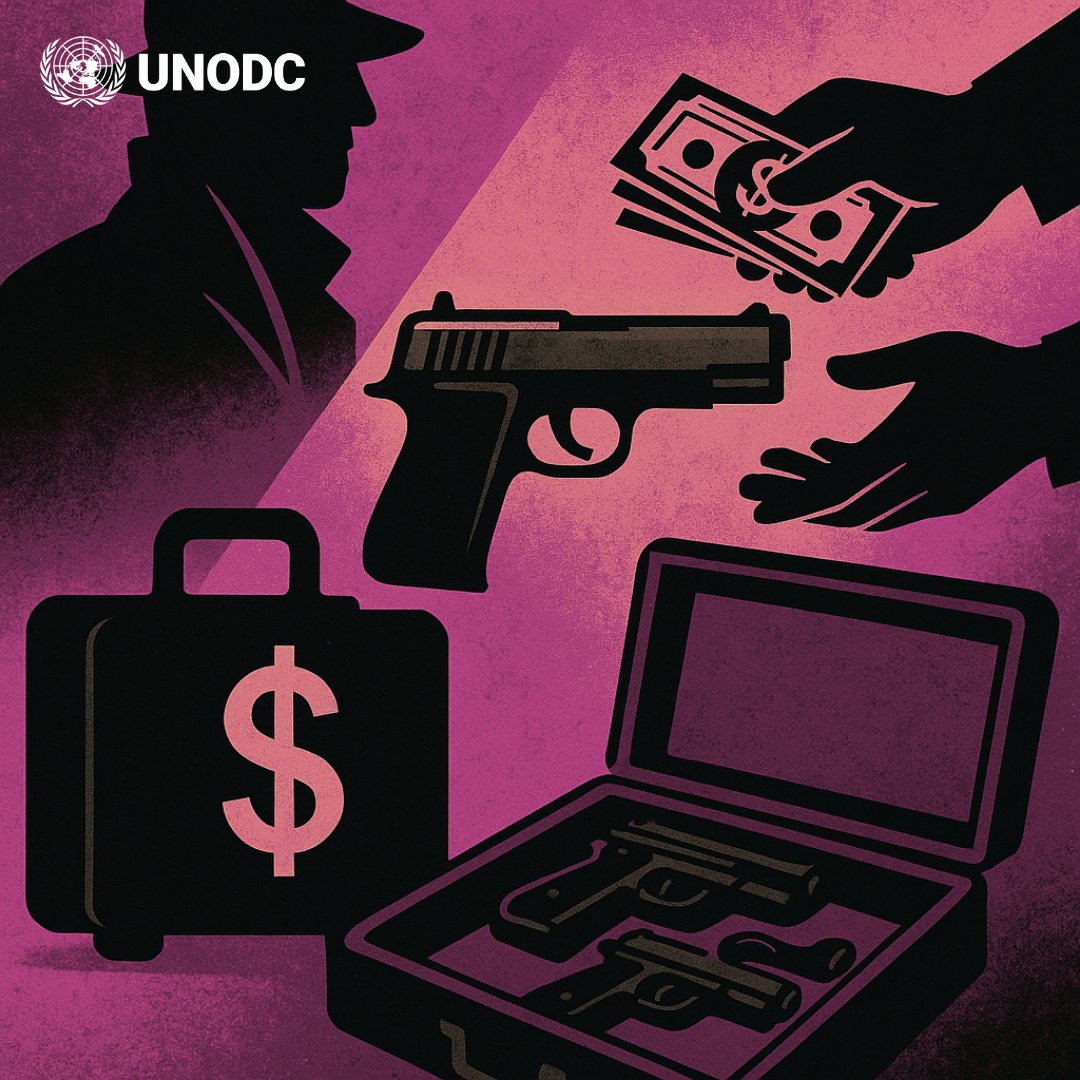
Illegal firearms fuel violence.
They threaten lives, communities and stability.
From domestic abuse and gang violence to armed conflict and war, firearms trafficking undermines every dimension of human security.
Learn more: https://t.co/Pg640NnPWC
Cannabis remains the world’s most used drug.
It's linked to more than half of all drug seizure cases & accounts for ~40% of people with a drug use disorder.
It is followed by opioids, amphetamines, cocaine, ecstasy & other drugs.
#WorldDrugReport
https://t.co/HSoat6qQLB
Old phones, fridges or laptops don’t just disappear when tossed.
The world generates 62 million tonnes of e-waste each year, enough to fill 1.5 million trucks.
New regulations, circular design and better recycling can help stop the toxic tide and #BeatWastePollution: https://t.co/yDTYrw60DW
🚨 Outdated CPR training tools may be costing women their lives.
Women are significantly less likely to survive cardiac arrest, and new research highlights a surprising factor: CPR training rarely reflects female anatomy.
A Duke University study covering 47 U.S. states found that women were 14% less likely than men to receive bystander CPR. Similar trends appear internationally—The Guardian reported that only 68% of women in the U.K. received CPR compared to 73% of men, often due to discomfort or fear of causing harm when touching a woman’s chest.
Compounding the issue, a review in PubMed Central confirmed that women have lower out-of-hospital survival rates after cardiac arrest.
One major contributor? Nearly all CPR training manikins—95%—are flat-chested, according to a global survey. Only one standard model features female anatomy, leading to a training gap that reinforces hesitation during emergencies. Encouragingly, studies cited by JEMS (Journal of Emergency Medical Services) show that trainees using manikins with silicone breast attachments were nearly twice as comfortable performing CPR on women. Experts argue that incorporating breast-inclusive manikins in CPR training could reduce bias, increase confidence, and ultimately, save more lives.
Source: Perman, S. M., et al. (2019). Gender disparities in bystander CPR. Journal of the American Heart Association, 8(21), e012992.
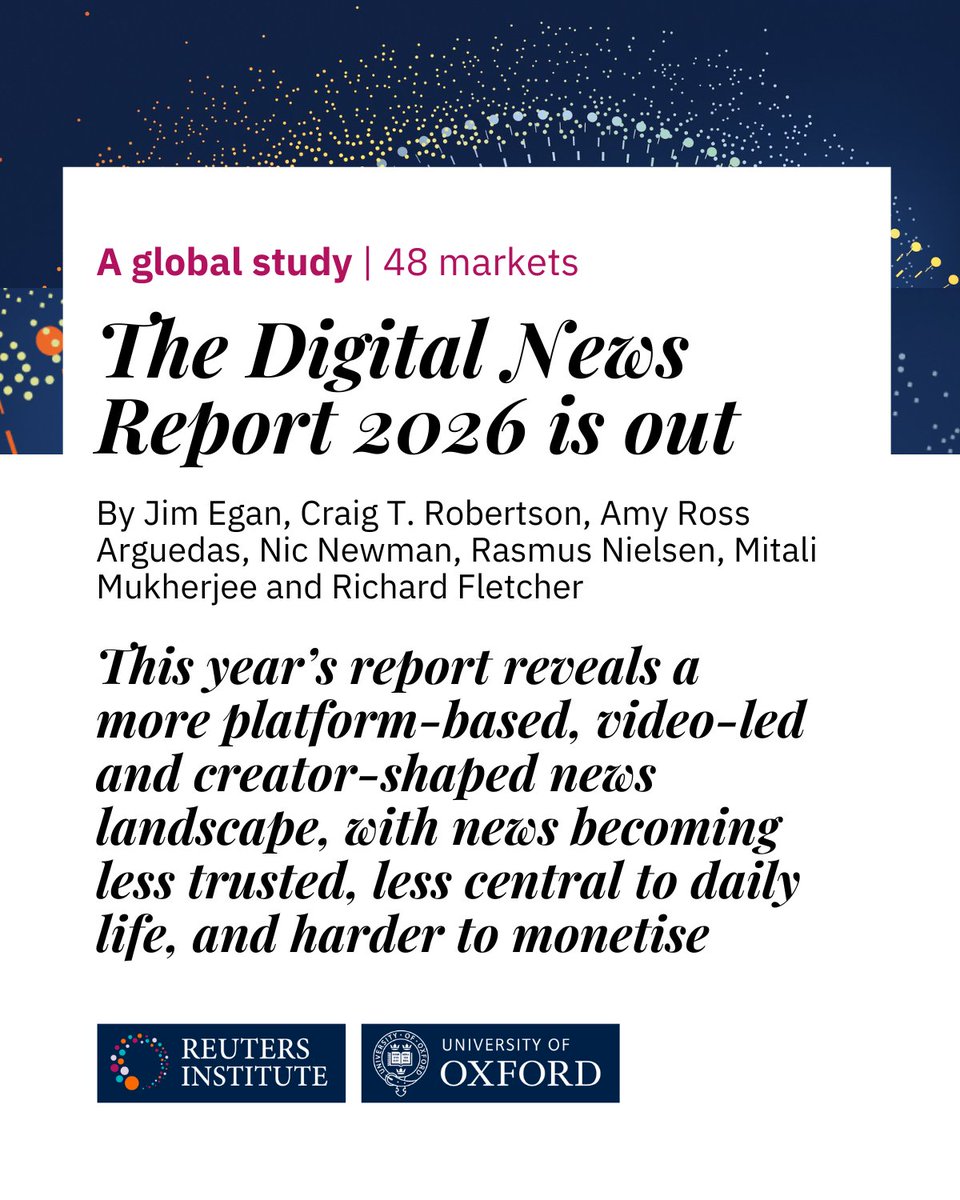
🚨 Our Digital News Report 2026 is out!
Authored by Jim Egan, Craig T. Robertson, Amy Ross Arguedas, Nic Newman, Rasmus Nielsen, Mitali Mukherjee and Richard Fletcher, it is based on 100K interviews in 48 markets
Full report
https://t.co/VWftVJSETy
7 findings in thread
Human trafficking and corruption are global crimes that harm millions.
But what’s the hidden link between them?
Find out here 👉 https://t.co/4efAVcG26A
#EndHumanTrafficking
Do you have experience in research related to firearms trafficking?
@UNODC wants to hear from you!
We’re expanding our global roster of experts for the 2027 Global Study on Firearms Trafficking.
If you have 7+ years of experience in this field, send your CV to [email protected]
Tobacco harms our 🌍 — from seed to smoke to waste.
On #WorldEnvironmentDay , I urge Parties to fully implement Article 18 of the WHO FCTC, addressing the environmental impact of tobacco cultivation, production, use & disposal — including e-cigarettes.
#FCTCProtectsOurPlanet
#FCTCSavesLives 🌱
https://t.co/1GIvM9Wym7
It's #WorldNoTobaccoDay 🚭
Nearly 90% of daily smokers first tried tobacco before they were 18.
Every time nicotine feels like it's calming you down, it's actually tightening its grip.
Tobacco companies design their products to get young people stuck in a cycle of manipulation and addiction.
It’s time to expose their web of lies. Manipulation stops here.
Quitting is possible. Start now! 🔗 https://t.co/0r9hCWMfUd #TobaccoExposed
Justice systems must adapt to today’s crime challenges, from investigations and prosecutions to prison management, rehabilitation and reducing reoffending.
At #CCPCJ35, countries and UNODC are working together to improve crime prevention and criminal justice responses.
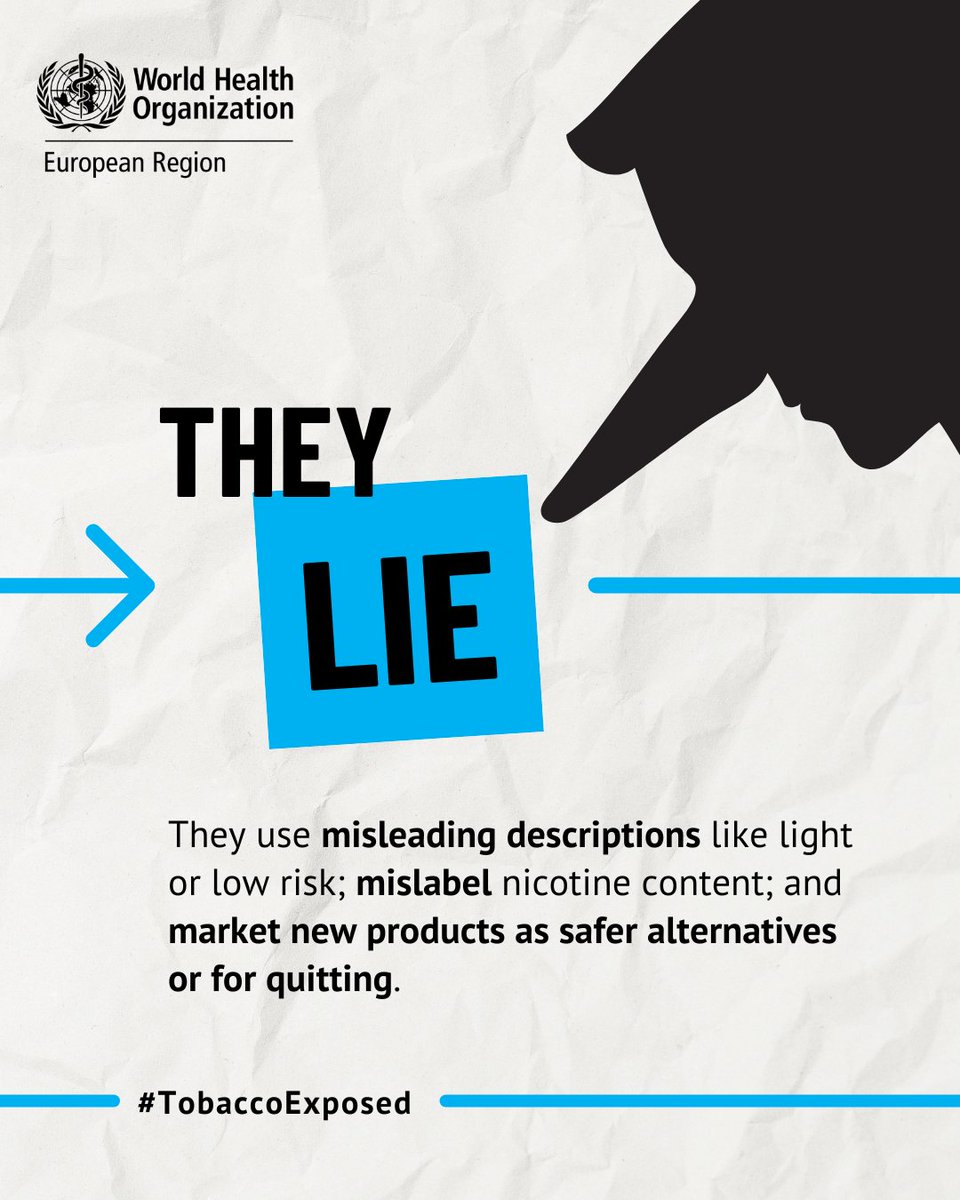
Youth-friendly flavours like blueberry, mango, mint, and bubble gum are not harmless treats, they’re designed to hook children and teens.
Manipulation works best when unnoticed. Let’s bring these tactics into the open.
https://t.co/XXirpfpubz
#WNTD2026#TobaccoExposed
🧠 6 Minutes That Quiet Your Mind Instantly
What if stress relief was as simple as opening a book?
Studies show that just 6 minutes of reading can significantly reduce stress—more than music, tea, or even a short walk in some cases. The mind quickly shifts away from worries and enters a calmer state.
When you read, your brain focuses deeply on one thing. This breaks the cycle of overthinking. Your heart rate slows, your muscles relax, and your body naturally shifts into a calm “rest mode.”
The key is engagement—getting lost in the story. Even a short reading session can give your mind a reset.
Just 6 minutes a day… can feel like a mental escape.
Reference:
Lewis, D. (Mindlab International). The Reading Agency (UK) stress reduction study.
Among young people who have seen pornography, the average age of first exposure was 13.2 years for males and 14.1 years for females.
By the time they are 20, more than four in five men and two in three women have been exposed to pornography.
https://t.co/q2cLopBVFs
Children forced to grow drugs.
Children forced to sell drugs.
Children forced into drug cartels.
This can be human trafficking for forced criminality.
We must stop it!