papa (first and foremost) / author of novel TWO BIG DIFFERENCES / lecturer @ualbanywci / nonfiction editor @asymptotejrnl / русскоязычный / учень української
A bilingual book ... creates a space for the kind of lingering that a bi- or multilingual person does with their words—the space a translator navigates. https://t.co/LZ2JtKLaoj
Our Nonfiction Editor @singleton_ian is hosting the launch of a new poetry collection, Мис доброї надії / Cape of Good Hope, by Antonina Tymchenko, a prizewinning poet from Kharkiv, Ukraine.
The event will be hybrid—those interested can register here: https://t.co/tA8zhe41p4
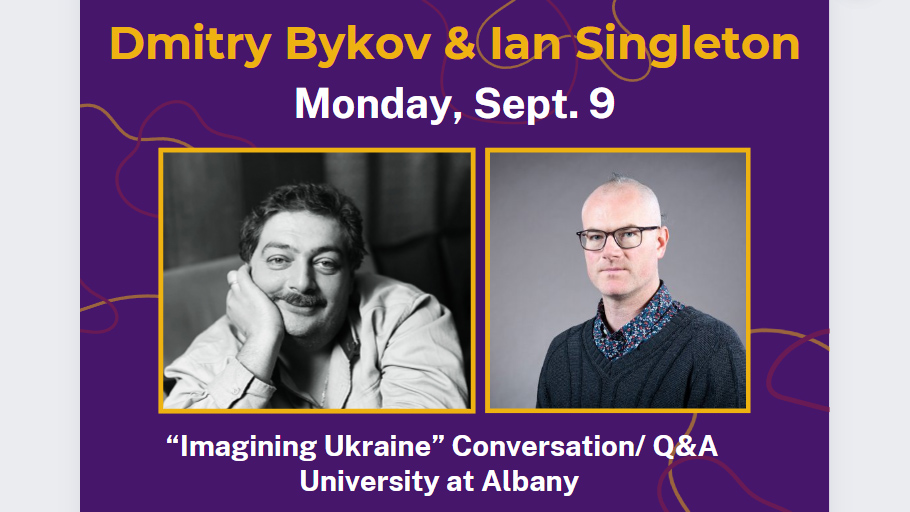
"Imagining Ukraine." Join us Monday, Sept. 9, for a conversation with Dmitry Bykov and Ian Singleton at UAlbany. https://t.co/V2tDvEg6JN
#Ukraine#dmitrybykov#russia
"Hoffman had to translate a Ukrainian particularity into an American one. This task shows the power at the core of the art of translation."
From this month's feature, "Rebirth in the Ash Heap of istoriya," by @singleton_ian: https://t.co/GgWqcw2KPP.
"History appears to happen in these . . . domestic places and often has to do with small and domestic feelings such as everyday anger."
—From @singleton_ian's essay on Olena Stiazhkina's CECIL THE LION HAD TO DIE (@HURI_Harvard), tr. by Dominique Hoffman: https://t.co/xJYBipA3QW
#BookTwitter What does it mean to belong? Who belongs where? From Odesa, USSR to San Francisco, CA to New York City, two generations discuss two big differences, real and fictional, thanks to @singleton_ian's novel.
https://t.co/n5levgZQLJ
My father just informed me that "two big differences" is a very common #Odesa expression. I didn't know that. I assume @singleton_ian knew that. Now you know it, too.
https://t.co/n5levgZQLJ #amreading#Ukraine
What does it mean to belong? Who belongs where? From Odesa, USSR to San Francisco, CA to New York City, two generations discuss two big differences, real and fictional, thanks to @singleton_ian's novel. Check out what my daughter and I have to say at:
https://t.co/n5levgZQLJ
Just finished filming the first half of Season Two for "Explaining the #USSR To My Kid - Through Books." Look forward to us discussing works by @SashaVasilyuk, Yuliya Patsay, Nina Kossman, @singleton_ian and more starting at the end of March.
Это история о переключении кодов. Переключение кодов — это термин из языкознания, означающий один из этапов изучения нового языка: в родной, исходный язык, все чаще вставляются междометия и идиомы из языка изучаемого.
https://t.co/ZEXbZEX57J
💝Thank you so much to @singleton_ian for sharing the first episode of Интерес (Interes), a U.S.-based Russophone podcast!
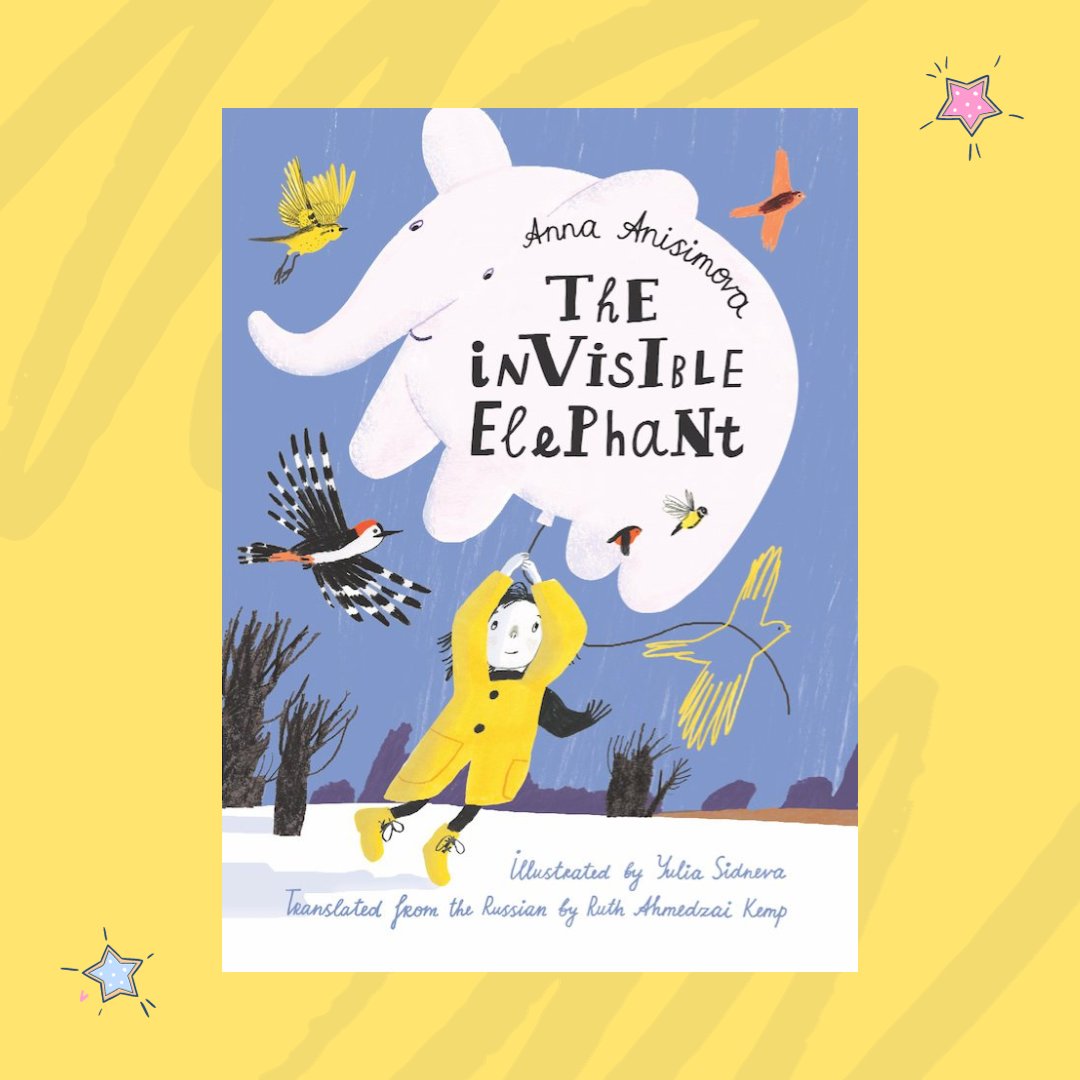
🐘If you’d like to listen to this Russophone podcast, go to: https://t.co/5Y1us7mvhV
☂️To purchase a copy of the book, go to: https://t.co/yo6HefL3L3
We captured him on his second day at the front. He said if he had turned back during the attack, he would have been shot by his own officers. 4/4 https://t.co/B0lndLgBR9 @asymptotejrnl
The prisoner was a twenty-six-year-old guy from central Russia. It was cold and he was wearing summer pants, a ratty old Soviet helmet, a civilian jacket that he stole somewhere here, and good quality body armor. He had only two bandages and a tourniquet in his first-aid kit1/4
and then he was sent to the front. On the very first day, his commanders lined up all the new arrivals and ordered them on an assault. Four soldiers refused and were immediately shot in front of everyone, the prisoner told us. After that, no one refused. 3/4