📢Our latest paper describing a blood-based host protein signature for distinguishing between bacterial and viral infections in children with fever from the @PERFORM_2020@EU_Commission study is out in Lancet Digital Health @LancetDigitalH https://t.co/o3j7XO6NJP. A thread🧵1/12
I’m pleased to share a pre-proof of our latest paper in Journal of Infection, led by @DrMahdiMoradi
We identified mechanistic correlates of #SARSCoV2 viral load in the upper respiratory tract https://t.co/fUVMQQa2iD
This was a great collaborative effort between many researchers
Newborn infection prevention information: a great new initiative from @LullabyTrust@KitTarka@bpaiig with clear guidance for new parents, family and friends.
https://t.co/9sIju4dyPi
So pleased that this is now finally available to all. Share widely! #THANKS
WHO pleads for immediate reversal of Gaza evacuation order to protect health and reduce suffering
WHO joins the wider @UN in appealing to Israel to immediately rescind orders for the evacuation of over 1 million people living north of Wadi Gaza.
A mass evacuation would be disastrous—for patients, health workers and other civilians left behind or caught in the mass movement.
With ongoing airstrikes and closed borders, civilians have no safe place to go. Almost half of the population of Gaza is under 18 years of age. With dwindling supplies of safe food, clean water, health services, and without adequate shelter, children and adults, including the elderly, will all be at heightened risk of disease.
The Palestinian Ministry of Health has informed WHO that it is impossible to evacuate vulnerable hospital patients without endangering their lives. Vulnerable patients include those who are critically injured or dependent on life support. Moving them amid hostilities puts their lives at immediate risk.
The two Ministry of Health hospitals in the North of Gaza that continue to be operational, have greatly exceeded their combined 760-bed capacity with severe overcrowding. Of the thousands of patients with injuries and other conditions receiving care in hospitals, there are hundreds that are severely wounded and over 100 who require critical care. These are the sickest of the sick. Many thousands more, also with wounds or other health needs, cannot access any kind of care.
The compressed timeframe, complex transport logistics, damaged roads, and, above all, lack of supportive care during transport all add to the difficulty of moving them.
Furthermore, the four Ministry of Health hospitals in the south of Gaza are already at or beyond capacity, and lack the critical care capacity and supplies needed to treat additional patients.
The lack of medical supplies is already endangering patients and hampering health workers. Supplies which WHO had pre-positioned in Gaza have mostly been consumed.
On 9 October, WHO Director-General @DrTedros met with Egyptian President Abdel Fattah El-Sisi, who agreed to a WHO request to facilitate the delivery of health and other humanitarian supplies from WHO to Gaza via the Rafah crossing.
WHO has prepared medical supplies in its logistics hub in Dubai and is ready to deliver them to Areesh, Egypt—just 20 minutes from Rafah—as soon as landing permit is received. The supplies would be enough to care for more than 300,000 patients with a range of wounds and diseases.
WHO asks for the immediate establishment of a humanitarian corridor for their onward, safe delivery to health care facilities in Gaza, including via Rafah.
WHO reiterates its plea for humanitarian access for life-saving supplies and the delivery of fuel, water, and food; for protection under international humanitarian law for civilians, health workers and health infrastructure; and ultimately, for an end to hostilities and violence.
79: Curious Congenital Conundrums - Mycobacterial Malady https://t.co/fEwq0gejY9
Really enjoyed the return of @febrilepodcast with @lizWWyld and Amedine Duret
On Wednesday morning we climbed the scaffolding outside Labour's London HQ and installed the kind of billboard we wish the party would run. Here’s why 🧵
1/13 Excited to share our study describing a 161 gene signature able to simultaneously classify 18 paediatric infectious & inflammatory diseases using multi-class supervised #Machinelearning. Out in @MedCellPress after a few years in the making 📰 https://t.co/ijqGAyXKds
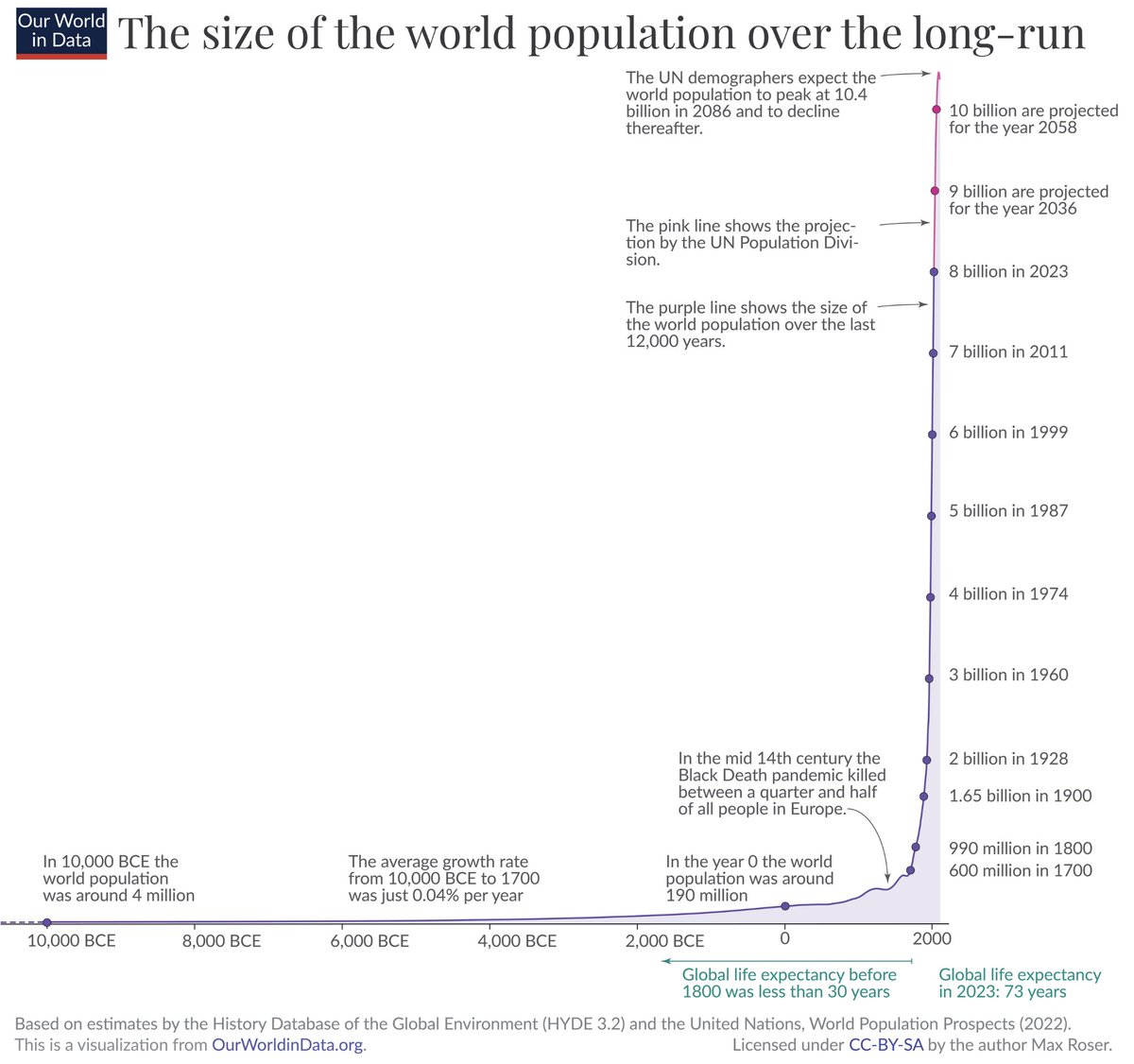
Made a new chart on the long-term history of population growth:
• For millennia, population growth was very slow.
• During the last 200 years, growth has been rapid.
• In 50 years, it is expected to reach the peak — the history of population growth will then end.
Delighted to share we are open for applications for the Global Health Primer for Doctors!!
If you’re interested in global health, this is the course for you: meet peers, experts & learn skills
#TipsForNewDocs#globalhealth#primer#MedEd#MedTwitter
https://t.co/AMJ39sfv3S
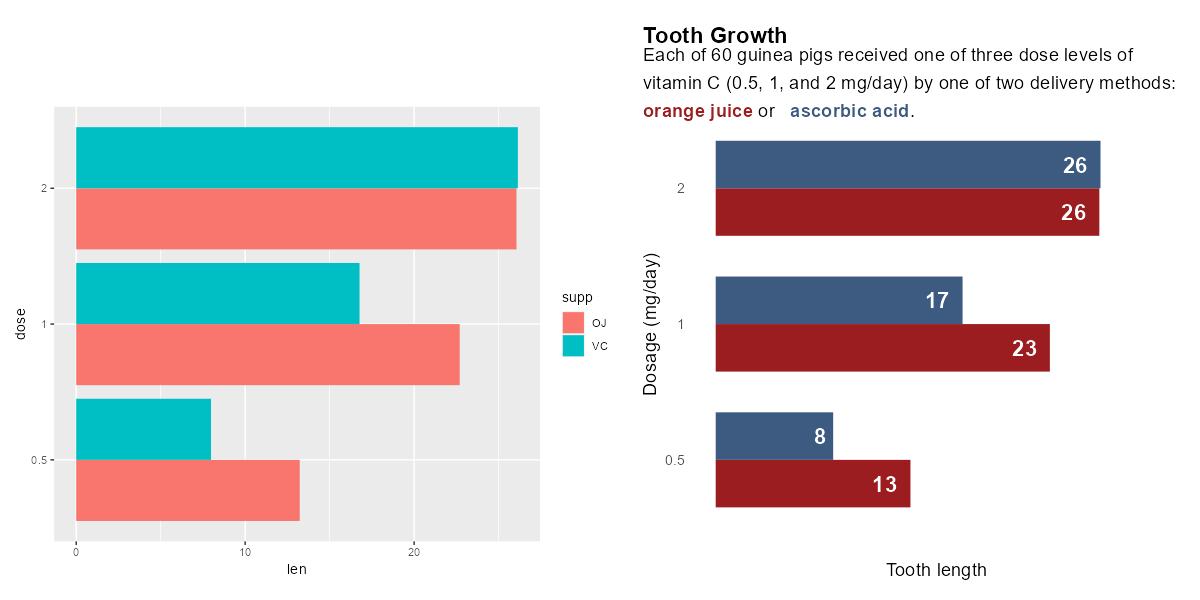
📣We've just launched a new guide for data visualisation
Covering the core principles & elements of #datavis - the structure of charts & tables and how they can be refined to aid readability.
Read it here ⬇️
https://t.co/Nr5dOgUZxC
Very pleased to share our paper on the Relationship between molecular pathogen detection and clinical disease in febrile children across Europe, which can be accessed here:
https://t.co/WA5BIKTjY3
“For every 1,000 children who get measles, one or two will die from it,"
Doesn’t sound like many does it - but what if it was your child - 20% of all school age children in London are unprotected.
We are starting to see admissions to hospital already
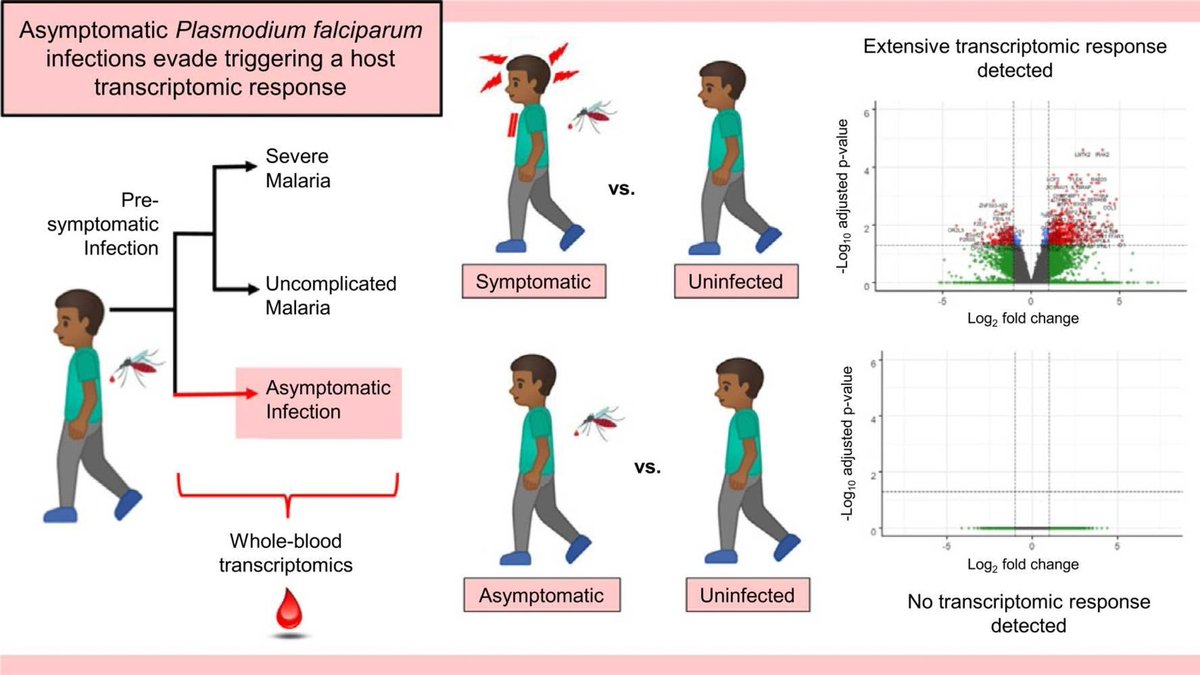
Important collaborative work between @ImperialInfect, @LSHM_malaria, @ICEMalaria, @WACCBIP_UG and @AhuPrah investigating the blood transcriptomic response to P. falciparum infection in children.
In summary: no detectable response! 😱🦟
https://t.co/nFJLn8JAJP
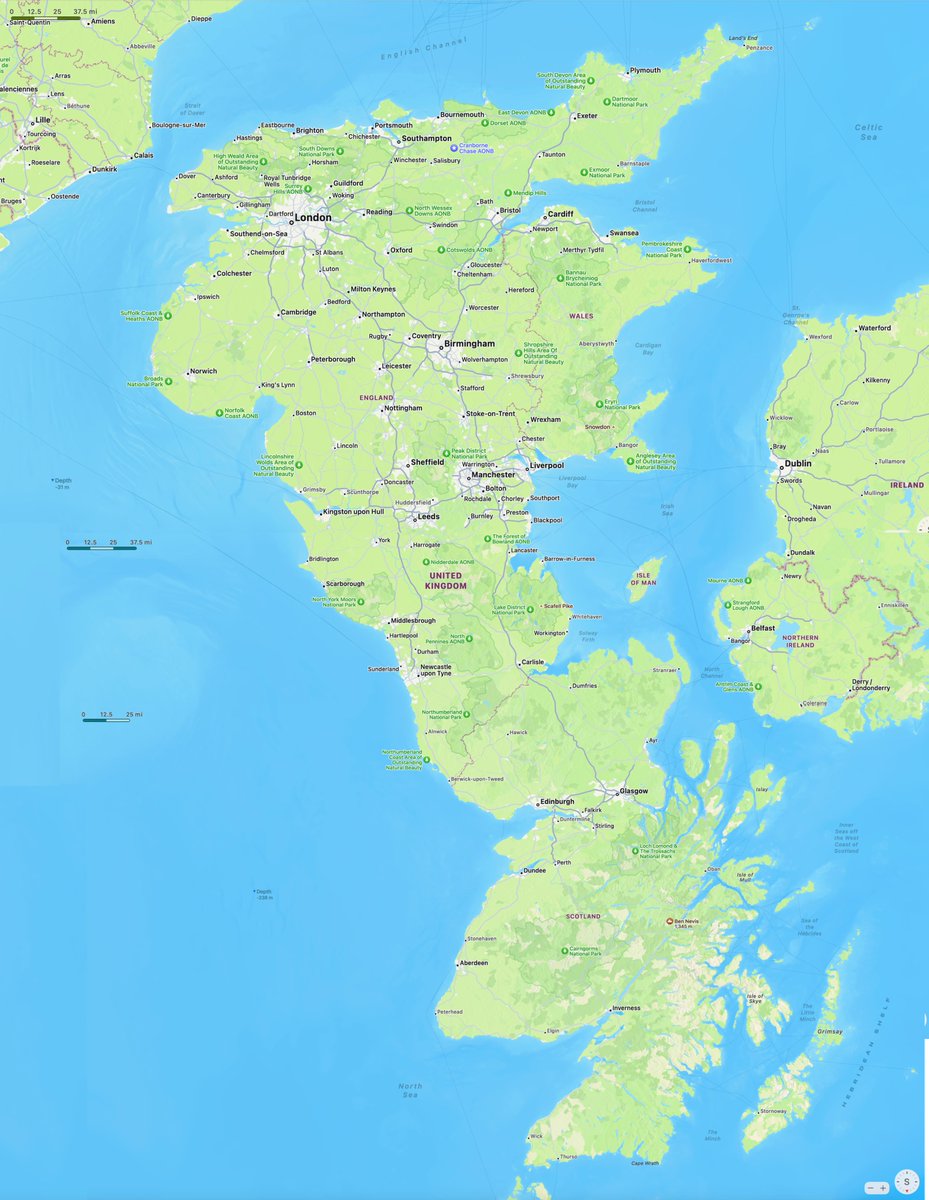
Looking at an upside-down map can make you see things you've been trained all your life not to to notice.
Have a little stare at this. What stands out for you? Is anything closer or bigger or wonkier than it normally looks to you on a "normal" map?