We are a non-profit enterprise that seeks to use historical archives, research, tech, & innovation to create better social cohesion and peaceful co-existence.
Doggerland.
A map showing Doggerland, a region of northwest Europe home to Mesolithic people before sea level rose to inundate this area and create the Europe we are familiar with today.
Map via National Geographic magazine.
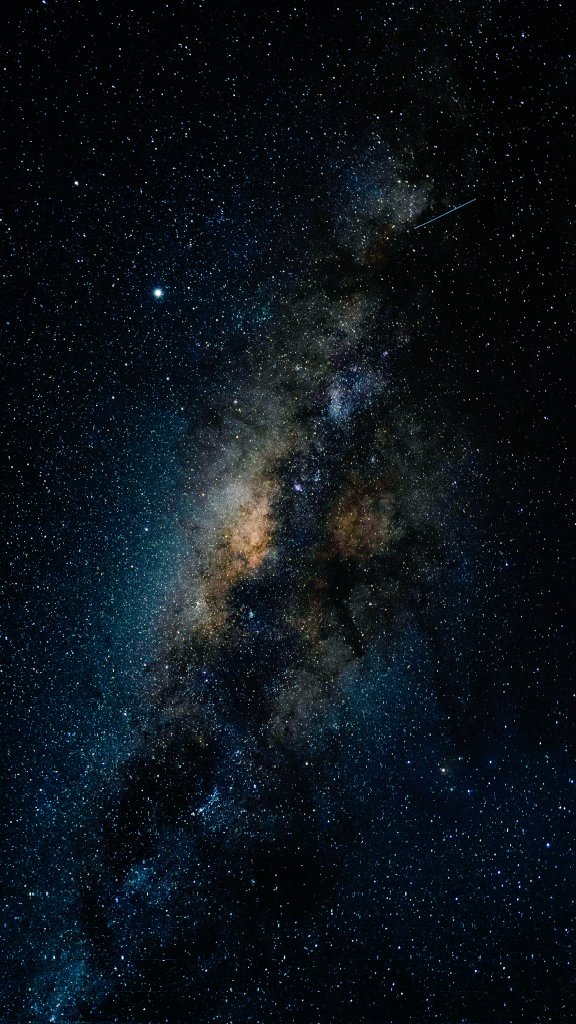
“ Every atom in your body was once part of a star that exploded. And the atoms in your left hand probably came from a different star than your right hand. You are all stardust. ”
— Brian Cox
This is older than Rome by over 600 years.
It predates the Trojan War and the writing of the Iliad by several centuries.
It was crafted nearly a millennium before the Parthenon in Athens.
But that's just to put it into perspective. The really incredible thing is that it's made of wood!
Over 3,400 years old, the State Chariot of Pharaoh Thutmose IV.
📍 NMEC, Egypt
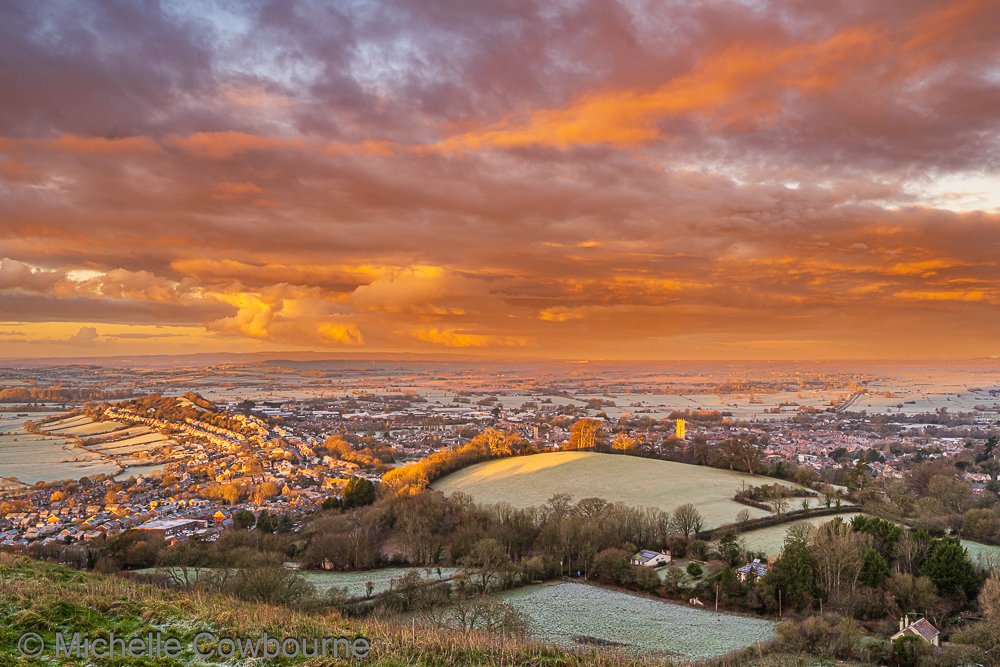
It's quite a bit warmer today but very grey on my morning walk. Here is that lovely Wintery light over Glastonbury town from a few days ago. It might have been frost bite weather 😂 but it was just so beautiful to be up on Glastonbury Tor that day.
An enchanting glimpse of Edwardian elegance captured in England, 1901. Gentlemen doffing hats to the camera, little girls in bonnets, and families with huge prams. A beautiful 125 year old film with charming new details emerging every time you watch it.
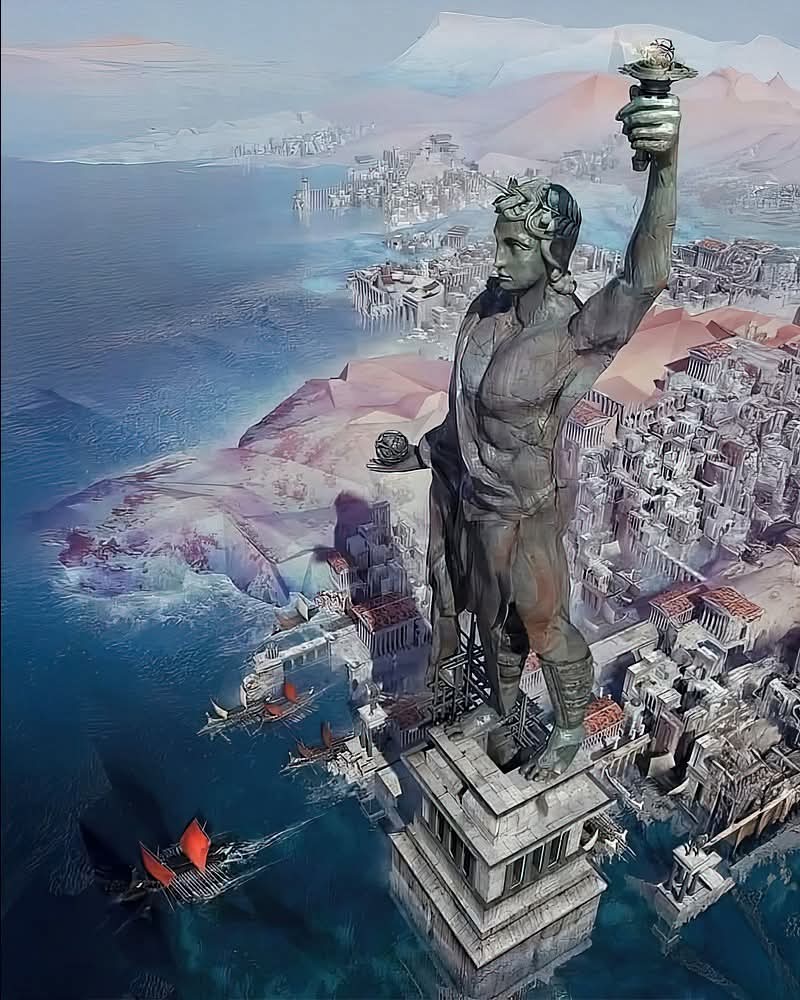
A modern depiction of the Colossus of Rhodes, rising to an impressive height of 33-48m, was renowned as one of the Seven Wonders of the Ancient World.
Erected between 292-280 BC by the talented Greek sculptor Chares, this grand statue was dedicated to the sun god Helios, commemorating Rhodes' triumph over Cyprus. Crafted from a combination of iron and brass, its core was packed with stone, and earthen ramps facilitated the assembly of its massive components.
The statue graced the entrance of Mandraki Harbor for 54 years until a catastrophic earthquake in 226 BC brought it crashing down at the knees. While its exact site is still unknown, artistic representations of the Colossus continue to evoke wonder and spark the imagination.
#archaeohistories
Rare early 1930s footage of London's Waterloo Railway Station. The elegance of steam train arrivals, well dressed crowds, and porters attending to first class coaches.
The geoid is the true, most accurate model of Earth's shape, accounting not only for its rotation but also for the distribution of masses inside the planet, making the surface slightly uneven and deviating from a perfect sphere. Unlike a school globe, which depicts Earth as an ideal ball, the geoid resembles a slightly flattened at the poles and bulging at the equator potato, with height variations up to 100 meters due to gravitational anomalies. This shape arises from the centrifugal force of Earth's rotation, which "inflates" the equator by an additional 21 kilometers compared to the polar diameter. Interestingly, the geoid is used in GPS navigation and geodesy to precisely measure elevations above sea level, as oceans follow this "uneven" surface. Imagine: if you shrank Earth to the size of a basketball, the geoid's irregularities would be smaller than the roughness on an orange's skin, yet they still impact our daily lives!
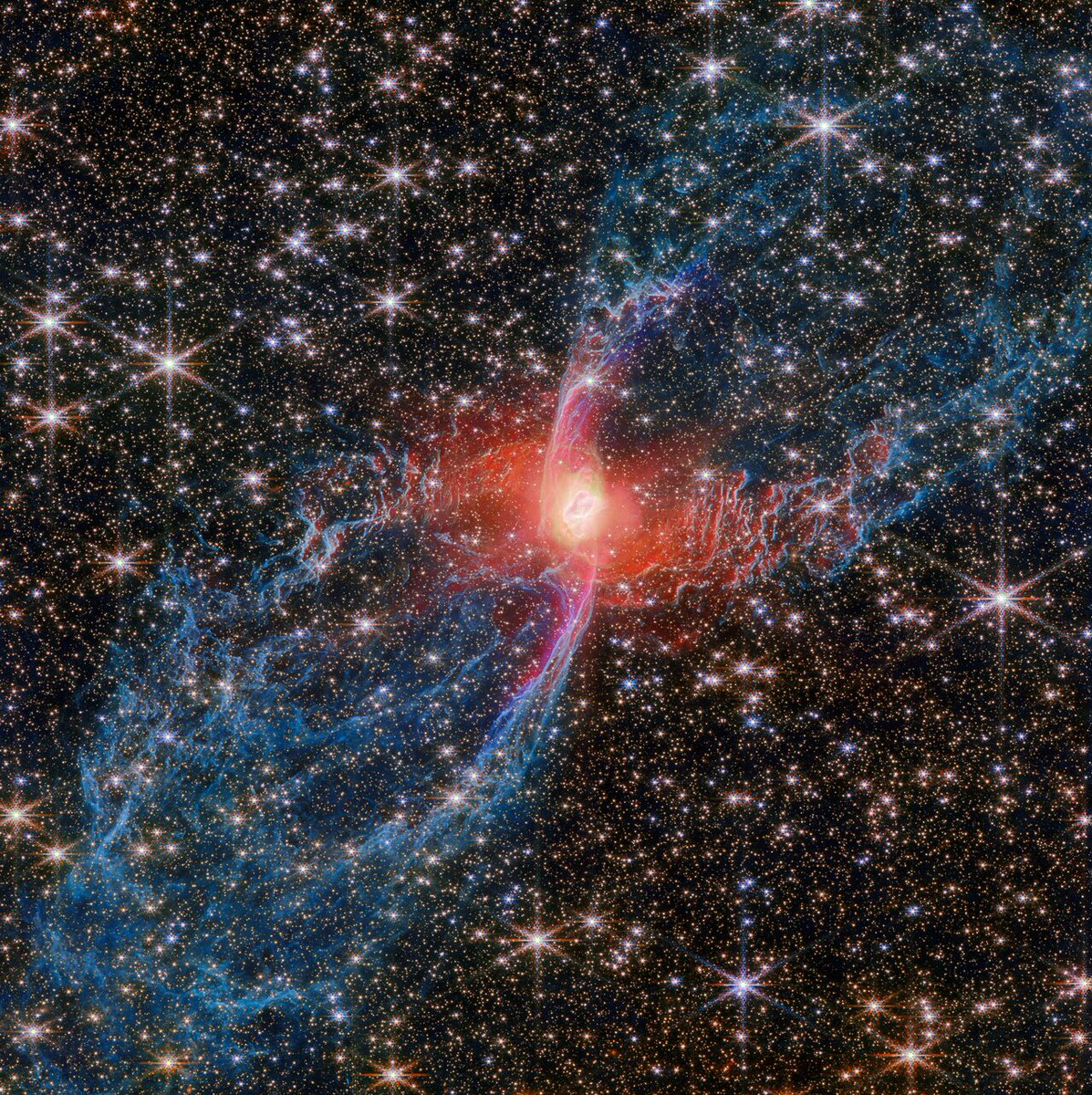
There’s beauty in the breakdown.
When a Sun-like star reaches the end of its life, it creates a planetary nebula like this one. Webb’s new observations of the Red Spider Nebula reveal never-before-seen detail. https://t.co/1kTLFEYftA