🧠 Does whole-pelvic radiotherapy still deserve to be routine in high-risk prostate cancer?
Article 📰
https://t.co/eKuiPF9qfP
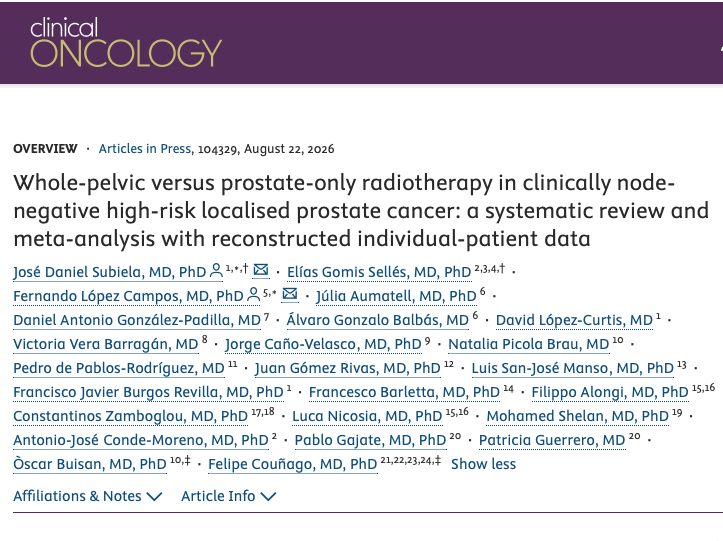
Whole-pelvic versus prostate-only radiotherapy in clinically node-negative high-risk localised #ProstateCancer : a systematic review and meta-analysis with reconstructed individual-patient data
A new synthesis of five phase III trials involving 5,172 patients finds no overall-survival advantage from whole-pelvic versus prostate-only radiotherapy ☢️ in high-risk localized prostate cancer. Apparent improvements in progression and metastasis-free outcomes were driven entirely by one PSMA-staged, single-centre trial and disappeared when it was excluded. Reconstructed individual-patient data confirmed the findings.
➡️ Current evidence therefore does not support routine elective pelvic irradiation, although selected very-high-risk patients warrant prospective evaluation.
@josedsh@F_lopez_campos@Julia_Aumatell@Daniel_Urologia@NataliaPicola@PedrodePablos1@JGomezRivas@lsanjosemanso@alongi_filippo@CZamboglou@NicosiaMd@oscar_buisan@fcounago@OncoAlert 🚨 #LPCCC27
@Silke_Gillessen@AOmlin@ProfKHerrmann@weoncologists
1 in 5 pts. No symptoms.
In a prospective study (n=112) of HER2+ and TNBC, brain MRI screening detected metastases in 19.6% (9.8% at baseline) and 2/3 were asymptomatic.
Earlier detection may allow more SRS and less WBRT.
Is it time to rethink brain MRI screening?
https://t.co/vJ2vUHXs56 @OncoAlert
Ultra-hypofractionated versus conventionally fractionated radiotherapy for localised prostate cancer (HYPO-RT-PC)
https://t.co/GHriyz3zIX
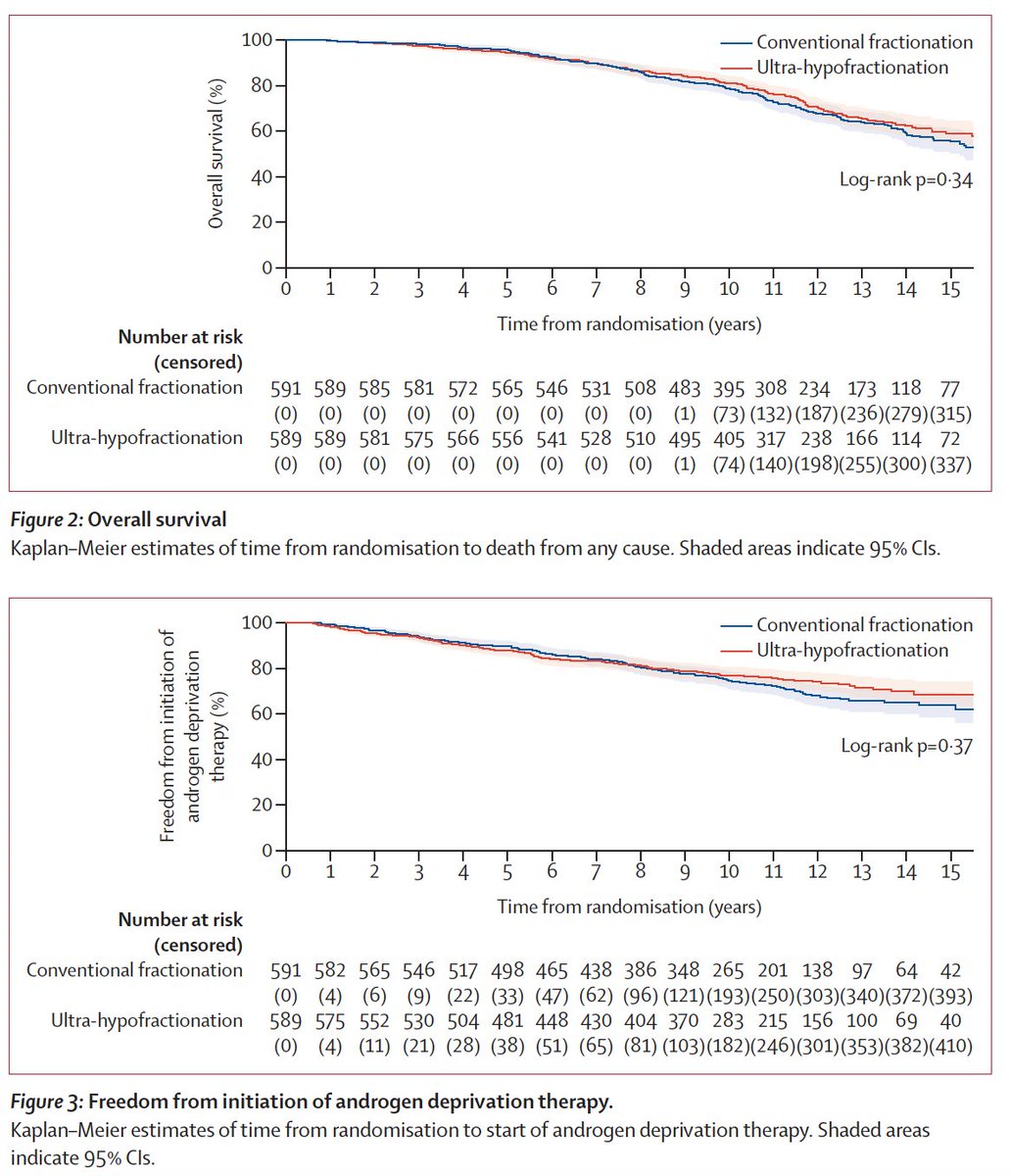
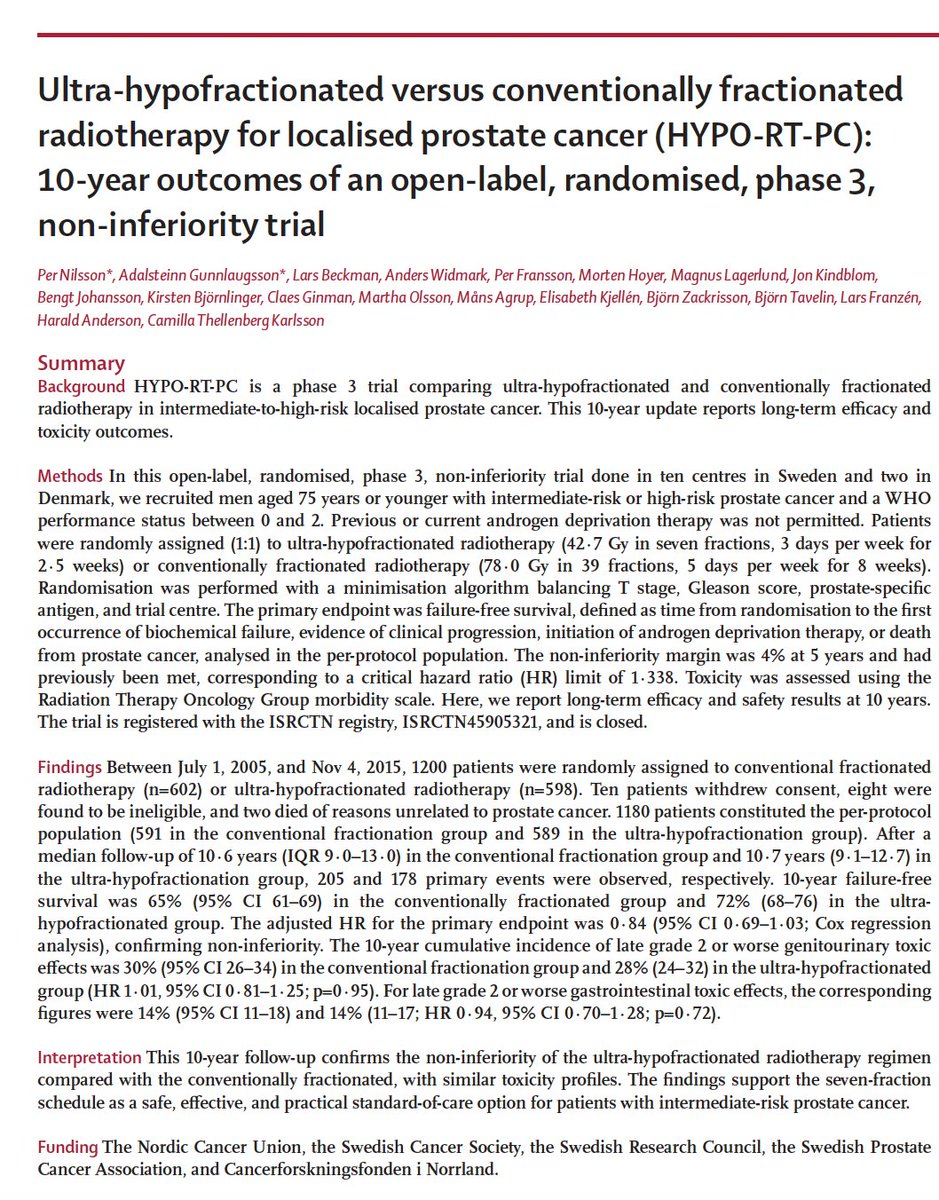
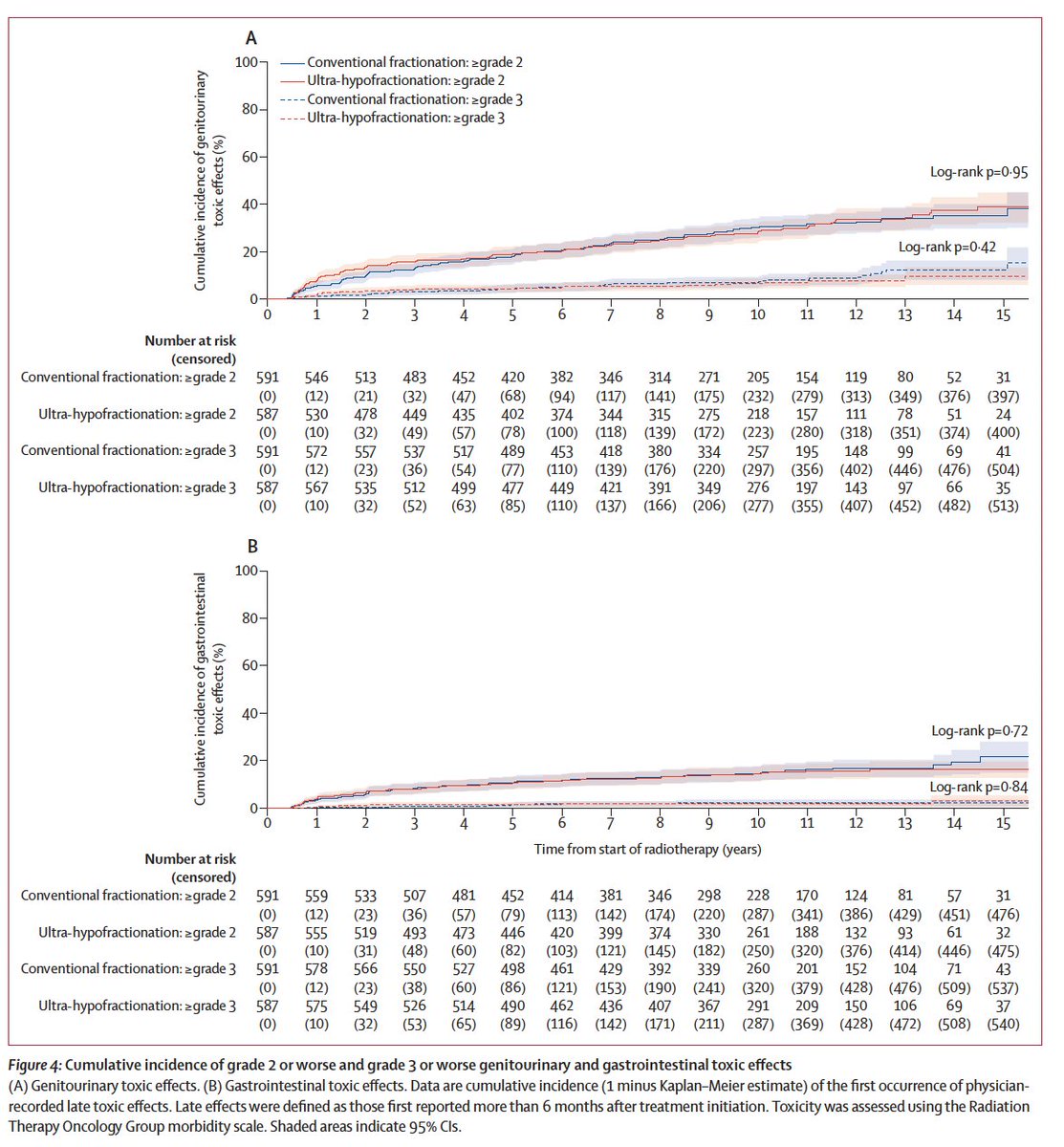
HYPO-RT-PC is a phase 3 randomized non-inferiority trial comparing ultra-hypofractionated (42.7 Gy in seven fractions) with conventionally fractionatedradiotherapy (78 Gy in 39 fractions)☢️ in 1200 men with intermediate-to-high-risk localized #ProstateCancer .
After 10 years’ median follow-up, failure-free survival was 72% versus 65%, confirming non-inferiority (HR 0.84). Late genitourinary and gastrointestinal toxicities were similar. Ultra-hypofractionation is a safe, effective long-term standard-of-care option.
@OncoAlert 🚨
@Silke_Gillessen@AOmlin@weoncologists
🚨10-year data from HYPO-RTPC for patients w/ int or high risk #ProstateCancer (n=1200)
@TheLancetOncol
🔑Takeaways:
⏱️ 7 fractions (2.5 weeks) vs 39 fractions (8 weeks)
🎯 Non-inferior failure-free survival at 10 yrs (HR 0.84) 📉 Similar late GU & GI toxicity (Grade ≥2)
🧬 No ADT used
🏥 More convenient, resource-efficient care
🔗https://t.co/OhP4mSPTdq
@PCFnews@urotoday@UrologyTimes@renalandurology
Not every Gleason 3+4 should be on active surveillance. Consider:
- amount of pattern 4 (number of cores and % core)
- PSA density
- cribriform or intraductal
- PI-RADS (also capsular involvement)
- Decipher
@MayoUrology#MayoUroHawaii26
Current treatment strategies for advanced prostate cancer
https://t.co/mB3jWqq4ho
Over the past decade, management of advanced #ProstateCancer has evolved markedly with the introduction of novel agents such as sipuleucel-T, radium-223, abiraterone, enzalutamide💊, and cabazitaxel, all demonstrating survival benefits. Despite these advances, optimal selection and sequencing of therapies remain uncertain.
Emerging evidence from randomized and retrospective studies, alongside ongoing prospective trials and molecular tumor profiling, aims to refine treatment strategies.
Kazumasa Komura
@ChrisSweens1
Philip Kantoff
@OncoAlert 🚨
@Silke_Gillessen@AOmlin@weoncologists
@EORTC@HorizonEU LEGATO trial continues tò enroll patients with recurrent GBM il all' Europe to answer the question if RT plus lomustine Is superior tò lomustine alone
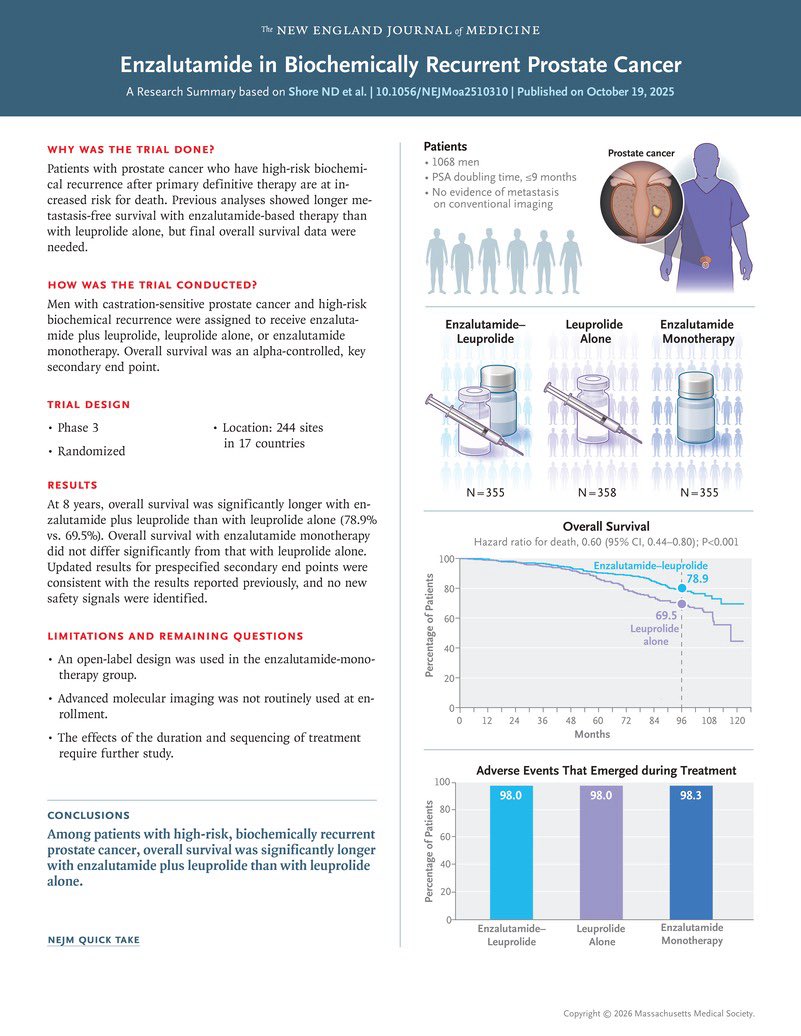
For high-risk recurrent prostate cancer, adding Enzalutamide to standard therapy significantly extends life. At 8 years, survival rose from 69.5% to 78.9%.
@NEJM@APCCC_Lugano@OncoAlert
DOI: 10.1056/NEJMdo008359
Results of the Randomized Phase 3 AFU-GETUG-20 Trial Evaluating Adjuvant Leuprorelin Acetate After Radical Prostatectomy in Men with High-risk Localized Prostate Cancer
https://t.co/0sSS6ftRnO
The AFU-GETUG-20 phase 3 trial investigated whether immediate postoperative leuprorelin benefits high-risk nonmetastatic prostate cancer patients with undetectable PSA after radical prostatectomy. A total of 325 patients were randomized to leuprorelin or observation. After up to 🔟 years, metastasis-free survival, PSA rise–free survival, overall survival, and prostate cancer–specific survival were similar between groups. Leuprorelin significantly reduced testosterone levels but caused more adverse events, including hot flashes, fatigue, pain, and psychiatric disorders, leading to poorer quality of life.
Despite limited trial power due to enrollment, findings suggest immediate androgen-deprivation therapy post-surgery does not improve survival and increases treatment-related morbidity. #ProstateCancer
@rozetfrancois@delataillealex@PrRomainMATHIEU@LBrureau@MRoupret@barret_e@fizazikarim@OncoAlert 🚨
@silkegillessen@AOmlin@weoncologists
In locally advanced rectal cancer, short course RT (25 Gy/5 fx) was less immunosuppressive than long-course RT, despite more advanced disease. SCRT showed faster lymphocyte recovery, lower NLR and higher intratumoral CD8+ and FOXP3+.
This immune preserving profile provides a biological rationale for SCRT-based radio-immunotherapy strategies.
https://t.co/Rfd0Hhd3d0 @OncoAlert
📢 Posicionamiento en Cáncer de próstata avanzado
La Asociación Española de Urología (AEU) @InfoAeu y su Grupo de Urología Oncológica (GUO) @GUOaeu publican un documento de posicionamiento defendiendo la capacitación de los urologos y su habilitación legal para prescribir inhibidores de PARP (iPARP) en el cáncer de próstata resistente a la castración metastásico.
🔬 Basado en evidencia científica,
⚖️ respaldado por el marco legal vigente,
🤝 y alineado con un modelo colaborativo y centrado en el paciente.
👉 Restringir la prescripción no mejora la calidad asistencial, fragmenta la atención y va en contra de la continuidad clínica. La innovación debe llegar al paciente sin barreras artificiales entre especialidades.
📄 Publicado en Actas Urológicas Españolas @actasurologicas https://t.co/v9xjRnQa0H
#Urología #MarcaAEU #CáncerDePróstata #AEU #GUO
@CarmenGEnguita@CoralManso@albertobudiaalb@dperfen
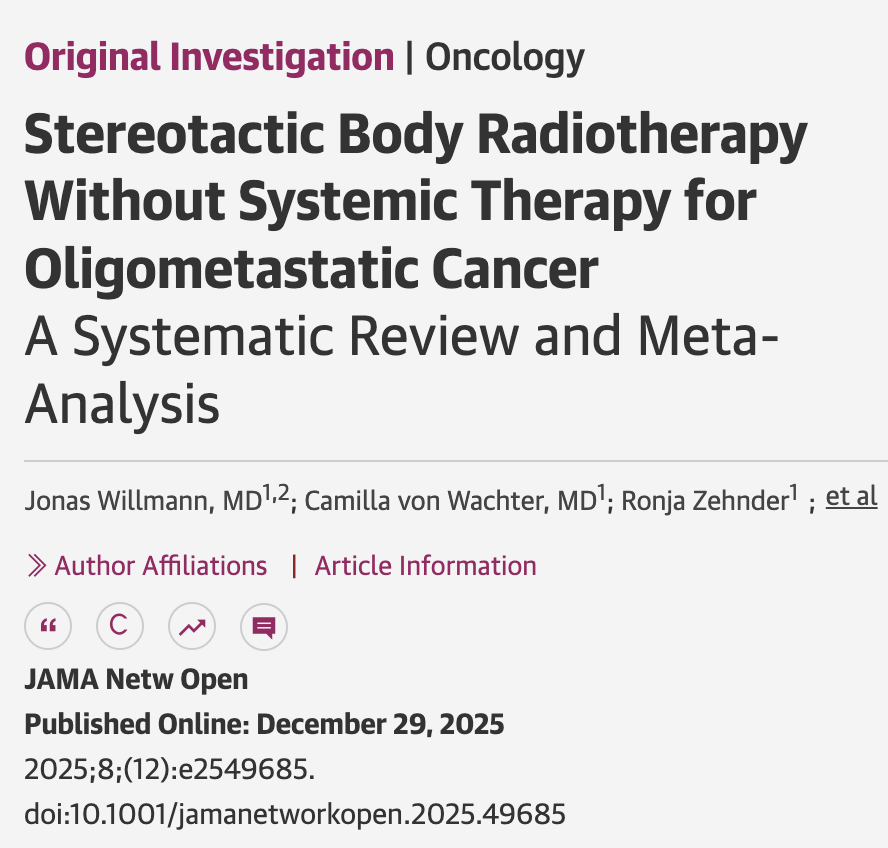
Do we always need upfront systemic therapy in oligometastatic disease?
This meta-analysis in @JAMANetworkOpen suggests not.
SBRT achieved 70% systemic therapy free survival at 1–2 yrs, rising to 78% in prostate & 87% in renal cancer, with low toxicity & preserved QoL.
Appropriate pt selection & tx sequencing matter.
https://t.co/NDu4xq2AIV @OncoAlert
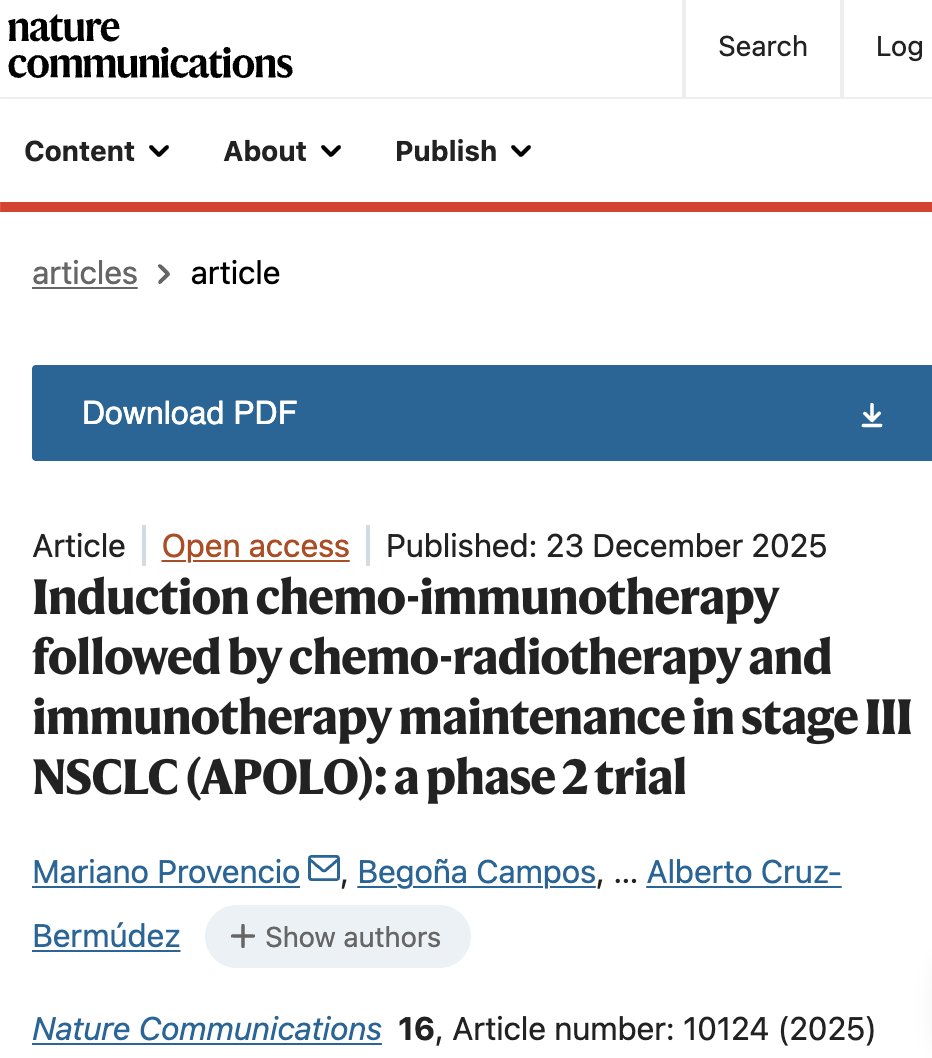
In stage III NSCLC, sequence may matter more than we think.
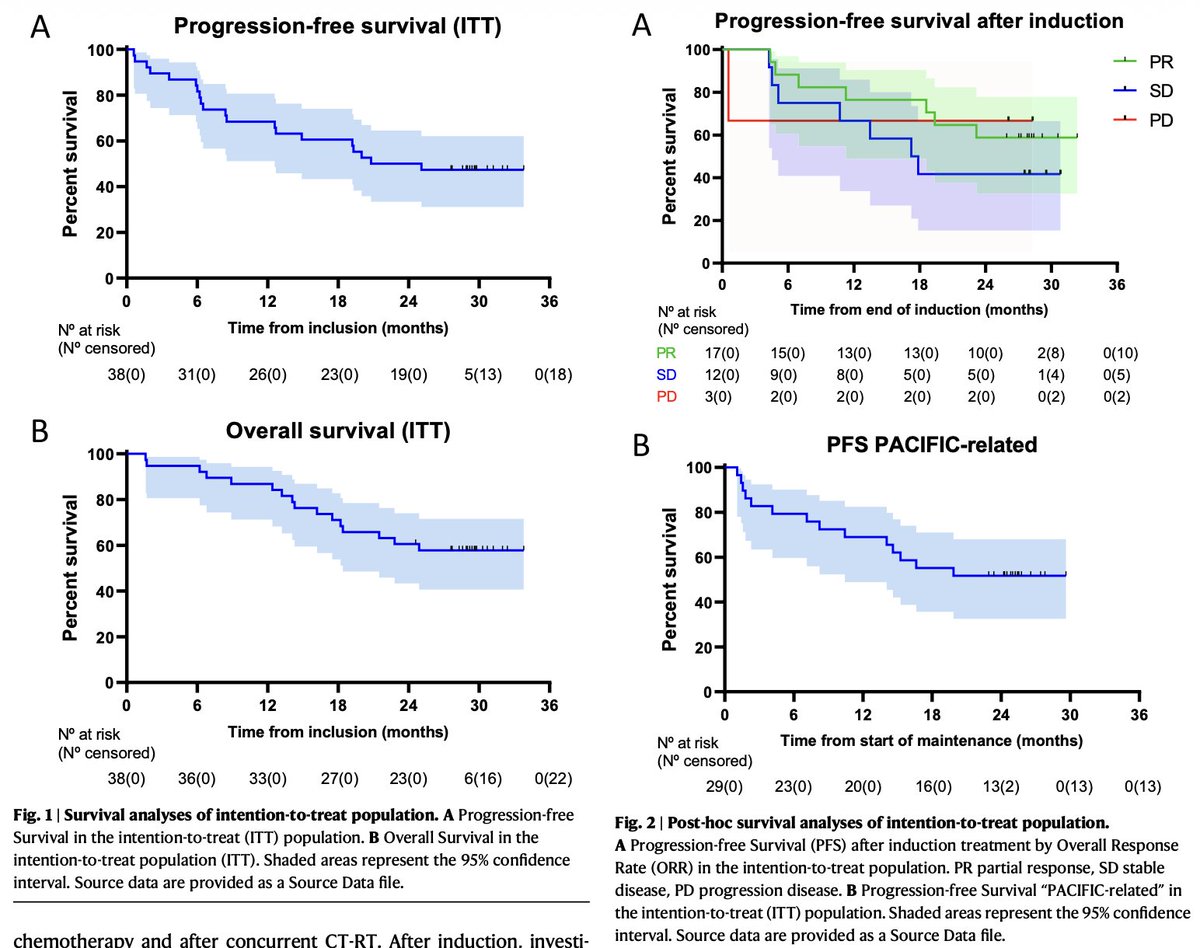
APOLO ph2, open label, single arm trial in unresectable stage III NSCLC showing that induction ChT-IO (atezo) before cCRT achieved a 1-yr PFS of 68.4%, ↑ than historical PACIFIC rates (63% IIIB/C). 2-yr OS was 60.5%, ORR after induction was 47.4% & G≥3 pneumonitis (2.6%).
The strongest signal was ctDNA clearance after induction.
Hypothesis-generating, but supports earlier IO and ctDNA-guided selection.
https://t.co/FJV1bQVECC @OncoAlert
🔍 PLND in the PSMA-PET era: are we all doing the same thing?
🌍 An international survey of 438 urologists explores how negative PSMA-PET influences decisions on pelvic lymph node dissection (PLND) during radical prostatectomy in intermediate- and high-risk prostate cancer.
🔑 Key takeaways
• 80% routinely perform PLND in EAU high-risk patients
• In PSMA-PET–negative cases, >50% still perform extended PLND
• Yet, only 22% believe extended PLND offers a therapeutic benefit when PSMA-PET is negative
• Staging, not cure, remains the main rationale for PLND
• Practice varies widely despite guideline updates and widespread PSMA-PET availability
⚖️ Why the controversy?
Concerns about morbidity, hospital stay, reimbursement, and the uncertain survival benefit continue to shape real-world decisions.
🧠 Bottom line:
Even in the PSMA-PET era, PLND practice remains heterogeneous, reflecting ongoing uncertainty between imaging, guidelines, and surgical tradition. More evidence is urgently needed to standardize care.
📄https://t.co/P2h4H6StWO