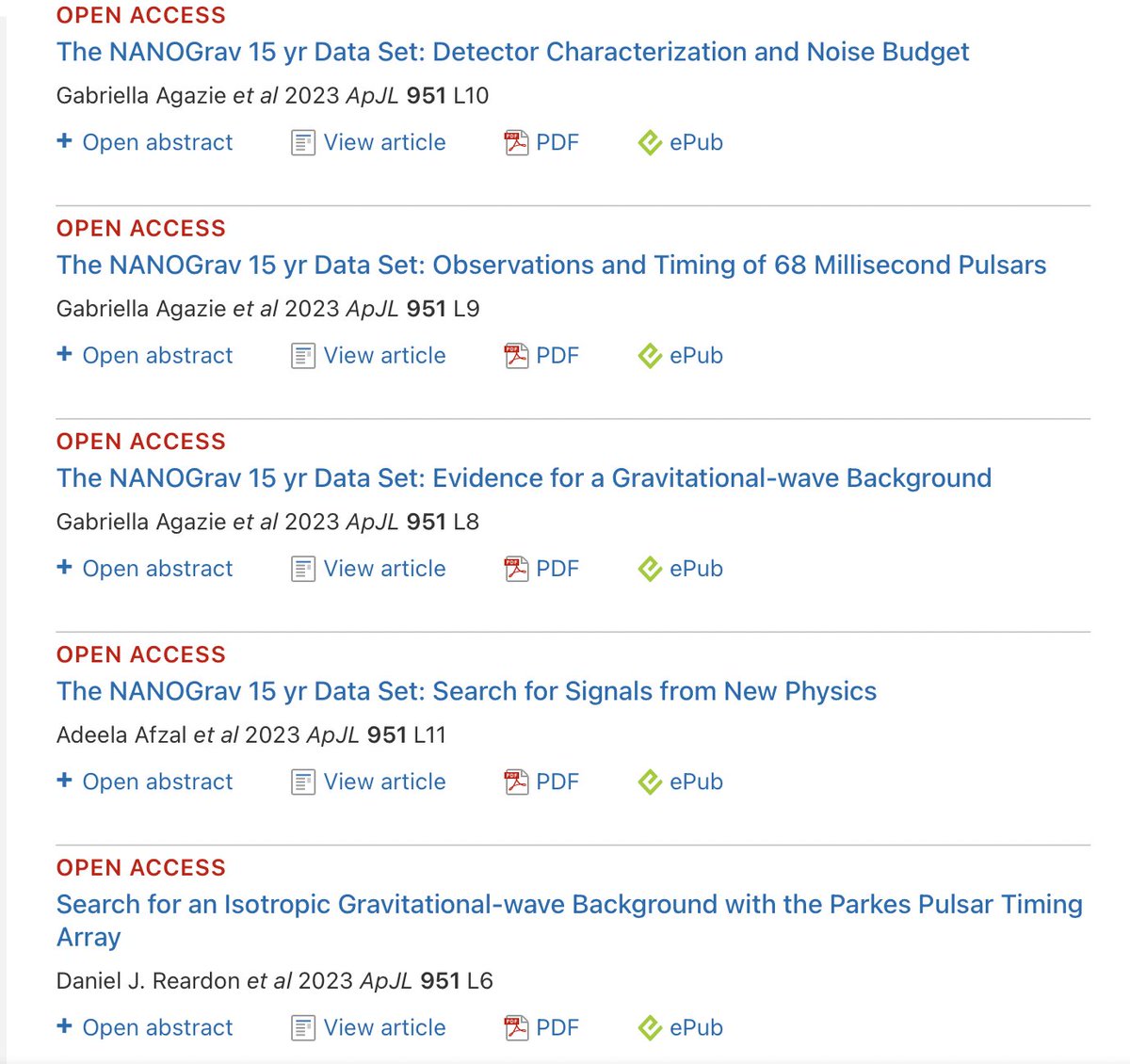
Congratulations to NANOGrav for detecting evidence that gravitational waves fill the cosmos.
These ripples in the fabric of space happen when massive objects like black holes circle one another before colliding. The result brings us closer to understanding how galaxies evolve. https://t.co/AKZhOS5qwe
In eight new papers, @NANOGrav presents evidence for a gravitational wave background. In this bite, we provide an overview of their results and their implications #pulsartimingarrays#GravitationalWaves
https://t.co/FXyY6ZqnLN
Did you know the Beatles turned down the chance to be on the @NASAVoyager Golden Record?
For more fun facts about Voyager, check out my interview with engineer Todd Barber, scientist Alan Cummings, and Becky Ferreira from @motherboard@VICE! 🛰️🪐🎶
https://t.co/wzn0HrJ59a
Happy #PulsarFriday!
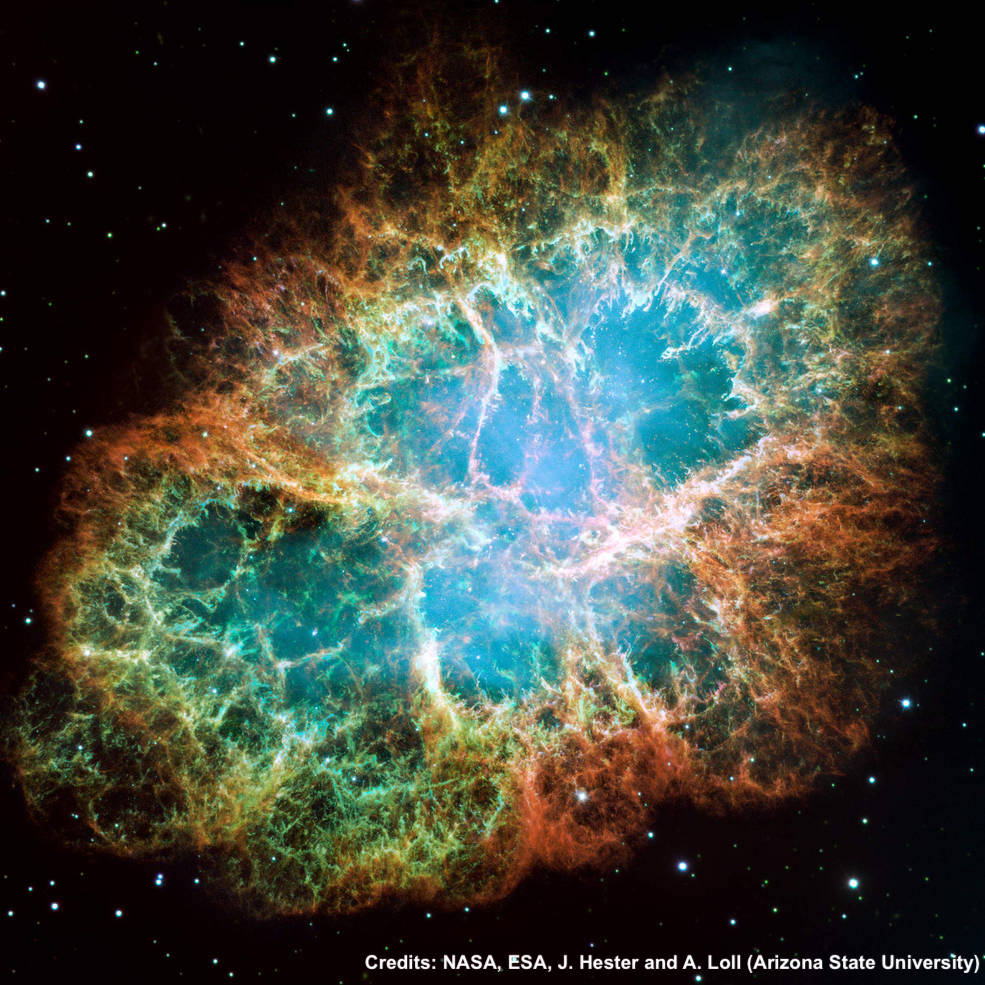
Have you ever seen the picture below of the Crab Nebula? Did you know that this supernova remnant actually contains a very interesting pulsar? Learn more about it on this edition of Pulsar Friday! 🧵
Our August issue is now here for you to read: https://t.co/uk9fzagc7j
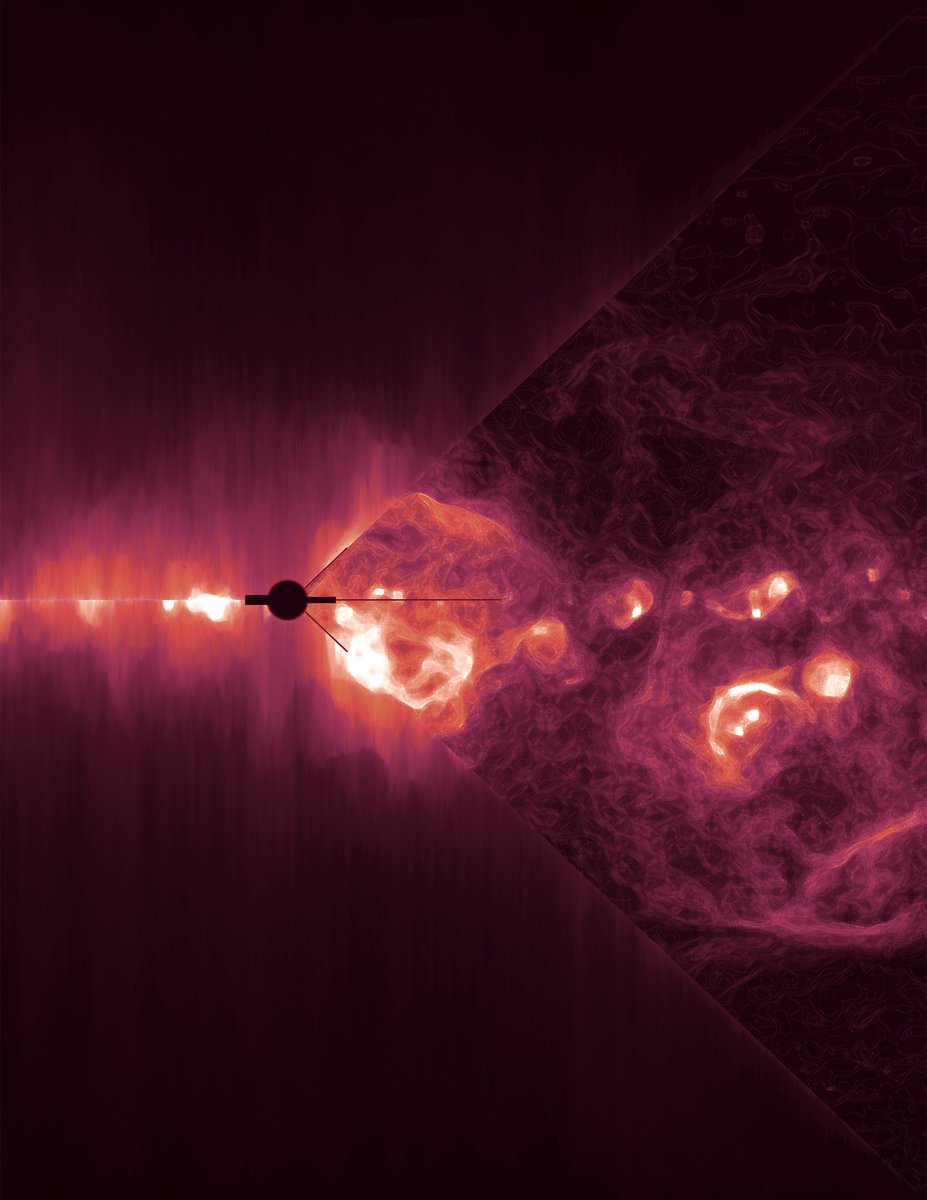
The cover image is connected to the Voyager 1 paper in the issue (Ocker et al.), and was created by Jack Madden.
@Astro_Madden created this beautiful rendition of @NASAVoyager in interstellar space. The lovely wisps are clouds of interstellar gas imaged by the WHAM H-alpha survey.
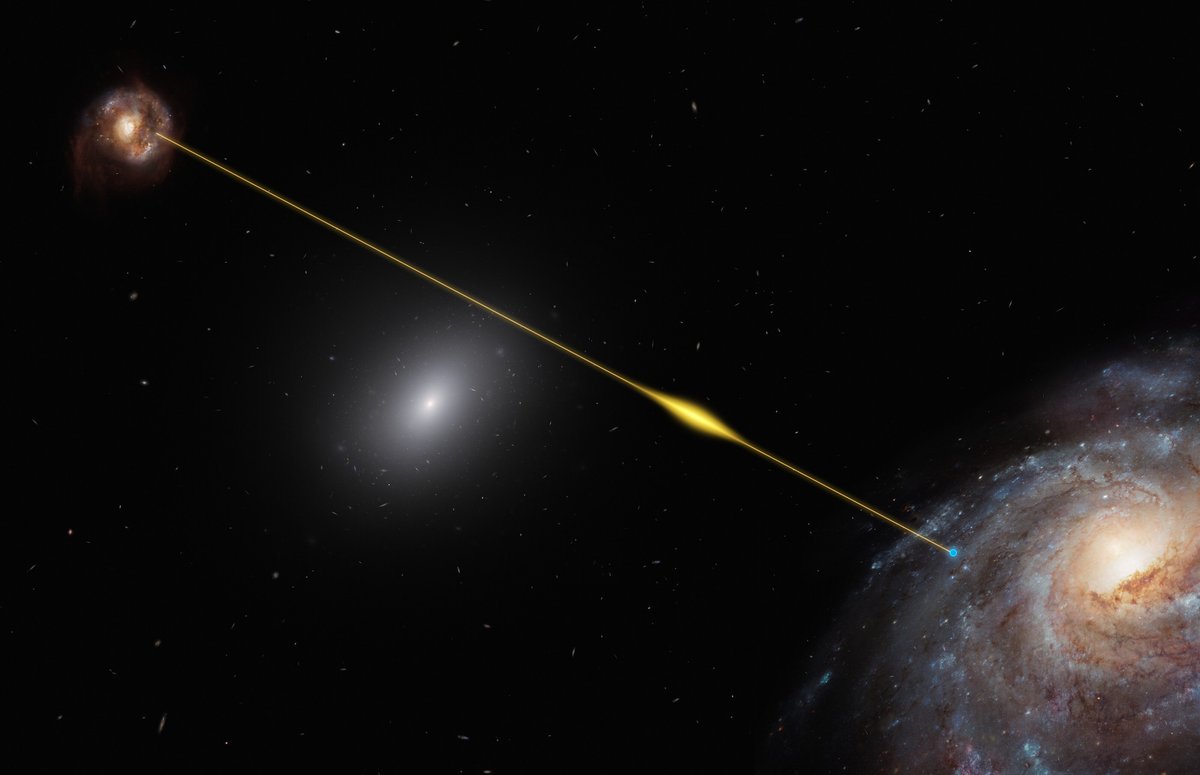
What Fast Radio Bursts Tell Us About Galaxy Halos
Scientists are leveraging enigmatic bursts of radiation to learn about the hot, ionized gas around the Milky Way and other galaxies. https://t.co/Kk4tpqgabw @Cornell@CornellAstro@space_ocker
🔊 From 14.1 billion miles from Earth, the Voyager 1 spacecraft has detected a new cosmic “hum” in interstellar space from the Plasma Wave System instrument aboard the craft!
🌊 Learn about what this fascinating discovery means to us here on Earth: https://t.co/2yANyhRxQw
@steampunk82 One of my favorite places to start if you're interesting in learning more about Voyager is the NASA/JPL website: https://t.co/Pnp7OSSQV9 They have a lot of great materials about the mission and its many discoveries!
After >40 years of space travel, Voyager 1 has discovered an intriguing new signature of plasma vibrating in the interstellar medium. Thanks to this detection, we can now continuously track the structure of interstellar space traversed by Voyager 1!
A weak, previously undetected, plasma oscillation is aiding Voyager 1 to measure the density of the interstellar medium without the need for Solar ejections. Work from @space_ocker and colleagues. @NASAVoyager@CornellAstro
🌟⭐️✨
My paper on using fast radio bursts to study ionized gas in galaxy halos is officially out in ApJ! You can check it out here https://t.co/1lQp5Lt3ho (arXiv:2101.04784), or alternatively, see the talk I gave to CHIME/FRB Journal Club: https://t.co/AeSPhrggc6
🌟⭐️✨
Trained astrophysicist @Astro_Madden has found creative ways to use the #Wolfram Language whilst pursing a MFA. Here, Madden shares the process of mapping a list of colors with a list of characters to create beautiful images: https://t.co/fzG7gzGDsT #MadewithMathematica