Erica Cotton, PsyD, and colleagues created a therapist-guided and patient-led treatment for veterans and civilians with #FunctionalCognitiveDisorder (FCD).
Because no widely available #BehavioralHealth interventions existed for FCD, the authors created a comprehensive 14-chapter manualized, therapist-guided, neurobehavioral therapy protocol called the “Taking Control of Your Functional Cognitive Symptoms: Workbook.”
Read more: https://t.co/8L5WjcCXHz
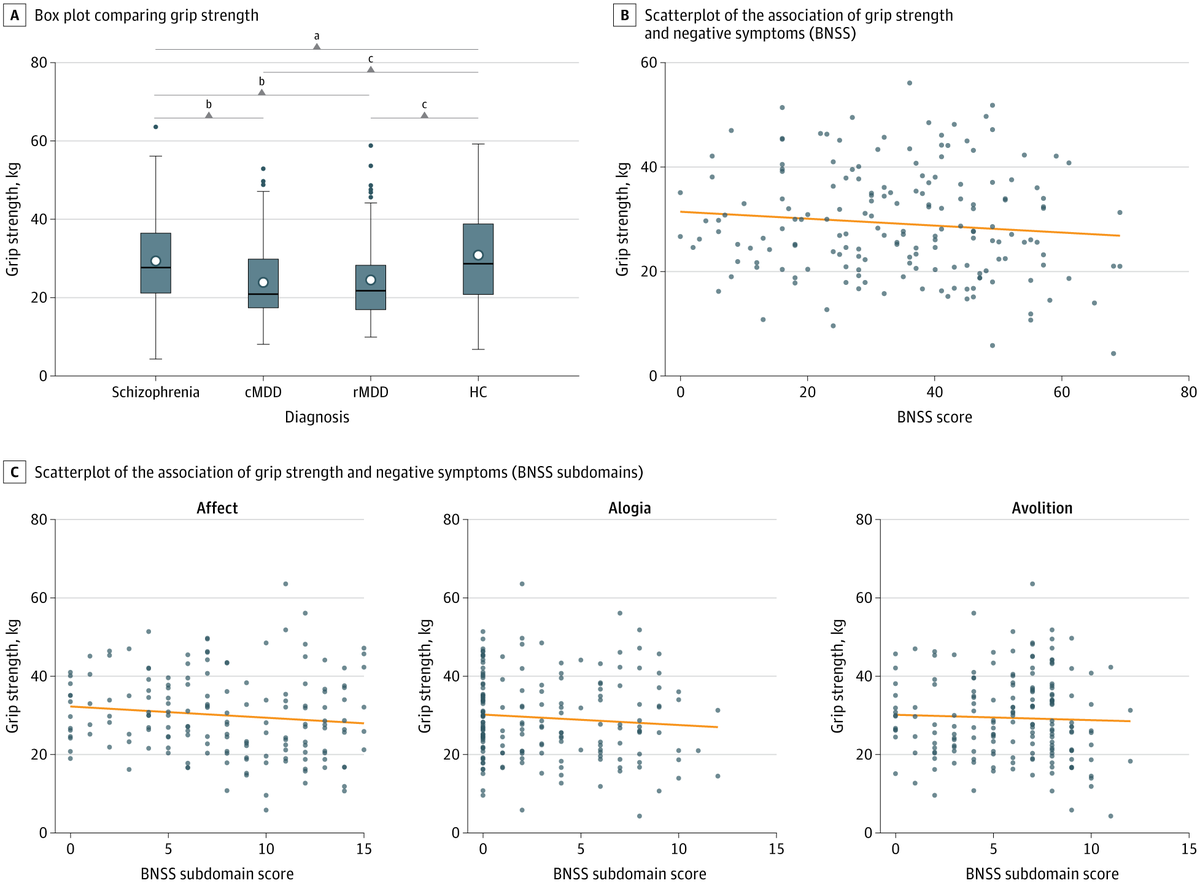
Reduced #GripStrength is observed in patients with #Schizophrenia, current and remitted #Depression vs healthy controls, reflecting persistent motor and motivational dysfunction across diagnostic groups. https://t.co/EHxoLIqq1N
New case series:In PD dementia,cognitive fluctuations were consistently time‑locked to hypotensive episodes on 24‑hr BP monitoring — independent of levodopa timing. Recognizing & treating hypotension may be key to improving cognition. @AMahajanMD@UCMovDis https://t.co/iN5V0YKelC
Our new paper is out in @JAMAPsych!
People with schizophrenia are 4-20x more likely to develop dementia before 65. But why? Alzheimer's in disguise? Medications? Cardiovascular disease? We tested these and other potential explanations in 155 people with severe, extremely treatment-resistant schizophrenia (SETRS), continuously hospitalized 20+ years. None of them held up.
Link to paper https://t.co/KOrtz6o8lq and thread below 🧵
🚨 How does a breast tumor cause sudden-onset psychosis and seizures?
A new @Nature paper maps how ectopic NMDA receptors in cancer unmask pre-existing germline B-cells, triggering anti-NMDAR encephalitis.
It answers the WHY
Cancer immunity becomes neurotoxicity🧵
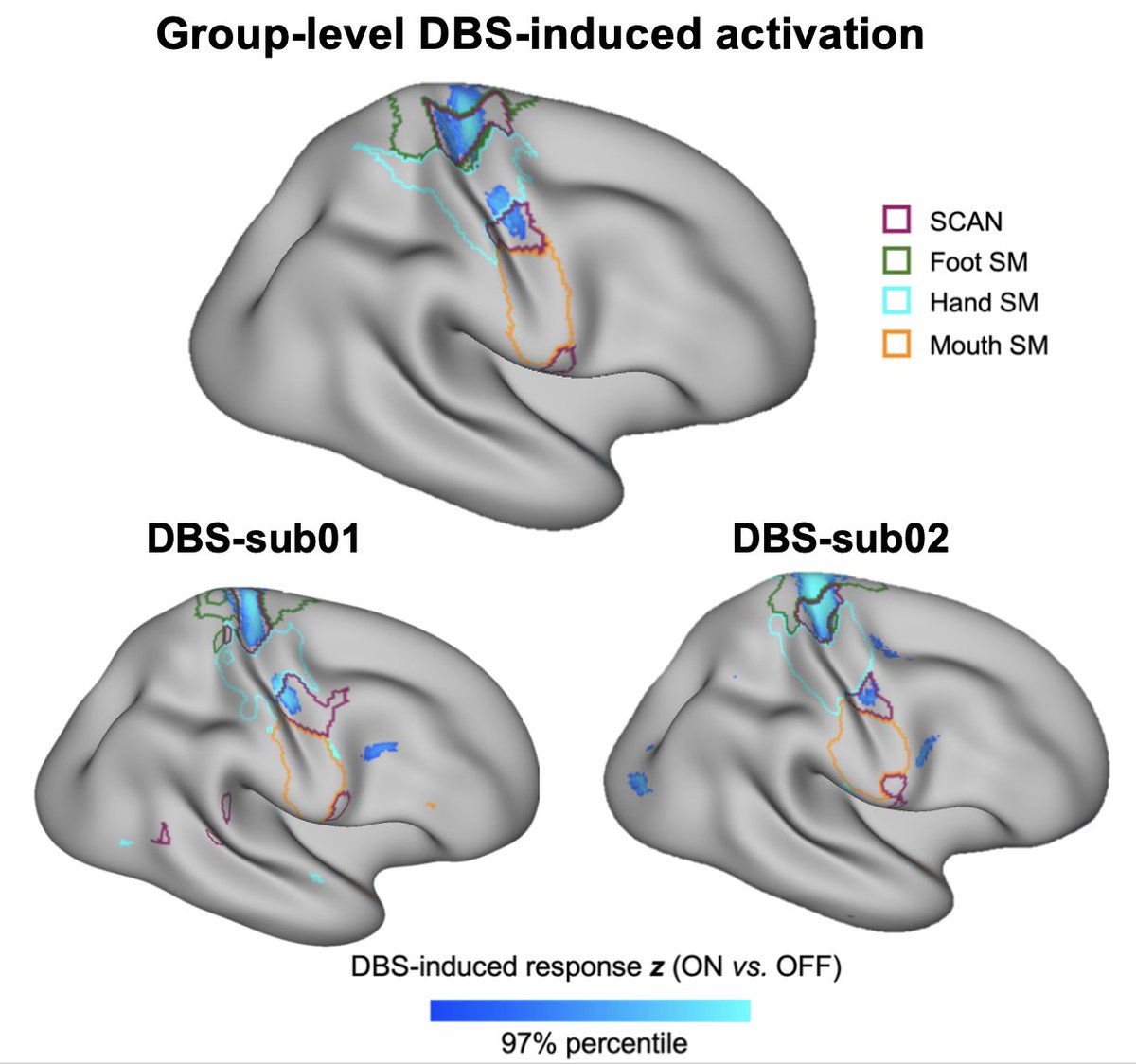
Thrilled to announce our new paper in @NatureNeuro !
We managed the impossible: precision functional mapping during #DBS, with 11.7h fMRI/patient.
Selective DBS-induced deactivations in the SCAN, building on our recent @Nature paper. @hesheng3@iamzhangvv
https://t.co/d8xOuNI31w
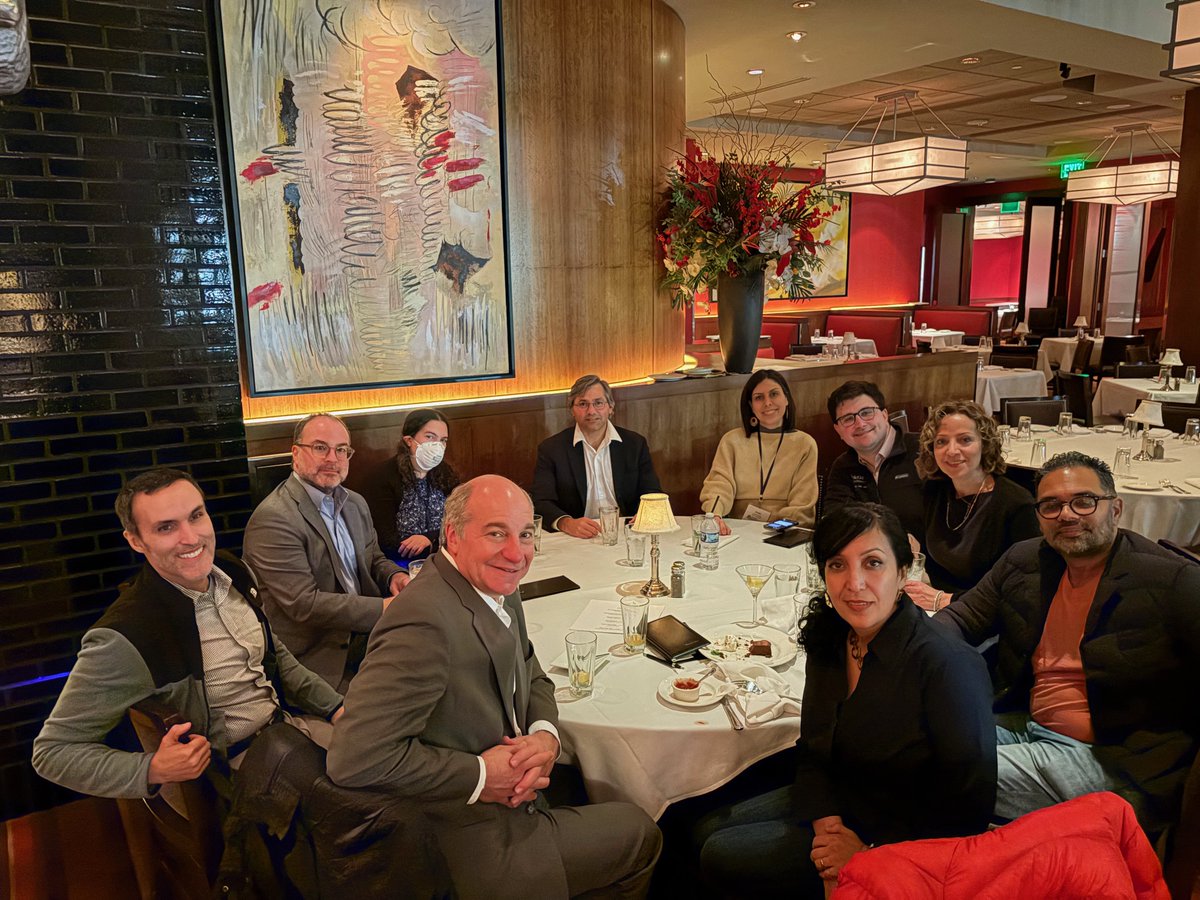
With 400+ members in attendance - the 2026 American Neuropsychiatric Association meeting at Rhode Island has been a smashing success. Great clinical & research sessions across many clinical neuroscience topics. Wonderful social events too. @anpadirect
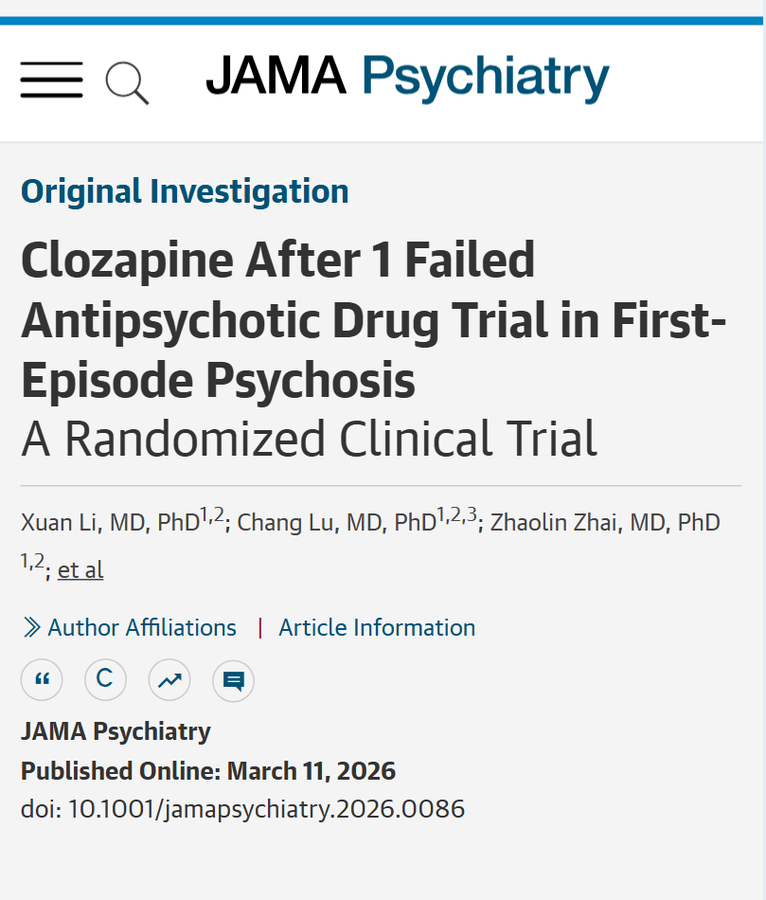
🚨 PRACTICE-CHANGING STUDY ALERT
Should we use clozapine after just ONE failed antipsychotic?
A new RCT in first-episode psychosis says yes—showing a massive 62.5% response rate in early non-responders.
Early clozapine works, but real-world friction is real 🧵
@foxmdphd@Brain_Circuits@harvardmed I have always believed that the separation between Neurology and Psychiatry is arbitrary and artificial. The brain does not read the DSM. This artificial schism does a disservice to our patients with complex presentations and needs. Many congratulations Professor Fox!
The American Neuropsychiatric Association (@anpadirect) has endorsed the @AANmember Management of Functional Seizures Practice Guideline Executive Summary | Neurology @GreenJournal
https://t.co/gWWDPvLFRI
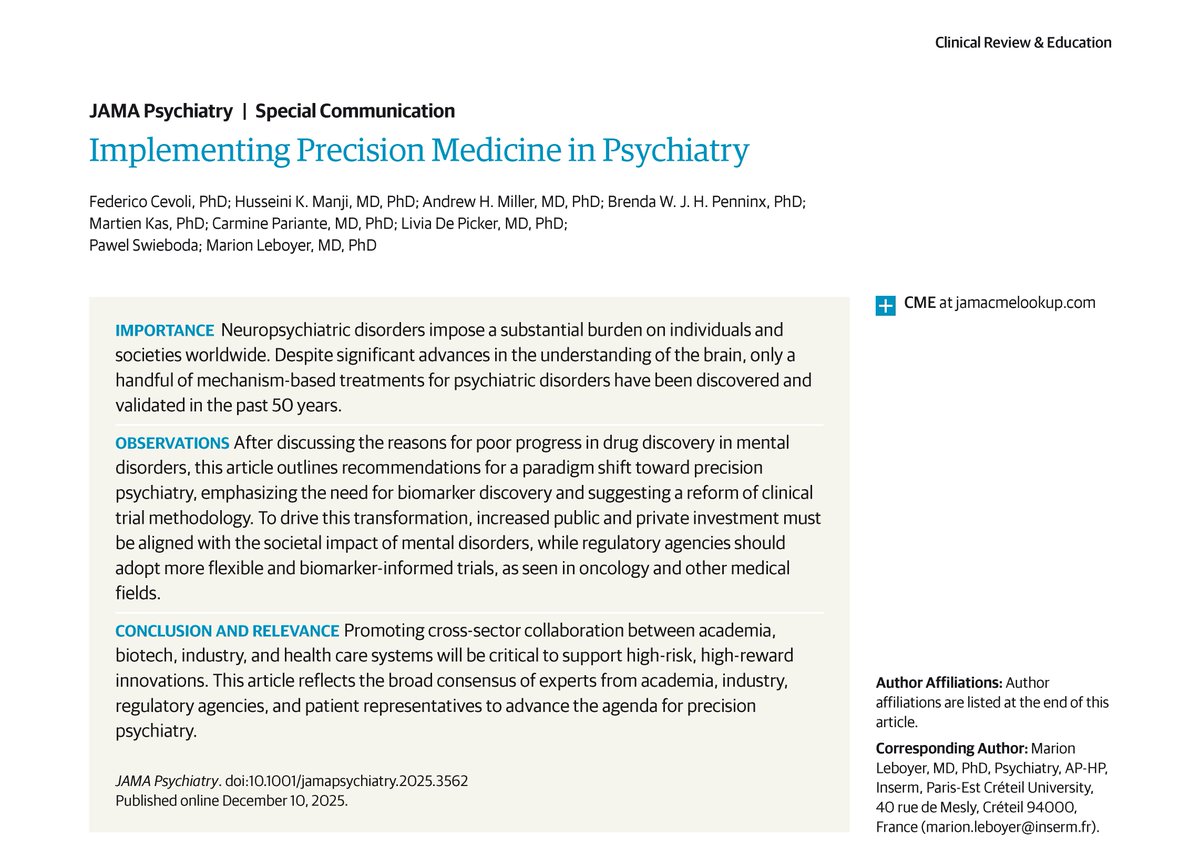
Neuropsychiatric disorders impose a substantial burden on individuals and societies worldwide.
📢 This Special Communications reflects the broad consensus of experts to advance the agenda for precision psychiatry. https://t.co/VykdMfL4Fg
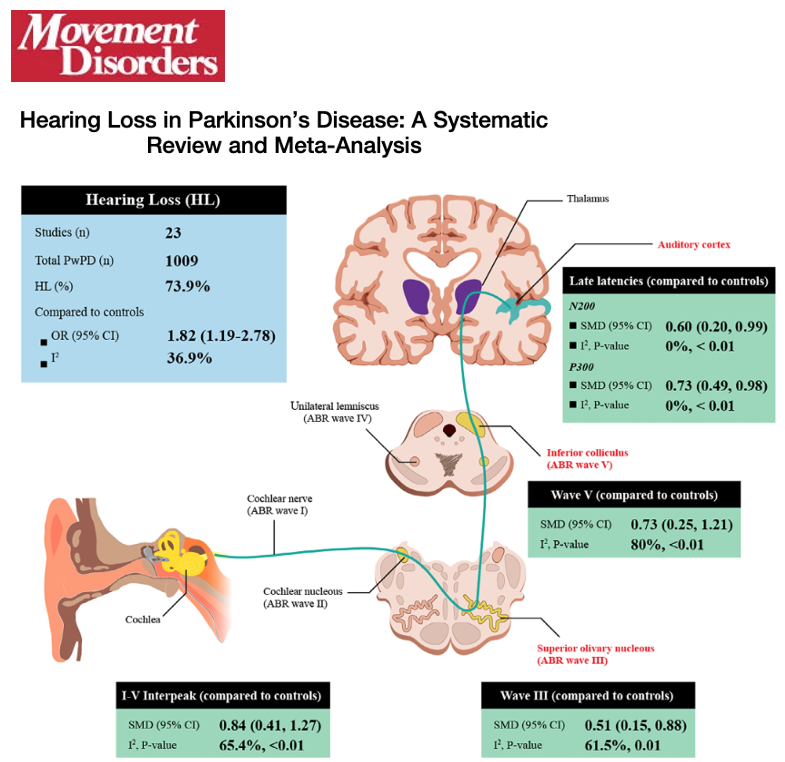
Hearing loss in Parkinson’s: the silent non motor symptom we keep missing. Spoiler alert: hearing loss is twice as common in Parkinson's. What does non-motor mean? Non-motor refers to symptoms not related to movement, such as thinking, mood, sleep, smell and hearing. Firouzabadi and colleagues describe in a new paper in Movement Disorders how hearing loss is common in Parkinson’s disease and involves both the ear and the brain.
Key points:
- Hearing loss was present in nearly 3/4 of folks w/ Parkinson’s disease and was more frequent at high sound frequencies.
- Folks w/ Parkinson’s disease were about twice as likely to have hearing loss compared to age matched controls.
- Changes were seen not only in the ear, but also in brain pathways involved in sound processing and attention.
My take: Hearing loss in Parkinson’s is not just about aging. It appears to be part of the disease biology and may show up early. If we miss it, we may be adding unnecessary cognitive load, isolation and stress for folks living w/ Parkinson’s. Hearing aids are essential to reduce dementia risk.
Here are 5 points that resonated w/ me:
1- Hearing loss is a common non-motor feature of Parkinson’s disease and not just an age related issue.
2- High frequency hearing seems especially vulnerable and can affect understanding speech in real world settings.
3- Brain based sound processing changes suggest hearing loss may link to thinking and attention changes.
4- Recommendations for routine hearing screening should be part of comprehensive Parkinson’s care by health care providers.
5- Addressing hearing loss may reduce dementia risk, improve communication, reduce isolation and support brain health for folks living w/ Parkinson’s.
https://t.co/ydVYKwCS2W #parkinson @ParkinsonDotOrg@FixelInstitute@ChimeFor
How about skin biopsies for Lewy Body Dementia? Check out this new paper that just dropped. Phosphorylated alpha synuclein is an abnormal form of a brain protein that clumps together and can be a hallmark of Lewy body diseases and ‘synucleinopathies.’ Gibbons and colleagues describe in a new paper in Annals of Clinical and Translational Neurology how detecting phosphorylated alpha synuclein in skin biopsies may help identify Lewy body dementia.
Key Points:
- Skin biopsies detected phosphorylated alpha synuclein in the vast majority of folks meeting clinical criteria for Lewy body dementia.
- Nearly one third of folks w/ reduced cognitive screening scores, but no dementia diagnosis also showed abnormal alpha synuclein in the skin.
- The amount of skin alpha synuclein correlated w/ cognitive impairment, motor features and quality of life measures.
My take: This work helps us to better understand some of the biology involved in Lewy body dementia. Could a simple skin biopsy one day help us, especially when paired w/ other measures to reduce misdiagnosis and to shorten the long uncertain diagnostic journeys that many families face? Here are 5 points that resonated w/ me: 1- Lewy body dementia can be tricky to diagnose early, especially using the symptoms alone. 2- A skin biopsy may reveal brain related pathology without needing invasive tests. 3- Abnormal findings in folks w/ mild cognitive changes raise important questions about early or hidden disease. 4- Better diagnosis could translate to safer care, including avoiding medications that can worsen symptoms. 5- Biomarkers like this especially when paired w/ other measures could one day change how health care providers identify, track and study Lewy body diseases
https://t.co/lfmlkSIJZD @ParkinsonDotOrg@ParkinsonsUK@FixelInstitute@SfNtweets@AnnalsofIM@PdAvengers@movedisorder
ECT lowers death rates 30% over a year in severe #depression, from analysis of 17 studies involving over a million cases (unipolar + #bipolar)
https://t.co/8Infnnfp9D
The finding is a challenge to Scientology doctrine, which holds that ECT is deadly.
Defining neurological disease is less objective than often assumed. Simon Shorvon considers how confusion between symptoms and disease, shifting criteria, unstable classifications, and complex aetiology can undermine the medical model. https://t.co/G2KJMCCtZg
@MichaelOkun Another issue is that social cognition can become impaired in Parkinson's diseases so individuals miss social cues which frustrates those around them.