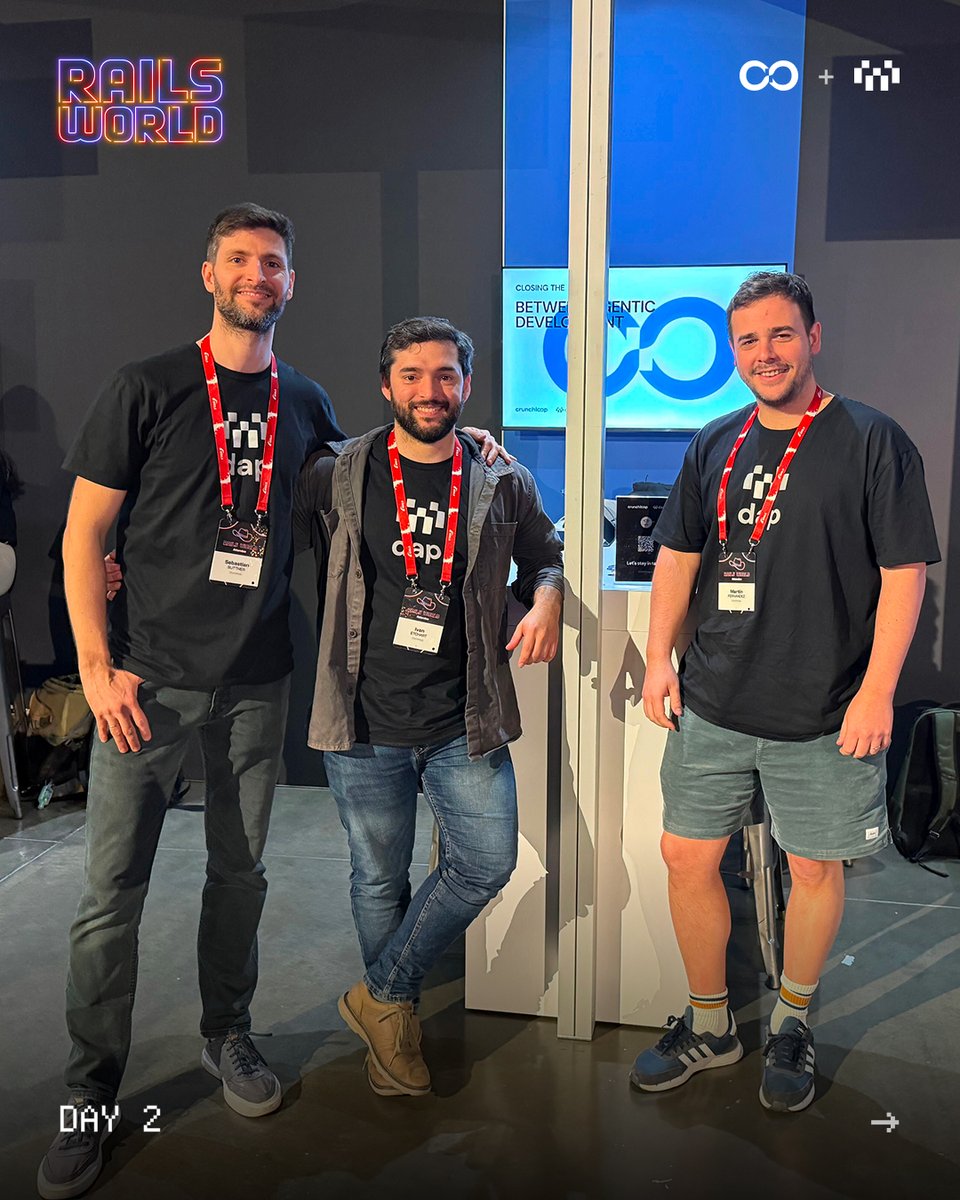
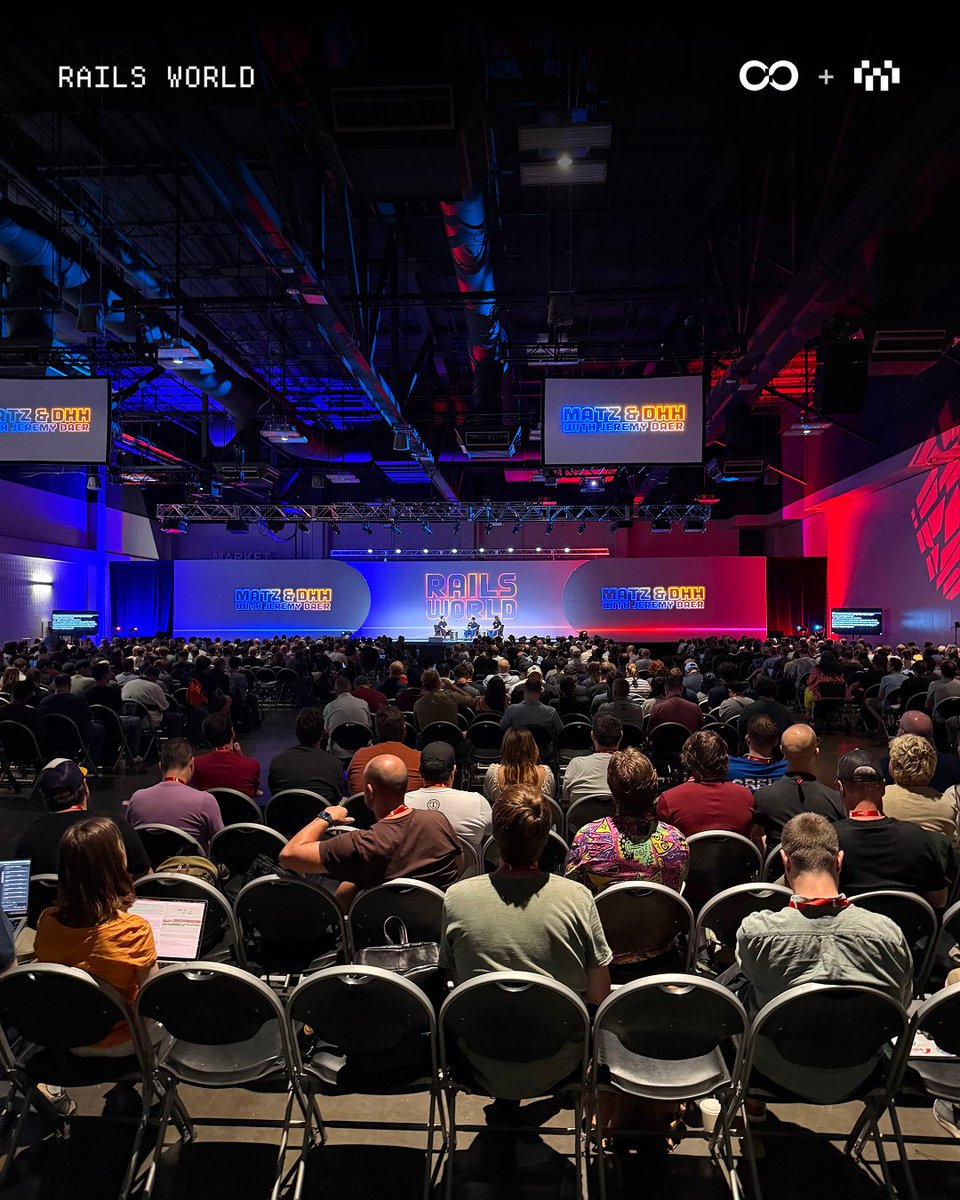
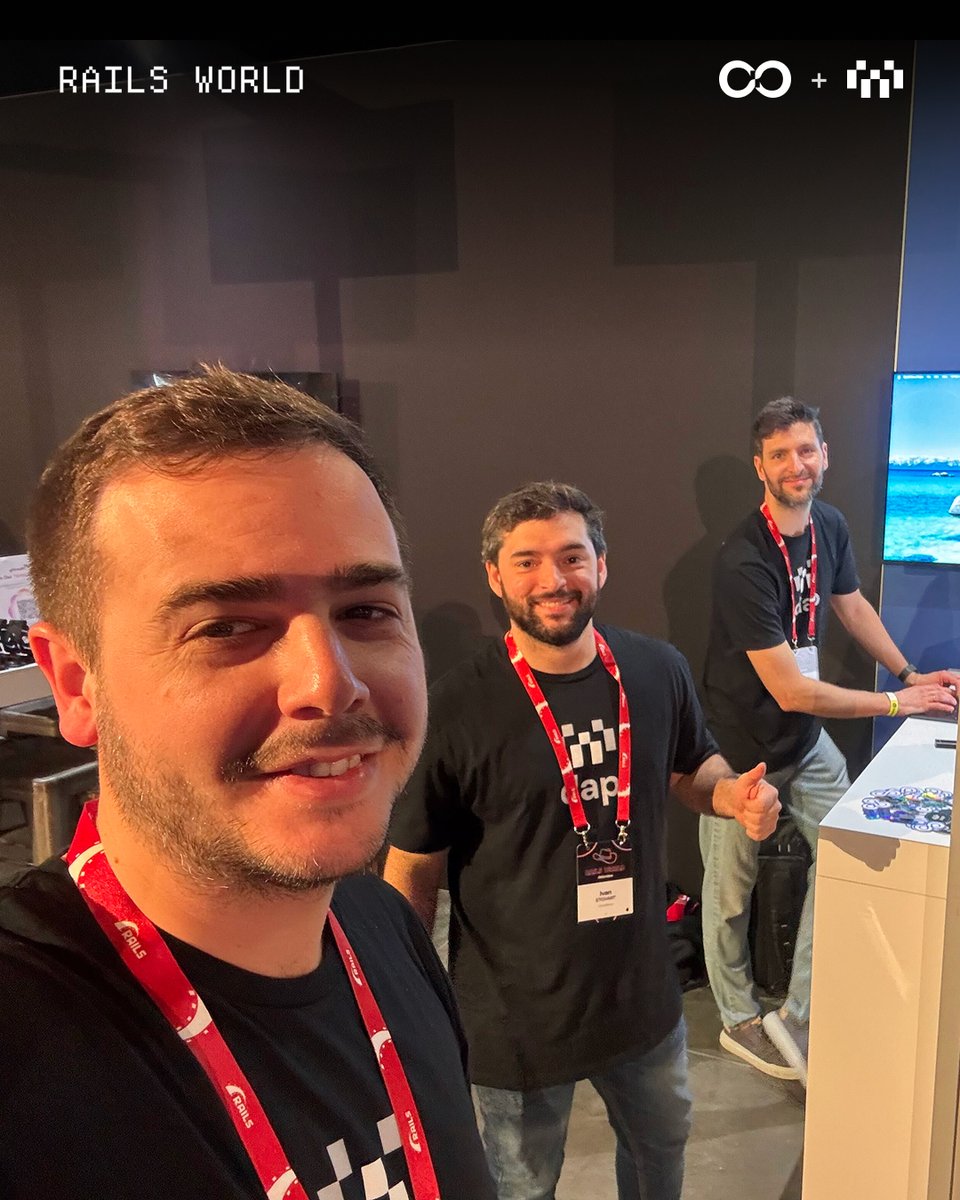
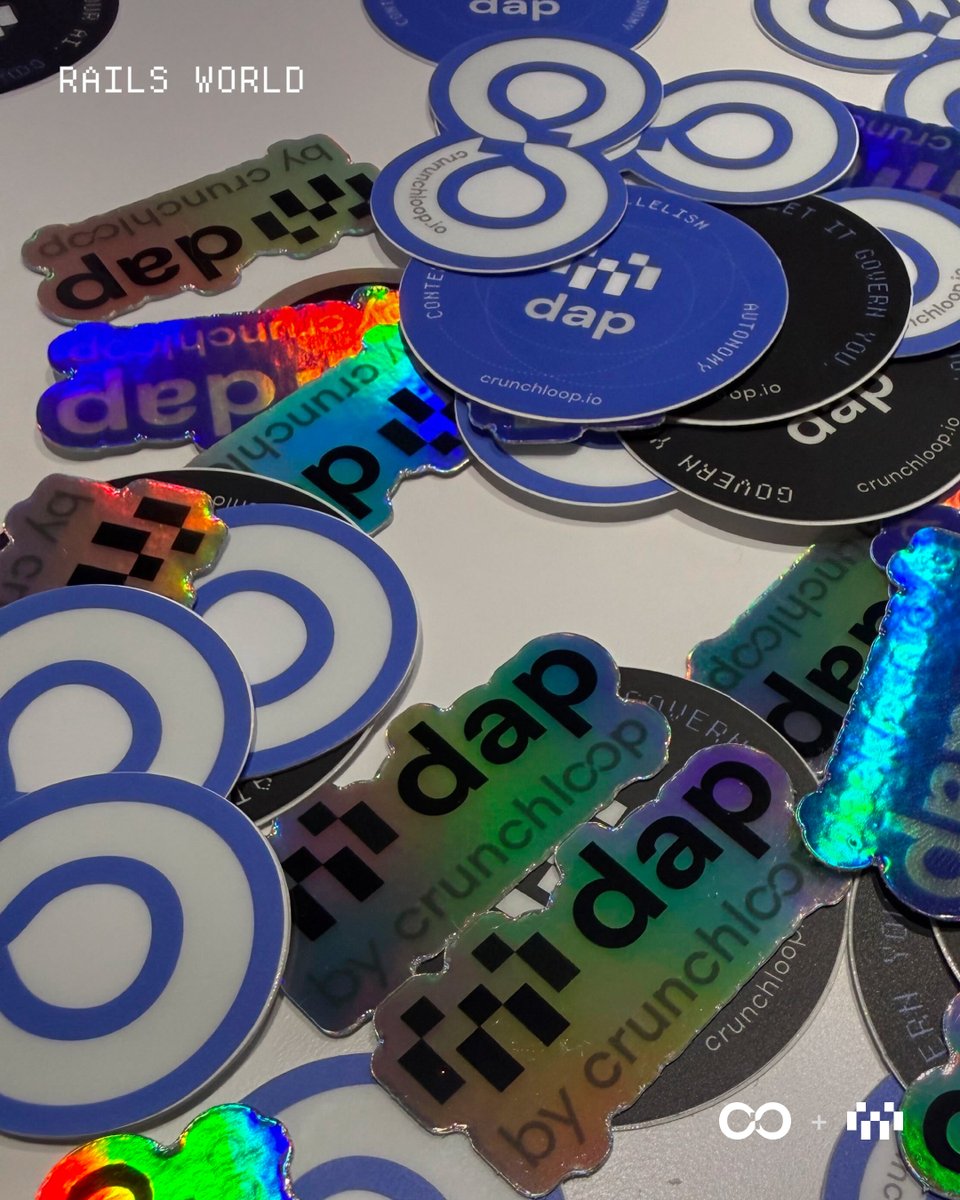
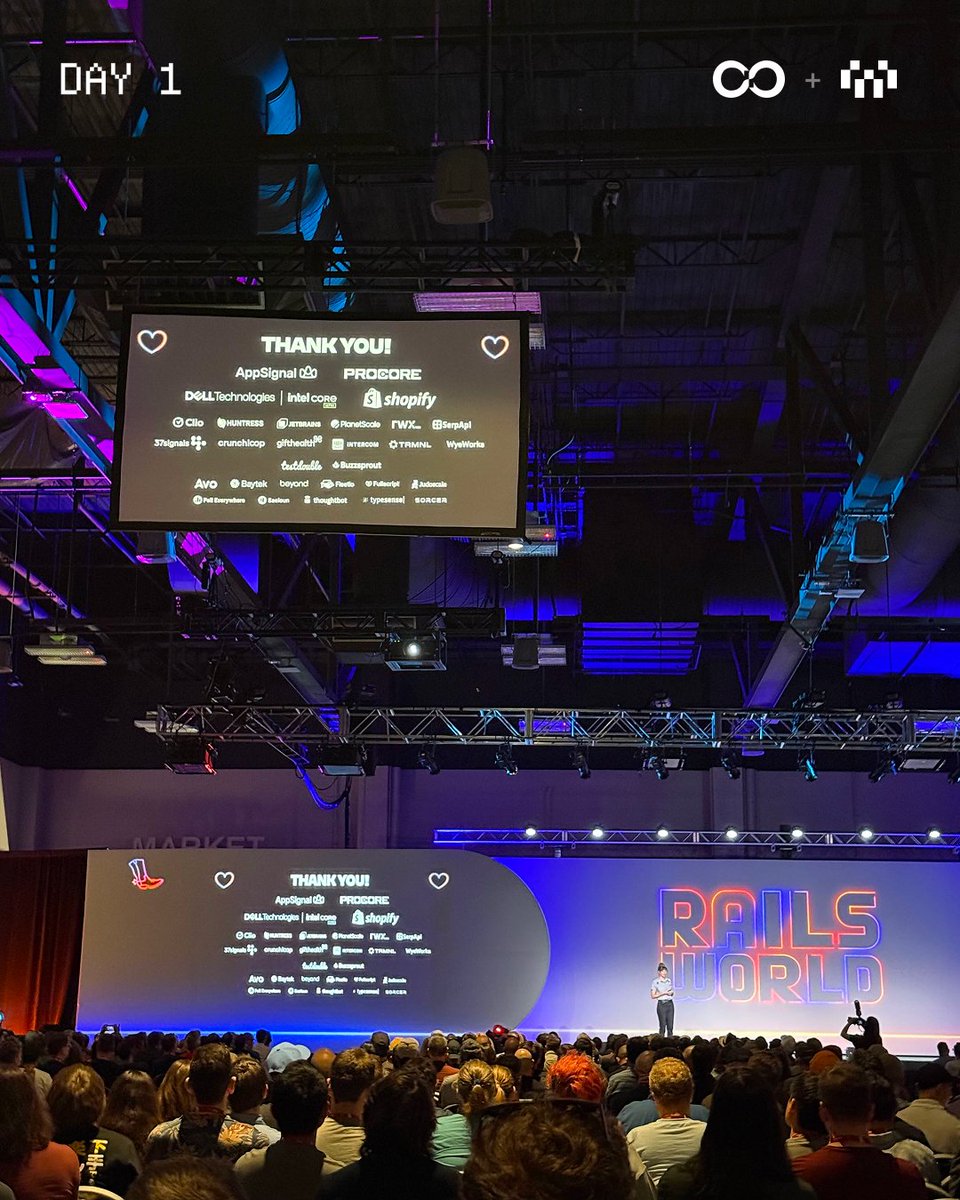
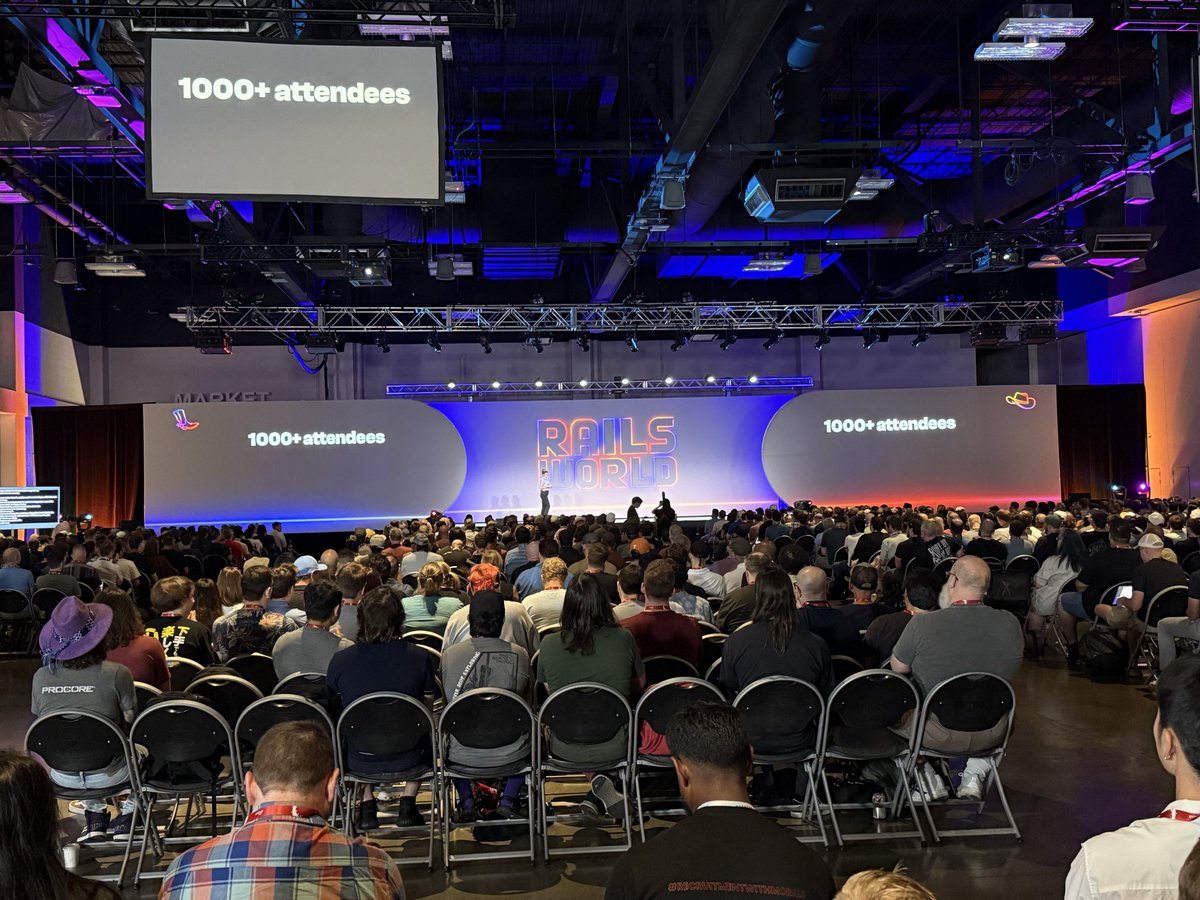
#RailsWorld2026, recapped.
Two days in Austin, one booth, and a lot of conversations about engineers and agents working in one loop.
Thanks to everyone who stopped by.
https://t.co/80rRJOBj4A
#RailsWorld
There was a lot of talk at Rails World about how fast AI is taking on more and more responsibility.
One recurring complaint: PRs piling up because AI creates so many of them, until review itself becomes the bottleneck. People were relieved to hear we already have a mechanism for that — auto-merge, with configurable guardrails — so teams can focus their manual review on what actually matters.
We're fully invested in building the features that make this new way of working reliable and safe enough to actually trust.
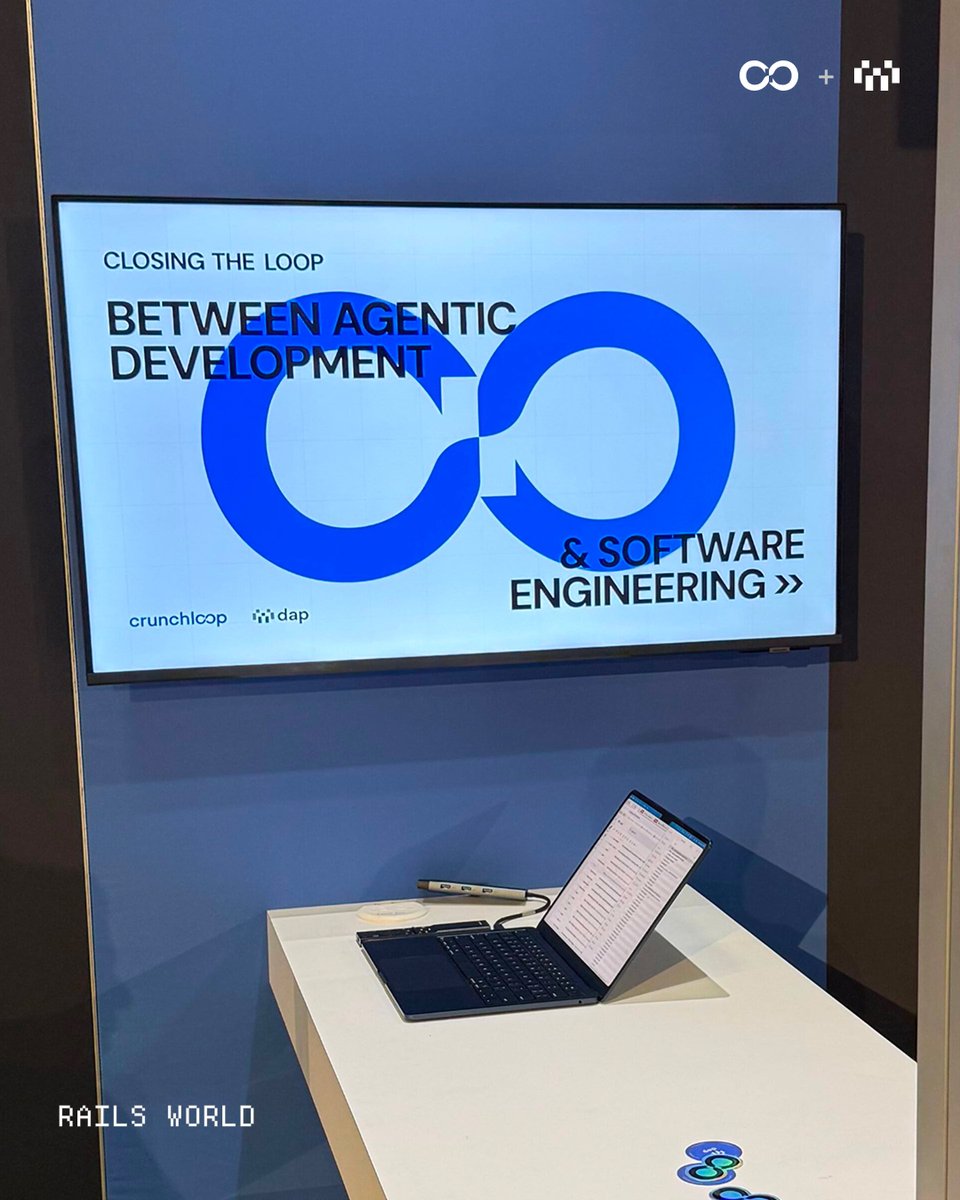
We went to #RailsWorld with a purpose: to showcase Dap, the platform we've been building internally at @crunchloopio for over a year now. We've used it on internal projects, on client projects, and dogfooded it the whole way through.
It lets us work faster than ever, at the same high quality bar we held before, and at lower AI cost.
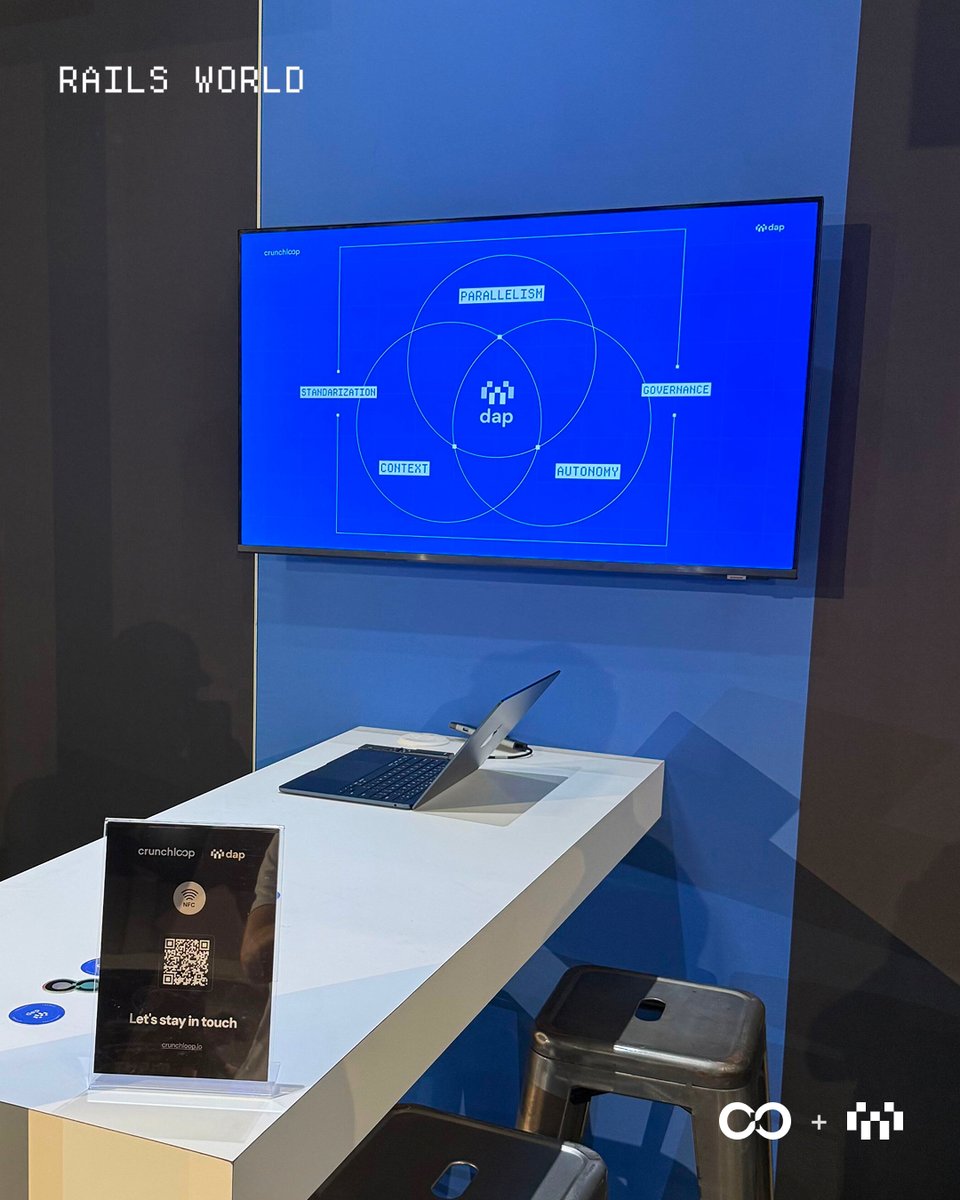
We showed those results to everyone who stopped by, and walked them through how it solves the biggest pains teams have with AI today:
- Context
- Parallelism
- Autonomy
- Standardization
- Governance
Almost everyone I talked to who's using AI as a real part of their SDLC recognized at least some of these pains immediately. Some had already built their own tooling and workflows to cover a few of them — but rarely all five. Others were overwhelmed by the sheer amount of tooling out there and were genuinely relieved to find help instead of having to build it themselves.
Most of all, I was glad to see people react well to the idea of one integrated platform instead of five different problems to solve on their own — so they can get back to focusing on shipping features.
I kept telling people while demoing: "Look at all the things you are not doing!" 😉
Ref: https://t.co/fBI8sShRnh
#AI #AgentOps
(keep reading 👇)
Rails World 2026, done.
Two days at the booth, a lot of good conversations about engineers and agents working in one loop, and one tired team.
Thanks, Austin. More on what we learned soon.
https://t.co/80rRJOBj4A
#RailsWorld#Dap#Crunchloop#RailsWorld2026
I spent the weekend processing everything that happened during Rails World last week — genuinely great quality, and I enjoyed it enormously.
A lot happened, from @dhh's opening keynote to @tenderlove's closing one. But here's the thing: I don't think the value is in debating whether any of those statements were right, wrong, or missed predictions. I think there's more value in taking that information and building our own conclusions from it. Maybe the drive behind those words mattered more than the words themselves — and maybe the fact that the topic was raised with that much conviction is more valuable than whatever position anyone actually took.
I really identify with "Pencils Down" and "Look at all the things I'm not doing" from DHH. That's exactly why I've been invested in building an AI platform that works on — among other things — code generation, code review, and auto-merge. AI is already good at that, and it's only going to get better, so that's where the handoff makes sense.
And this is where I agree with Aaron and @obie too — "programming as an engineering profession is as alive as it's ever been, as it moves up an abstraction level" We'll still need programmers, we'll still need software engineers, to make the right technical, design, and architectural decisions. Everybody will be a maker now, yes. But I think this new era is the one that makes software engineers shine!
P.S. — for the data-minded:
I like to bounce my ideas against scientific numbers too, and I still believe DORA's 2025 report is pretty spot on here:
"For an individual, friction doesn't vanish so much as move: it shifts from manual grind to deciding and verifying, possibly in the form of prompt iteration, result vetting, and assessing code that looks remarkably similar to correct code." (p. 40)
#RailsWorld #AI
Came out of Rails World more fired up than I've been in years. Unforgettable moments in every sense of the word.
You see there's a reason all my classic Ruby books were published in the "Professional Ruby Series". Most of us work in teams. We maintain serious production systems that real customers depend on, under real load, with real consequences if we fuck them up by being sloppy.
So pencils down? Sure. Claude writes all my code too. But programming as an engineering profession is as alive as its ever been, as it moves up an abstraction level. And English alone isn't enough.
We're living through a period of infinite configuration. Everyone has their own agent setup. That's why convention over configuration matters more than it ever has, the same reason Ruby on Rails was such a game changer to begin with.
I have a new vision for those of us who want to embrace AI while still proudly calling ourselves programmers. If you were at #railsworld this year, I might have even discussed it with you. And I promise, I'm going to make it reality.
Who's with me?
Day 1 at Rails World, done.
Dap on screen, stickers on the table, and a lot of good conversations about engineers and agents working in one loop.
https://t.co/80rRJOBQU8
#RailsWorld
Stop by the @crunchloopio booth today and discuss AI tooling for your project! Oh… we also have great stickers and a lot of t-shirts to hand out 🙌 #RailsWorld
Something I see constantly: teams "adopt AI", but every engineer ends up running their own flavor of it.
The intent is good. The consequence isn't: DORA's 2025 research names "a clear and communicated AI stance" as one of the few things that reliably amplifies AI's benefits across a team — and their advice is blunt: "Establish and socialize a clear policy on permitted tools and usage to build developer trust."
Standardizing that across engineers is exactly what lets AI's real impact show up at the team level, instead of getting diluted across individual habits.
This is not a nice-to-have for us — it's the differentiator.
The use case: https://t.co/jrEZGtc1tN
#AI #AgentOps
When your platform unlocks unattended agents, your outcomes can no longer be measured in engineering hours. Curious how teams that have stepped into this territory are measuring things — especially the ones not capped by a subscription.
Agent work is about to show up as a real line item and most teams haven't prepared a budget line for it.
The instinct is to compare against a salary. The better comparison is per unit of work: token spend is a cost you can see, predict, and optimize. Teams that treat agent spend as engineering economics, measured and allocated, will make calmer decisions than teams that treat it as a surprise on an invoice.
We've been running this math on our own platform for a while. If agent work is heading for your P&L, the details are worth your attention: https://t.co/RJuSQFxo0d and https://t.co/2eo9NHQIY3
After co-inventing ChatGPT, I kept asking myself: why have superhuman chat models not led to AGI?
I’ve spent the last 2 years in stealth building a new way to train models (RLCD), and a new type of frontier AI model that we are releasing today: Jev
• 20-200x faster
• 40-400x cheaper (w/ output tokens free)
• Frontier composable intelligence optimized for decisions
AFAICT the shortest path to AI-based economic revolution
Gotcha! I think it's all about the isolation and how easy you can switch between sessions/envs trusting they are advancing towards whatever you asked to be done, without the mental burden.
I can demo what we have, so I can see how you feel about the experience, and I can then improve the platform based on your feedback.
Happy to be supporting the @rails community this year with @crunchloopio, as a Silver sponsor of @railsworld.
I'll be at our booth with @ivane91 and @bilby91, demoing Dap, our platform for scaling AI reliably in engineering teams.
In Austin Sept 20–27 — happy to meet up!
The industry already trusts AI to do the reviewing, but almost nobody skips the engineer at the very end.
We think the missing piece is confidence you can inspect. So in Dap, merge policy is something you set, and an AI jury of multiple agents produces a confidence score. Low-risk work merges itself. Anything higher-risk waits for an engineer.
The numbers we see back it up: 37% of eligible PRs auto-merge, and that path delivers 3.3x faster than engineer-gated review.
See how it works: https://t.co/dFHwFnFCS6
What would it take for you to let agent-written code merge without an engineer reading it first?