"We decline to put generic manufacturers between a rock and a hard place by turning adherence to the law and industry standards into building blocks for illegal conduct."
FDA appears to be considering an "expedited investigational new drug pilot program," per this request for information that's now under White House review: https://t.co/Et60hu1btv
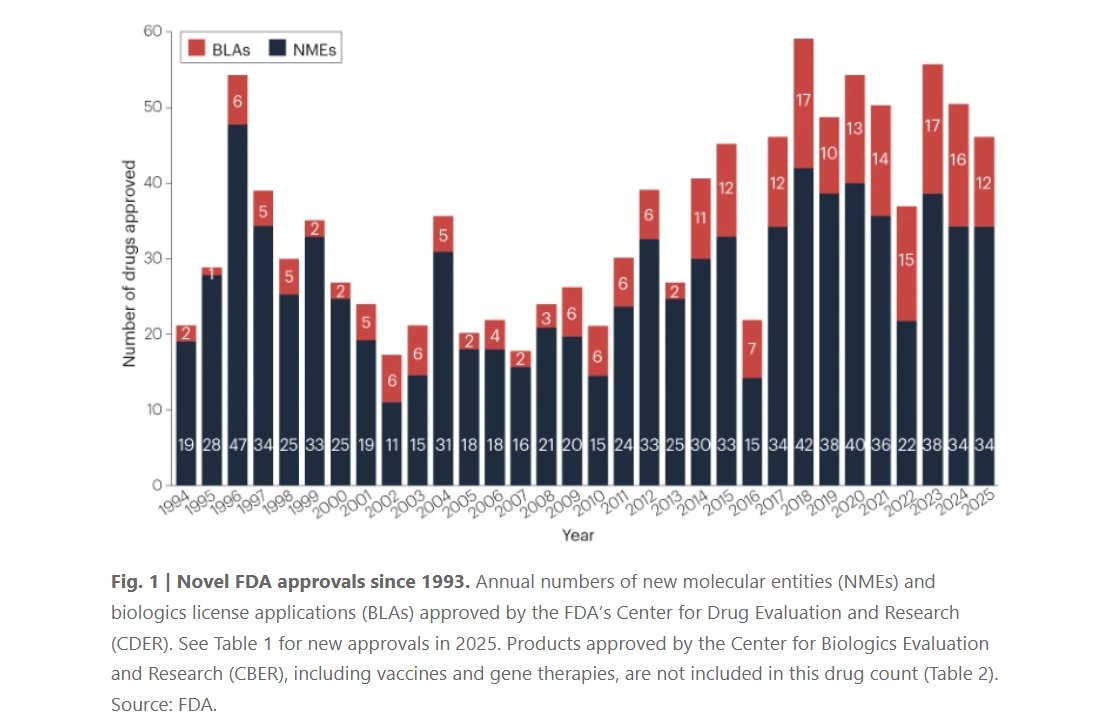
2025 FDA drug approvals https://t.co/1lIWG9AiF2
The US FDA approved 46 new drugs in 2025, despite a tumultuous year at the regulatory agency. Read about the trends and highlights, and see the full list of approved therapeutics in our annual round up
How could a treatment for a form of muscular dystrophy have a $3.2 million price tag? The CEO who manufactures the drug explains. https://t.co/RweTMHIw1n
𝐑𝐞𝐦𝐢𝐧𝐝𝐞𝐫: 𝐁𝐢𝐨𝐬𝐢𝐦𝐢𝐥𝐚𝐫 𝐢𝐦𝐩𝐚𝐜𝐭 𝐠𝐨𝐞𝐬 𝐛𝐞𝐲𝐨𝐧𝐝 𝐦𝐚𝐫𝐤𝐞𝐭 𝐬𝐡𝐚𝐫𝐞
AbbVie defended Humira's prescription share vs. #biosimilars with deep gross-to-net concessions.
📊 IQVIA estimates:
2022: ~38% discount off list → $24B net sales
2024: ~75% discount to list → $7B net sales
Net sales dropped by 60%—but AbbVie retained a majority of adalimumab market share.
Source: @IQVIA_US analysis of post-LOE strategies https://t.co/cbtkDBFyJD
Two remarkable pieces out on the FDA. Politico has a story linking Susie Wiles to the decision to reverse Prasad's ouster and the @WSJ has a remarkably deep editorial slamming Makary for a slowdown in approvals -- something the Journal finds repugnant. Prasad also comes in for another roasting, as the Journal shrugs off STAT's piece linking the $REPL rejection to Pazdur. This has every sign of being a long-running battle. Whoever comes out on top, the @FDA and @biotech lose. Too much disruption at a time the agency staff has knives drawn over the new leadership.
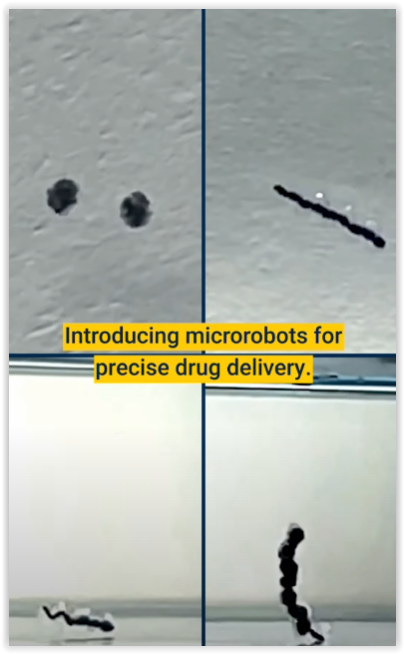
Researchers have created microrobots that could deliver medicine inside the body.
I've shared such news on tiny robots moving inside the body many times over the years. When I read a new announcement, I just ask myself, when does this get out of the "wow, it seems interesting" phase and get into practice? Nobody knows.
Until then, let's get amazed by the sheer promise:
"𝑇ℎ𝑒 𝑚𝑖𝑐𝑟𝑜𝑟𝑜𝑏𝑜𝑡𝑠 𝑎𝑟𝑒 𝑡𝑤𝑜-𝑠𝑖𝑑𝑒𝑑 𝑝𝑎𝑟𝑡𝑖𝑐𝑙𝑒𝑠 𝑡ℎ𝑎𝑡 𝑎𝑟𝑒 𝑐𝑜𝑚𝑝𝑜𝑠𝑒𝑑 𝑜𝑓 𝑎 𝑔𝑒𝑙 𝑡ℎ𝑎𝑡 𝑐𝑎𝑛 𝑐𝑎𝑟𝑟𝑦 𝑚𝑒𝑑𝑖𝑐𝑖𝑛𝑒𝑠 𝑎𝑛𝑑 𝑚𝑎𝑔𝑛𝑒𝑡𝑠 𝑡ℎ𝑎𝑡 𝑒𝑛𝑎𝑏𝑙𝑒 𝑡ℎ𝑒𝑖𝑟 𝑐𝑜𝑛𝑡𝑟𝑜𝑙.
𝐼𝑛 𝑡ℎ𝑒 𝑖𝑛𝑡𝑒𝑠𝑡𝑖𝑛𝑒 𝑒𝑥𝑝𝑒𝑟𝑖𝑚𝑒𝑛𝑡, 𝑤ℎ𝑒𝑛 𝑡ℎ𝑒 𝑔𝑒𝑙 𝑑𝑖𝑠𝑠𝑜𝑙𝑣𝑒𝑑, 𝑖𝑡 𝑑𝑒𝑙𝑖𝑣𝑒𝑟𝑒𝑑 𝑎 𝑑𝑦𝑒 𝑡ℎ𝑎𝑡 𝑡ℎ𝑒 𝑡𝑒𝑎𝑚 𝑑𝑒𝑡𝑒𝑐𝑡𝑒𝑑 𝑡𝑜 𝑒𝑛𝑠𝑢𝑟𝑒 𝑡ℎ𝑎𝑡 𝑡ℎ𝑒 𝑐ℎ𝑒𝑚𝑖𝑐𝑎𝑙 𝑐𝑎𝑟𝑔𝑜 𝑎𝑟𝑟𝑖𝑣𝑒𝑑 𝑎𝑡 𝑖𝑡𝑠 𝑡𝑎𝑟𝑔𝑒𝑡 𝑠𝑖𝑡𝑒."
Source: https://t.co/xXuZRb4THl
Merkel cell carcinoma log. Day #373. For today’s column, I spoke with Mike Wong, my original oncologist at MDAnderson, who I know to be an expert guided by the data. He and his colleagues in the $REPL study have organized an open letter to the FDA detailing their objections to the CRL. It is a rare, very detailed explanation that quotes the CRL, and it deserves careful consideration. It also highlights the FDA’s position on study design, which is a huge issue in drug development. My experiences as a Merkel cell carcinoma patient have fundamentally influenced the way I consider physician-scientists and their role in developing drugs. I tended to focus on a very human bias - which I’ve seen repeatedly — in favor of the drugs they work on. Now that view is balanced by respect when I know their interest in doing research is primarily patient oriented. I know where Wong is coming from here. This deserves to be reviewed and acted on. But of course, I have a conflict here too, now. Don’t I?
https://t.co/Q9Xw0uB3rn
🚨 𝐈𝐂𝐘𝐌𝐈: 𝐀𝐞𝐭𝐧𝐚'𝐬 𝐖𝐡𝐢𝐭𝐞 𝐁𝐚𝐠𝐠𝐢𝐧𝐠 𝐌𝐨𝐯𝐞: 𝐒𝐚𝐯𝐢𝐧𝐠 𝐌𝐨𝐧𝐞𝐲 𝐨𝐫 𝐒𝐡𝐢𝐟𝐭𝐢𝐧𝐠 𝐌𝐚𝐫𝐠𝐢𝐧?
On July 1, @Aetna ($CVS) moved five provider-administered drugs—Evenity, Ocrevus/Ocrevus Zunovo, Remicade, Tezspire, and Xolair—from medical benefit to pharmacy benefit coverage.
This shift enables fulfillment through specialty pharmacies, a.k.a. white bagging. Buy-and-bill margins transfer from infusion centers, physician practices, and hospital outpatient departments toward CVS-affiliated specialty pharmacies.
Yet another chapter in the ongoing battle for drug channel margin...
👉 https://t.co/hsuvghlWmJ
Biotech CEO @eperlste posted the comments he made to FDA's Makary at the CEO Forum in NYC today incl: "The Priority Review Voucher program is in limbo. Without a financial incentive — that by the way costs the government nothing — only the lucky few & the sick babies of billionaires will reap the benefits of biomedical innovation. If the PRV doesn’t get renewed we are condemning another generation of rare disease patients to suffering."
Thinking out loud, but the theme that unites the two big news stories in the medical world today is that patient advocacy still has a substantial influence both on Republicans in Congress and in the White House.
Outcry from patient advocates played a role in Vinay Prasad's sudden departure, and in the reversal of the OMB policy that was stopping all NIH grants.
The Trump administration has not shied away from battles with the courts, but it does seem to be very wary of people with terrible illnesses and people who are fighting to access treatments for their kids.
President Donald Trump overruled HHS Secretary Robert F. Kennedy Jr. and FDA Commissioner Marty Makary, ordering the removal of top FDA vaccine regulator Vinay Prasad.
w/ @Gardner_LM: https://t.co/EqFrGdNK2X
One of the impacts of confusing new practices at FDA $XBI $IBB: "If regulatory barriers become sufficiently challenging, venture capital & pharmaceutical investment may shift toward jurisdictions with more predictable approval pathways, potentially undermining the United States' historical leadership in cancer drug development."
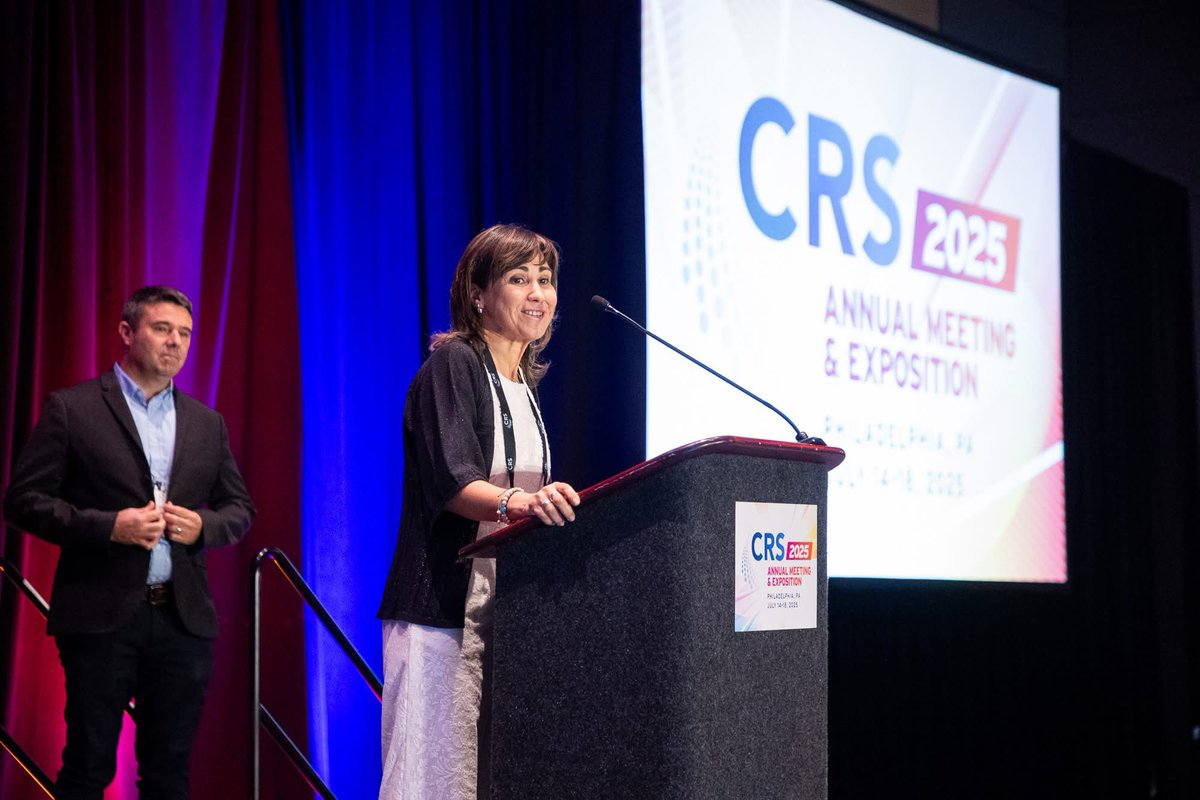
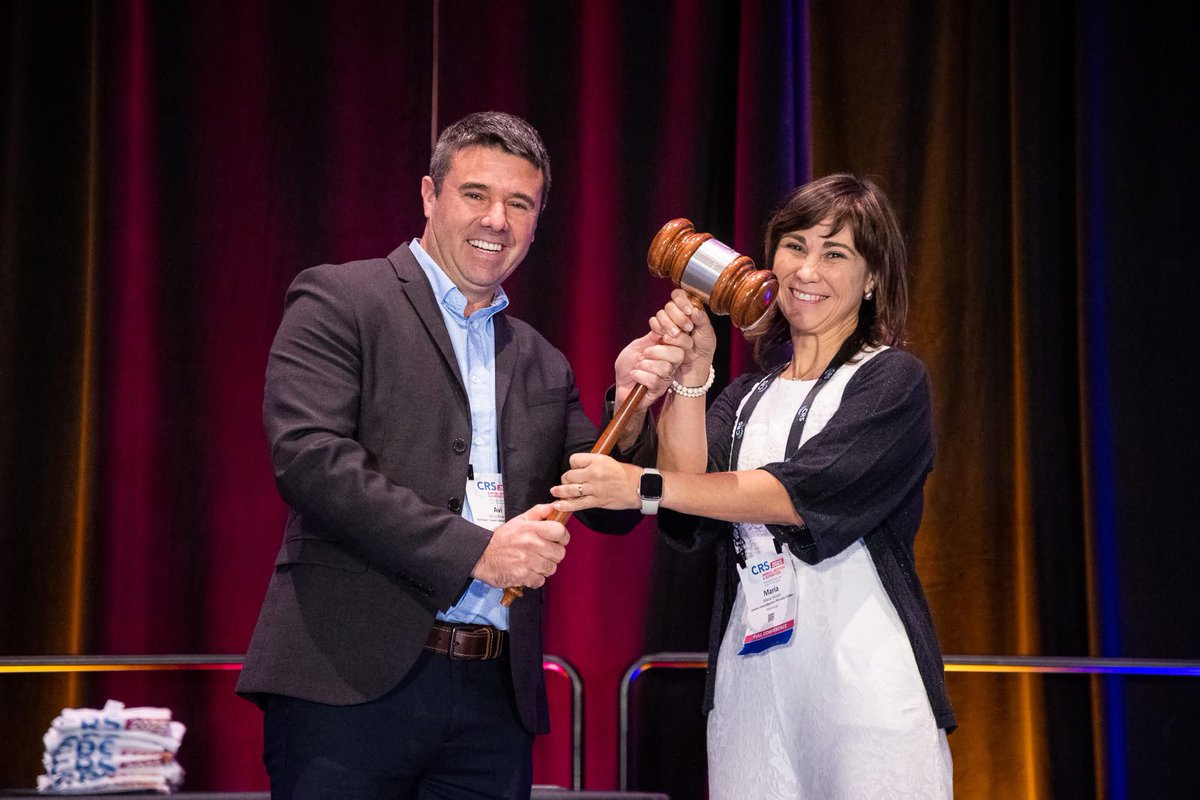
🎉 Exciting news! Our lab head @MariaJVicent1 has officially become President of the Controlled Release Society @CRS_SPLC
We are proud to see her lead the global drug delivery community, a role that reflects her years of dedication, hard work and scientific excellence💊🔬👩🏼🔬
Recognizing the onset of hypoglycemia, or low blood glucose, was one of the main reasons for developing artificial pancreas systems. But those are still big and expensive.
How about a sort of RFIC microchip implanted under the skin that is designed to automatically or remotely release lifesaving glucagon when blood sugar drops to dangerous levels?
"𝑇ℎ𝑒 𝑝𝑟𝑜𝑡𝑜𝑡𝑦𝑝𝑒 𝑤𝑎𝑠 𝑡𝑒𝑠𝑡𝑒𝑑 𝑓𝑜𝑟 𝑢𝑝 𝑡𝑜 𝑓𝑜𝑢𝑟 𝑤𝑒𝑒𝑘𝑠 𝑖𝑛 𝑎𝑛𝑖𝑚𝑎𝑙 𝑚𝑜𝑑𝑒𝑙𝑠, 𝑏𝑢𝑡 𝑡ℎ𝑒 𝑟𝑒𝑠𝑒𝑎𝑟𝑐ℎ𝑒𝑟𝑠 𝑎𝑟𝑒 𝑤𝑜𝑟𝑘𝑖𝑛𝑔 𝑡𝑜 𝑒𝑥𝑡𝑒𝑛𝑑 𝑖𝑡𝑠 𝑓𝑢𝑛𝑐𝑡𝑖𝑜𝑛𝑎𝑙 𝑙𝑖𝑓𝑒𝑠𝑝𝑎𝑛 𝑡𝑜 𝑎 𝑦𝑒𝑎𝑟 𝑜𝑟 𝑚𝑜𝑟𝑒. 𝐿𝑜𝑜𝑘𝑖𝑛𝑔 𝑎ℎ𝑒𝑎𝑑, 𝑡ℎ𝑒 𝑡𝑒𝑎𝑚 𝑝𝑙𝑎𝑛𝑠 𝑓𝑢𝑟𝑡ℎ𝑒𝑟 𝑎𝑛𝑖𝑚𝑎𝑙 𝑠𝑡𝑢𝑑𝑖𝑒𝑠 𝑎𝑛𝑑 ℎ𝑜𝑝𝑒𝑠 𝑡𝑜 𝑏𝑒𝑔𝑖𝑛 𝑐𝑙𝑖𝑛𝑖𝑐𝑎𝑙 𝑡𝑟𝑖𝑎𝑙𝑠 𝑤𝑖𝑡ℎ𝑖𝑛 𝑡ℎ𝑟𝑒𝑒 𝑦𝑒𝑎𝑟𝑠."
Source: https://t.co/VzDeVc07nS
FDA has began the reauthorization process for the next iteration of the Generic Drug User Fee Amendments (GDUFA IV) with a public meeting to gather input from stakeholders ahead of negotiations with industry. https://t.co/jodVjGloAE