I gained 100,000 followers in a year.
But it's no rocket science — people just don't know where to start.
Here's how I'd do it again (without getting lucky):
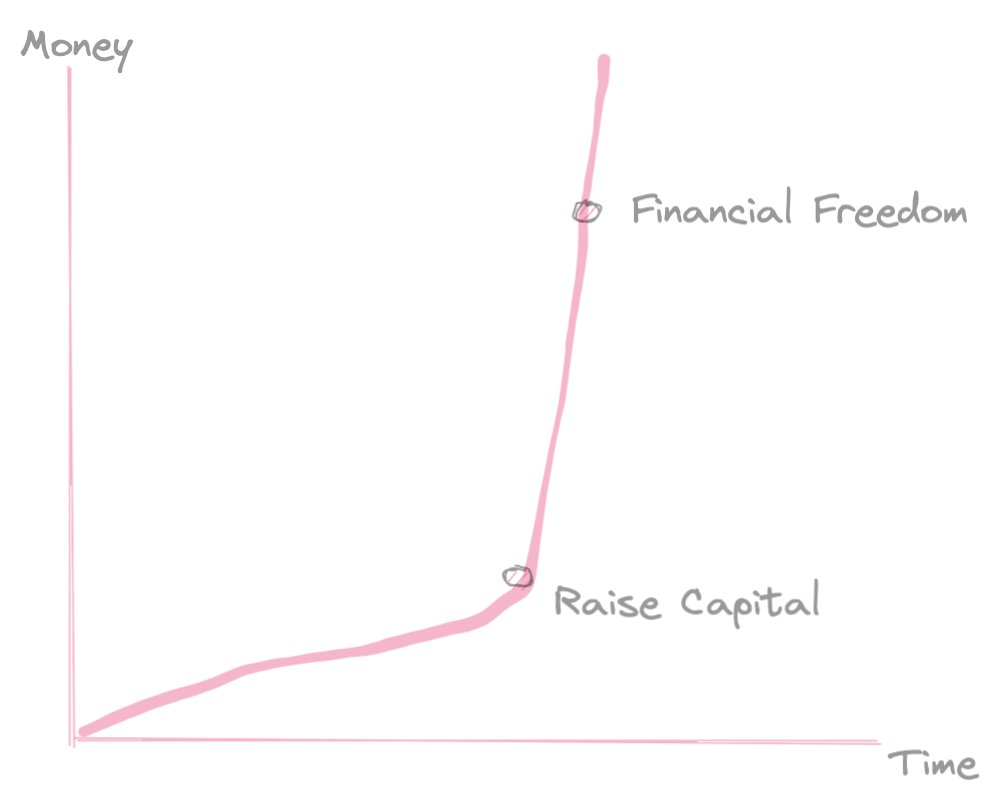
I studied real estate investors who reached financial freedom the fastest - They all had one thing in common
They went for scale by raising capital
But no one shares how they fund-raised
I closed my first round ever in 3 days. Here is a thread explaining my pitch
1/
Get a cup of coffee.
This is a thread that @ruima and I wrote jointly.
In this thread, we'll help you estimate how much "margin of safety" a company has when it's loaded with debt.
Understanding this will help you avoid Evergrande-type fiascos in your own portfolio.
You really only need 2-5 really good equity relationships, 2-5 really good debt relationships and 2-5 really good broker relationships to make a career
Very simple when you think of it like that
1/
Get a cup of coffee.
In this thread, I'll walk you through the benefits of turning capital quickly.
The math behind turning capital is beautiful. It leads us to the number "e", which plays a vital role in so many different fields -- from astrophysics to biology.
1/ Volkswagen Chairman Herbert Dies says, “Software will account for 90% of future innovations in the car.”
..hardly a line of software code comes from us.” VW estimates that only 10% of the software in its vehicles is developed in-house. https://t.co/zIT4iNAE53
I made some mistakes that cost me $75 million
Confession: I’ve passed on investing in 7 companies that are now worth billions
I let them slip away…
7 painful lessons learned (so you don’t have to make them):
🧵 How to build a great life (17 things I’ve learned)
I’ve run hard my whole life—always charging forward, rarely looking back. But 50 hits you different. It’s caused me to pause & reflect. ⬇️
Last year, I spent the first day of my end-of-year vacation reading about Intel. Robert Noyce had briefly worked as an actuary, and he said one of the surprising things he learned was that people have some control over exactly when they die. Not a lot, but some.