It’s simple: NASA needs the best talent—and we’re bringing it back in-house. We’re reviewing thousands of contractor roles for conversion to civil servant positions to rebuild core capabilities, move faster, and put more resources toward science, and discovery.
We will launch rockets in months, not years.
The next chapter of Artemis is about acceleration.
• Building the Moon base
• Landers at the lunar south pole on a monthly cadence starting in 2027
• Nuclear power & propulsion
• More science and discovery
First we clear the barriers inside NASA.
Then we move.
This 5 hr set is ridiculously amazing! @sashaofficial 😘
SET Completo SASHA en STEREO MONTREAL 30.06.25 [TRACKLIST] https://t.co/TprpZePG5q via @YouTube
🚨NEW DETAILS 🚨Artemis II Rollback to VAB Required Due To Helium Issue On SLS ICPS
NASA has provided more detail on the issue affecting the Space Launch System’s upper stage (ICPS), and it explains why a rollback to the Vehicle Assembly Building is now required.
The helium system in the ICPS is critical — it purges the engines and pressurizes the liquid hydrogen and liquid oxygen tanks. Importantly, the system worked properly during both wet dress rehearsals, but during a routine repressurization operation last night, teams suddenly could not get helium flow through the vehicle.
“Last evening, the team was unable to get helium flow through the vehicle.” - @NASAAdmin
NASA notes the failure signature looks familiar:
“We observed a similar failure signature on Artemis I.”- @NASAAdmin
Right now the rocket is safe. Engineers have switched to a ground-based purge system instead of the onboard helium supply while they investigate.
Several possible causes are being examined:
- A filter in the ground-to-vehicle umbilical
- The quick-disconnect (QD) interface
- An internal check valve on the rocket (similar to Artemis I)
However, all of those components are inaccessible at the launch pad, meaning repairs can only be done inside the VAB.
“Accessing and remediating any of these issues can only be performed in the VAB.” - @NASAAdmin
NASA is therefore preparing to roll the rocket back, and officials confirmed this removes the March launch window from consideration.
Program leadership acknowledged public disappointment but emphasized setbacks are part of human spaceflight:
“That disappointment is felt most by the team at NASA.” - @NASAAdmin
NASA says a full briefing later this week will outline the path forward not only for Artemis II, but future missions,
FOLLOW for latest Artemis II updates
#ArtemisII #SLS #Rollback #NASA #Orion #SpaceNews #Moon #Artemis
Crew-12 will launch to the @Space_Station no earlier than Feb. 13.
Liftoff is scheduled for 5:15 a.m. EST (1015 UTC), and coverage begins here at 3:15am ET (0815 UTC).
This period is called solar conjunction, and this time it will last from late December to late January. You can follow the current positions of the planets in "Eyes on the Solar System" https://t.co/wfRkhAkMzg 2/3
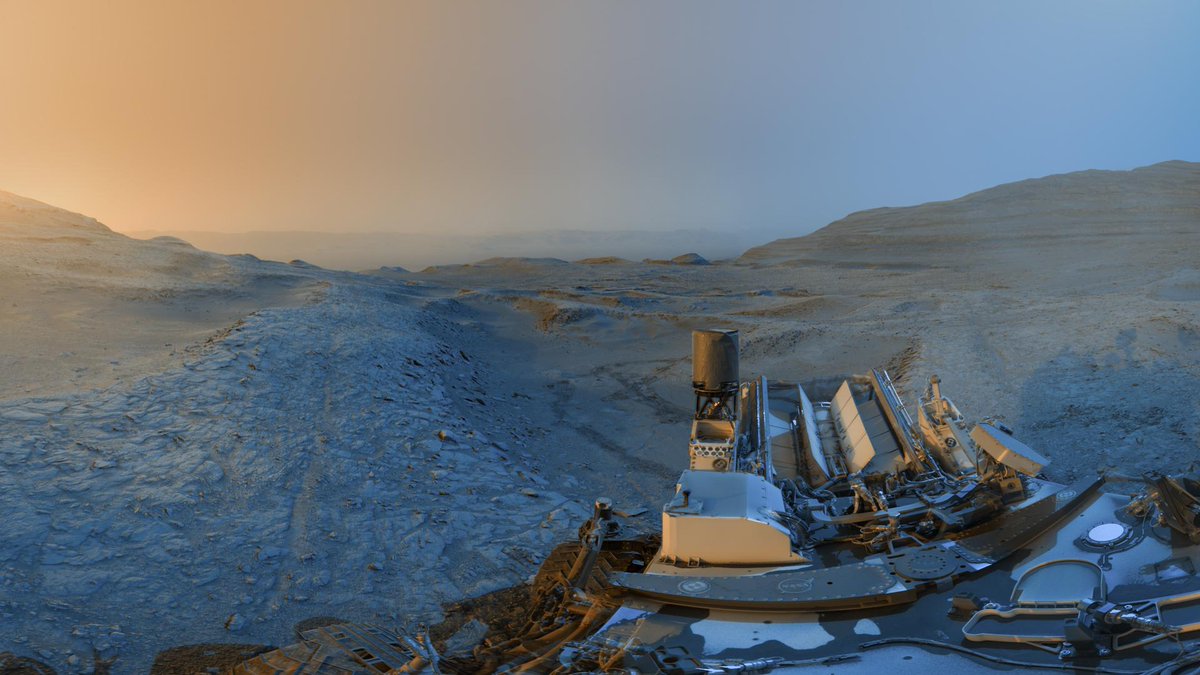
Swiftly flow the days: As we approach the end of one year and the beginning of another on Earth, the Curiosity rover paused to send a postcard from Mars. The image combines one panorama taken after sunrise and another taken before sunset.
#Akhanda2Thaandavam JUKE BOX ❤️🔱
Is Here 🔈
AUM NAMA SHIVAYA 🙌🏿🙏
Let’s get into THE TRANCE OF LORD SHIVA
IN DEC 5 TH THEATRES 🔱💨🔥🔥🔥🔥🔥
https://t.co/fCAuYWeueY
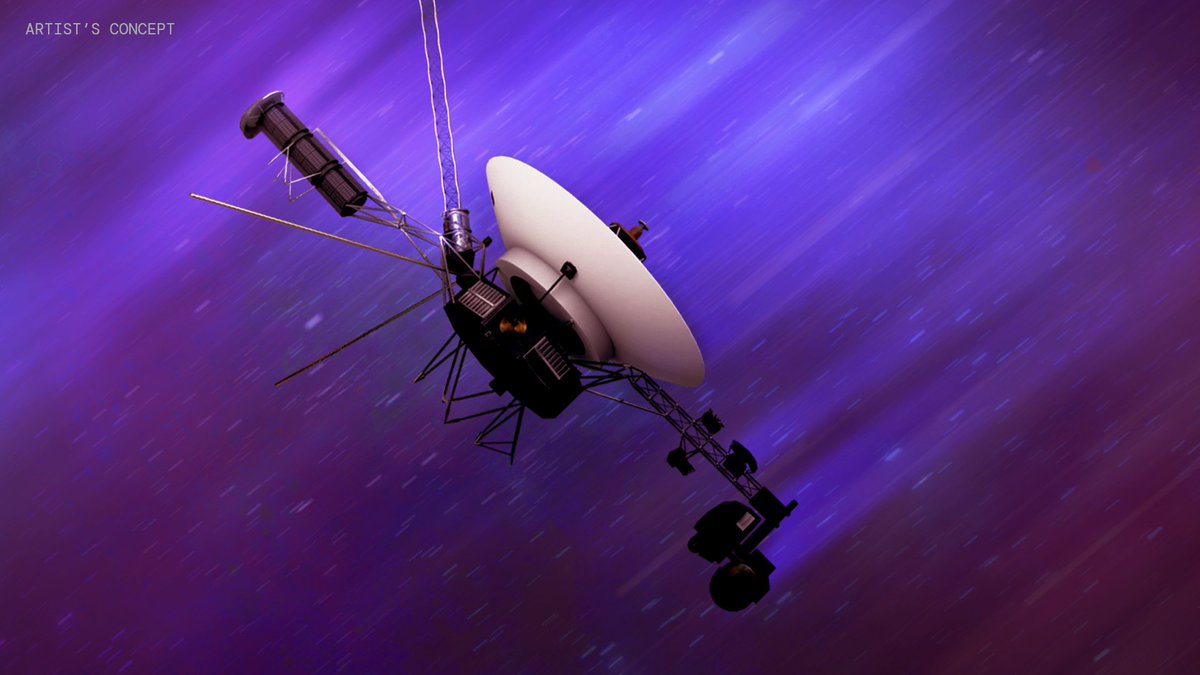
Voyager 1 distance check: Currently 15.79 billion miles from Earth. ✅
This time next year, Voyager 1 will be one light-DAY away – meaning it will take light a whole 24 hours to travel between Earth and the spacecraft. For comparison: Mars is usually ~12 light-MINUTES from Earth!
That one cross step to the beat…Im obsessed w/ #Jackson & his need to dance! Can’t Even Do Laundry in Peace #cockatoo https://t.co/T4H1qBJssR via @YouTube
The rocket is stacked. ✅
The Orion spacecraft with its launch abort system is stacked atop the Space Launch System rocket. Launch of the Artemis II mission around the Moon is targeted for early next year.