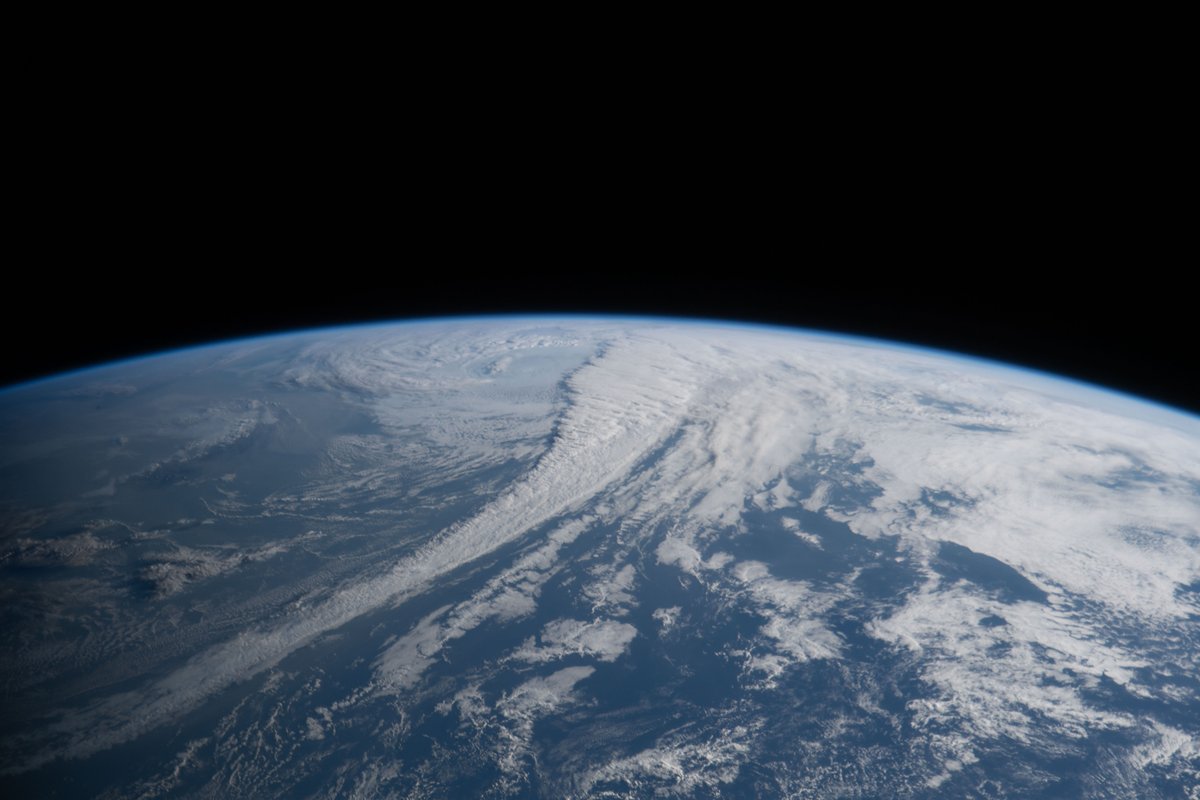
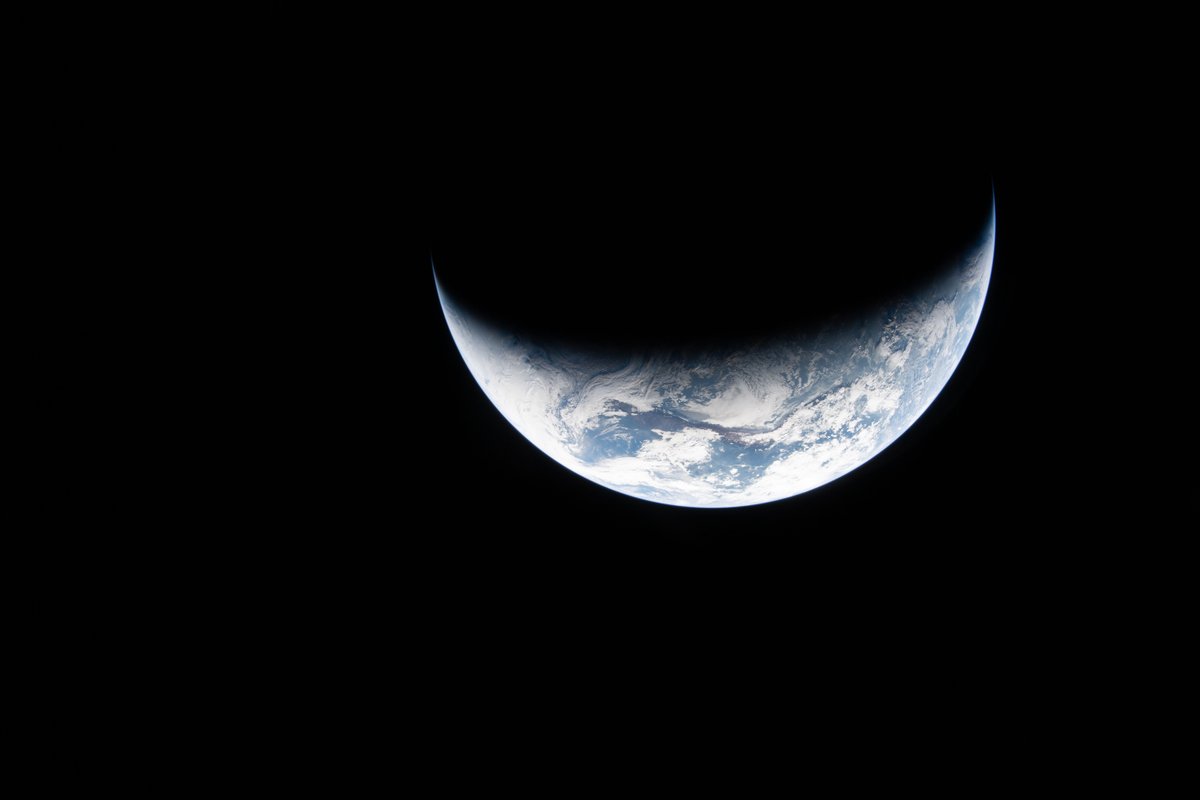
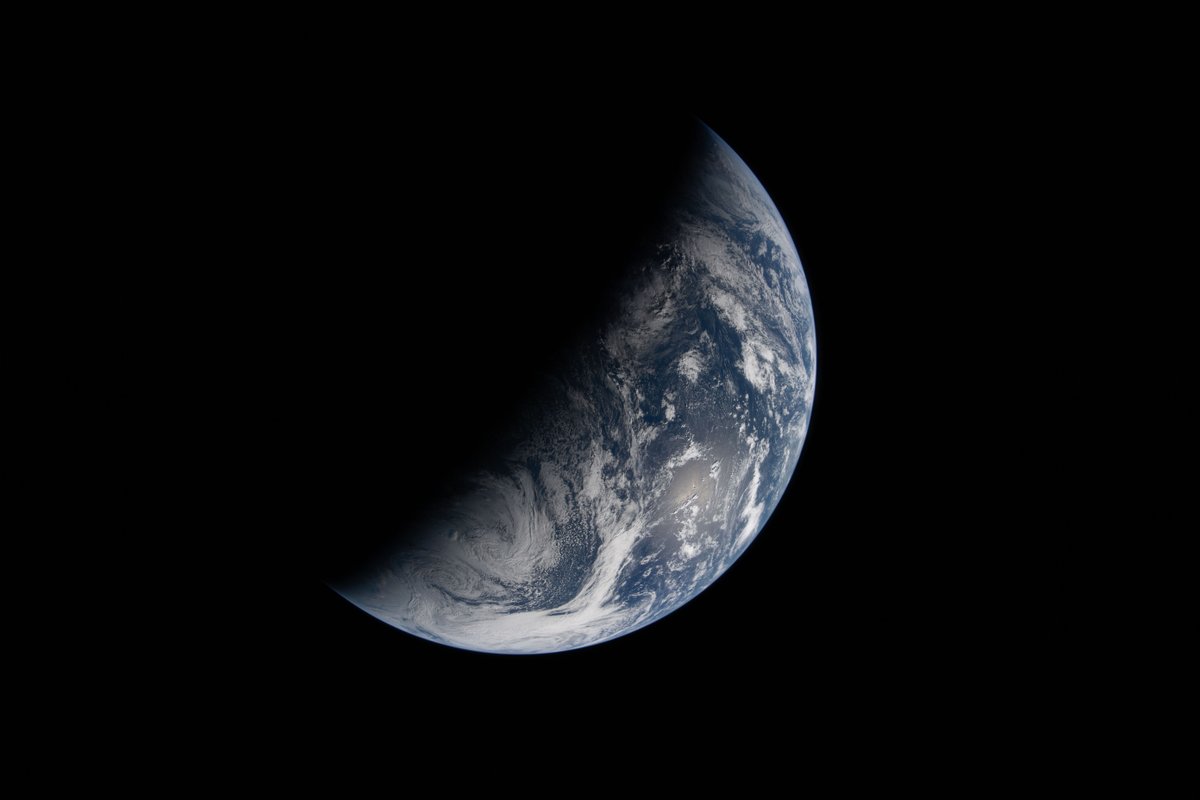
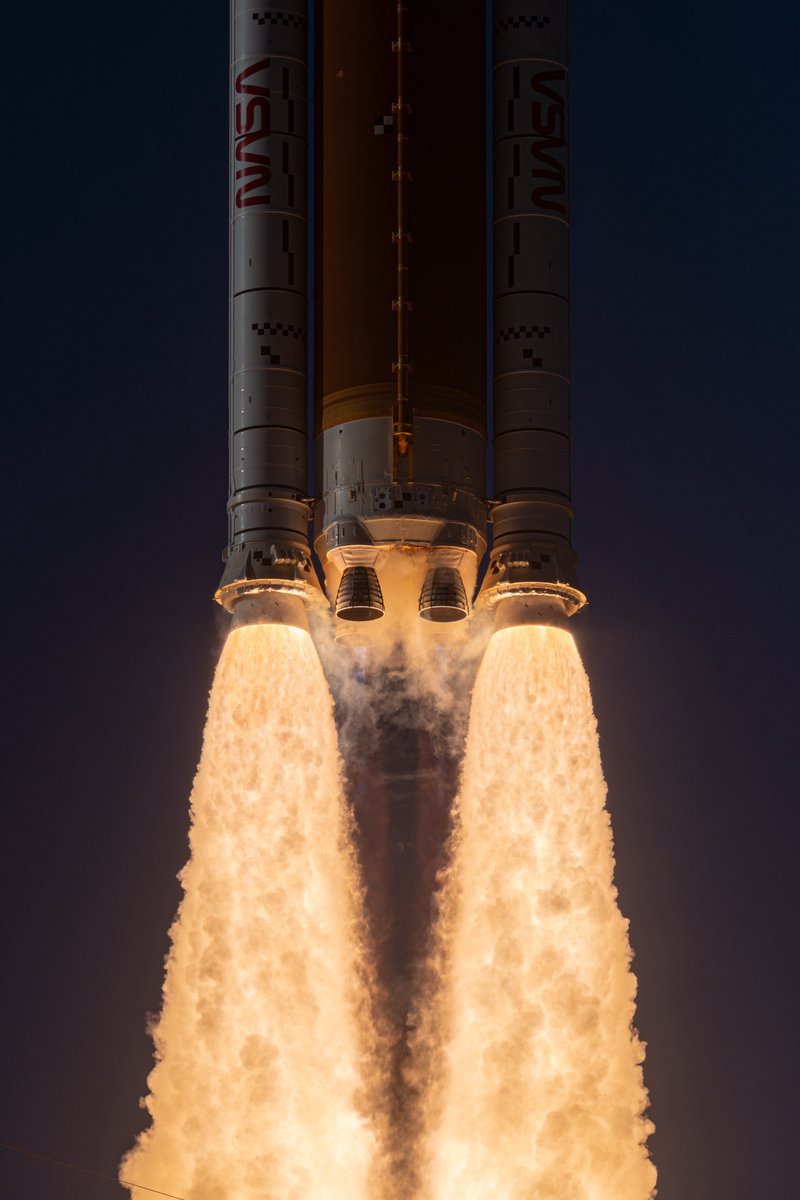
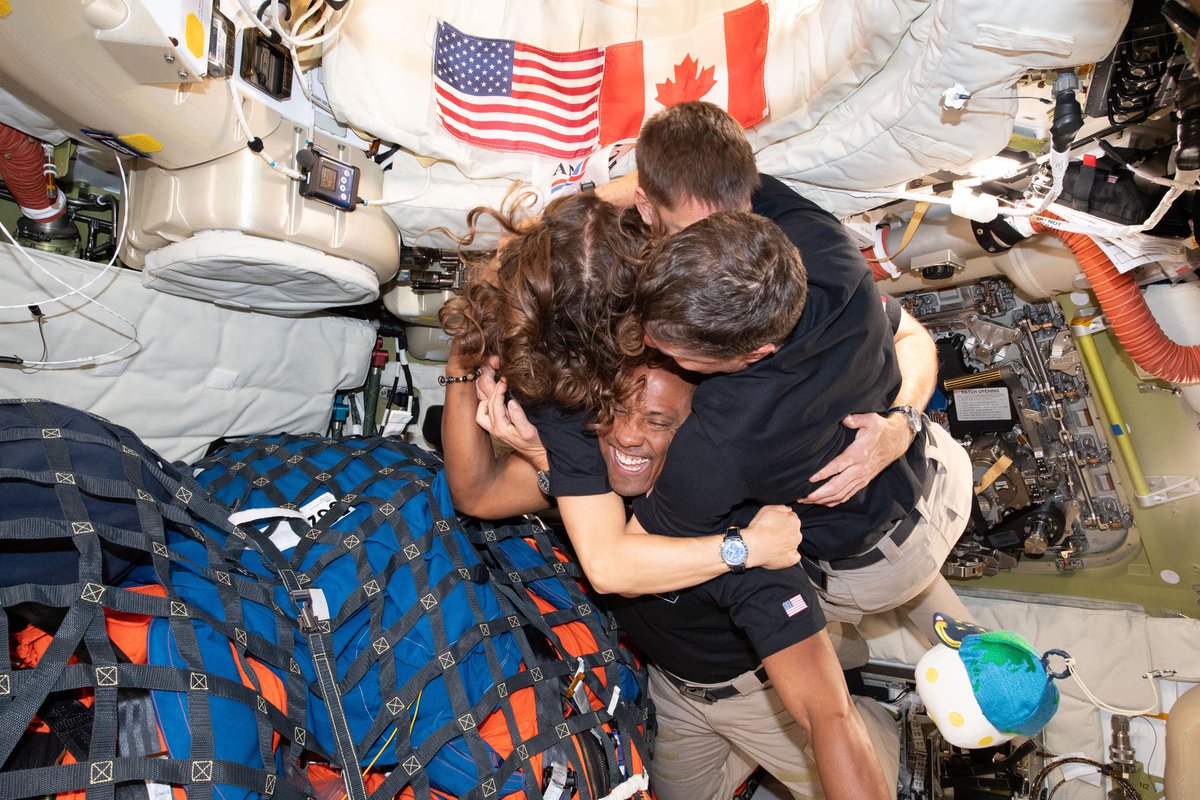
On Tuesday, June 9, we’ll announce the four astronauts who will orbit Earth aboard the @NASAArtemis III mission!
Watch our live event at 11 a.m. EDT (1500 UTC) to find out who will test the docking capabilities necessary for crewed Moon landings: https://t.co/TyU7StKGxH
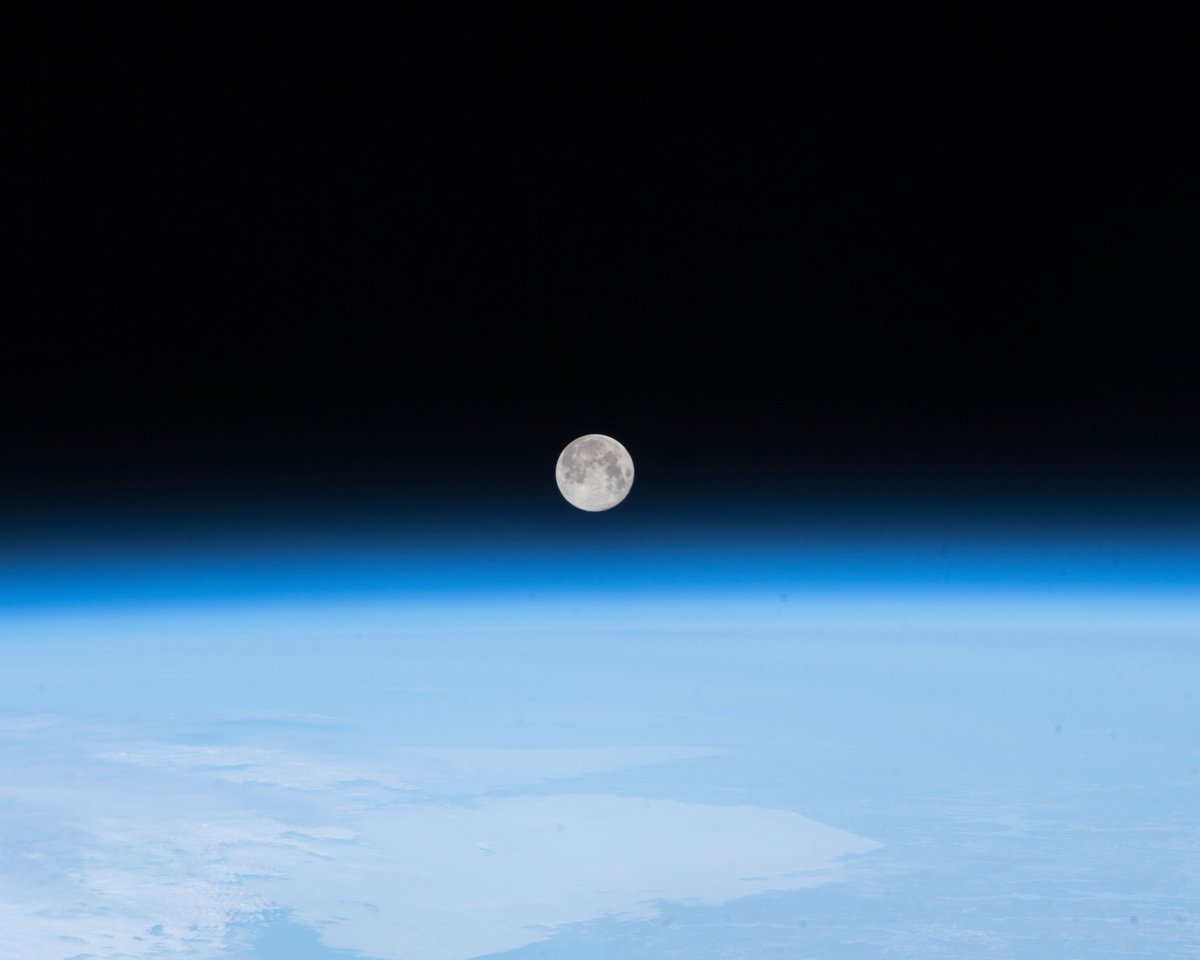
What time zone do we use on the Moon?
As Artemis builds a long-term presence on the Moon, seamless communication between astronauts, rovers, and Mission Control is critical. Coordinated Lunar Time (LTC) will keep future missions in sync: https://t.co/yqSgzinVDh
Only one chance in this lifetime…
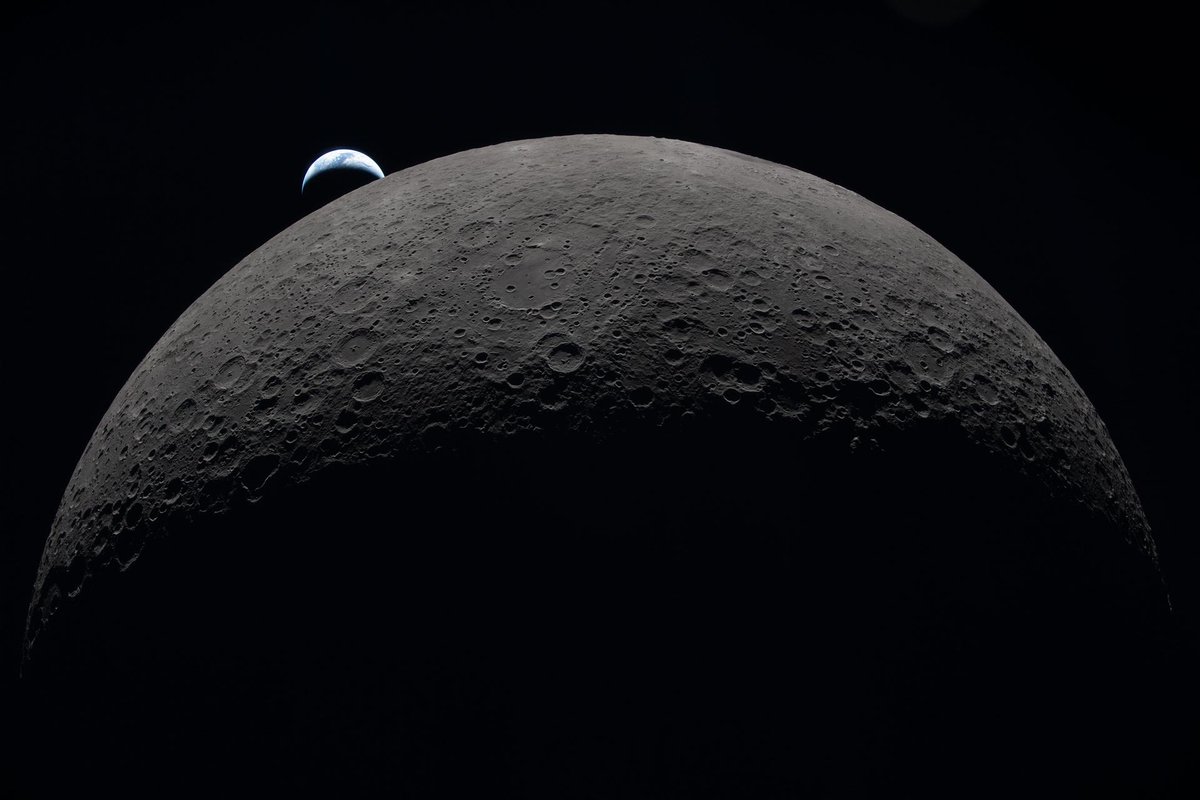
Like watching sunset at the beach from the most foreign seat in the cosmos, I couldn’t resist a cell phone video of Earthset. You can hear the shutter on the Nikon as @Astro_Christina is hammering away on 3-shot brackets and capturing those exceptional Earthset photos through the 400mm lens. @AstroVicGlover was in window 3 watching with @Astro_Jeremy next to him.
I could barely see the Moon through the docking hatch window but the iPhone was the perfect size to catch the view…this is uncropped, uncut with 8x zoom which is quite comparable to the view of the human eye. Enjoy.
That's the end of my takeover of the Artemis accounts!! Thanks for flying along with me. In the words of my bestie Victor Glover, we love you from the Moon!!!! 🫶 Rise out!!
@LilySinisterra Hola Lily, por favor escribir tu solicitud a mi correo de 📧[email protected] y de ahí te indicaré las normativas que deben seguir para solicitar una entrevista. Gracias!🚀💫
The Artemis II crew is boarding Orion.
Reid, Victor, Christina, and Jeremy are taking their seats atop the most powerful manned rocket ever built. They have trained for years for this moment, and now they are preparing to execute a mission that will take us back around the Moon and begin the next chapter of human space exploration.
Great having Embry-Riddle students at NASA HQ today.
Spent time in the Space Operations Center talking through what it takes to execute missions at the highest level and hearing from the next generation that’s going to carry it even further.
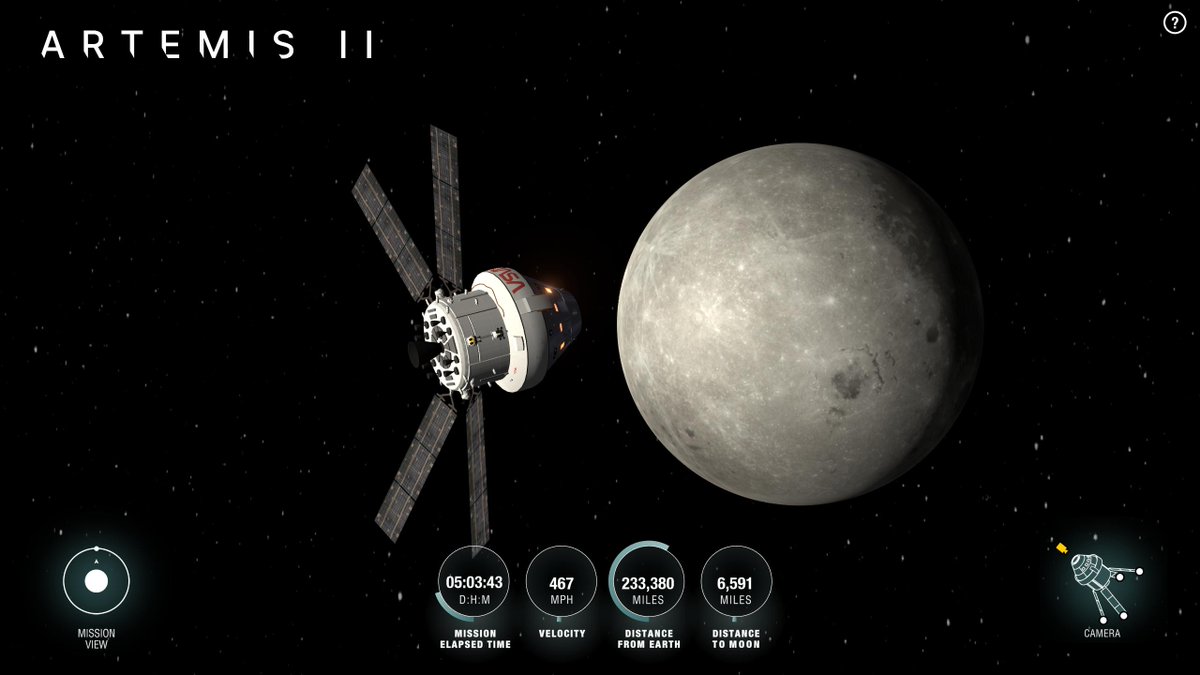
Follow the crew around the Moon during the Artemis II mission with AROW—the Artemis Real-Time Orbit Website—on web and mobile!
Track Orion’s location, get mission stats, and even use AR on mobile to see where the crew is relative to your spot on Earth. https://t.co/tlH0b4ZvTB
As an update to my earlier post.
- The ICPS helium bottles are used to purge the engines, as well as for LH2 and LOX tank pressurization. The systems did work correctly during WDR1 and WDR2.
- Last evening, the team was unable to get helium flow through the vehicle. This occurred during a routine operation to repressurize the system.
- We observed a similar failure signature on Artemis I.
- The Artemis II vehicle is in a safe configuration, using ground ECS purge for the engines versus the onboard helium supply.
- Potential faults could include the final filter between the ground and flight vehicle, located on the umbilical, though this seems least likely based on the failure signature. It could also be a failed QD umbilical interface, where similar issues have been observed. It could also be a failed check valve onboard the vehicle, which would be consistent with Artemis I, though corrective actions were taken to minimize reoccurrence on Artemis II.
Regardless of the potential fault, accessing and remediating any of these issues can only be performed in the VAB.
As mentioned previously, we will begin preparations for rollback, and this will take the March launch window out of consideration.
I understand people are disappointed by this development. That disappointment is felt most by the team at NASA, who have been working tirelessly to prepare for this great endeavor. During the 1960s, when NASA achieved what most thought was impossible, and what has never been repeated since, there were many setbacks. One historic example is that Neil Armstrong spent less than 11 hours in space on Gemini 8 before his mission ended prematurely due to a technical issue. A little over three years later, he became the first man to walk on the Moon.
There are many differences between the 1960s and today, and expectations should rightfully be high after the time and expense invested in this program. I will say again, the President created Artemis as a program that will far surpass what America achieved during Apollo. We will return in the years ahead, we will build a Moon base, and undertake what should be continuous missions to and from the lunar environment. Where we begin with this architecture and flight rate is not where it will end.
Please expect a more extensive briefing later this week as we outline the path forward, not just for Artemis II, but for subsequent missions, to ensure NASA meets the President’s vision to return to the Moon and, this time, to stay.
“She’s calling us, and we’re ready.” 🌒
Today, agency leaders shared updates on the second fueling test for the @NASAArtemis II Moon mission. We're now targeting March 6 as the earliest launch opportunity. https://t.co/7gicm7DWBt
It’s been quite the 3 month journey to get here. Today was a testament of around the clock hours to make it happen.
Si se pudo. Cada vez más cerca del lanzamiento de Artemis II
#Artemis
The Artemis II wet dress rehearsal ended today at 10:16 p.m., concluding as planned at T-29 seconds in the countdown.
NASA will hold a media briefing about the test at 11 a.m. Friday, Feb. 20, which will stream on the agency's website.
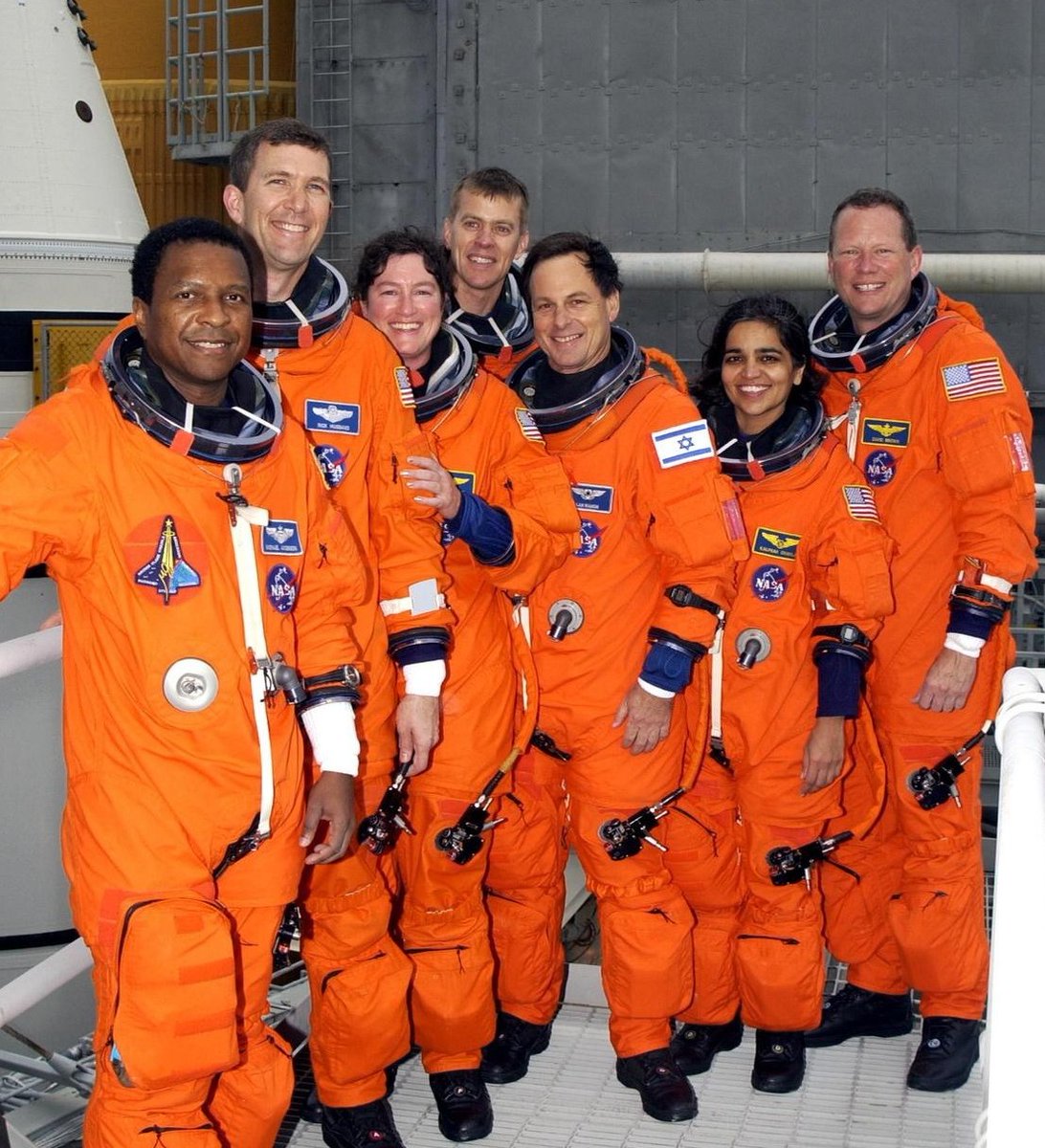
We look back with sadness on this photo of the crew of STS-107. #OTD in 2003 these seven astronauts tragically lost their lives as Columbia broke apart minutes before it was to land.
We pledge to keep their memory alive. #NASARemembers
Let’s go! Wet Dress Rehearsal, the ultimate test for readiness to fly is underway.
Está será la prueba final que definirá los preparativos para el lanzamiento de Artemis II.
#Artemis
News: the countdown officially started for the rehearsal of our upcoming @NASAArtemis launch. Teams will fuel the rocket and run through a full range of operations to make sure everything is ready for our crewed launch around the Moon. More on the milestones ahead: https://t.co/LGkankWgfq
No spacesuit required 👩🚀
Time is running out to submit your name to be flown aboard the Artemis II mission. Be sure to submit before Jan. 21 in order to be included.
Grab your boarding pass and join the mission around the Moon! https://t.co/vyLCuDWQtq
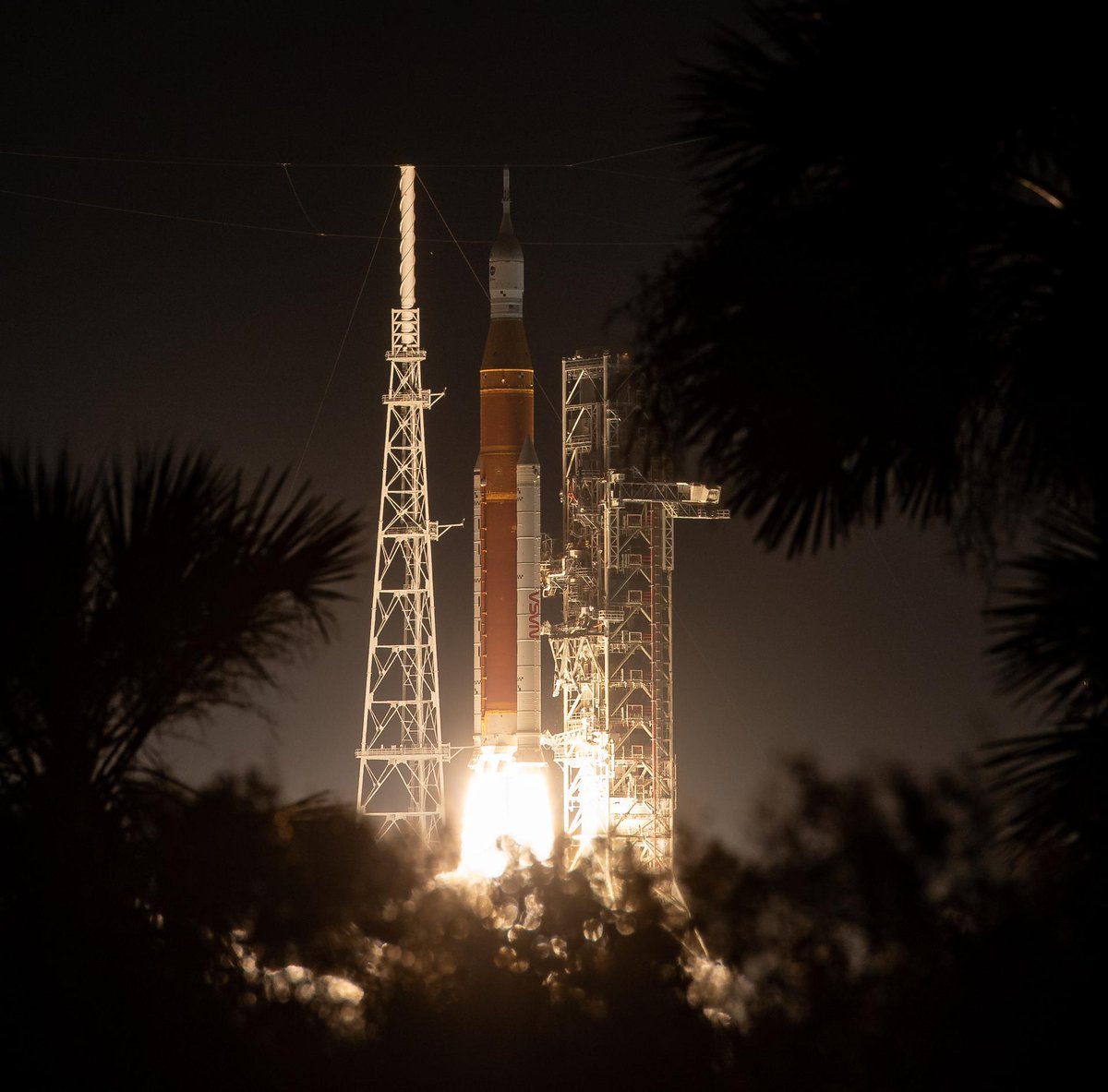
What better celebration of America’s 250th birthday than launching a spacecraft to take the @NASAArtemis II crew farther into space than any human has gone before!
Rockets of this power are marvels of American engineering and informed by the lessons learned throughout our nation’s rich history of leadership in space.
@250Freedom_ 🇺🇸🚀🌕
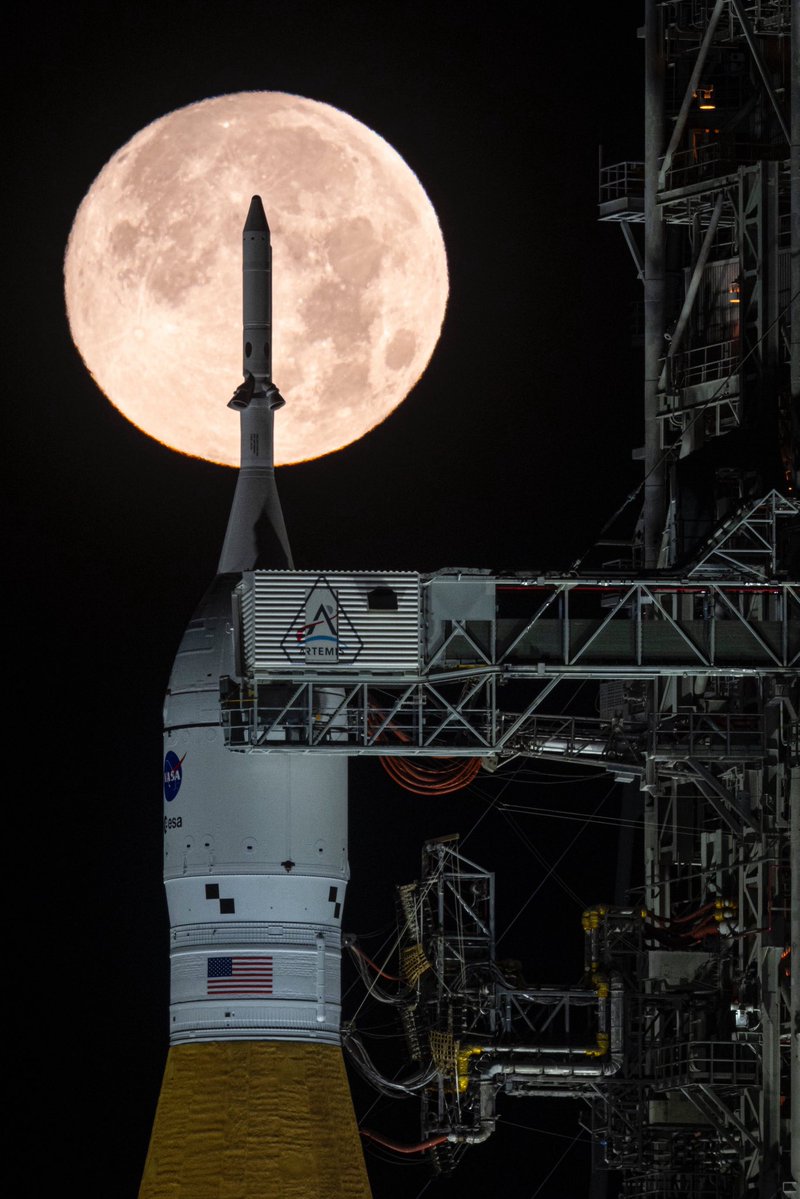
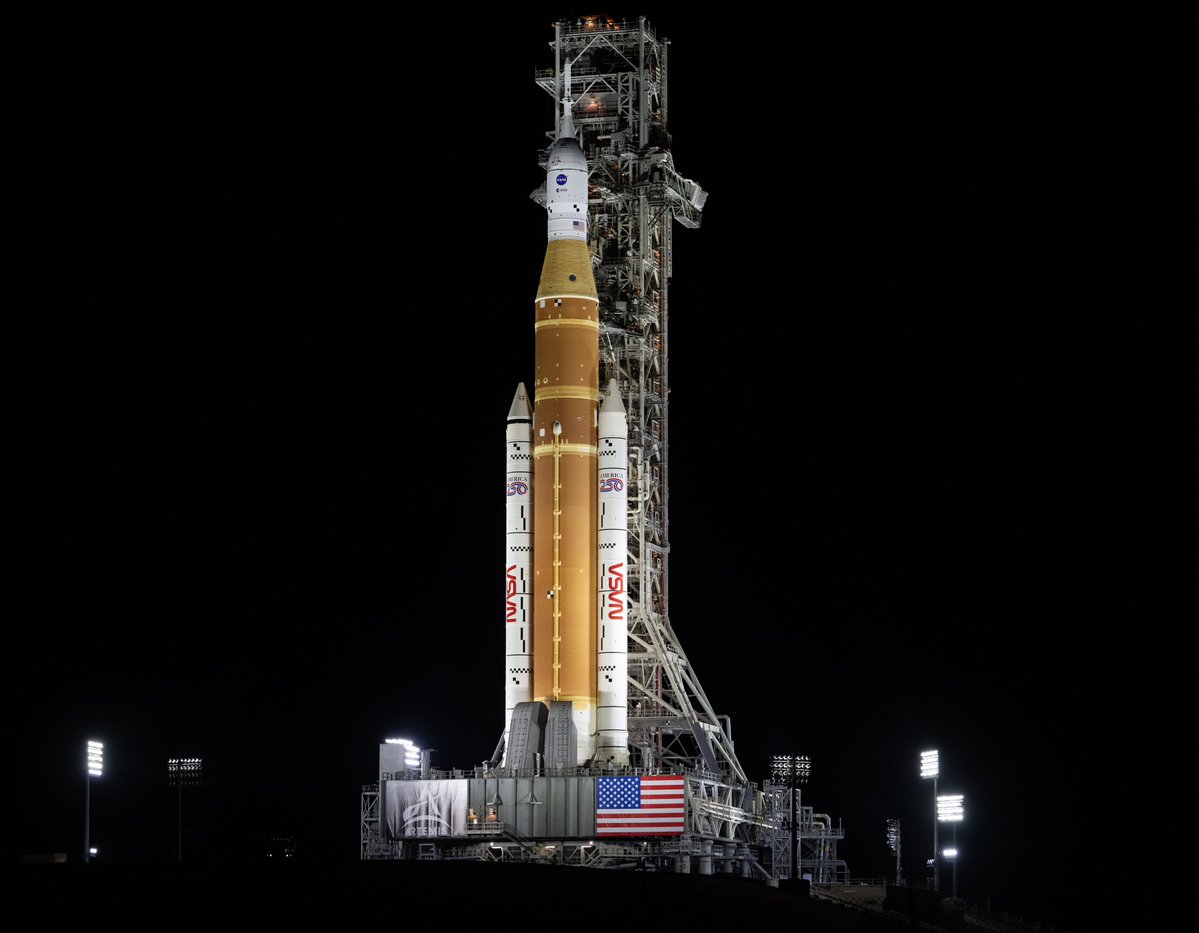
The rocket is stacked. ✅
The Orion spacecraft with its launch abort system is stacked atop the Space Launch System rocket. Launch of the Artemis II mission around the Moon is targeted for early next year.