Asst. News Director @WVNYWFFF; Former RAM at T-Mobile; Tweets are my own! Weather enthusiast. Married to @HaleyBouleyWX #Vermont#5Gforall#Lyndonalum#NVU
@Terrell352 Works well here in rural VT. I agree though that it is very niche. I will say it is nice to have some type of connectivity when I am not on the native TMO network and roaming with ATT is not available.
Unpopular opinion: issuing a tornado emergency should carry the same gravitas as a pilot declaring a mayday.
In the latter case, there’s always a formal event postmortem, paperwork, etc.
We’ve had a number of questionable TOR-Es in the past few years. It’s becoming the new PDS or even regular “radar-confirmed” tornado warning.
That needs to not be the case.
Heat is dangerous and can result in heat-related illnesses including heat cramps, heat exhaustion, heat stroke, or even death. Stay #WeatherReady by learning the symptoms of heat exposure and the appropriate responses. #HeatSafety
https://t.co/UuM9PRXPev
HREF/SREF/NAM retirement:
I have seen some people provide some clarity on aspects of this, but since this is something at the SPC we have been working with for awhile, I wanted to address all aspects of this in one spot.
🧵
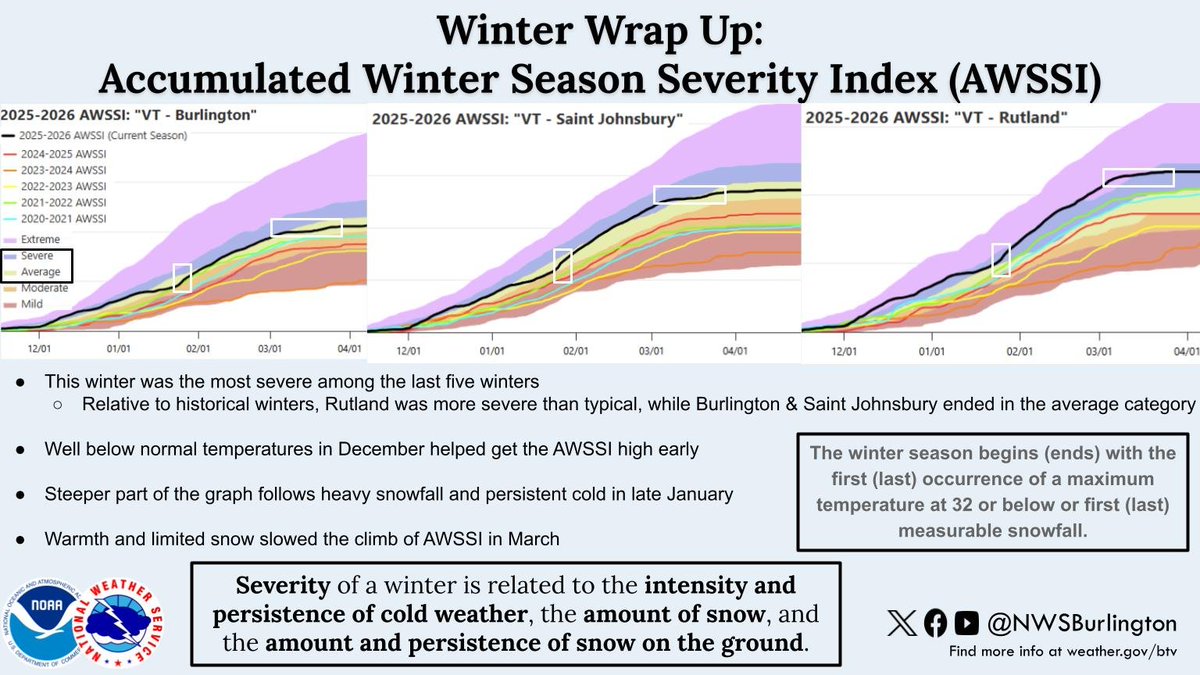
Here's a look at the 2025-2026 winter season severity through an index called the AWSSI, which is calculated daily for a few sites in Vermont based on climatology. Through much of the season, conditions generally were somewhat severe in Burlington, St Johnsbury, and Rutland.
Earthshine.
Artemis II astronaut Christina Koch captured this video of Earth outside the windows of the Orion spacecraft during the second flight day of the mission. Orion was roughly 33,800 miles (54,500 km) away from Earth when @Astro_Christina took this video.
Only one chance in this lifetime…
Like watching sunset at the beach from the most foreign seat in the cosmos, I couldn’t resist a cell phone video of Earthset. You can hear the shutter on the Nikon as @Astro_Christina is hammering away on 3-shot brackets and capturing those exceptional Earthset photos through the 400mm lens. @AstroVicGlover was in window 3 watching with @Astro_Jeremy next to him.
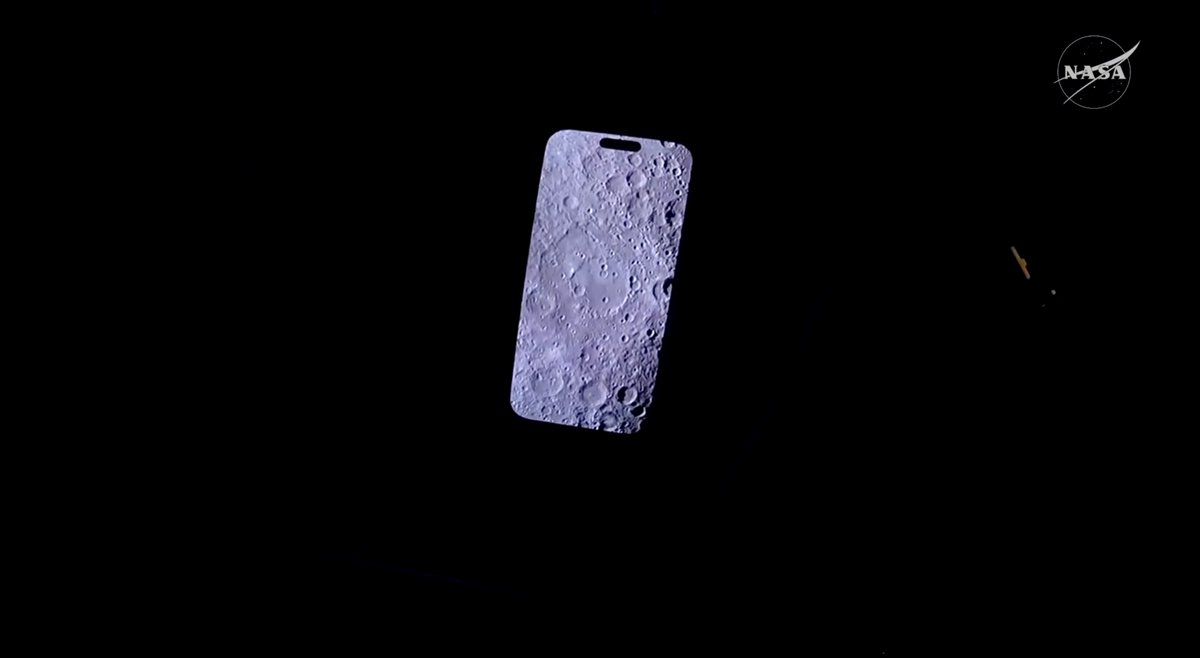
I could barely see the Moon through the docking hatch window but the iPhone was the perfect size to catch the view…this is uncropped, uncut with 8x zoom which is quite comparable to the view of the human eye. Enjoy.
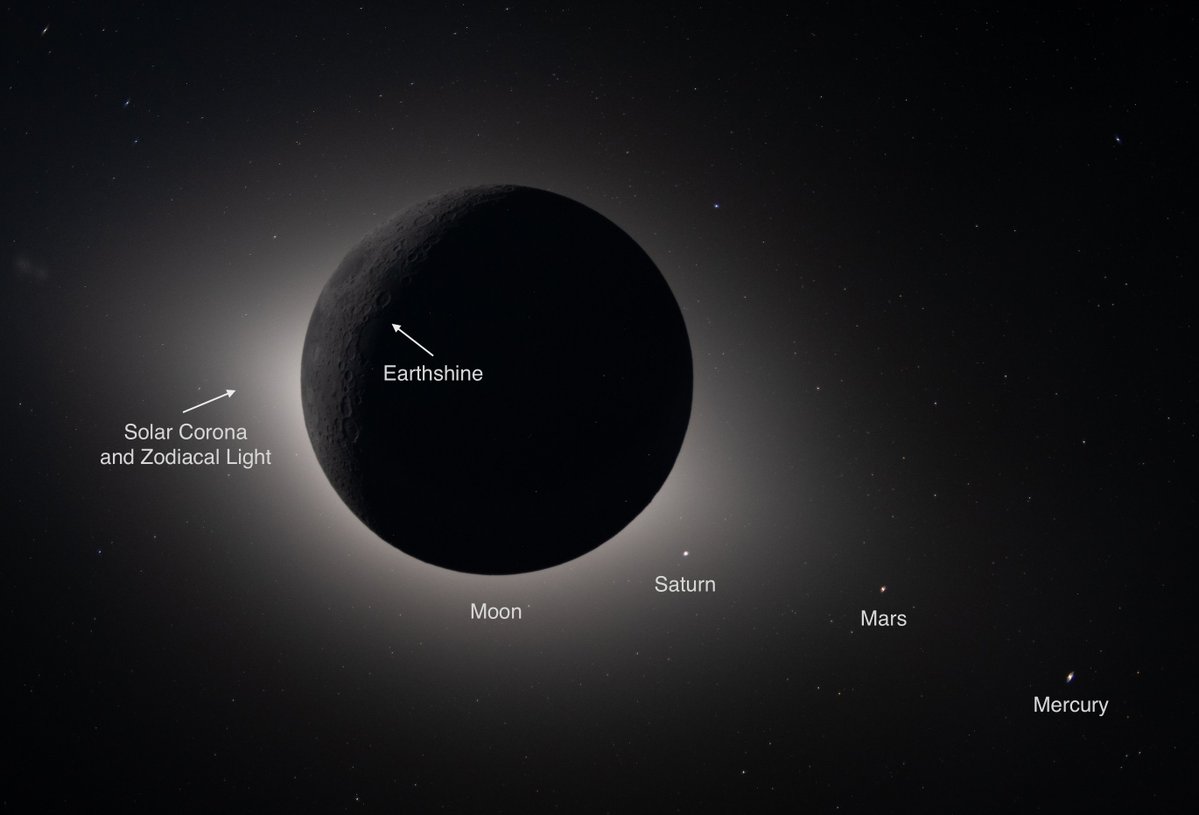
The Moon and light from at least five objects in our solar system appear in this view from the @NASAArtemis II crew: Saturn, Mars, and Mercury, along with reflected sunlight from Earth and the glow of the Sun's corona and/or zodiacal light scattered by interplanetary dust. 1/2
Photo of the Day: Earthset, captured on #GoPro 🌎
@NASA's Orion spacecraft captures the Moon and the Earth in one frame during the Artemis II crew’s deep space journey on the sixth day of the mission. The right side of NASA’s Orion spacecraft is seen lit up by the Sun. A waxing crescent Moon is visible behind it. And then, a crescent Earth, tiny compared to the Moon, is about to set below the Moon’s horizon on the right.
Credit: NASA
#NASA #Artemis #Moon #Space
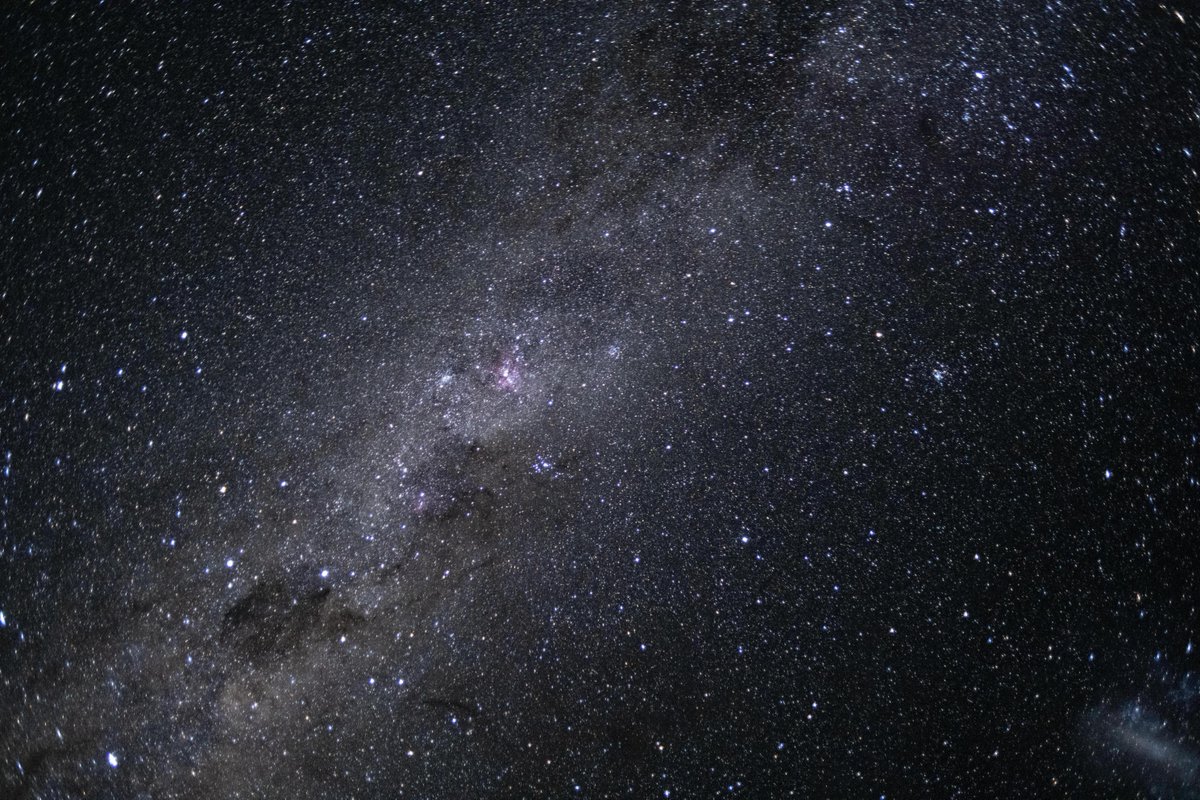
Sky full of stars.
Following a successful lunar flyby, the Artemis II astronauts captured this breathtaking photo of our galaxy, the Milky Way, on April 7, 2026.
The eclipse from Orion.
On April 6, external cameras attached to the Orion spacecraft's solar array wings captured the Moon backlit by the Sun during a solar eclipse.
@NASAArtemis crew keep talking about how bright the moon is out their window. I wonder if they need sunglasses on the next mission to better adjust from the cabin to the window @NASA
New record🥇
The Artemis II astronauts are now farther from Earth than humans have ever been! At 1:57 p.m. EDT, they broke the record set by Apollo 13 in 1970.
Their journey around the far side of the Moon today will take them a maximum distance of 252,752 miles from Earth.