More evidence of importance of building strength @ActiveScotGov@PathsforAll
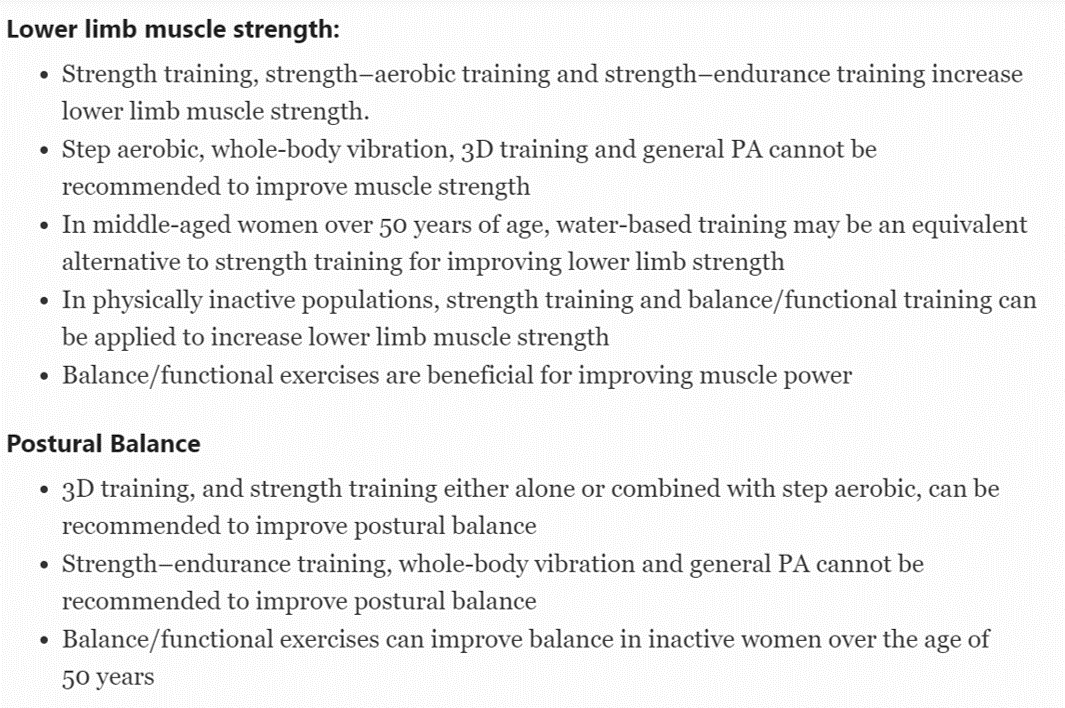
Weightlifting at retirement age keeps legs strong years later, study finds https://t.co/ofdjFoim0m
🏋️💪🏼 Effects of (in)activity and resistance training on physical and cognitive function across the lifespan
#StrengthSavesLives
https://t.co/4B272kRRmK
Walking speed is a strong predictor of overall health.
So much so it’s known as the “6th vital sign”.
And strength (grip strength) is one of the best predictors of slow walking speed.
New work from Jesse Zanker, @DavidScottPhD, @DrBenKirk, @DrGustavoDuque et al.
https://t.co/mv0419y791
Running is not bad for your back and may even help strengthen the discs (Belavy et al. 2017). So we can reassure runners with back pain that returning to their sport isn't harmful, but we do want to find a manageable level for them to gradually progress from.
We can find this by starting at a duration and intensity where any pain is mild and settles quickly after a run (i.e. the same day). It also shouldn't lead to increases in neural symptoms such as leg pain, pins and needles or numbness.
In severe or irritable cases it's best to settle symptoms first, especially if they're aggravated by standing, walking or impact. As a therapist we need to use our judgement and work with the patient to determine when they may be ready to run.
Stay positive for runners in your care, we've seen people recover from severe pain back to successfully return to marathons and ultra-marathons! 🏃♀️
Key reference:
Horga, L.M., Henckel, J., Fotiadou, A. et al. What happens to the lower lumbar spine after marathon running: a 3.0 T MRI study of 21 first-time marathoners. Skeletal Radio 51, 971-980 (2022).
#Running #RunningInjury #BackPain #LowerBackPain #runningrepairs
When muscles 💪🏽 contract, they secrete lots of chemicals into the bloodstream, including #myokines, referred to as “hope molecules”. These small proteins 🧬 travel to brain 🧠 and act as an antidepressant. They do this by improving our #mood, ability to learn, capacity for locomotor activity, and protect brain from negative #ageing effects. #exercise #mentalhealth https://t.co/c74WvmNtUO
Get up, keep moving!
Among older adults, more time spent in sedentary behaviors was significantly associated with higher incidence of all-cause #dementia.
https://t.co/DUKiJX6Txp
Adults should do some type of #physicalactivity every day
#Exercise just once or twice a week can reduce risk of heart disease or stroke
👉🏽https://t.co/Vr5AKkQ6EA
With ageing:
The decline from our “peak” cognitive and physical function is inevitable.
But we can influence:
- The height of the peak
- The rate of decline after the peak
And ultimately delay:
The point where we cross the disability and dependence threshold.
@mackinprof
https://t.co/QUXv2EQ6xR
Adherence to aerobic and muscle-strengthening activities guidelines: a systematic review and meta-analysis of 3.3 million participants across 32 countries
https://t.co/Xl9C6EPtko
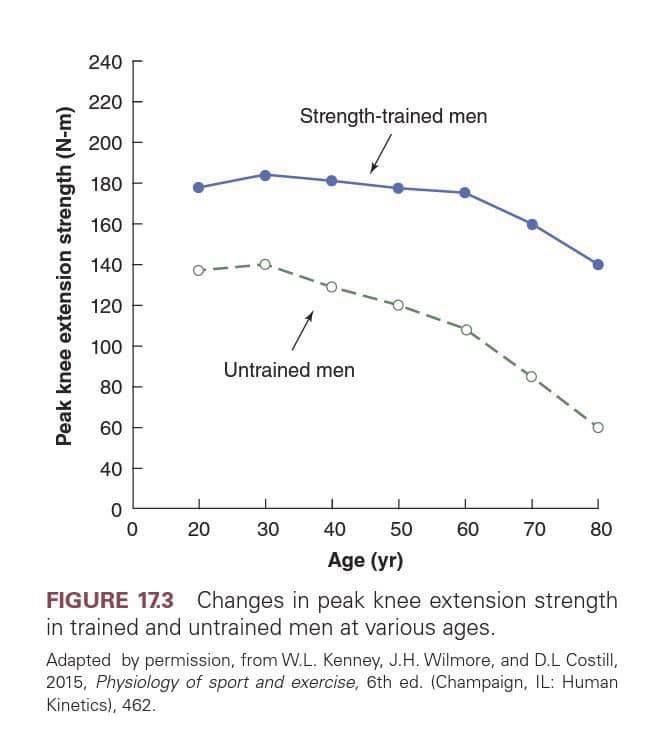
An 80 year old man who lifts is as strong as a 30 year old man who doesn't.
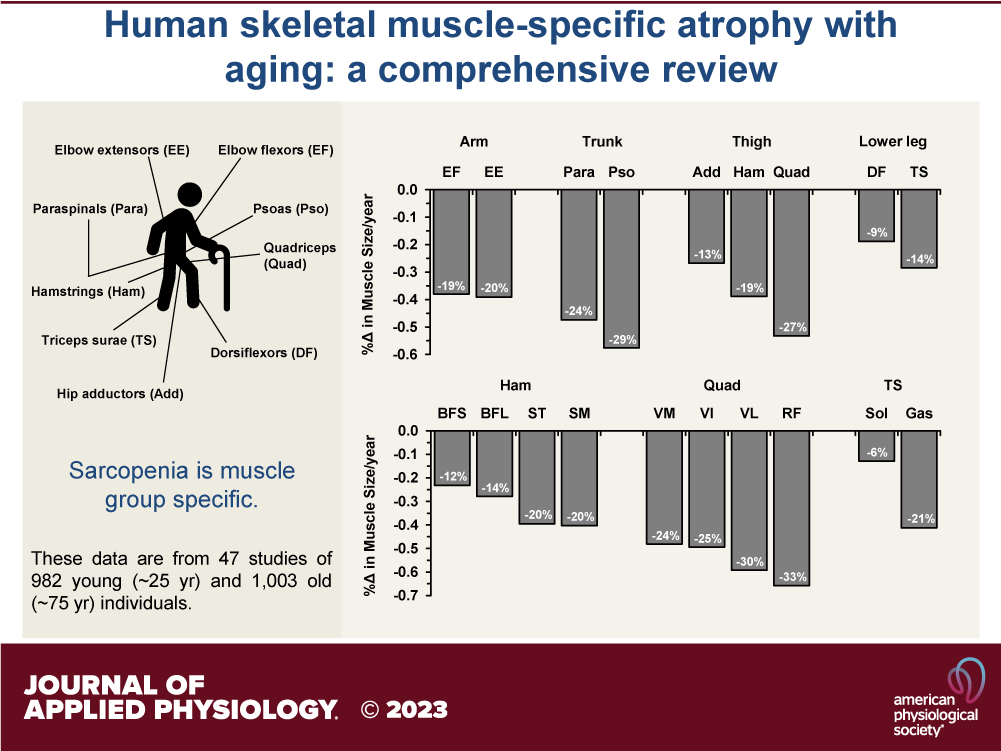
After the age of 30 muscle mass decreases by approximately 3-8% every decade. This rate of decline becomes even faster after the age of 60.
This reminds me of my dad who decided to start lifting & running at 40 years old.
Now at the age of 76, his body and brain are as active as ever.
He doesn't need any form of assistance, he's living independently and doing it on his terms.
A couple sessions a week of weight training is the ultimate form of delayed gratification.
You're trading 90 minutes a week for a lifetime of mobility, strength, and brain health.
I'd make that trade in a heartbeat.
I know some people in their old age who look back and regret not taking better care of themselves.
They got to a point where there was no return.
You don't want to let that happen to you.
It's better to be the oldest person in the weight room than the youngest person in the nursing home.
Lift now so you can reap the benefits later.
Sources:
1. Holloszy JO. The biology of aging. Mayo Clin Proc. 2000;75 (Suppl):S3–S8.
2. Melton LJ, III, Khosla S, Crowson CS, et al. Epidemiology of sarcopenia. J Am Geriatr Soc. 2000;48:625–630.
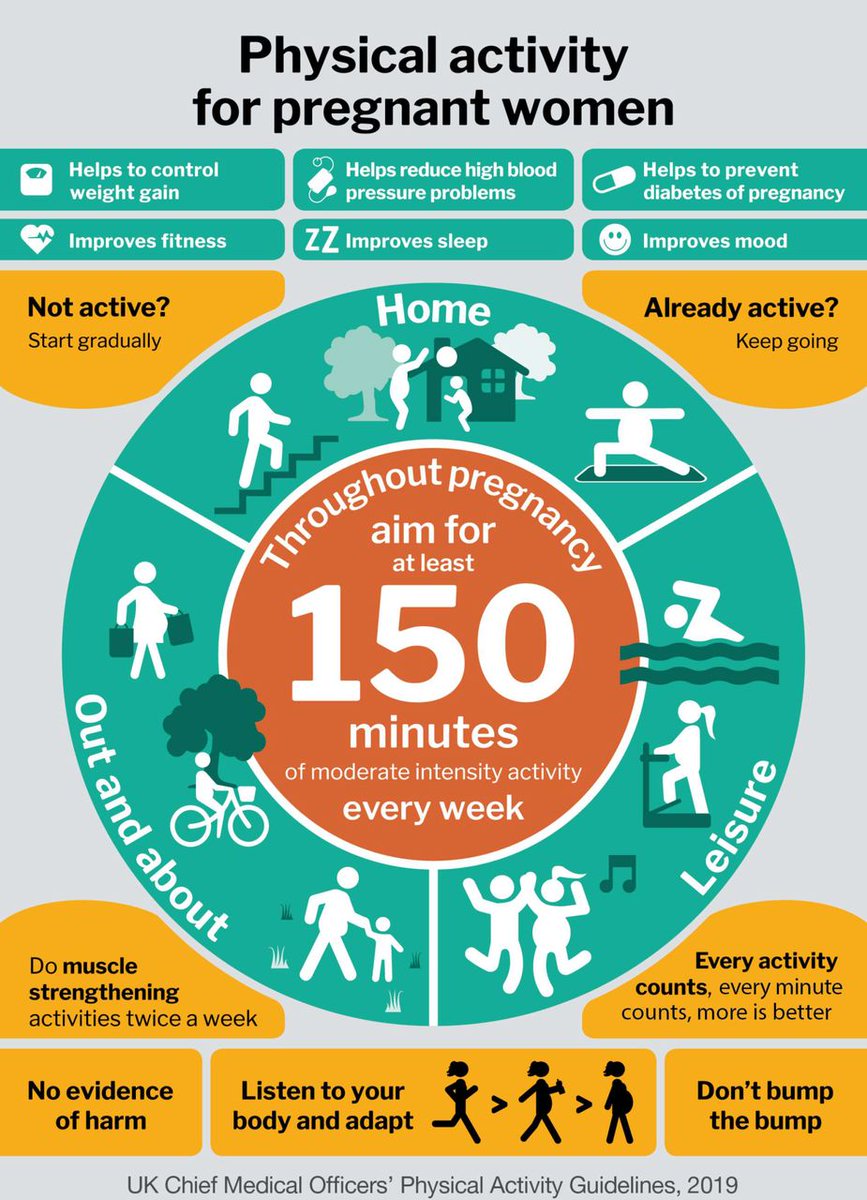
🚨How can healthcare professionals support #PhysicalActivity in pregnancy? 🏃♀️ 🤰
NEW #Editorial with great supporting #Infographic 📈
READ 👉 https://t.co/aCkpkCSMxu
This is an MRI image of 3 people:
The top is a 40 year old triathlete.
The middle is a 74 year old sedentary person.
The bottom is a 70 year old triathlete.
The dark part is the muscle and the light part is the fat.
What you see is that a 70 year old may be able to retain the same amount of muscle and bone density as a 40 year old if maintained through exercise.
If not, then you suffer the fate of the 74 year old sedentary person.
The lesson? You either use it or lose it.
Stay active and train consistently to live a long and prosperous life.
3 sets of repeated chair stands (5 or 10 reps per set), 3 times per week.
Sound feasible?
Over 8 weeks, this was enough to improve:
Muscle thickness: ⬆️8-9%
Muscle quality index: ⬆️40-45%
Relative sit-to-stand power: ⬆️29-38%
Resistance training doesn’t have to be fancy to be effective.
https://t.co/hpeHCnU0nO
The benefits of resistance training?
For those who engage in up to 60 mins per week of resistance training
There is a substantial reduction in the chances of dying from ANYTHING over a set period.
/5
Studies continue to get larger and meta-analyses more numerous but the message is ALWAYS the same! #Exercise#physical activity strongly protective against most chronic diseases. Why aren’t governments and the medical community on board to support change! @ESSA_NEWS@ACSMNews