Met an “I’m a biotech” guy today. Introduced himself as a ‘serial C-suite’ chap. I thought, what a complete zero-value-add arse. And he was. They mostly are.
Therapeutic (small molecule) inhibition of global gp130 signaling improves right ventricular function in a pig model of RV loading.
PAH in humans next?
🙌 https://t.co/bGOwsH93GV
Wonderful leaving dinner with Imperial friends and colleagues last night. Thank you for the kind words and the lovely present, which will be put to very good use! 🤗
Now perhaps the most replicated target gene for lung fibrosis in multiple POC studies
Four clinical trials in progress:
NCT05331300
NCT05658107
NCT05740475
NCT06612970
All began with PMID: 31554736, just 6 years ago
🚀 https://t.co/WuKctnqcOq
We are happy to share our new paper. We identified il11 as a regenerative factor to stimulate heart regeneration. However, prolonged il11 treatment causes fibrosis due to persistent activation of the epicardium.
https://t.co/Ic2iNDQd7w
🙌
IL11 is directly toxic in cardiac myocytes causing calcium handling disturbance and impaired contraction
Negatively inotropic in vivo
Not just a fibroblast factor
Heart failure target?
🤨
https://t.co/uLdqF2N4mL
Pssst - its not just IL11 effects on fibroblasts:
“These data show that IL11 inhibits reparative AT2-to-AT1 differentiation in the damaged lung to limit endogenous alveolar regeneration, resulting in fibrotic lung disease”
Damaging EMT, as seen in kidney https://t.co/osJLsAFHAA
💯
We wanted to keep in the clock data, even if pushed to the supplement. We appealed to both the reviewer and [separately] the editor.
If something is truly ‘anti-ageing’ it should affect epigenetic clock, across tissues.
I think it should be a standard biomarker.
Sometimes peer review diminishes the quality of an article. Painful example: the authors had to remove their striking epigenetic clock results from the high profile paper titled "Inhibition of IL-11 Signaling Extends Mammalian Healthspan and Lifespan." Fortunately, the peer review files are available online.
https://t.co/IkimNCNLMF
@stuartacook1@MartinBJensen@aa_widjaja@metapredict@MitoPsychoBio@KSadtler And to keep these thoughts in one🧵: I really think this exciting new understanding of the impacts of IL-11 signaling will help us better understand how Th2-type responses could drive #IACI. There's much metabolic overlap between these illnesses and aging.
https://t.co/NwCtjr2cIV
It is suggested we do more [5 year] mice studies but how about a human trial?
We have an anti-IL11 therapy specifically engineered for human ageing trials at https://t.co/KhbTu36Bz6.
Needs investment, build out, approvable endpoints and not easy +++. But faster to humans…
I’ll raise you: How about a clinical trial?
We have engineered a super long acting and potent anti-IL11 for human ageing trials at https://t.co/ioZVt0yypd.
Faster to humans, not another 5 years in mice
Needs investment, build out, approvable endpoints and not easy ++. But..
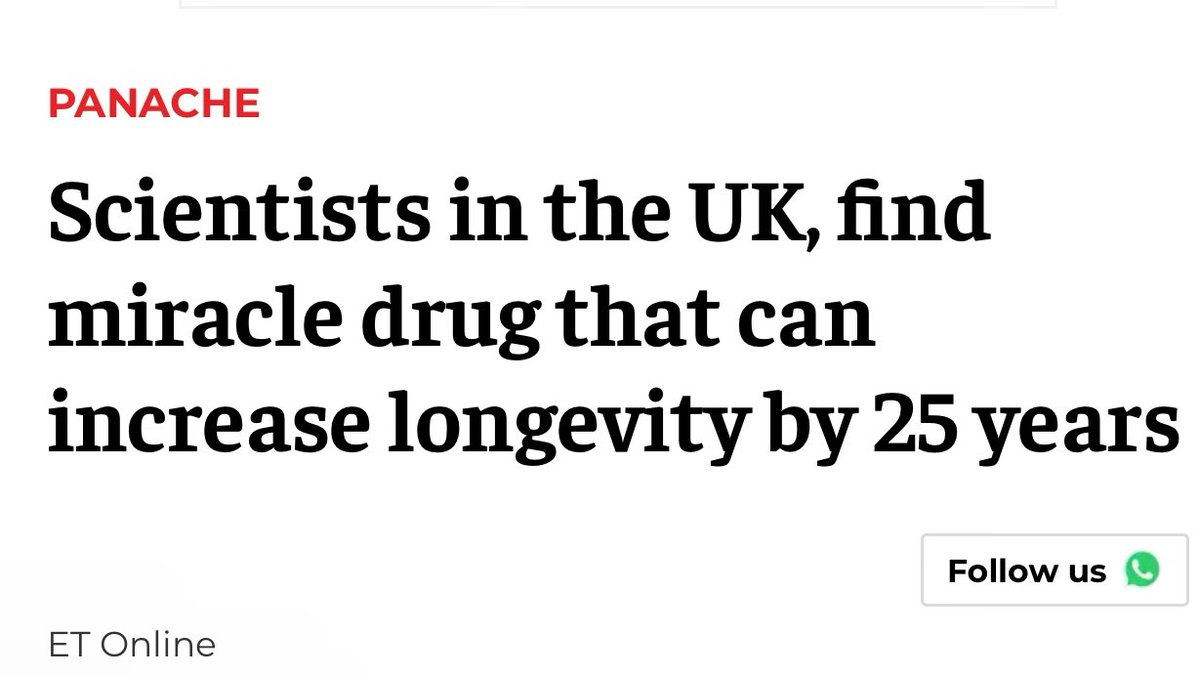
💰 Anyone willing to finance a study combining the latest IL11 inhibition intervention — that was just shown to extend lifespan in mice by 25% — with other interventions with the goal of finding synergistic combinations?
@ydeigin@theodorus5@aubreydegrey We did the Il11ra KO for healthspan and saw similar effects. Not X209 - think PK might be an issue as IL11RA widely expressed and so need multiple dosing for longterm. Not ideal for anti-ageing Rx.