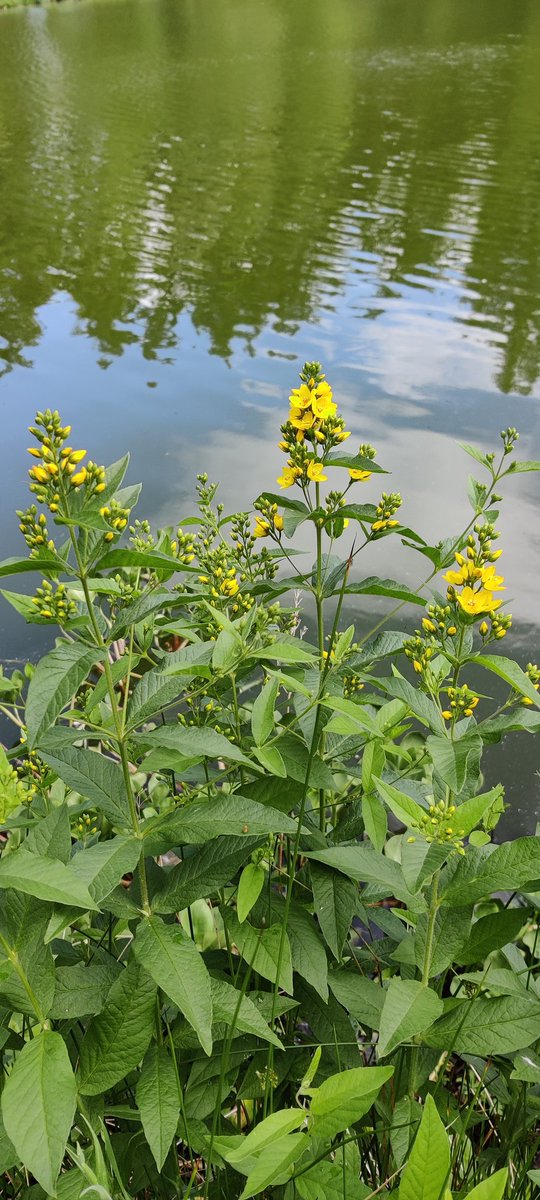
A bit early for #DaisyFamily#wildflowerhour. Perennial Sow Thistle, Crepis capillaris ( Smooth Hawk'sbeard) and Wall Lettuce. And because it is yellow and bristly and lovely to find even if it's not the daisy family, Amsinckia micrantha, Common fiddleneck.
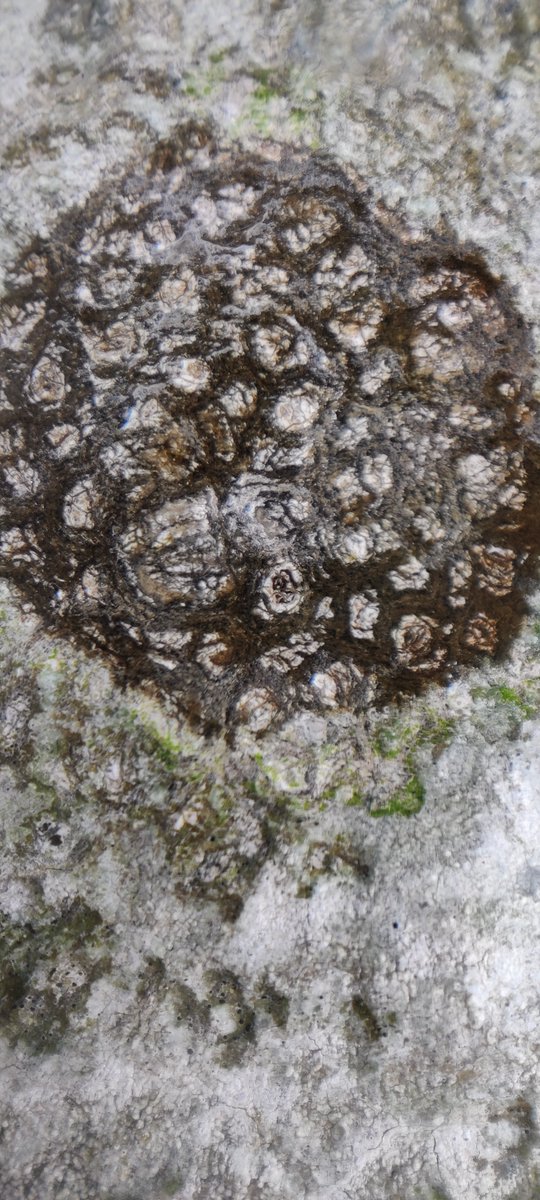
#notalichen ? What is this on top of a stone wall? Looks like a lichen but I don't think it is. Took a sample, very crumbly, fell into gritty bits, C-, K- . Only clue was 2 transparent tiny worms amongst it (but often find invertebrates on lichens so maybe unrelated). Any ideas?
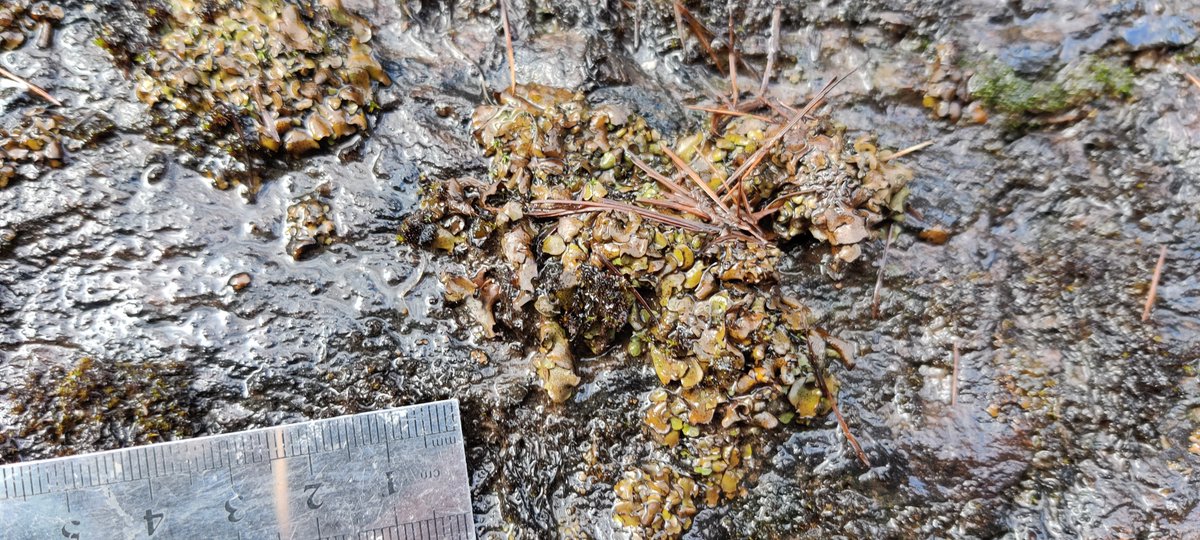
Lovely #lichen at Falls of Truim. Loads of Icmadophila ericetorum on the paths, Dermatocarpon by the river, and plenty of Cladonia portentosa. And the sun shone!
New #preprint alert! What are the core symbionts of lichens? TLDR: we analyzed >400 lichen metagenomes from around the world and found that 4 bacterial groups are as frequent in lichens as the alga, one of the two main partners in the symbiosis. 🧵1/11 https://t.co/pxsuvOXqfq
Symbiotic powder stretching arms 🙋♂️
Some lichens propagate by jointly packing a few algal symbionts in a fungal wrap so small to appear as a powder to the naked eye. After dispersal, they start growing fungal arms to embrace new grounds #lichens#soredia#symbiosis#cultures
@dogdoughty@AndrewPlatt4@BSBIbotany I found some last week on a trip to Hampton Hill. It seems to turn up in block paving so I wonder where they source the sand.
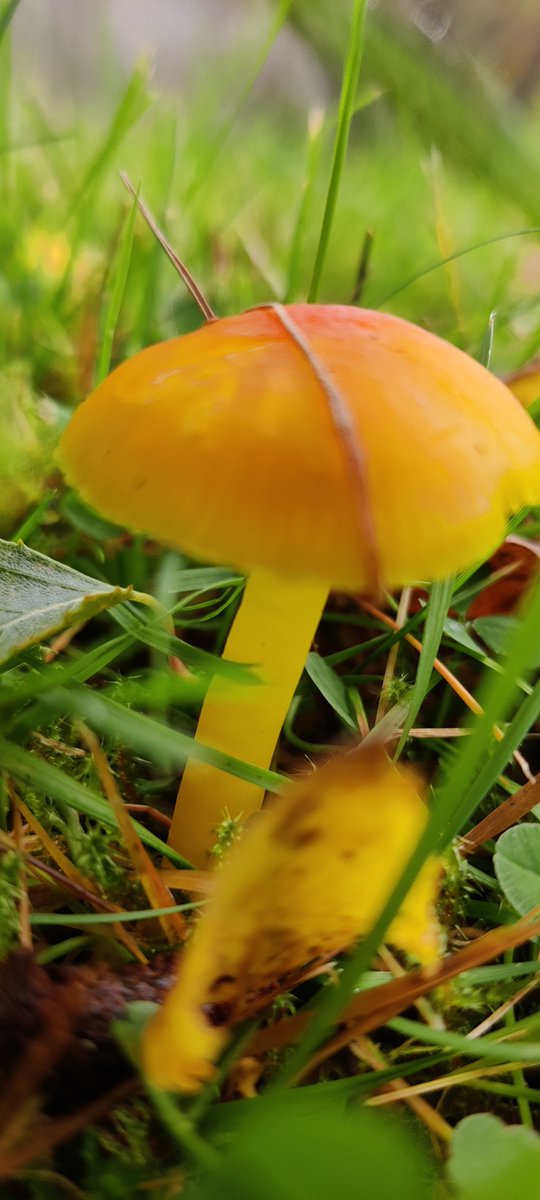
An update on the ID. It is not Violet Coral but is Thelephora palmata with the much less attractive name of Stinking Earthfan. The 2 waxcaps are Scarlet waxcap and Butter waxcap.
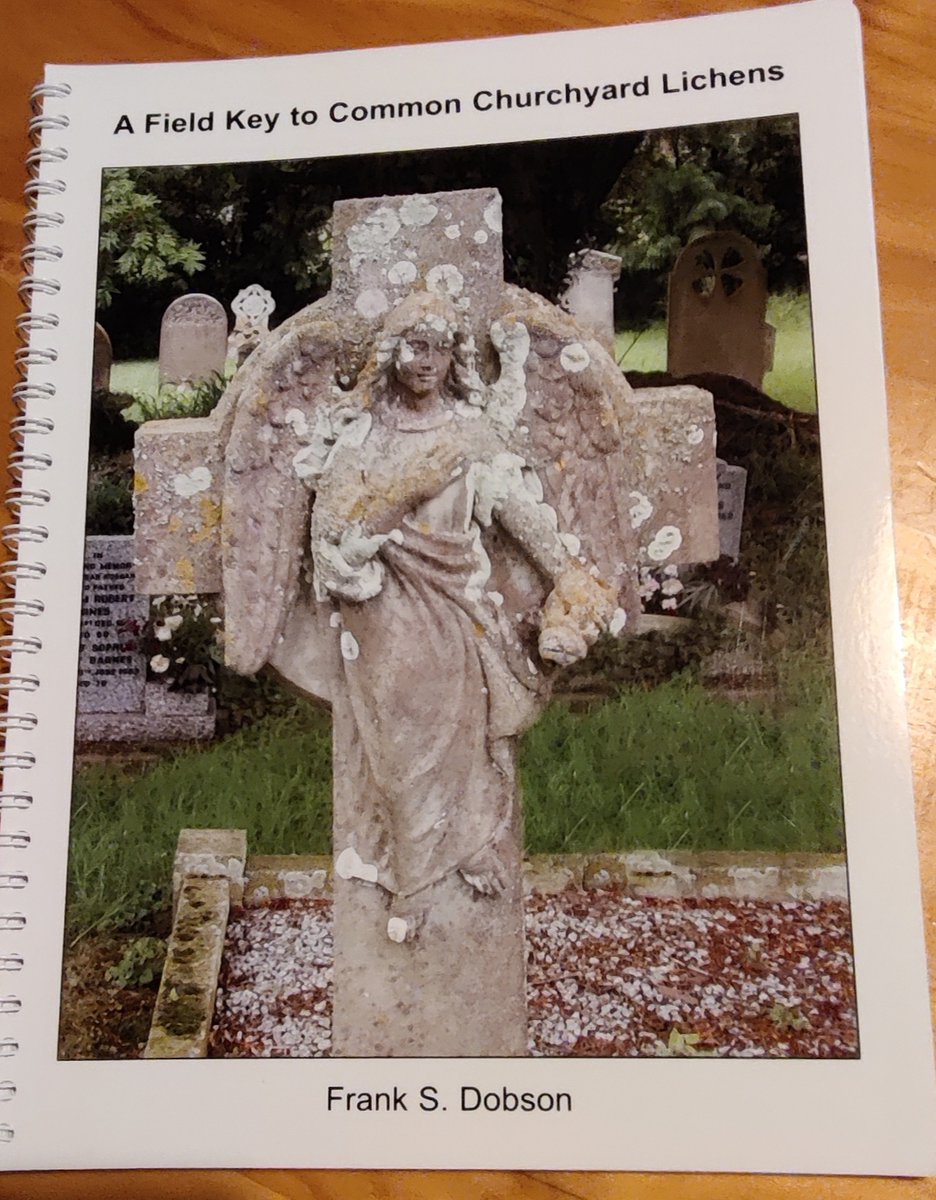
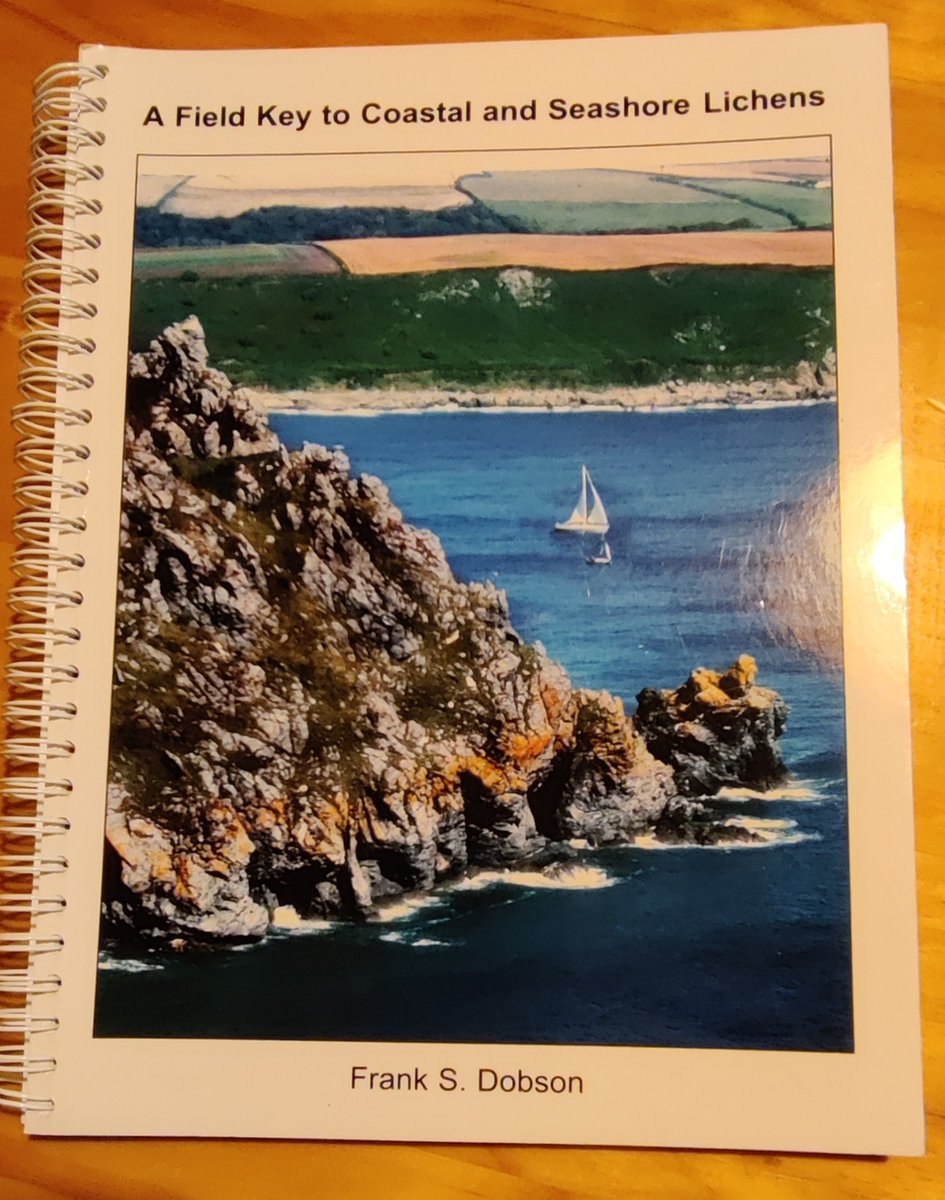
Dobson's Field Guides are out of print but if there is enough interest, the BLS might reprint them. Let them know by filling out the survey at https://t.co/uBjZLr8JTA