@richapintoi normal water transport remains a dream in mumbai whereas VIP helicopters run the roost - what happened to gateway jetty - the only Metro with a super Coastline and we dont have any watersports or cruise boats or a proper marina
@richapintoi Richa u need to cover Ghatkopar Station East - so much chaos for the normal citizen and demolition needs to happen at patel chowk opp naturals icecream - its a nightmare
(Site pics below, Documents assessed attached)
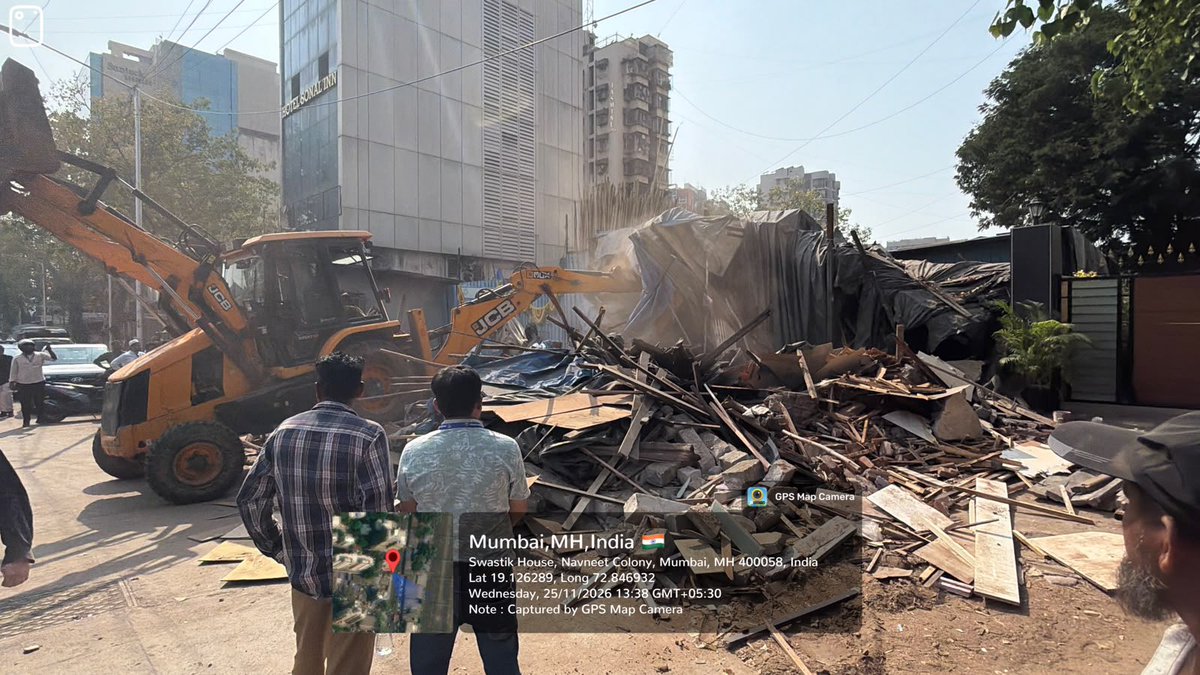
Yesterday, I visited Pramod Mahajan Garden in Kurla, where a couple was allegedly assaulted by local boys on November 20.
A nearly 10,000-sq-metre public open space, tucked away behind a sprawling mall, with access through the mall premises. I had expected a public garden to open out onto the main road. Instead, unless you enter the mall, you may never even know that such a vast green space exists here.
A garden this large should be a neighbourhood asset. But its location makes it almost invisible — unless you are a local or happen to know it exists.
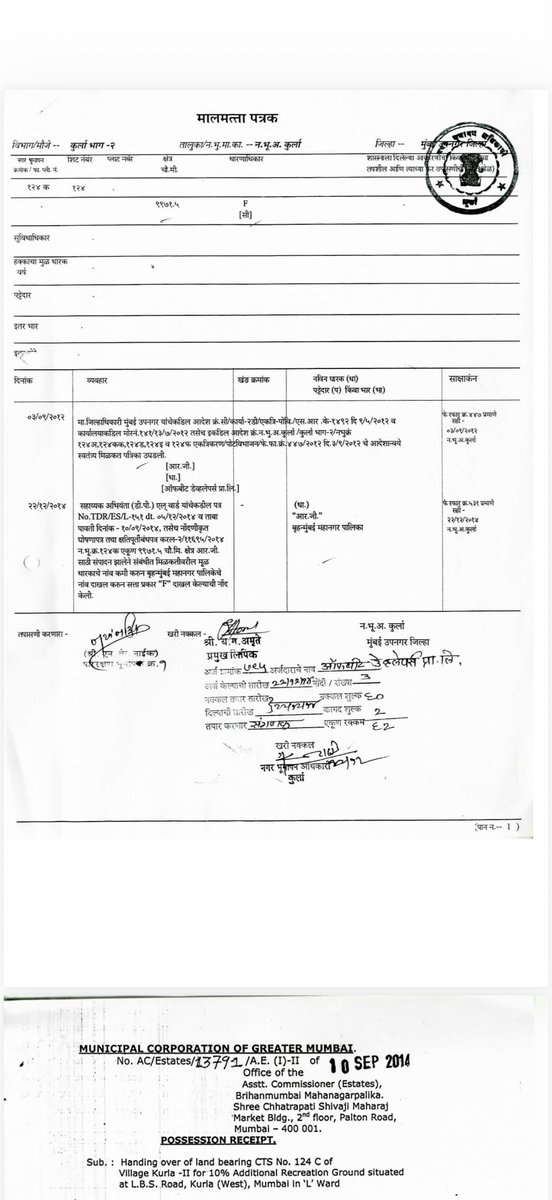
Digging into its history, I found that the developer handed over the garden to the BMC in 2014. The handover documents mention an existing stormwater drain line. Yet the site comes with its own civic challenges.
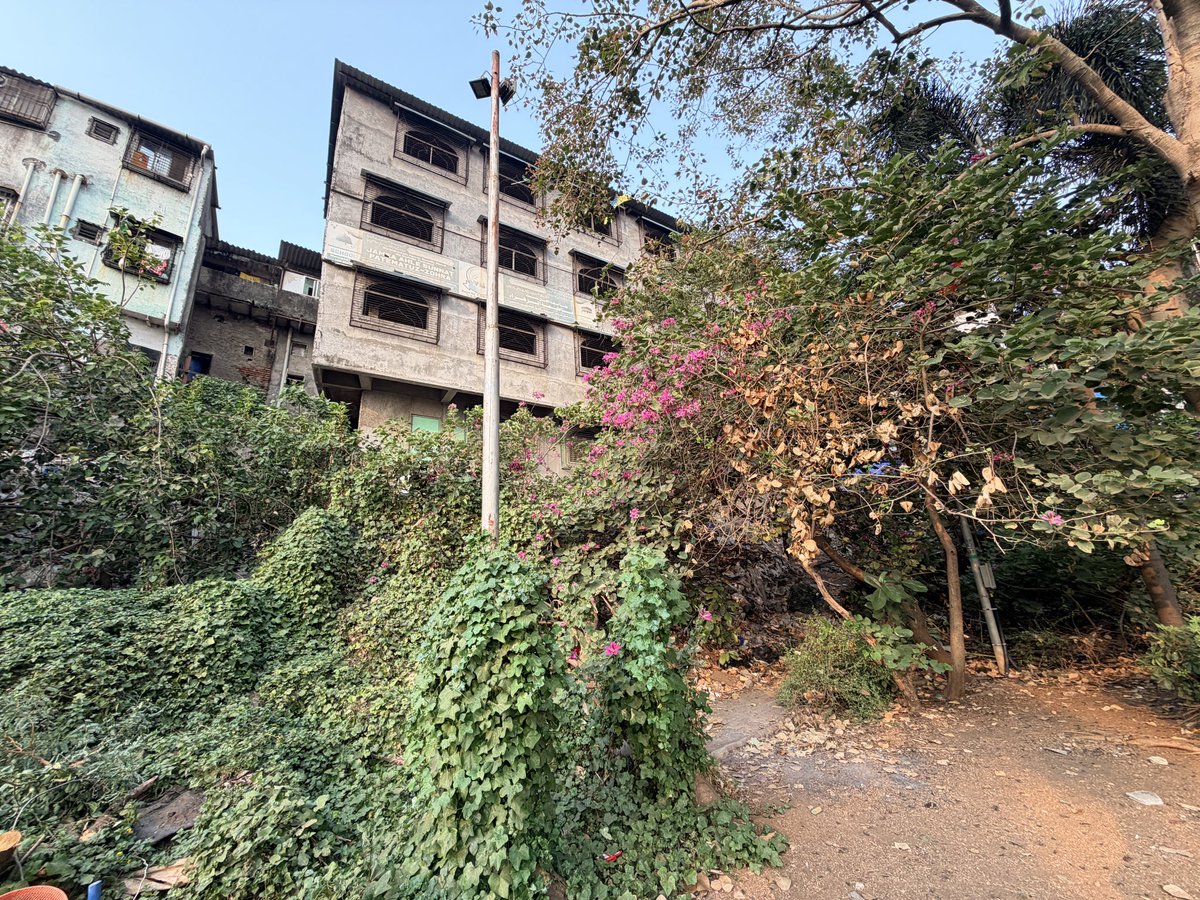
The garden sits along a hill slope, making it difficult for civic machinery or garbage collection vehicles to enter. Even clearing accumulated waste will be a manual exercise for sure.
So here is a public garden that is difficult to find, difficult to access and difficult to maintain.
A 10,000-sq-metre open space should not be a hidden corner of a mall. It should be a visible, accessible and usable public asset. https://t.co/tYv2L43NY0
@kushkatakia revenue may be wrong kush but money raised is correct - the day it got rebranded it killed itself - 23cr is peanuts and orginal investors got killed -
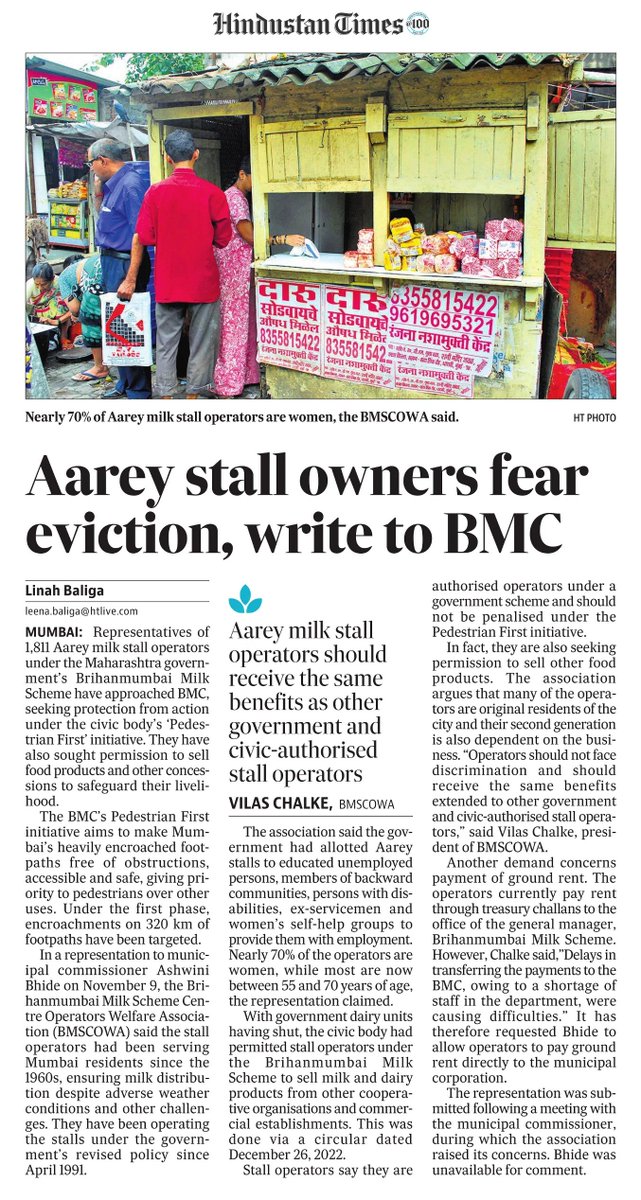
@mumbaimatterz@RoadsOfMumbai@mybmc These Stalls have now started Hoarding on top with LED Screen - Monthly rental alone is more than 1 Lac for that - its a shame that ther is No Aarey Milk in Mumbai and Aarey ke Naam
Pe sandwiches and cheap real estate pe Footpath encroached
None of these so-called #Aarey stalls ever sell Aarey dairy products — they’re just hawking other commodities while grabbing footpaths.
@mybmc must not be soft or buckle to pressure tactics.
Evict every last one under #PedestrianFirst. No leniency No Mercies.
Footpath is for pedestrians. Period.
Mumbai is the financial capital of the world's 4th largest economy.
The government collects road tax, GST, fuel tax and income tax.
And after spending all that money, this is the quality of road repair.
Imagine what the condition of smaller cities must be.
China's approach to public spaces is quite fascinating as it designs them around actual public use and taxpayer value, rather than treating every square metre of public land as a monetisation opportunity.
Most people lose negotiations before they even begin.
In 2007, Stanford professor Joel Peterson shared the principles that separate great negotiators from everyone else.
Here are 12 lessons to help you get what you want 👇
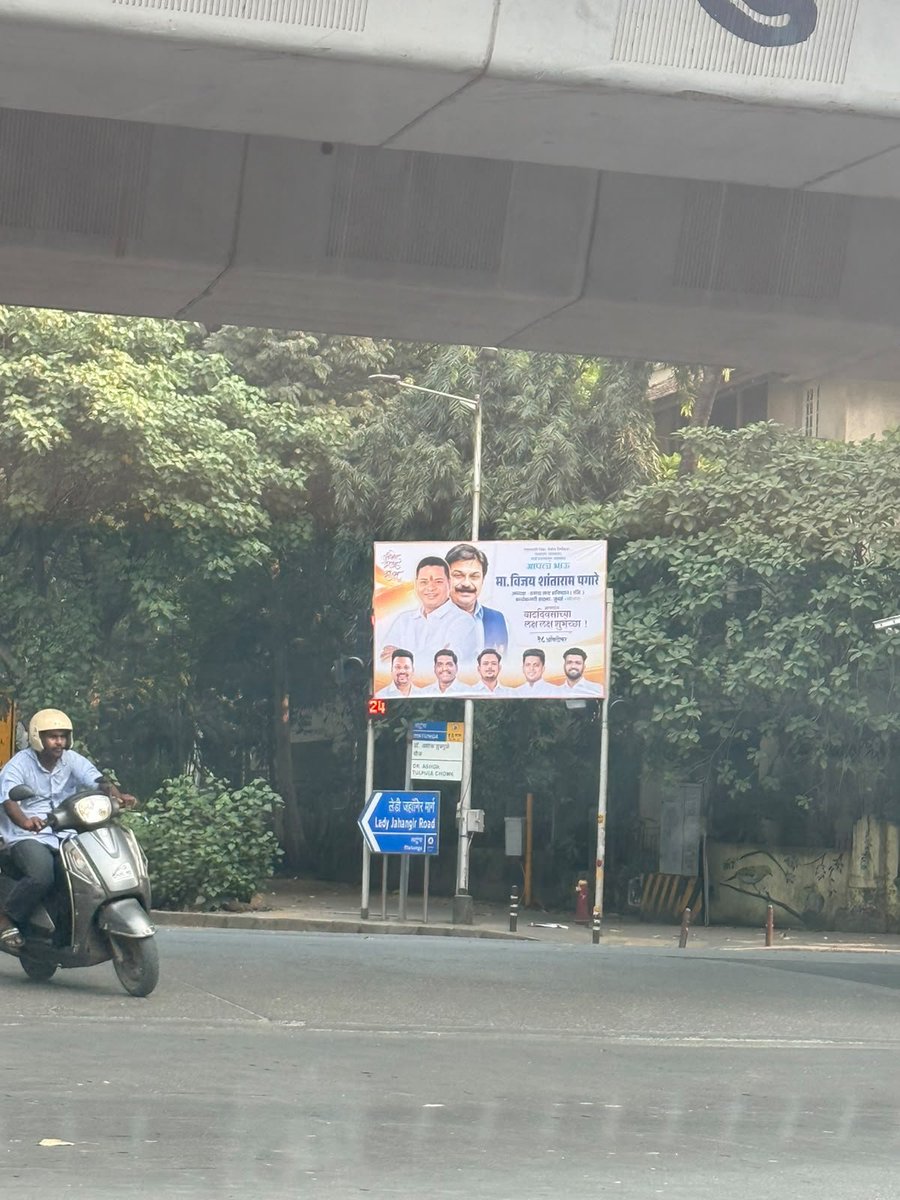
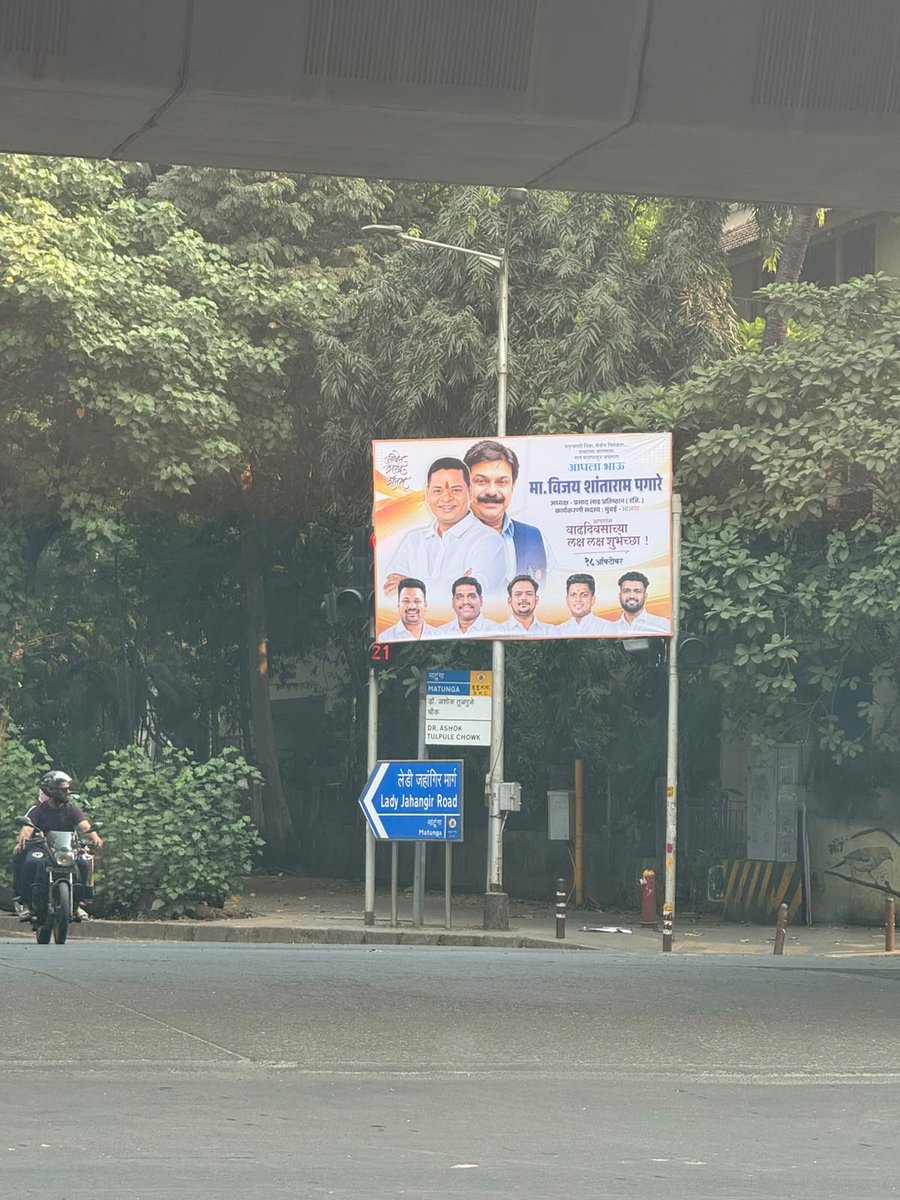
Why are our cities plastered with ugly faces of politicians?
Every pole, wall and crossing hijacked by someone’s ego.
We pay taxes for clean streets, not a permanent election campaign. 🤦♂️
@haldilal This DRM Complex and Station CSMT renovation seems to clash and looks like same
Project only - who is contractor - deadline and also a joint pic of both projects
What’s app forward :
India’s best public transport.
Which city in India has the best public transport?
Experts will tell you it’s
Bhubaneshwar.
Ridership is up 200%.
There has been a 57% shift from private vehicles.
40% of the conductors are women. There’s digital ticketing, CCTV’s for security, live tracking and last-mile e-autorickshaws.
It has won awards from the Union Ministry of Urban Affairs.
It is stuff like this that we need to replicate for “Viksit Bharat
https://t.co/9iJQVsL8FQ
Mumbai residents are demanding stricter action against unauthorised banners, flex boards and posters, arguing that merely removing them does little to deter repeat violations.
✍🏻: Aditi Alurkar
Read more: https://t.co/gwHO2lroAY
Some follower of @PrasadLadInd has put up a hoarding at Ruia College/ Five Garden Signal on Eastern Express Highway
लोकांचे जिवा ला धोका असलेल्या फ्लेक्स बॅनर लवकर काढून टाका आणि कार्यकर्ता वर कारवाई करा
Such persons should be arrested immediately for causing public hazard. Signal is covered with the Hoarding. @MTPHereToHelp@mybmc@MumbaiPolice@CPMumbaiPolice@CMOMaharashtra@Dev_Fadnavis
In 1986, a five-year-old boy in India fell asleep on a railway station bench while waiting for his older brother. His brother never returned.
The boy, thinking his brother might be inside, climbed into an empty train compartment to look for him. There, he fell asleep again. When he woke up, the doors were locked and the train was moving. The train didn’t stop for nearly two days. When it finally did, he had reached Kolkata — about 1,500 kilometers away from his home. He was so young that he didn’t know his full name, couldn’t read, and couldn’t even tell the name of his village.
For several weeks, he wandered alone on the streets. He slept under railway station benches and survived on whatever little food he could find. Eventually, he was taken to an orphanage and declared a “missing child.” No one could figure out where he had come from
After some time, a couple from Tasmania, Australia, adopted him. They gave him a loving home, and he began a new life. His name became Saroo Brierley, and he grew up on the other side of the world.
But he never forgot his past. He had some faint memories — a bridge near a railway station, a water tower, the layout of his neighborhood, and the faces of his family.
When he was about 25 years old, he learned about Google Earth. He estimated how far a train could have traveled and created a radius around Kolkata, then began searching towns along railway lines in that area. For weeks, he spent around 30 hours each week studying satellite images, trying to find something familiar. Even his Australian family didn’t know what he was doing — they thought he was just browsing the internet.
Finally, in 2011, after years of effort, he found the place — a water tower, a bridge, and a ditch near the station. The location was Ganesh Talai area in the city of Khandwa, Madhya Pradesh. He zoomed in and recognized the streets where he had once walked as a child.
He came to India and, wandering through the streets of that town, eventually reached his home. The door was closed, and he feared that everything might be lost. Then some people came out and took him to a woman.
She was his mother. She had never stopped searching for her son for 25 years. After all those years, they stood face to face again
He later learned that the brother he had been waiting for that night had died after being hit by a train. His mother had searched for both her sons for 25 years — she learned the truth about one, but never lost hope for the other.
His story was later written in the book A Long Way Home, and it was adapted into the film Lion, which received six Oscar nominations
@rajtoday@AlstomIndia Rajendraji pls push for Line4 tunnel from wadala to VT - otherwise Line4 will be a big flop at the start - that work has not even started