Delighted to see my paper published in @NeuroCellPress, where we demonstrate a critical role of pericyte in long-term memory formation.
Pericytes communicate with neurons and this communication requires insulin-like growth factor 2.
https://t.co/P61KCFk3HD
Pericyte Loss Reprogrammes Capillary Endothelium and Drives White Matter Injury in Small Vessel Disease. Great preprint by @MontagneLab 👏
https://t.co/vO4Kpp67U6
Save the date! #MCCS26 will be on November 12 & 13 in Washington, DC, ahead of #SfN26
With this lineup of invited speakers, it's guaranteed to be a great meeting 🤓
Stay tuned for more information about registration and abstract submissions!
A @Nature study from Rockefeller's @junyue_cao describes a new platform called PerturbFate that reveals how diverse genetic perturbations funnel into shared disease states, a method that could unlock therapeutic targets for complex diseases.
🔗: https://t.co/hkkTbpvQkZ
We are looking for a highly motivated postdoctoral researcher to join our lab of neuroepigenetics at EPFL !
For details, check out our website: https://t.co/wEHbvLgwvj
Deadline to apply: April 30, 2026.
🧠🧬
It’s well known that inflammation increases cancer risk, but how?
The answer: the epigenome "remembers" inflammation and primes stem cells for cancer.
Here is our paper: https://t.co/FcnkLdpiKZ
And a special shoutout to the lead author @snaga13
A 🧵
Why m⁶A? An RNA surveillance model. @SchragaSchwartz and colleagues review recent findings about the interplay between RNA methylation and the RNA processing machinery to propose a surveillance model for m6A. https://t.co/TQhFEYbPNU
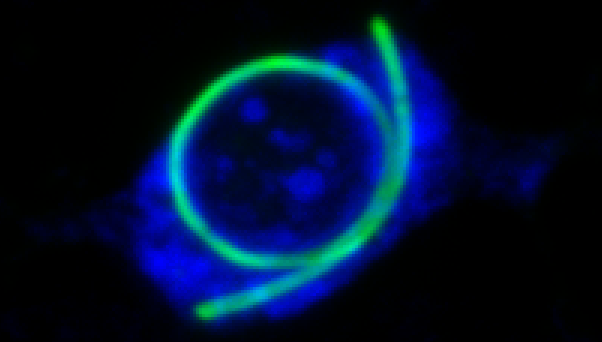
Our CytoTape work is published today in @Nature! CytoTape is a genetically encoded, flexible, intracellular protein tape recorder for spatiotemporally scalable and multiplexed recording of cellular activities continuously across weeks in vitro and in vivo. https://t.co/frFwoQeIRZ
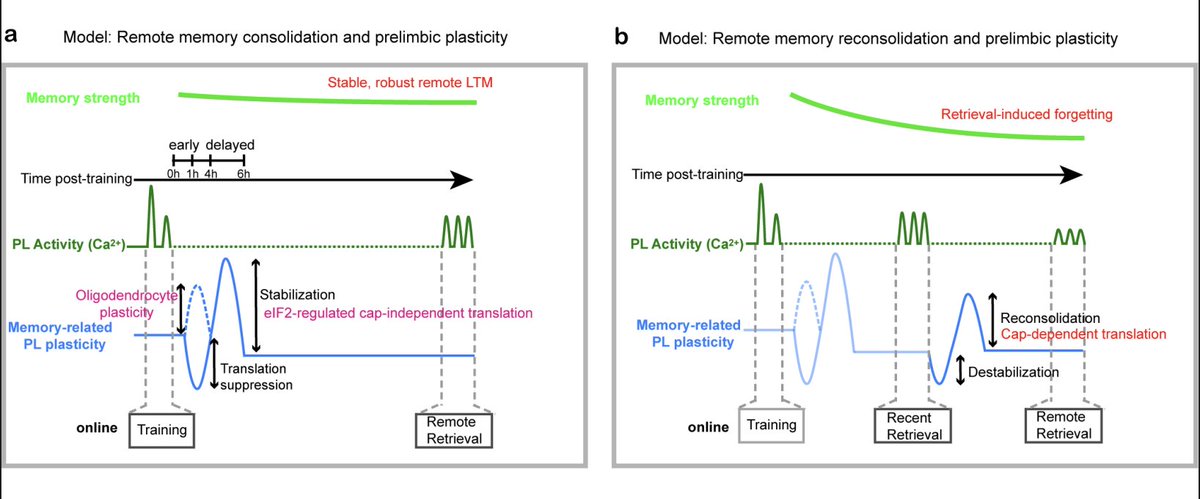
Emotional memories persist because the prefrontal cortex engages distinct protein synthesis programs to store memories and to update them during retrieval. Read more in our latest work:
https://t.co/lDsI52VQFG
Today in @Nature we report a new prime editing strategy that can rescue a common cause of many genetic diseases in a disease-agnostic manner. This approach converts a redundant endogenous tRNA into an optimized suppressor tRNA, enabling a single prime edit to rescue premature stop codons across different diseases.
(1/15)
https://t.co/zs0qu5bhXx
For obvious reasons, I've become fascinated with retrotransposons. So we (Alex Whiteley and I) wrote an article now out in @NeuroCellPress on how we think retrotransposons influence brain function and health! https://t.co/wBkebfMaft
M6A-dependent RNA condensation underlies FUS autoregulation and can be harnessed for ALS therapy development | Science Advances https://t.co/D44XmqyWDb
Working with trainees is a highlight of my own research and a main goal of the New York Memory Hub. I'm looking forward to a great afternoon of discussion with a group of brilliant trainees. Space is limited, register soon!
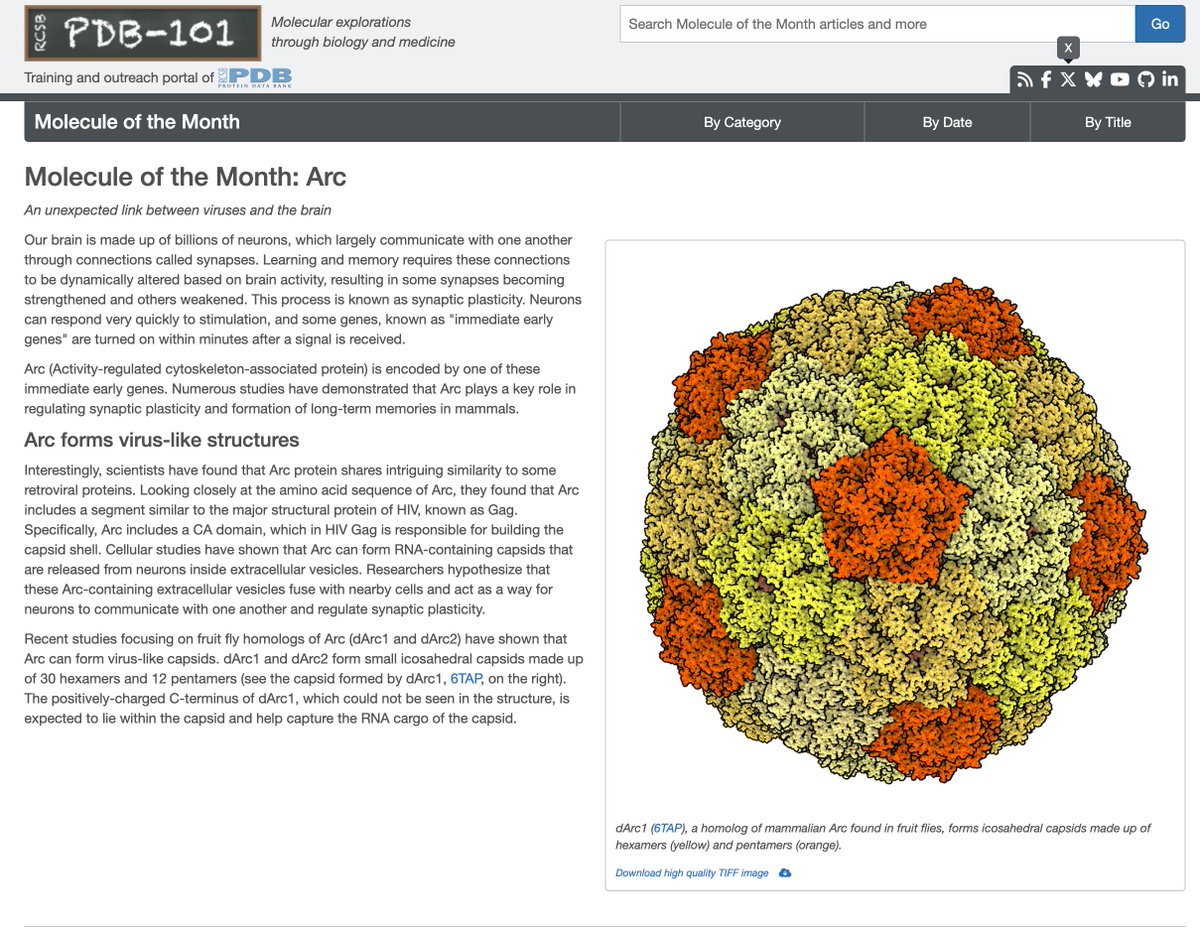
Arc is the protein of the month on @buildmodels (link below)!! Of course, it's really protein of the century in my mind 😆
Thanks to @janetiwasa and her team for the excellent write up and animations!