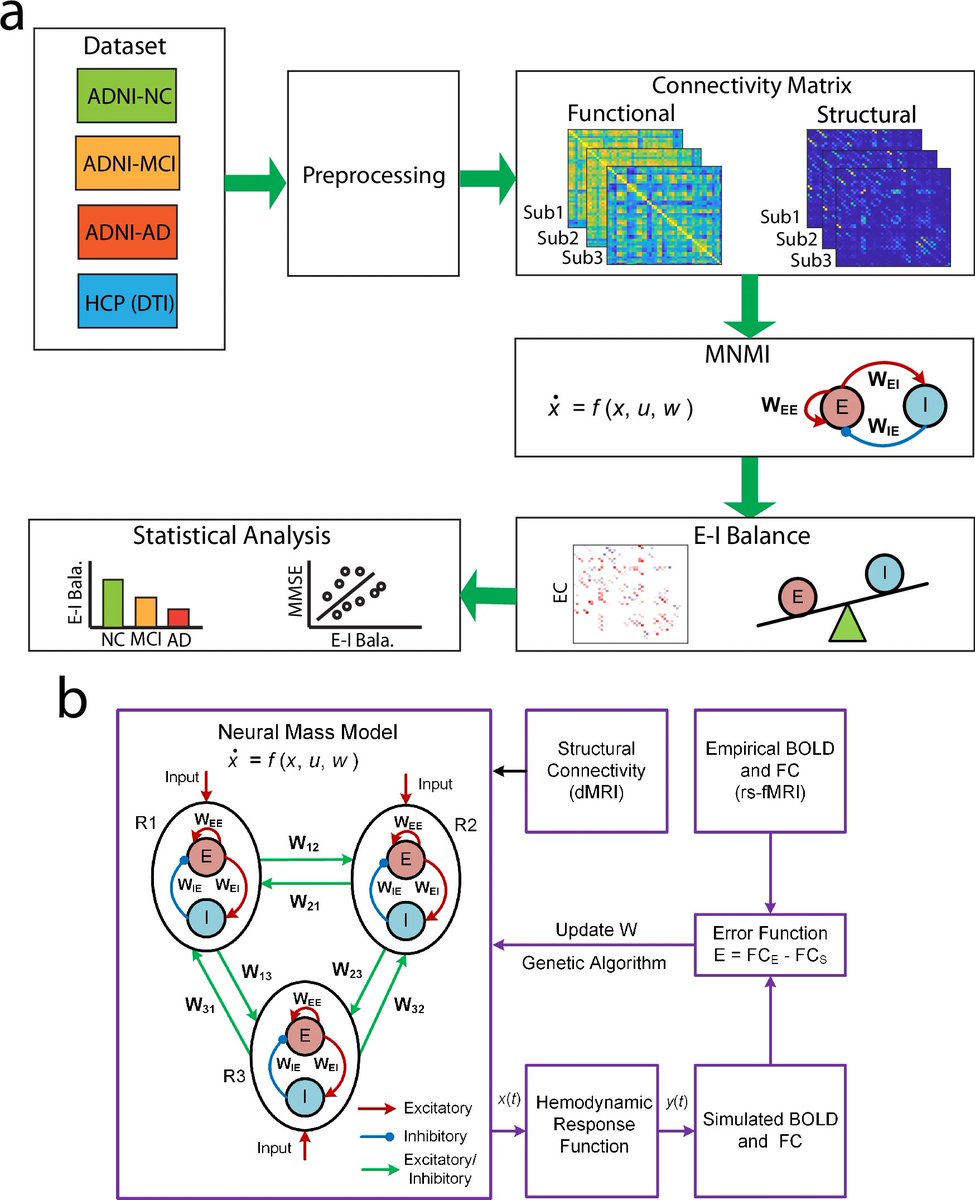
fMRIから神経活動patternを推定する数理model、Multiscale Neural Model Inversionを用いてrsfMRIからAlzheimer病に於るE/I balanceを評価
辺縁系/cingulate中心の病態進行に伴う抑制性systemの障害によるE/I balanceの進行性破綻
OA
#EI_balance#Alzheimeers#papers
https://t.co/wF1cRZX8WO
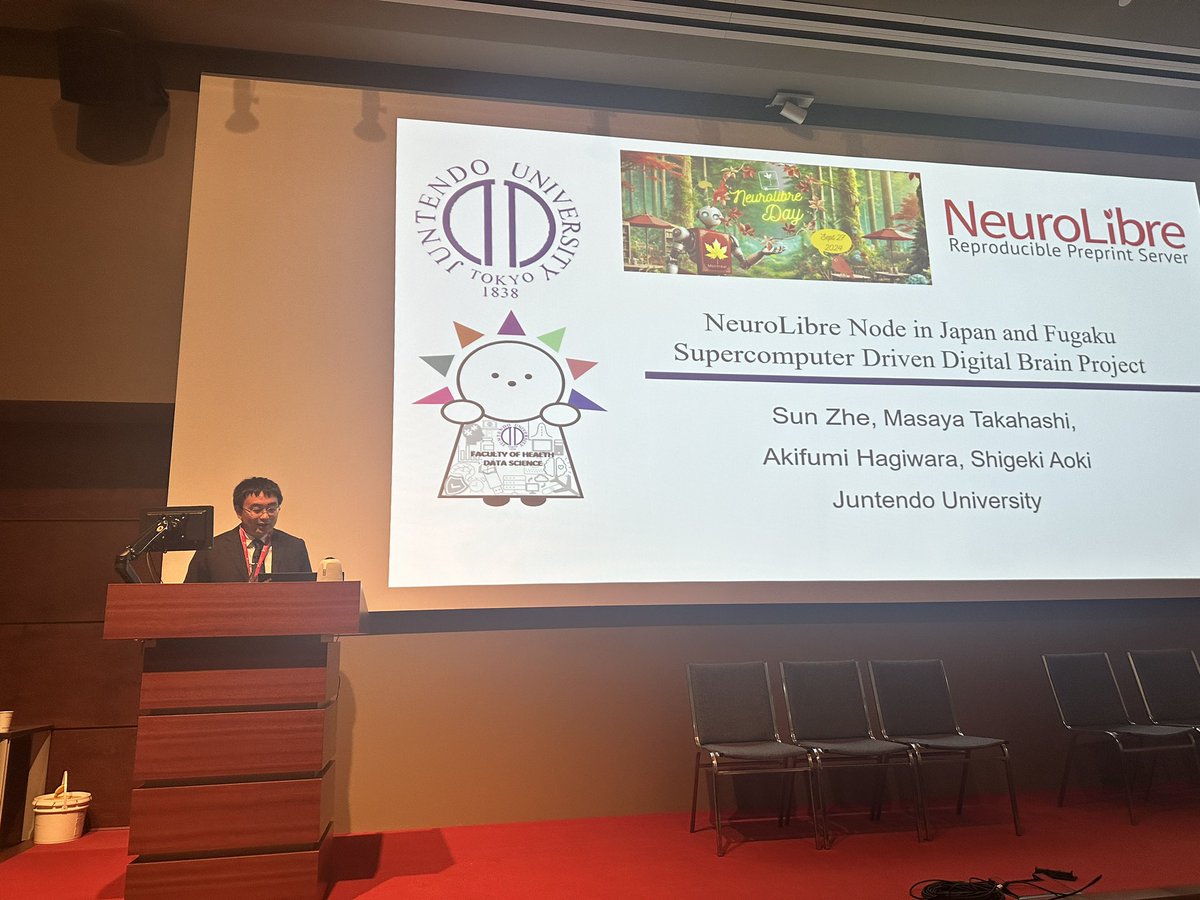
Announcing a @NeuroLibre node in Tokyo, Japan
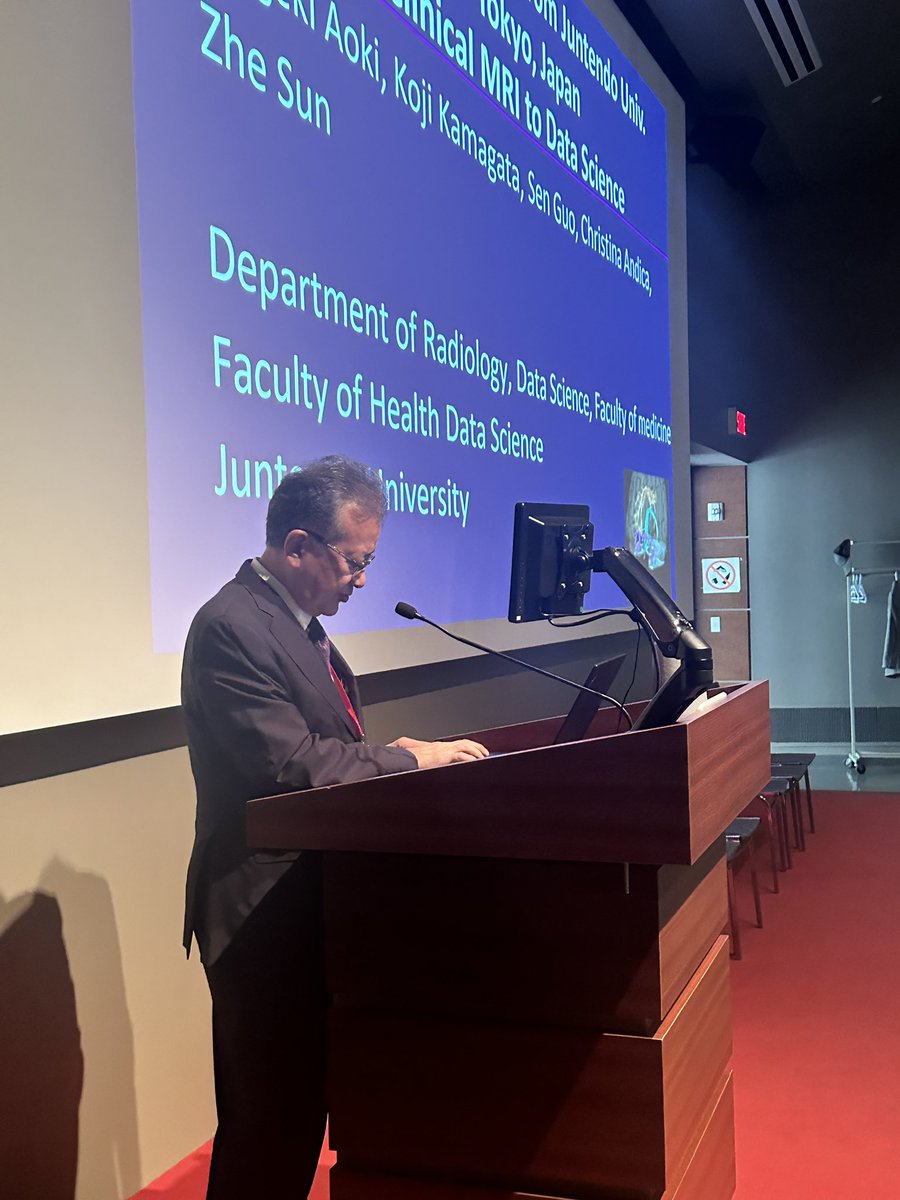
Aoki-sensei and Sun-sensei gave an impressive demo of how Juntendo university made this happen in six months #NeuroLibreDay
How does sensorimotor (S1/M1) cortex support adaptive motor control?
Come find out in our latest preprint, which spans the development of a full adult forelimb model + physics simulations, neural-modeling for control, complex 🐭behavior 🕹️, large-scale imaging, and of course @DeepLabCut and @CEBRA!
We hypothesized that S1 supports motor learning by computing prediction errors. To tackle this, we needed to understand what is being represented, and no studies have reported what forelimb S1 represents during learning in mice🧠🐭. Moreover, this requires modeling the body🦾: kinematics, torques, force, muscle activations, & proprioception (muscle spindles & GTOs).
After our 7 year journey, we have an answer: S1 & M1 represent muscle-level features. During learning, computational motifs map to functional types (like muscle-encoding), and neural dynamics in S1 change & encode sensorimotor prediction errors!
https://t.co/IbVeQz3718
🧵👇