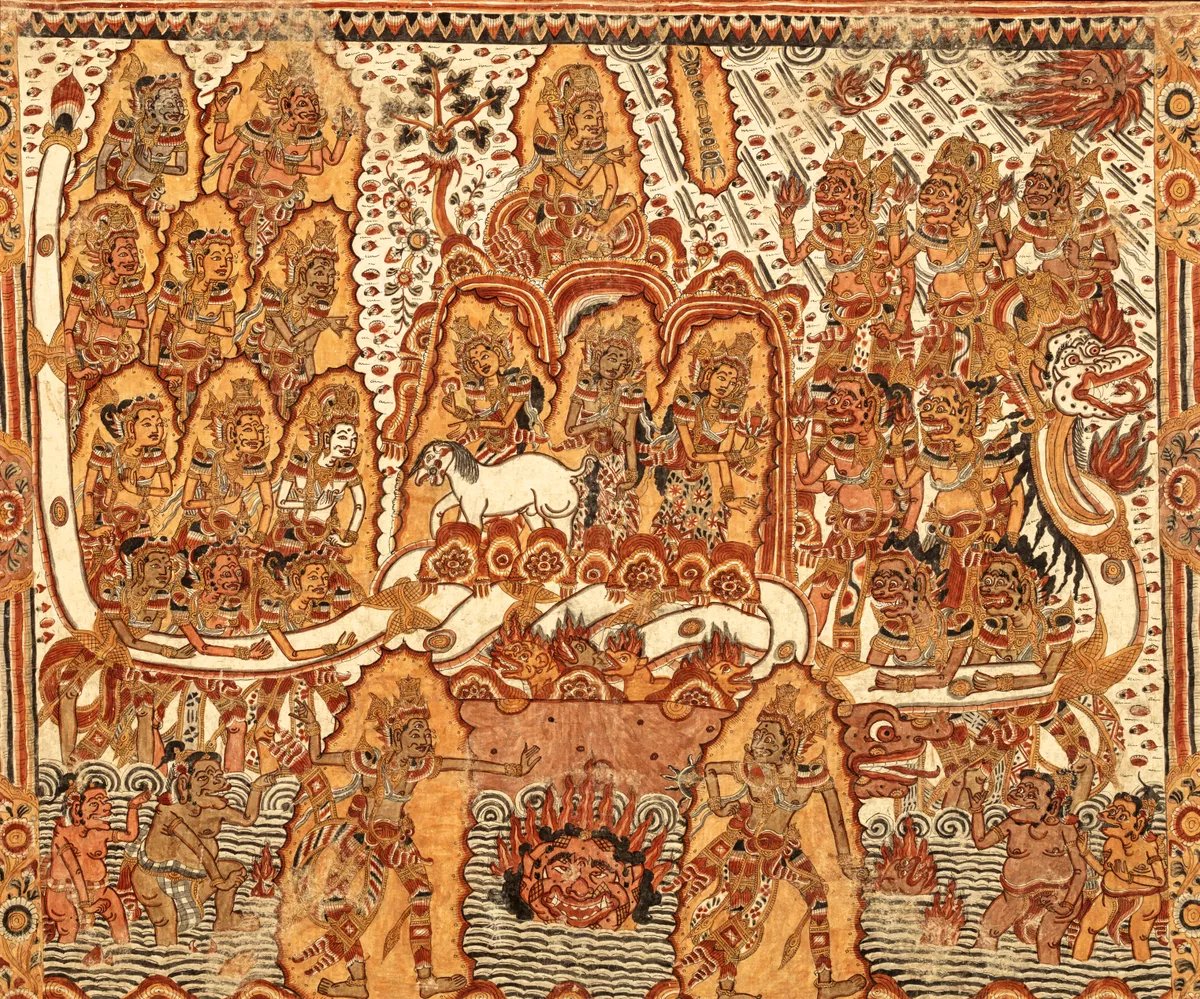
"Segumpal racun yang membara, Kālakūṭa yang mengerikan, muncul dari samudra. Racun itu berkobar dengan asap berbisa yang mencekik ketiga dunia. Terpesona, Sang Maheśvara yang suci, Mantramūrti, atas permintaan Brahmā dan demi melindungi semua makhluk, menelan racun itu.
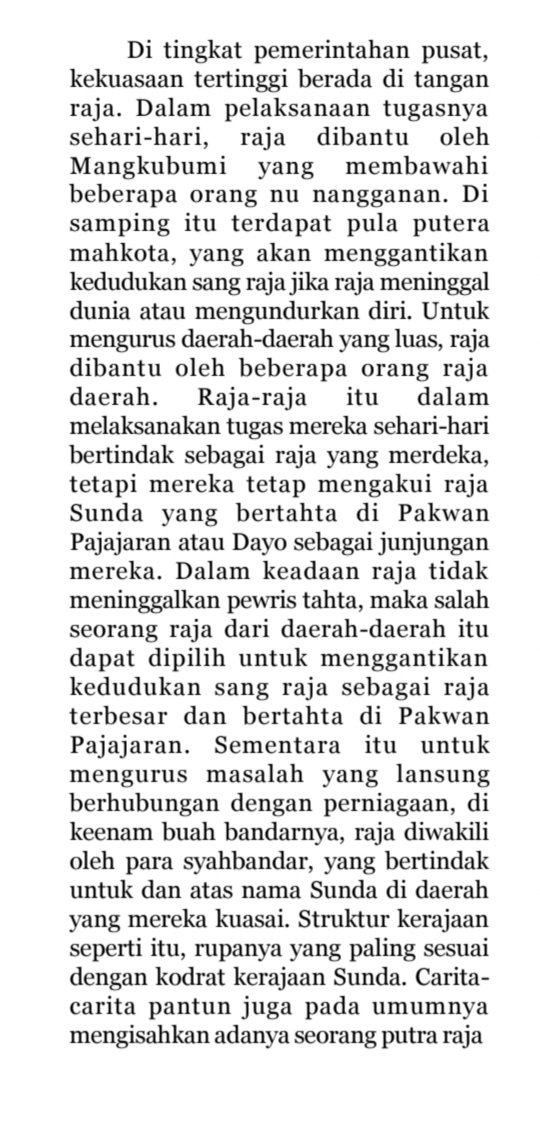
10. Aku membayangkan kalau kerajaan pusat itu yang menguasai pelabuhan, sementara kerajaan vassal/daerah punya sumber daya yang bisa dijual ke mancanegara lewa pelabuhan pusat itu. Jadinya ada simbiosis mutualisme lah ya
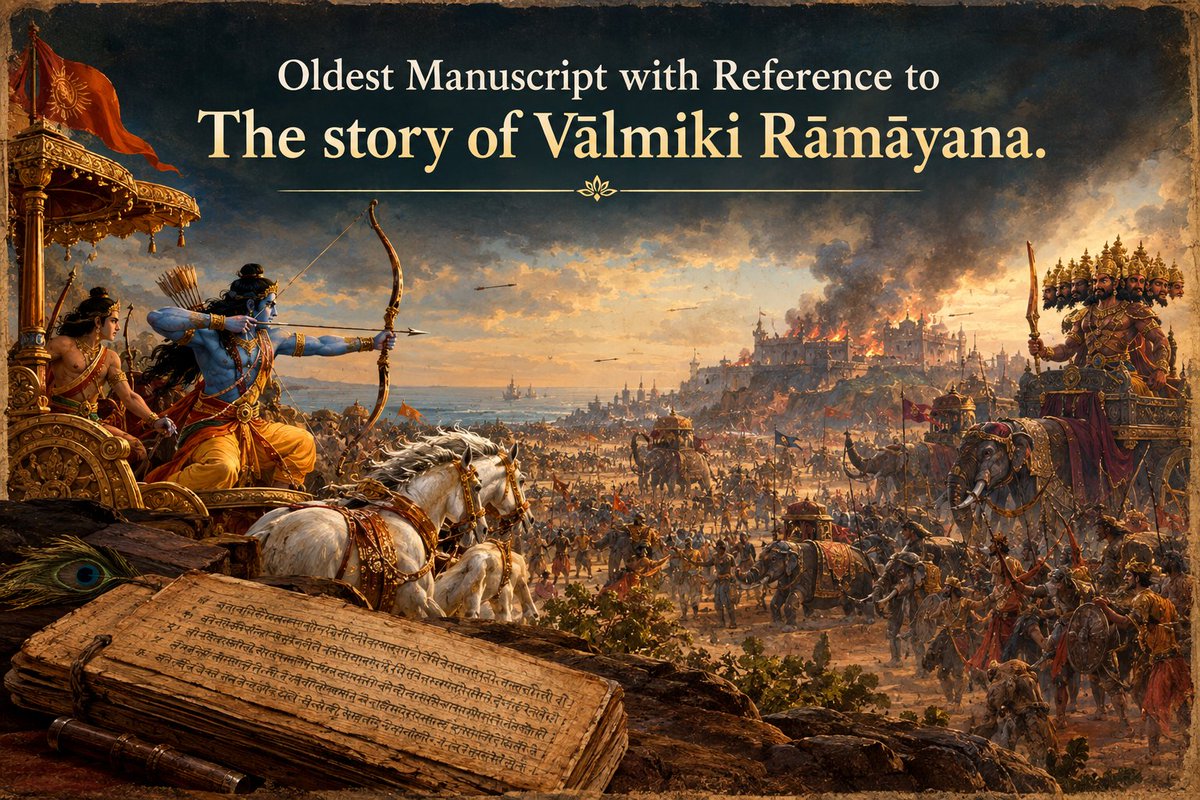
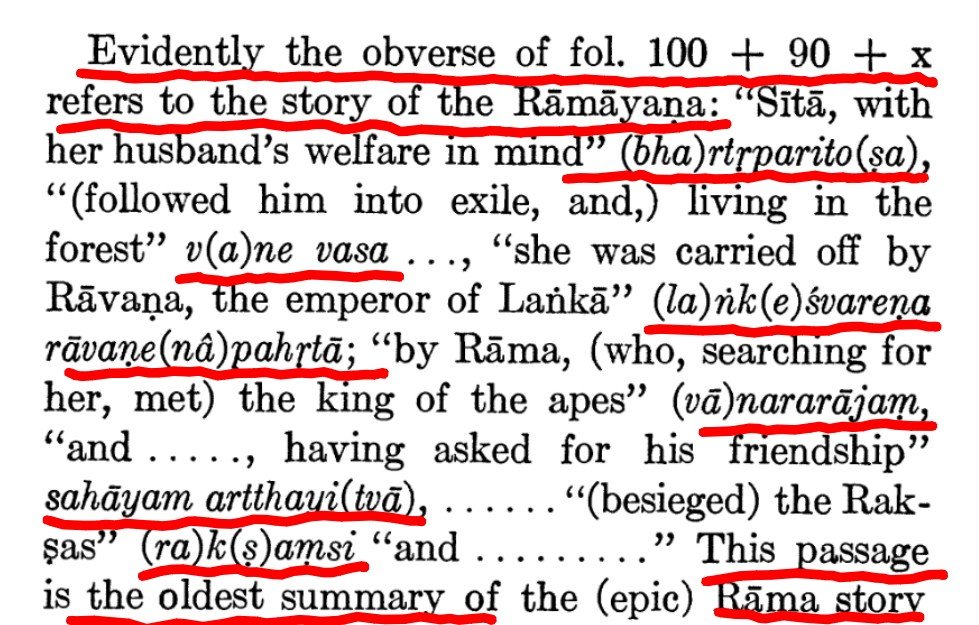
Oldest Manuscript with Reference to the Ramayan 🔥
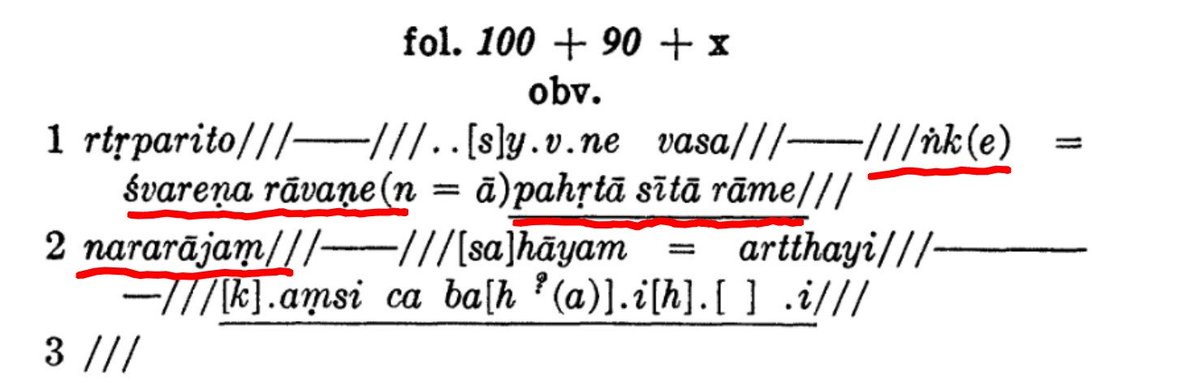
The Spitzer Manuscript, discovered in the Kizil Caves, China, is termed as the oldest Sanskrit manuscript. This manuscript is approximately 2,200—2000 years old. Some of its fragments contain a summary of of the Vālmiki Rāmāyan.
This map traces a single word across ten languages and around two thousand years...
The English word soap descends from a Proto-Germanic term that Latin borrowed as sapo, which passed on through Greek and Syriac before reaching Arabic as sabun. Arab trade carried the word east into the Malay world, where it became sabun, the everyday term for soap across maritime Southeast Asia.
From the port of Makassar in Indonesia, seafarers who sailed each year to northern Australia to harvest sea cucumber brought the word with them, and it entered the Yolngu languages of Arnhem Land as jaabu. The same word, in changed forms, thus names soap from England to the coast of northern Australia.
#drthehistories
Around 2,000 years ago, physicians arguing about how medicine tastes ended up counting something that turns out to be exact combinatorics, without ever naming it as math.
The Caraka Saṃhitā, a foundational Āyurvedic text records a real scholarly debate (Sūtrasthāna 26, the Ātreyabhadrakāpyīya chapter): physicians including Bhadrakāpya and others arguing over how many basic tastes exist, with Ātreya settling it at 6: sweet, sour, salty, pungent, bitter, astringent.
The same chapter then counts how those 6 tastes combine in real substances, not estimated, explicitly worked out and Combination size & Count given in the text is:
- 1 taste: 6
- 2 tastes: 15
- 3 tastes: 20
- 4 tastes: 15
- 5 tastes: 6
- 6 tastes: 1
Total 63
The text states 63 outright, not "roughly" 63. The Suśruta Saṃhitā, a parallel classical Āyurvedic treatise, gives the same 63 through the same breakdown by combination size.
Modern scholarship, notably Dominik Wujastyk's work on Caraka's taste combinatorics, confirms these are the correct binomial values, generated through a verbal listing rule rather than a stated general formula.
The sequence: 6, 15, 20, 15, 6, 1, is a row of Pascal's triangle, and 63 is exactly 2⁶ − 1, the count of every non-empty subset of a 6 element set.
The text itself never writes a general rule like "n choose k," never draws a triangle. What the physicians actually did was enumerate by verbal recipe, sweet with sour, sweet with salty, working outward pair by pair, triple by triple and land on the exact right numbers through systematic listing, not algebra.
One more detail that makes it sharper: the text immediately adds that once you factor in secondary "after-tastes" (anurasa) and degrees of intensity, the true number becomes aparisaṅkhyeya, innumerable.
They explicitly flagged 63 as a clean, bounded base case, not the full space.
Pingala's work on Sanskrit meter remains India's more explicit and deliberate early combinatorics and I am not saying this Āyurvedic passage is a hidden "first discovery".
What makes it worth sharing is, a group of physicians, with zero interest in mathematics for its own sake, correctly enumerated every combination of 6 tastes. 🙏🙏
11. yüzyıl bilgini El-Tha'labi 'ye göre Adem ve Adem gelmeden öncesi yeryüzü.
Görseller gerçekliğin doğasına uygun
Çünkü yeryüzünde halen en alttan ikinci bölümün kayalaşmış yaşam izleri mevcut bir üstekilerin ise halen heykelleri var.
Sadece en alt kısımdakilerin izleri yok.
The true Aristocratic or Noble traits doesn't exist in Status based or predatory Soceities.
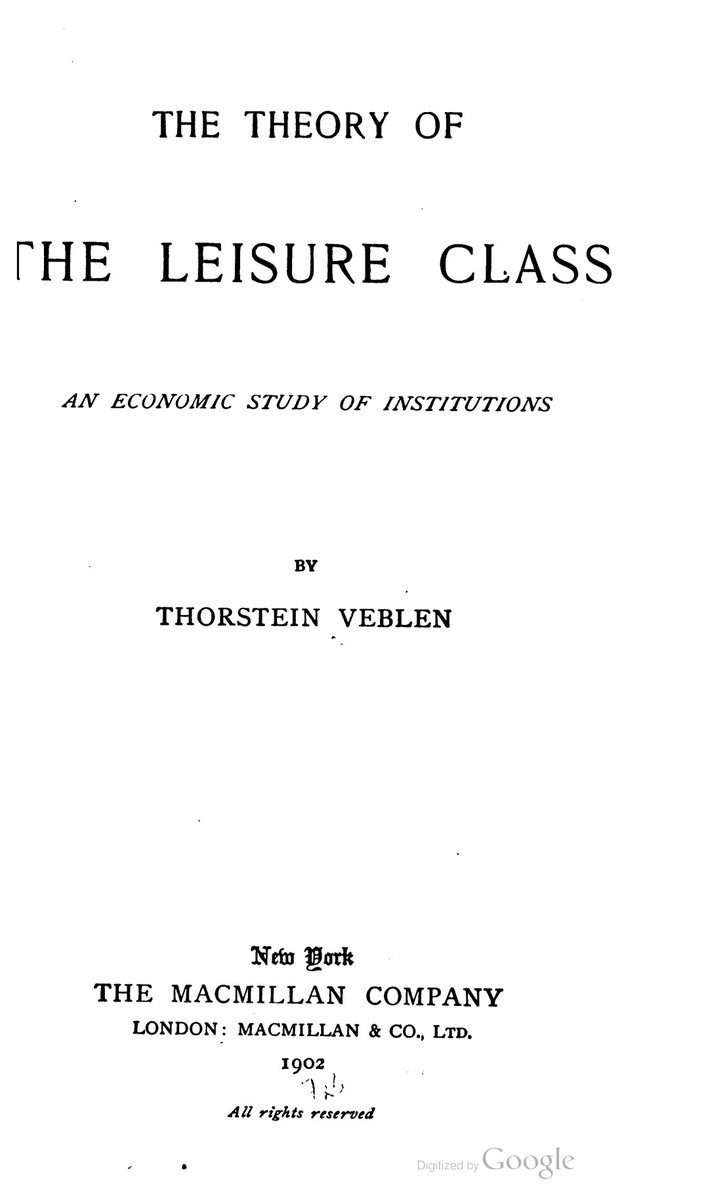
Thorstein Veblen rightly argued that in status based or predatory soceities, qualities such as aggression/violence, self-interest, clannishness, and deceit tend to become pervasive in social life, because the pursuit of one’s interests through force and fraud becomes a strategy for survival.
Veblen’s argument is that human behaviour is not determined solely by individual character; the social order itself determines which traits become advantageous.
If a society is structured around prestige, dominance, wealth, and superiority over others as the principal measures of success, then traits such as aggression, self-interest, clannishness, and deceit can become advantageous in social competition.
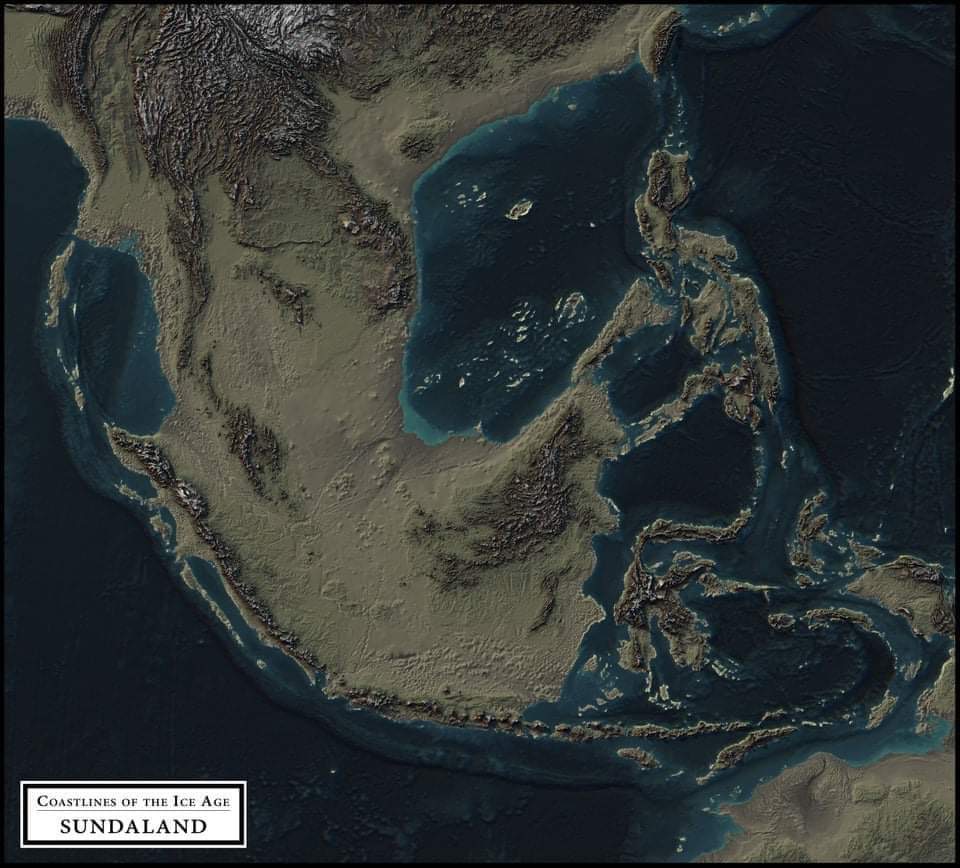
Most fertile on earth? 😮 imagine banyak tumbuhan dan jamur aneh yg udah punah di sini dulu sekali. Terus di kolom komen ada cocoklogi taman eden di Indonesia
At the height of the Ice Age, Southeast Asia was one landmass the size of a subcontinent, and it was the warmest and most fertile place on the planet.
It is now the Java Sea, and nobody has surveyed it properly.
What went down with it?
“Üstün ırk yoktur.
'Tanrı'nın seçilmiş halkı' yoktur.
Bu ne ABD ne de İsrail'dir.
'Tanrı'nın seçilmiş halkı' tüm insanlıktır.”
— Kolombiya Cumhurbaşkanı Gustavo Petro
Pertantaan lain. Apa peran biksu di negara yg menganut buddha di sriwijaya atau kayak Malayu. Tokoh agamawan daei Hindu dan Buddha pasti ada juga di istana, kan?
Kayaknya aku buruh baca baca soal kekuatan dan perpolitikan antara para brahmana dan ksatria di sini deh. Jujur masih belum paham. Apalagi kalau ditambah Rajarsi. Brahmana/brahmin itu guru spiritual dan juga guru pengetahuan kan? Pembagiannya gimana? Kalau Mpu/Pu gimana?
Kayaknya aku buruh baca baca soal kekuatan dan perpolitikan antara para brahmana dan ksatria di sini deh. Jujur masih belum paham. Apalagi kalau ditambah Rajarsi. Brahmana/brahmin itu guru spiritual dan juga guru pengetahuan kan? Pembagiannya gimana? Kalau Mpu/Pu gimana?