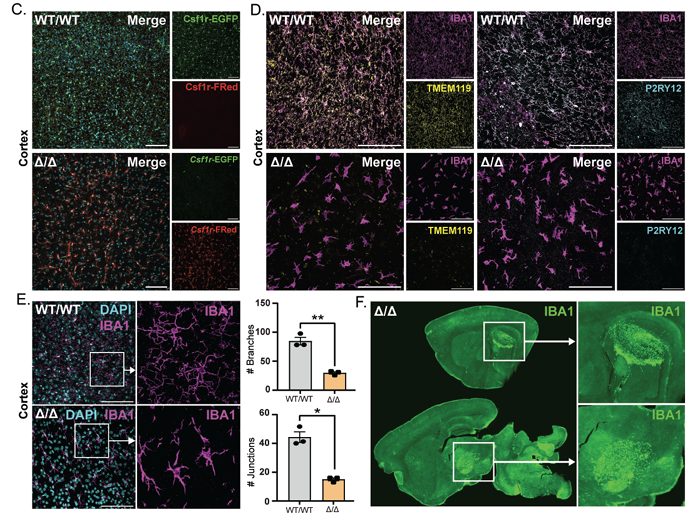
@biorxivpreprint Depletion and replacement of tissue resident macrophages in mice with germ-line deletion of a conserved enhancer in the Csf1r locus
https://t.co/EeLkkkB39U 🇦🇺
The calcium channel Orai1 present in immune cells called #microglia may explain how neuroinflammation can induce depressive-like behaviors, according to new experiments in mice in this week’s issue. @NUFeinbergMed https://t.co/arguFJ2xvN
Could Zolpidem benefit people with Alzheimer’s disease? In amyloid mouse models, the sleep drug nudged down amyloid a lot, and nudged up memory a tad. @MassGeneralNews https://t.co/WNIwZbC3c6
Aging populations make neurodegenerative diseases an urgent challenge.
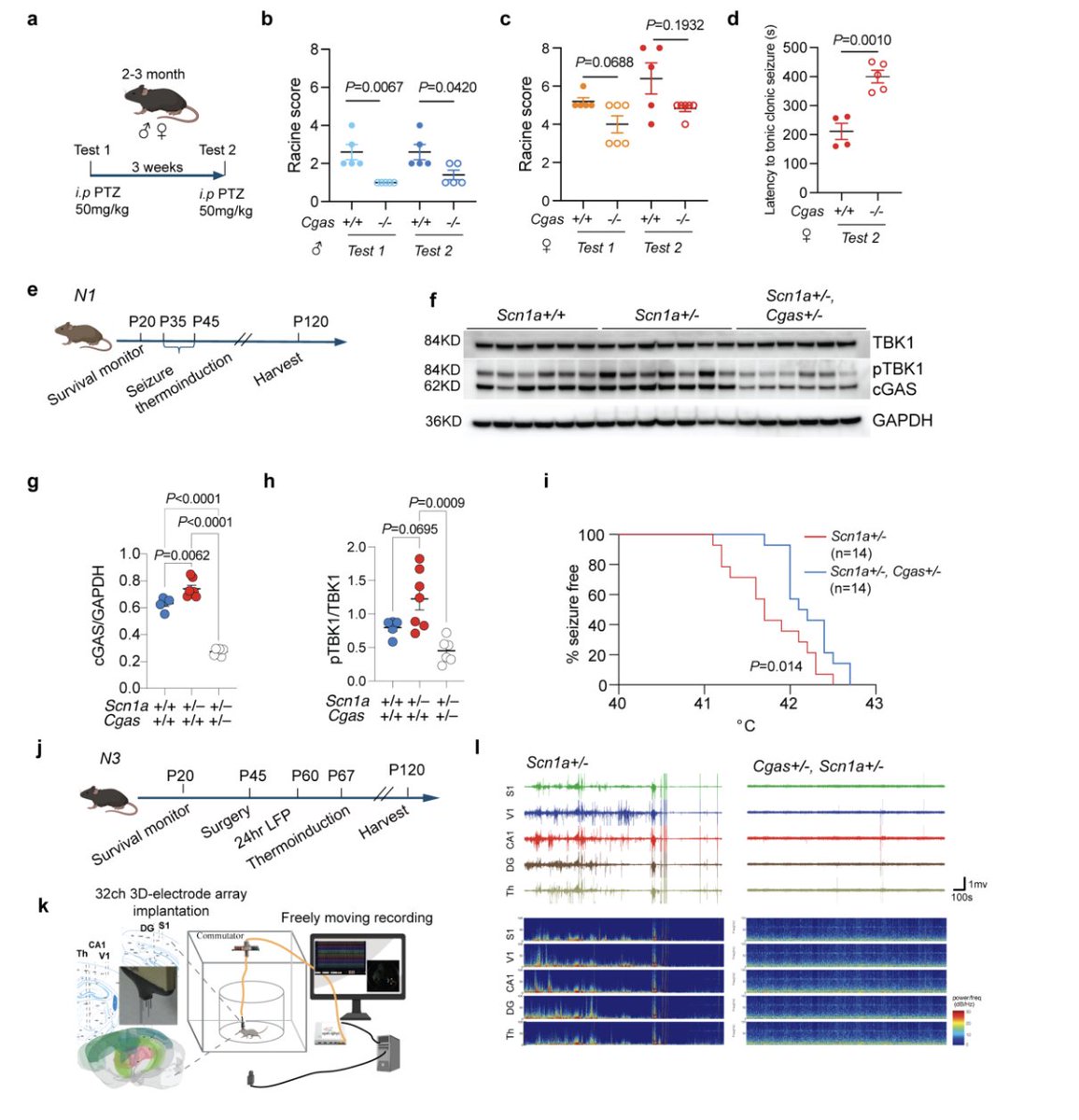
Our review shows how genomics, transcriptomics, and proteomics are reshaping our understanding of AD, PD, DLB, and FTD—revealing pathways, biomarkers, and new therapeutic opportunities https://t.co/3HCBCOUA8i
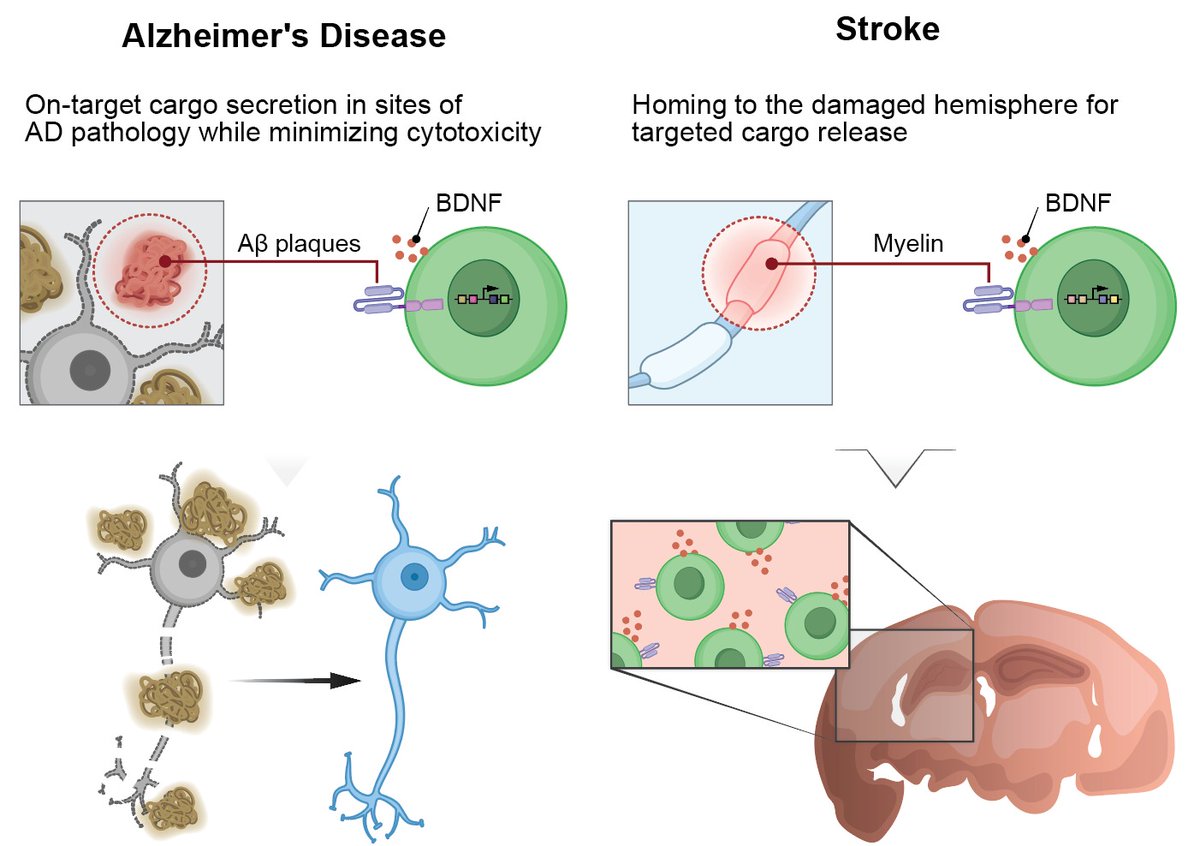
Excited to share two back-to-back studies with @jonykipnis@boskovic_p showing the promise of CAR T beyond cancer — in Alzheimer’s and stroke — inspired by the visionary work of Zelig Eshhar.
Excited to share our new paper out in PNAS today: we developed amyloid-β–targeting CD4 CAR-T cells and demonstrate their ability to alter amyloid pathology and immune dynamics in an Alzheimer’s disease models.
https://t.co/XEMZOv0B8W
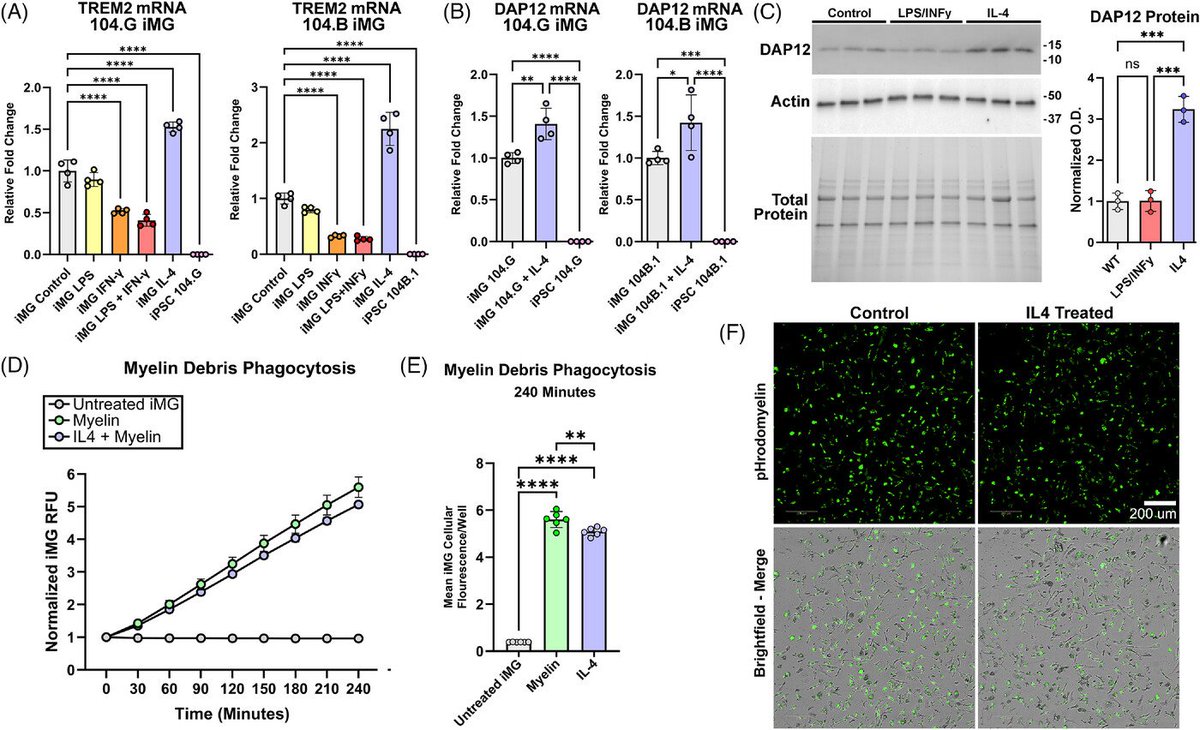
Generation and characterization of iPSC‐derived microglia for in vitro modeling of stimuli‐specific neuroimmune responses @alzdemjournals https://t.co/AzIufFxk0n
@AOSasmita and @ConstanzeDepp insightfully discuss non-neuronal Amyloid-β production and amyloid precursor protein processing in non-neuronal cells in the context of #AlzheimersDisease. See here: https://t.co/SXuXcrD4ry