Introducing MyGo, a pure Go framework for building desktop app in webview or native UI, it's like GPUI and Tauri had a baby, but made in Go so it compiles fast
https://t.co/MOhGuZSP5Z
Cloudflare have integrated Pi Durable in the agents SDK. Really happy how it turned out. Props to @mattzcarey et al. for getting this done on such short notice.
It "just works" :)
https://t.co/iOcrfJOg4G
The speed of our current landscape is nuts. Jev was groundbreaking for like 2 weeks.
Cloudflare’s Clef outperforms it, adds vision support and 2x context window.
Oh yeah, and it’s open source.
@shcallaway@sazabi Haha YES! This is very true. E2E is the only useful tests, models argue constantly, wastes tokens, makes dumpster fire code, and change tests to pass bad code. True.
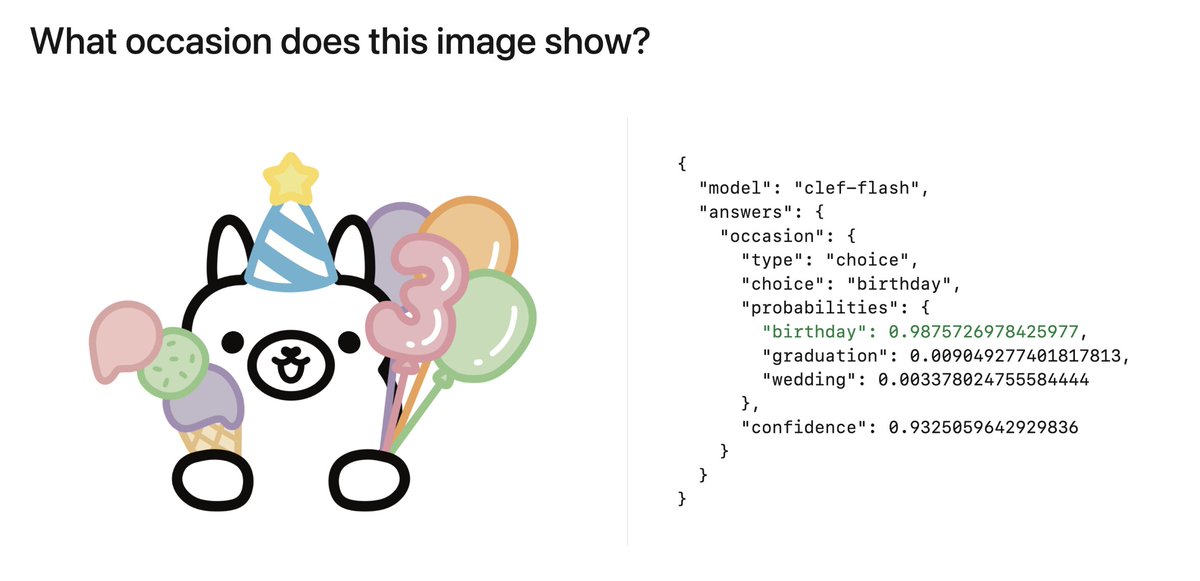
.@Cloudflare's decision models are available on Ollama!
Decision models allow you to classify an image, label a bug report or route a support ticket to the right team.
Clef (27B):
ollama pull clef
Clef Flash (9B):
ollama pull clef-flash
Another insane Jev use case!
Traditional database filters need precise, predefined conditions. But many questions are semantic:
- Is this article mainly about software engineering?
- Which topic best describes it?
- How technically deep does it appear?
These usually require moving rows into application code, invoking a model, parsing its output, and writing the result back.
pg-jev is an open-source Postgres extension that exposes Jev through SQL functions.
- jev() works inside WHERE
- jev_prob() returns a probability
- jev_choice() selects a label
- jev_score() ranks rows across ordered levels.
It needs no vector column or embedding index.
Under the hood, pg-jev batches rows, sends them to Jev, and returns typed answers that SQL can filter, sort, group, and combine with exact predicates.
The recording below runs it against real Hacker News stories stored in Postgres.
It first shows the rows, then asks Jev to find software-engineering stories, classify them by topic, and rank them by technical depth. The final query reports requests, tokens, cost, and cache hits from the database session.
GitHub repo: https://t.co/6OD0nRMgfH
(don't forget to star it ⭐)
Postgres keeps the data and controls the query, while Jev handles the part SQL cannot express as a deterministic condition.
If you want to understand what Jev is doing under the hood, I also wrote a hands-on guide to building a Jev-style model with open models, entirely locally.
Read it below.
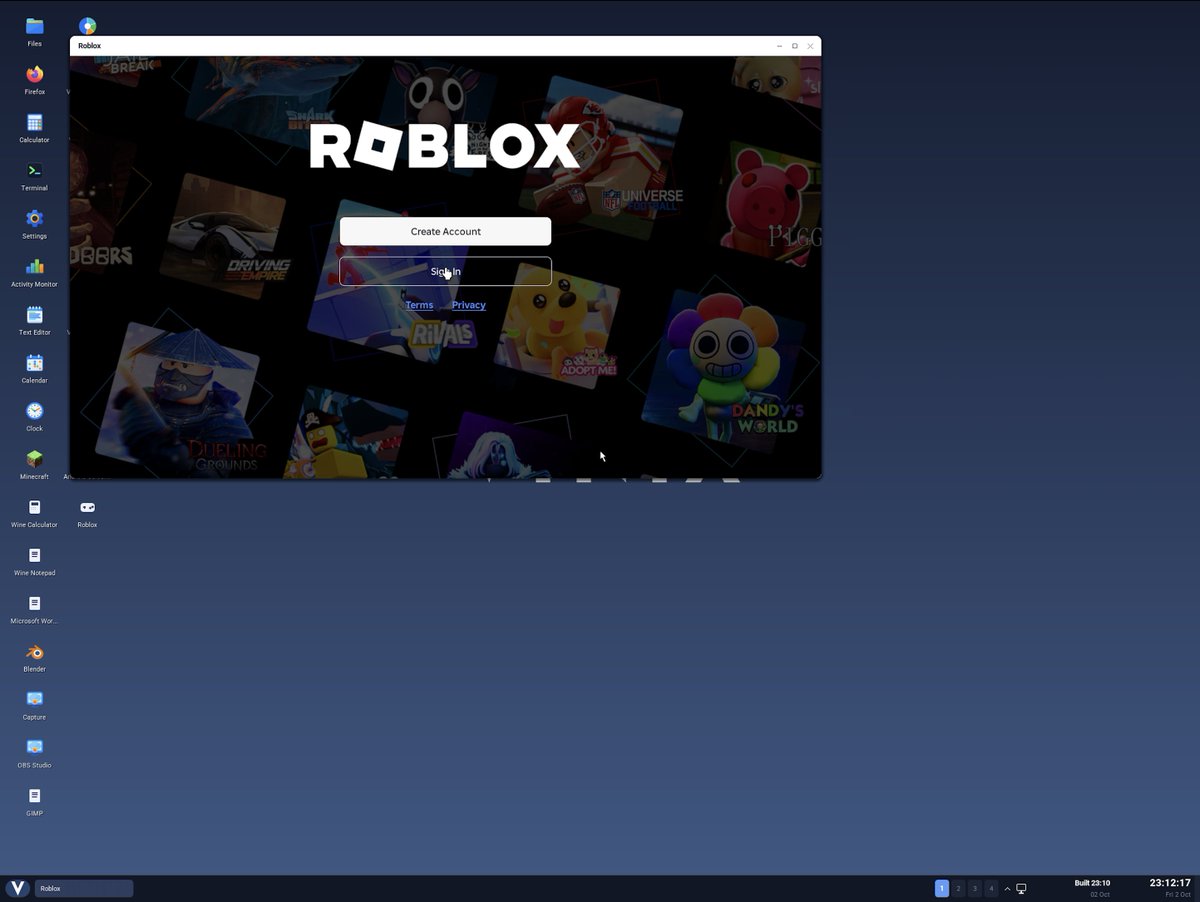
1/ We're reimagining what it means for your agents to work with all your computers.
Today we're excited to share Cua Spaces, built on Cua Driver and our virtualization stack, rolling out on macOS today.
Download it now, it's free and source-available: https://t.co/hynYqez0f7
Introducing e2e
The agentic testing framework for any app
~/ npx e2e init
→ Fully Open Source
→ Mix deterministic and agentic APIs
→ Supports web, mobile, and more
→ Bring your own agent and infrastructure
→ Run locally or in CI
https://t.co/G3XB2L8tiC
i feel like people do not grok how important celld is.
it's scalable applications of arbitrary complexity. the only dependency is s3.
once you see it, you'll realize there's no point to traditional javascript runtimes in serving applications - only for build processes (eg bundling) and scripting.
the networking and scaleability are deeply rooted not only in the distributed runtime (celld), but in the programming model itself (largely kenton's design)
I wasn't quite sure when I started celld how well this could be made to work, but we've been running it in bigger capacities and getting user reports over the last months. Actually handles load surprisingly well. (any experience in the comments to share?)
because the programming model does not expose the underlying linux system, you can actually think of celld as a distributed operating system - running in user space of linux. it only runs one program / doesn't support multi-tenant, but it has system services like an operating system. it's all about networking - i like to think of it as the practical modern version of plan9 or even erlang beam.
Big news! SpaceX is introducing a new @Starlink for Communities program that lets you earn money by providing Starlink internet to your neighbors or people nearby, who can pay for access by the hour, day, week, or month.
Neighbors pay for the access they need, while the person hosting the Starlink will earn money from every connection. One Starlink Kit can provide high-speed internet to multiple nearby users.
Starlink handles payments, user access, and connectivity. Property owners, businesses, local entrepreneurs, etc, simply set up a Starlink Kit where there’s demand and can expand coverage with additional routers or kits.
How to get started:
• Step 1: Order the Starlink Kit. Your Starlink Kit arrives ready for shared use. Choose a location with multiple homes or users nearby.
• Step 2: Place the kit where demand is highest. Starlink gives you clear instructions.
• Step 3: Earn income each month Community members connect using flexible hour, day, week, or month passes. You earn from every connection.
Anyone who sees an opportunity to bring connectivity to the people around them can participate. Apply here: https://t.co/Q0qvaNJmnK
I used GPT-6 Astra to break an unsolved cipher to one of Napoleon's generals that had gone unread for 217 years.
What makes this impressive isn't actually the codebreaking, but that Astra completed the entire multi-modal workflow in ~6 hours from a single image and goal.
1/6🧵
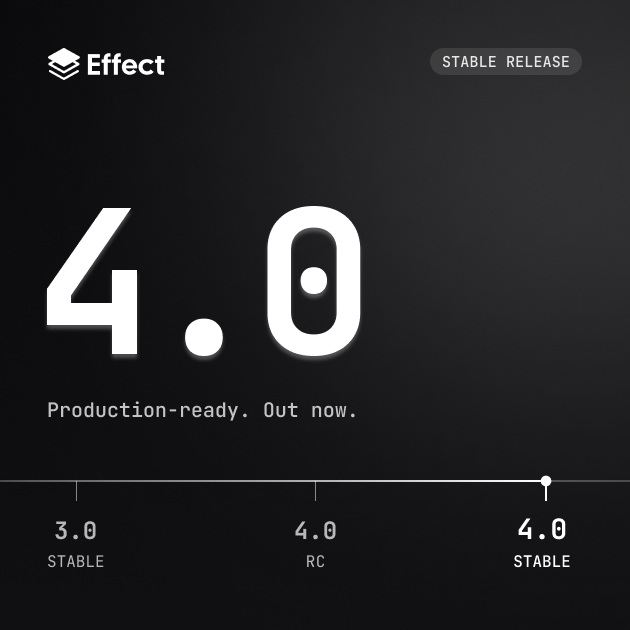
Effect v4 is here.
One ecosystem. Zero dependencies.
The next chapter of Effect and the foundation for building reliable software and AI agents in TypeScript.
We’re live on Product Hunt. OpenShip Cloud is here too
managed deploys when you want them, your own servers when you don’t.
Same platform. Zero lock in.
🔺 Upvote on Product Hunt
Introducing pdfcn
Build beautiful PDFs like you build your UI.
Powered by Takumi + Forme.
Pick from 10+ themes, 40+ components & blocks, then customize everything.
One command to get started. shadcn/ui compatible.
100% Free. Open source.