Sydney A Rugby star and champion lost his life just like that in a mob!
When shall this stop? The @PoliceUg should follow up all these criminals who are thieves and want to use the opportunity of Mob justice to steal and end a life to hide for their criminal actions! What a life!! Rest well Sydney 🙏🏿
VIDEO: Munnamateeka Simon Peter Esomu, ne Munnamawulire ali ku Alimanda Arnold Mukose, batadde omusango mu kkooti enkulu.
@DanAyebare#NBSAmasengejje#NBSUpdates
Journalist Arnold Mukose, reportedly seized outside Metro FM, has been remanded over claims of publishing false reports that First Lady Janet Museveni had died
He is charged under Regulation 110(C) of the UCC Act for broadcasting false information
More https://t.co/RamEYogtUa
This evening, we discuss the judgment of the Constitutional Court that nullified the Computer Misuse (Amendment) Act.
📍Tune in at 7pm EAT to join us for the discussion.
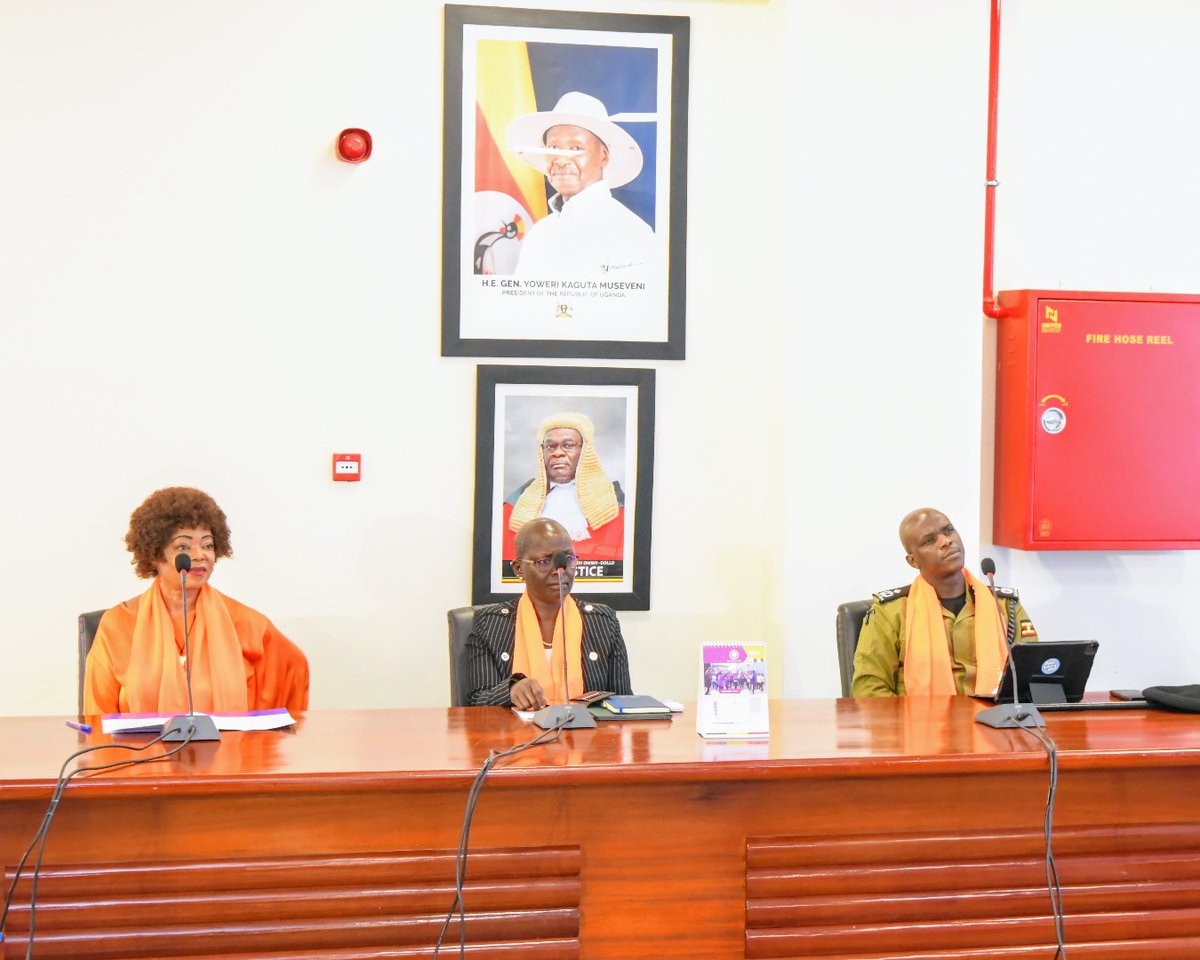
Happening now! Justice leaders, tech experts & CSOs convene at the Court of Appeal to strengthen justice pathways to end technology-facilitated violence against women & girls in 🇺🇬—advancing survivor-centered, digital-age justice.#16Days@JudiciaryUG@ADCinUganda@Dr_KatjaK
Reflecting on One Year in Auditing: Lessons, Growth, and Unlearning Myths
This week marks one year since I officially stepped into the world of auditing—and what a transformative journey it’s been. Along the way, I’ve had to unlearn several common misconceptions and deepen my understanding of what an audit truly entails.
Let’s start with the foundation: ISA 200 – Overall Objectives of the Independent Auditor and the Conduct of an Audit in Accordance with International Standards on Auditing.
This standard outlines the purpose, scope, and ethical framework that governs our profession. A few key takeaways:
Purpose:
An audit enhances user confidence in financial statements by providing an independent opinion on whether they are free from material misstatement and present a true and fair view in line with the applicable reporting framework.
Scope:
Audits are subject to inherent limitations. We provide reasonable, not absolute, assurance. This means we rely on sampling, risk assessment, and professional judgment—rather than exhaustive verification.
Conduct:
ISA 200 requires adherence to the IESBA Code of Ethics, emphasizing:
· Independence
· Professional skepticism
· Sound judgment
· Sufficient appropriate audit evidence
Objectives:
Obtain reasonable assurance that financial statements are free from material misstatement due to fraud or error.
Communicate significant findings to management and those charged with governance.
Common Misconceptions:
Myth 1: Audited financials are error-free.
→ In reality, audits aim to detect material misstatements—not every minor discrepancy.
Myth 2: “True and fair” means literally true and fair.
→ In audit terms, “true” refers to factual accuracy, and “fair” to clarity, neutrality, and completeness.
Clarifying Roles:
Auditors do not prepare financial statements—management does. Our role is to independently evaluate and opine on their presentation.
Looking back, I’m proud of how far I’ve come—from learning the basics to confidently explaining complex standards. Here’s to continued growth, deeper insights, and contributing to the integrity of financial reporting.
#ISA200 #ProfessionalGrowth #AuditorInsights
Thank you, Hon. @WinnieKiiza and Amb. @EdithSsempala for giving Prof. Kanyeihamba his flowers while he lived rather than the lengthy speeches that he can't hear.
Will miss you, my friend! 😪