A thousand doors. One prize behind one of them. Most people open every door, one by one. Srini Devadas opens ten.
The lecture is called Algorithmic Thinking. Almost 6 million views, free the whole time nobody in finance seemed to notice.
His move: throw away half the doors with a single comparison, every step. Not a faster search. A refusal to check anything that can't be the answer. Same prize, a thousand times fewer moves.
A quant I know says that one idea replaced a full year of latency spend his desk had already budgeted.
Compare that to Wall Street's version of the same problem. In 2010, Spread Networks spent $300 million boring a cable through the Appalachian Mountains, Chicago to New Jersey, dead straight. The payoff: 3 milliseconds off a round trip. They opened every door. They just ran faster between them.
Same thousand doors. One side paid $300 million to sprint through all of them. The other stopped opening the wrong ones - for free, over a decade ago.
No cable. No mountain. One comparison, repeated.
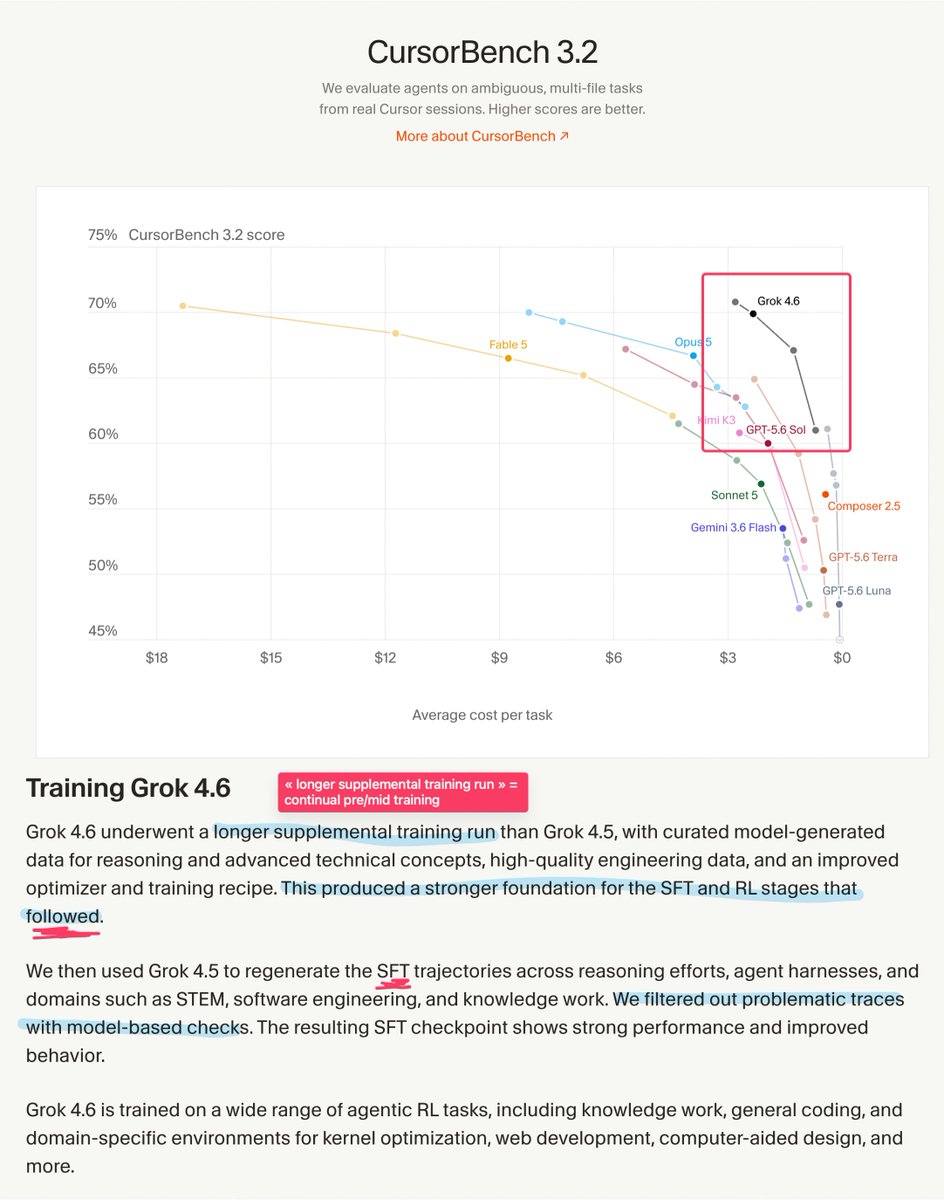
grok 4.6 has a very impressive test time curve on cursorbench, in a league of its own
they did more mid/pre-training on the grok 4.5 checkpoint and newer SFT stages with grok 4.5 traces and model base filtering. once again shows how important a good SFT ckpt is
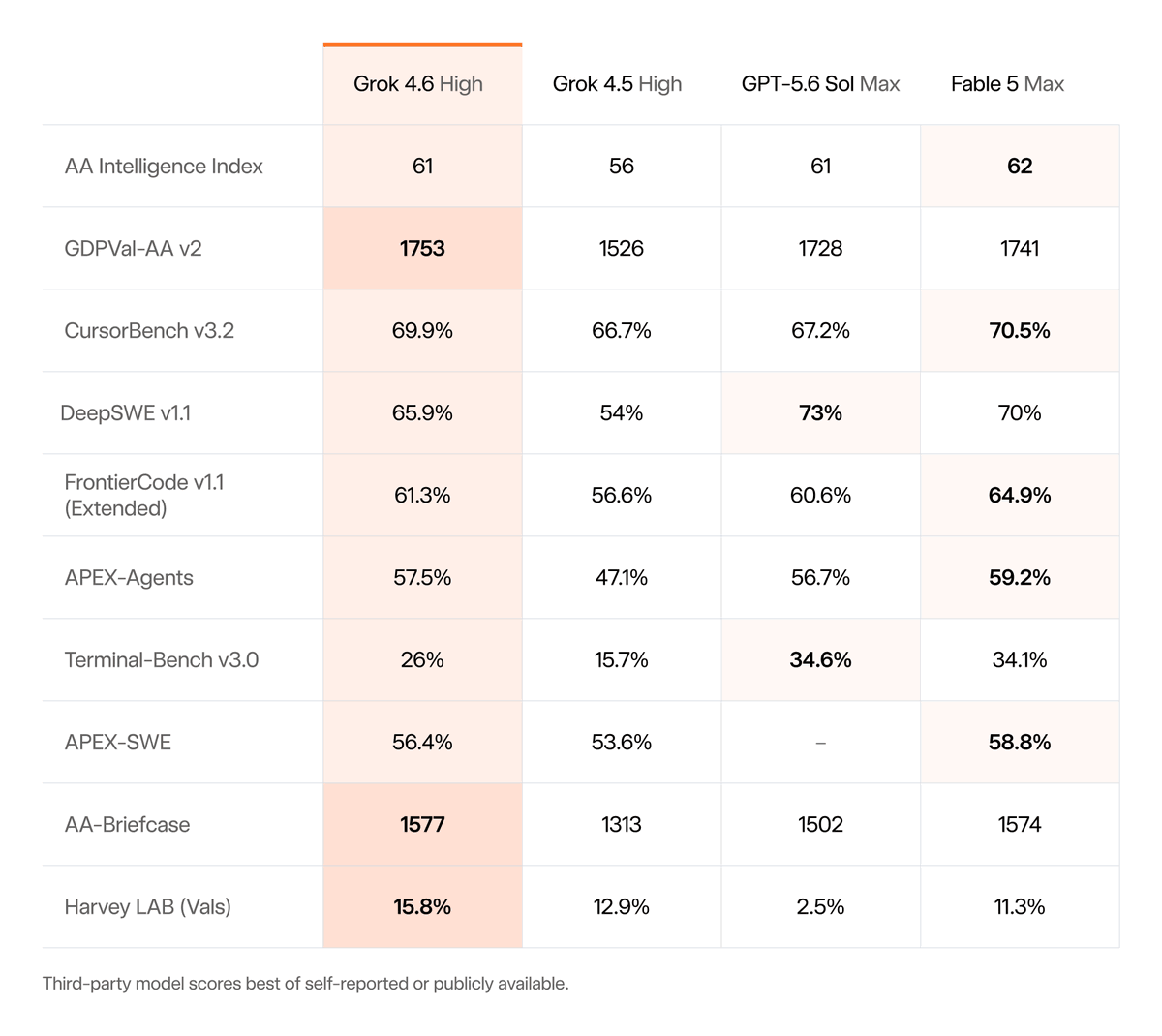
Grok 4.6 is here and it's a much bigger "Oh wow!" moment than Grok 4.5.
On par with Sol and a single point behind Fable on AA-Intelligence.
> $2/1M input & $6/1M output
> ~1/5 the cost of Sol
> ~1/9 the cost of Fable
Ladies and gentlemen, we may have a new Pareto leader.
Dyna Robotics is now training robots almost entirely on human video because they hit the same wall every other robotics lab hit first.
Real robot data doesn't scale. Teleoperation needs a person driving an arm for every hour of footage, so the entire industry has been stuck collecting data one demo at a time.
Human video has no such limit, basically the entire internet is already full of it. So Dyna ran the experiment at four orders of magnitude, from 1000 hours to 1,000,000, and the model kept improving with no plateau in sight.
The part that matters more than the scale is what it implied. That same human data curve predicted gains on robot embodiments and tasks the model had never once seen, which means the wall was never robot data. It was video nobody had scaled far enough to test.
So the winner in physical AI won't be whoever collects the most teleoperated demos. It'll be whoever turns the cheapest, most abundant data on earth into something a robot can act on.
That's probably where this whole field ends up within the next year or two.
Most "AI infographic generator" tools...Napkin, Canva's AI visual maker...sit behind a monthly subscription.
You type a prompt, wait, get one static image, pay to unlock more.
There's a different approach. It's called AntV Infographic.
Feed it raw text with a declarative syntax, and it renders the graphic...live, as the tokens stream in from any LLM.
No waiting for a finished response first:
the infographic progressively builds itself while the AI is still typing.
It ships with ~200 built-in templates, layouts, and data components, so "professional-looking" isn't something you have to design from scratch.
Output is SVG by default, which means it stays crisp and editable rather than a flattened raster you're stuck with.
There's a built-in editor too, so once the AI generates a first pass, a human can go in and adjust it...theme presets, hand-drawn styles, gradients, and deeper customization on top.
Built by Ant Group's AntV team (the people behind several well-known visualization libraries). 5.6k+ GitHub stars, trending on Trendshift, MIT licensed, free.
Repo: https://t.co/gzwqOvV1oR
Bookmark this.
🚨@GetLindy launches AI Teammate
A company already knows the answer to almost anything you’d ask it.
The problem is the knowledge sits scattered across Slack, calls, docs, and a dozen tools, and none of it is reachable, so people ask each other instead.
Lindy reads all of it and answers when you @ it, with the source attached.
Your coworkers stop being your search engine.
GameDev-Resources provides a categorized list of tools and assets for game development, covering 2D and 3D graphics, engines, frameworks, audio libraries, and project management utilities.
https://t.co/dRhrNj8SNQ
Shoot for the Riemann hypothesis, Claude.
Even if you fail, you'll land amongst the lower bound for the fraction of zeros of the Riemann zeta function that satisfy the hypothesis.
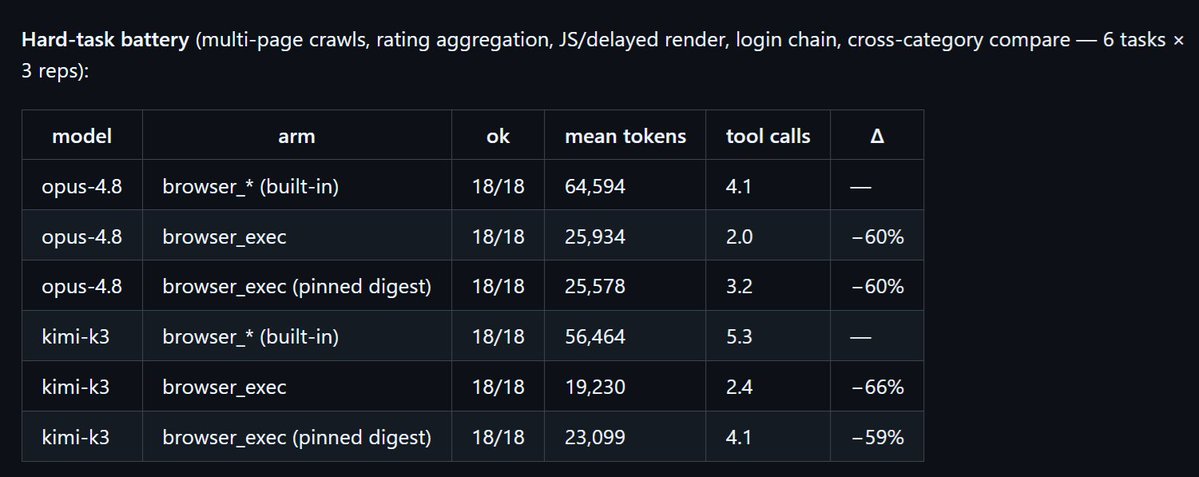
We achieve this savings in two ways - the tool schema went from 8 tools, using a lot of context, to one, and the new tool has the agent drive the CLI with code, instead of a variety of individual actions.
In our in house tests the total trajectory uses on average ~60% less tokens per task, with no accuracy drop!
Some takeaways from recent hacks and what comes next. A recurring theme is that while the AI problems we face seem technically tractable, our incentive structures create an environment where I expect most solutions come AFTER more serious harms.
10 takes on @interconnectsai.
Ok guys I'd like to debunk the theory that the "noise artifacts" (seen in image below) stem from steganographic watermark.
1) Nano Banana uses SynthID but it has no artifacts at all.
2) The watermark is applied *after* the image is finished. It cannot possibly warp the geometry like you see below.
3) Steganography is per definition invisible to the human eye.
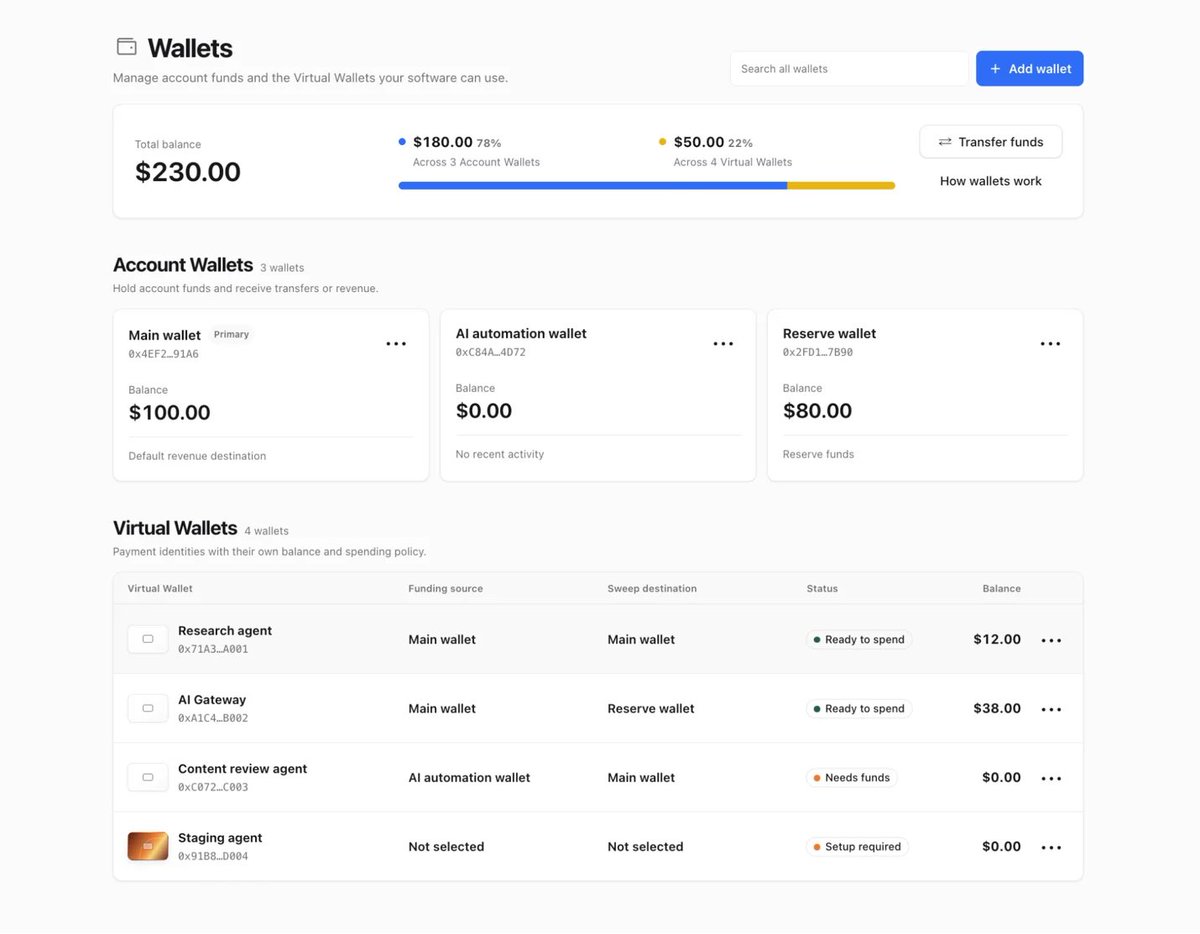
AI agents are getting their own bank accounts.
Cloudflare is building programmable wallets that will let an agent hold money and pay for things across the internet.
The product is called Cloudflare Wallets.
You will be able to give an agent a virtual wallet and tell it:
→ Spend no more than $20
→ Buy only from approved companies
→ Never spend more than $2 per transaction
→ Pay for a specific API or MCP tool
The agent could then purchase data, software, computing power, or paid content while completing a task.
Cloudflare plans to use stablecoins for the payments.
It is also building a Monetization Gateway so websites and developers can sell APIs and content directly to agents without creating a normal checkout page.
Wallet handles can be claimed now.
The complete payment system is still coming, so your agent cannot start shopping freely today.
But the direction is obvious.
The internet was designed around humans opening pages, clicking buttons, and entering card details.
Cloudflare is preparing for an internet where software finds a service, checks the price, pays for it, and continues working before a human even sees the bill.