Postdoc studying genetic networks for Caribou conservation with EcoGenomics at Trent University. Interested in animal behaviour and conservation. She/her
Second paper from my PhD now out in @Ecology_Letters, taking a multi-layer social network look at how seabird social associations change across different foraging states and environments: https://t.co/80bo1j4R3d
with @jon_seabirds, @SamCPatrick, @kayakusvulgaris and John Arnould.
Check out our new paper on the foraging behaviour of red-throated divers during the breeding season! A cool look at how foraging effort and behaviour change as the season progresses!
https://t.co/0plYiviRHO
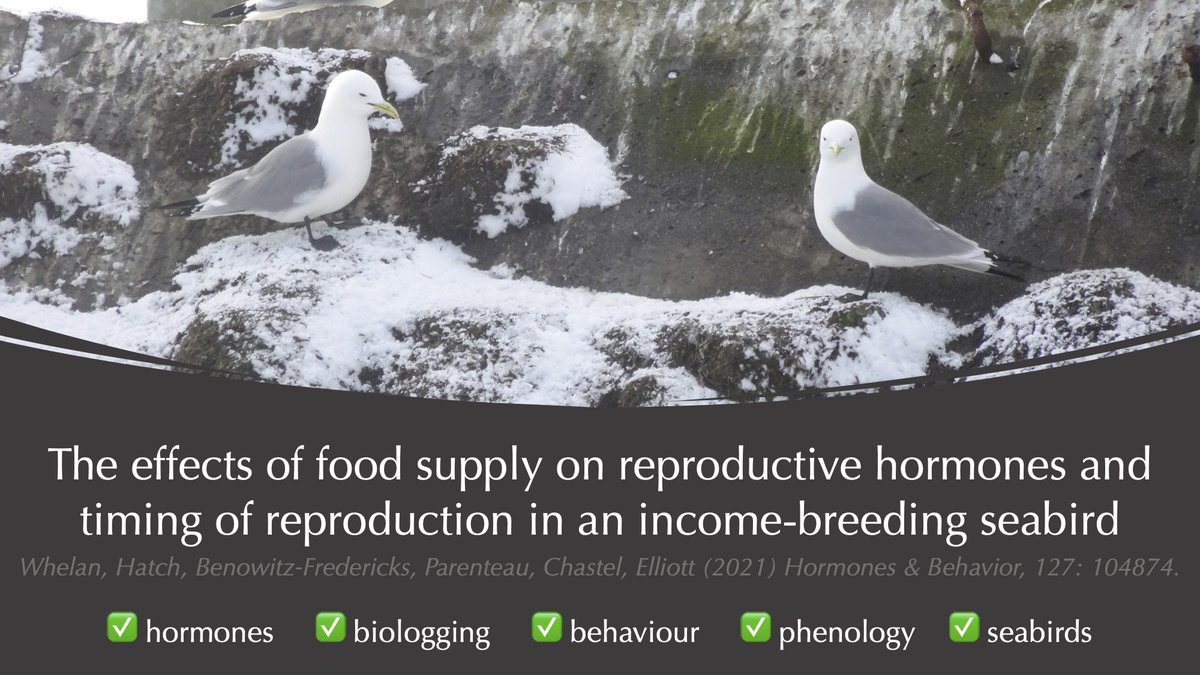
My second PhD chapter is out! We used an #experiment on female kittiwakes to test the role of food/energy status in timing of reproduction
Available free for 50 days: https://t.co/RfpPuHCNEl
#seabirds#ornithology
(1/5)
Our paper looking at short term shifts in the overlap between social associations and genetic similarity in a long term dataset using multilayer networks is now out (as accepted) in Current Zoology https://t.co/ptbj7tUpuF @BKoenig_IEU https://t.co/fOheQigSFQ
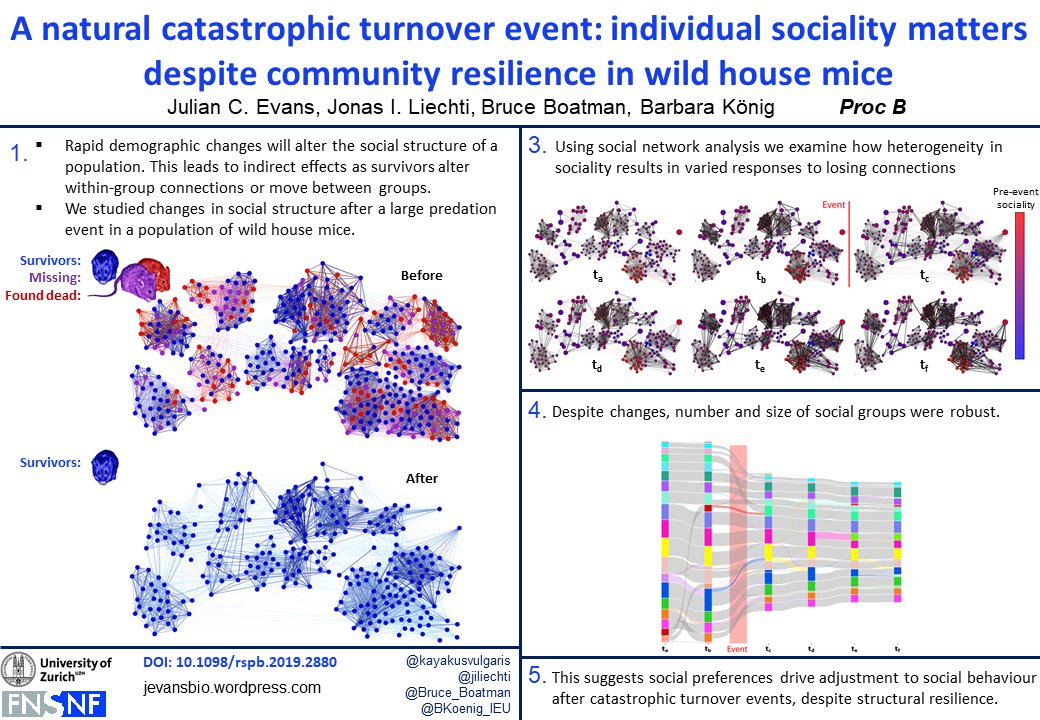
Our paper looking at changes in network structure in house mice in the wake of a major demographic shift is now out: This is my first mouse paper! https://t.co/jOrpoFacsu @jiliechti @Bruce_Boatman @BKoenig_IEU https://t.co/zGCYNVbYqb
#WSTC6#PhenoSesh
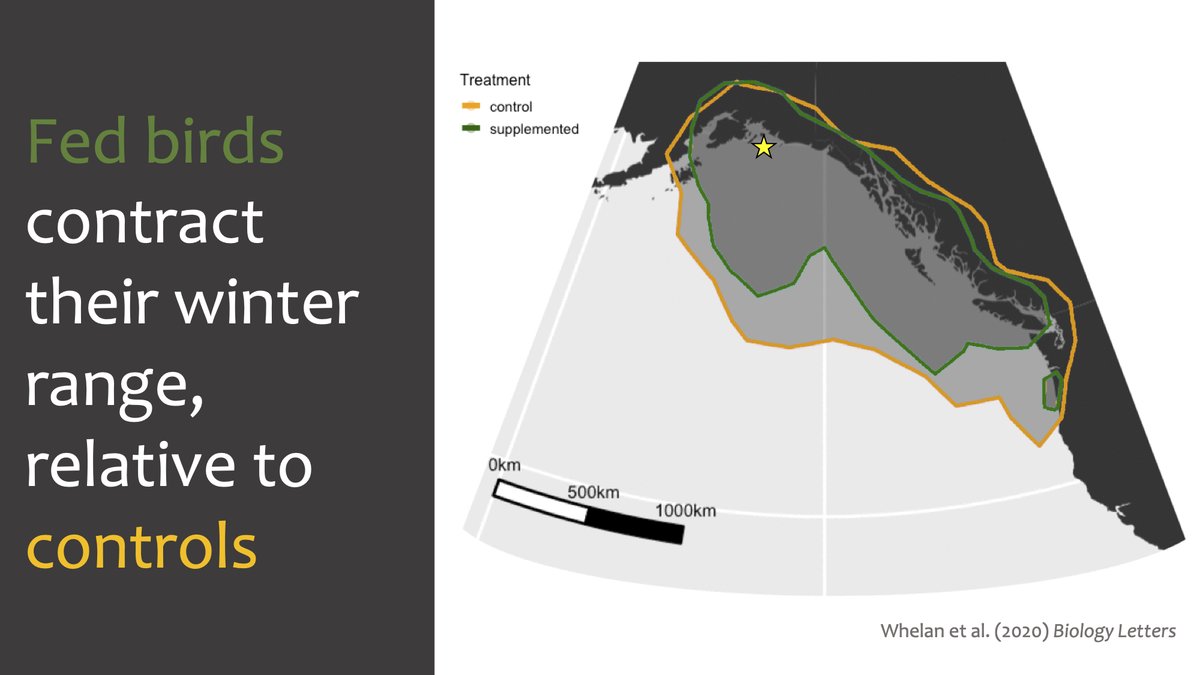
4 We recently found that fed birds travelled less over winter than controls: https://t.co/xtzB1XPHmP Sure, feds weighed more than controls in late summer. But we suspect that moult phenology could be the true mechanism for these carryover effects.
#WSTC6#PhenoSesh
3 Many fed and control birds began moult while still caring for offspring. Fed birds started moult earlier. They had more new feathers than controls throughout. So, fed birds aligned moult with unlimited food and left the breeding season in better condition.