Anthropic published The AI-Native SDLC Playbook last week saying, “code is no longer the bottleneck.” I agree.
All year long, I’ve been asking myself the questions that naturally follow:
What becomes the bottleneck next?
If models can generate code faster and faster, what actually determines whether a change is good enough to ship?
If teams are going to use multiple models and agents, what has to remain durable underneath them?
And as agents become more autonomous, how do people understand and steer what hundreds of them are doing at once?
My view: faster code generation is already exposing the next constraints. Solving them is where the next wave of value in agentic engineering will come from.
Verification, context, execution infrastructure and governance start to matter more than model choice.
Put differently: when implementation becomes abundant, trust becomes scarce.
I wrote down my view of what comes next: When Code Is Abundant
https://t.co/Dh4j2TIsJr
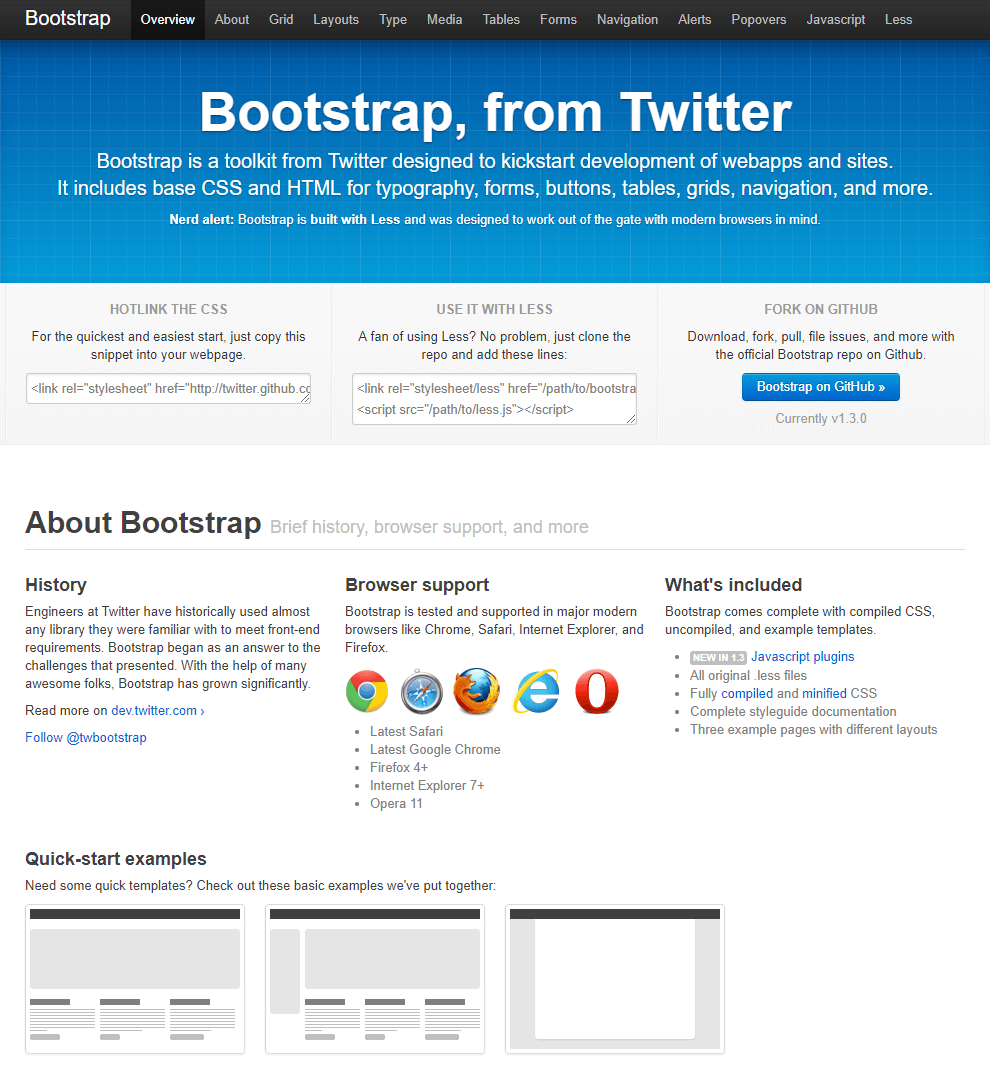
On August 19, 2011, Web developers Mark Otto and Jacob Thornton of Twitter began creating the CSS framework Bootstrap in mid-2011. The framework was originally developed to help maintain the HTML/CSS and JavaScript code consistency in Twitter applications.