Oh, you're writing CUDA kernels? Everyone's on Triton now. Just kidding, we're all on Mojo. We're using cuTile. We're using ROCm. We have an in-house DSL compiler targeting the NVGPU MLIR dialect but wait, Tile IR just dropped so we're going to target that instead. Our PM is on TileLang. The team lead was on CuTe but now she's back to handwriting PTX. If you're not on Pallas, you're ngmi. Our intern is building on TT-Metalium for our Wormholes. Our CFO approved an order for some big chungus wafer-scale chips so now we're porting our kernels to CSL. Our CTO is working on a kernel-less graph compiler so we won't need to write kernels anymore. Our CEO thinks we're talking about the Linux kernel. We're building Claude for dogs.
@shrirambalaji Yep, the models are just flat out better too. Opus 5.5 is the first time I've actually been happy with a model in a long time, particularly in the way that it talks.
@abdimoalim_ Well they said they were going to, so you'd be forgiven for thinking that.
I still like Communities but I don't want to continue using mine if it's just going to get pulled out from under me any day now.
It's so stupid that X made this big deal out of removing the Communities feature, doubled down after the backlash and then proceeded to... leave the feature as is. They haven't even explained whether they're still planning to remove it at a later date or not.
So many things about X are completely amateurish in this way. The X Chat app still isn't available in the Australian app store for some reason, etc.
@tetsuo_cpp So real and true, but instead of cuda kernels we should combine OS kernels fuck microkernels we need to start the era of megakernels. Make the Mach creators tremble in fear, our kernel will do userland heap management and nested virtulzation all at once !
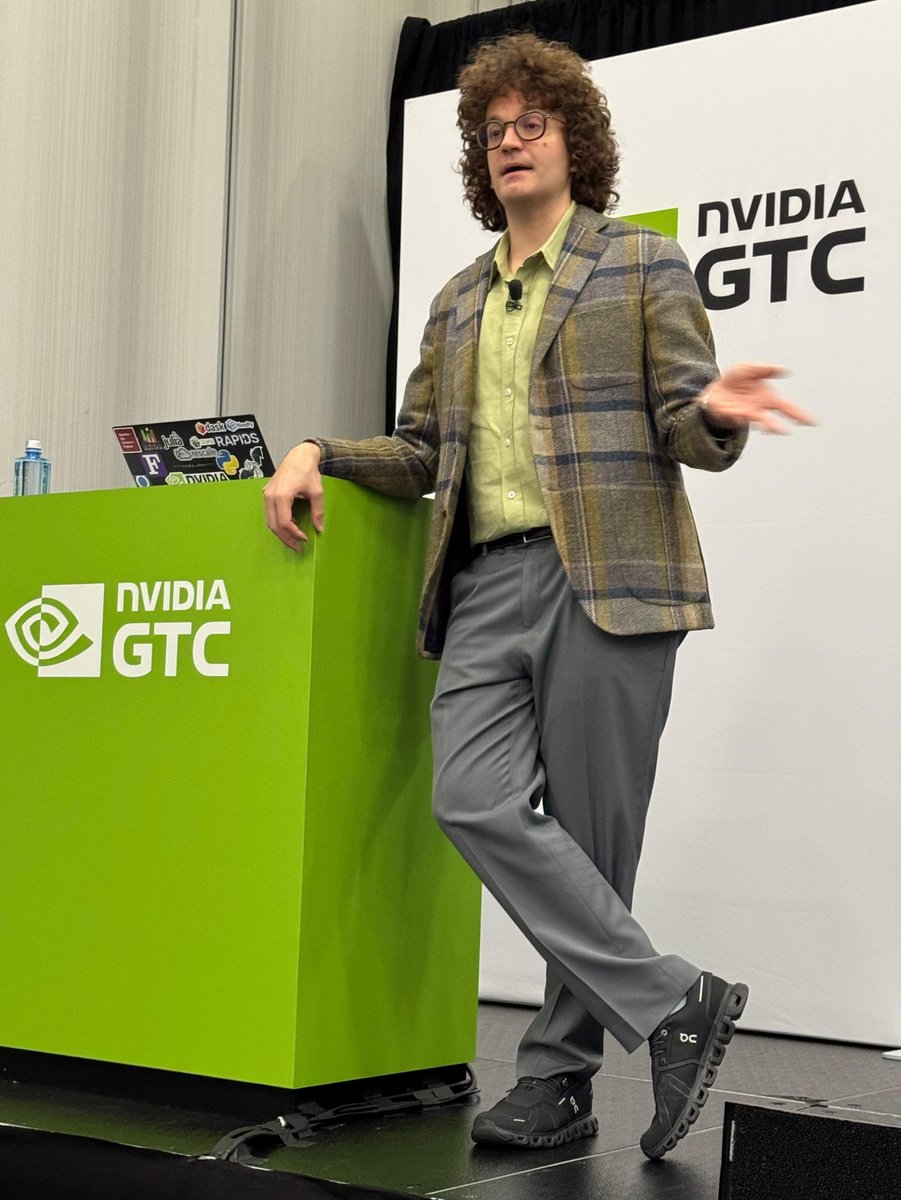
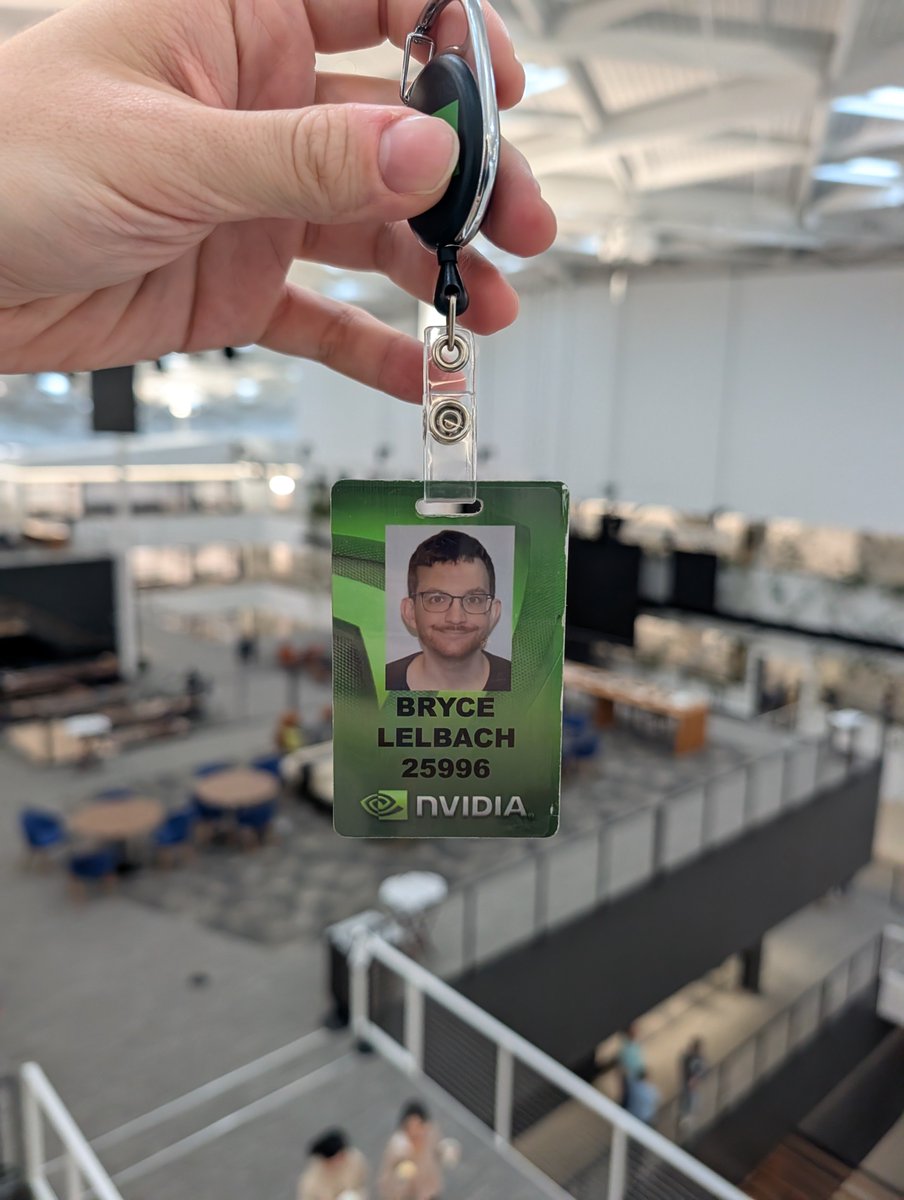
This is my last week at @NVIDIA.
It's been an honor and a pleasure to be a part of this incredible team.
I couldn't have asked for a better job these last 9 years.
🫡