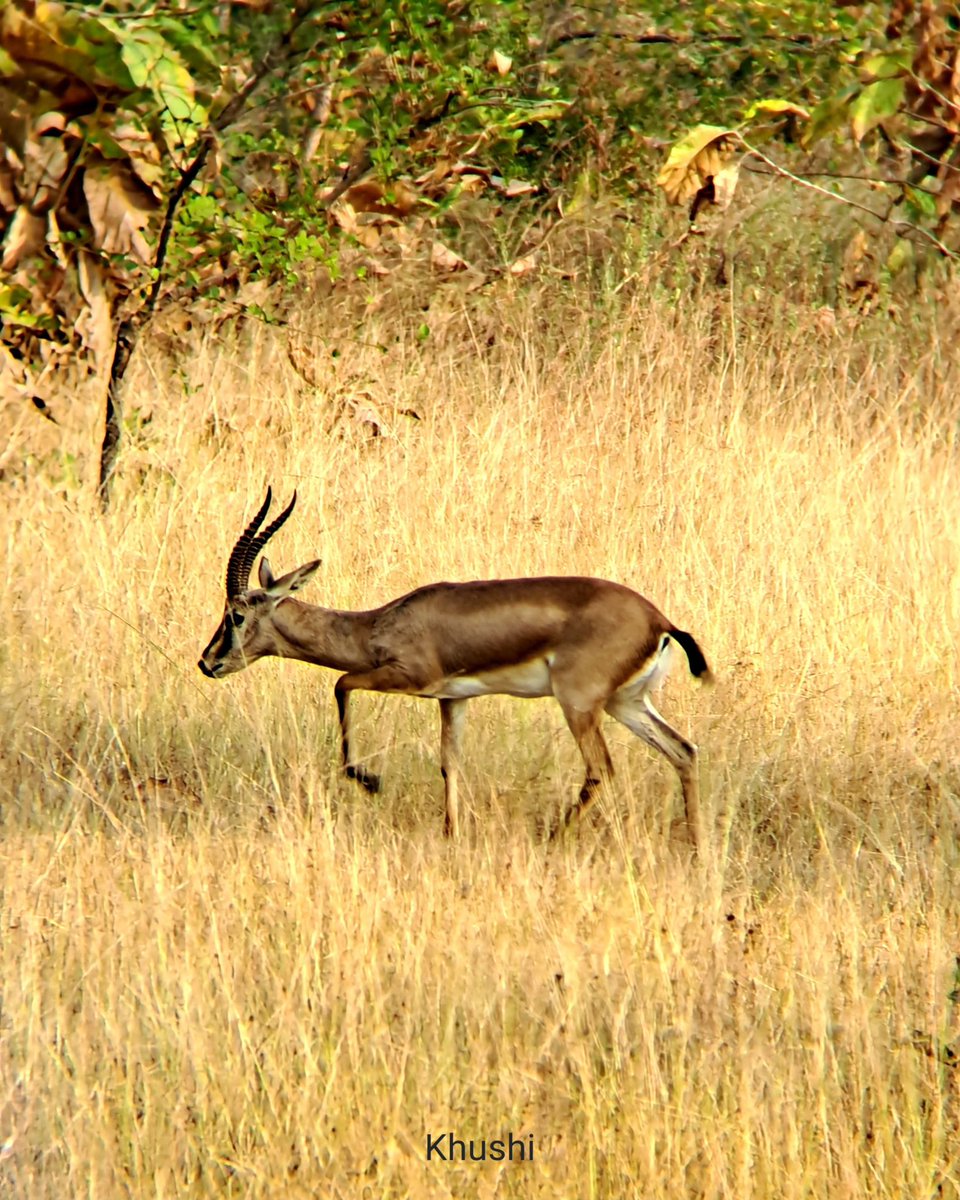
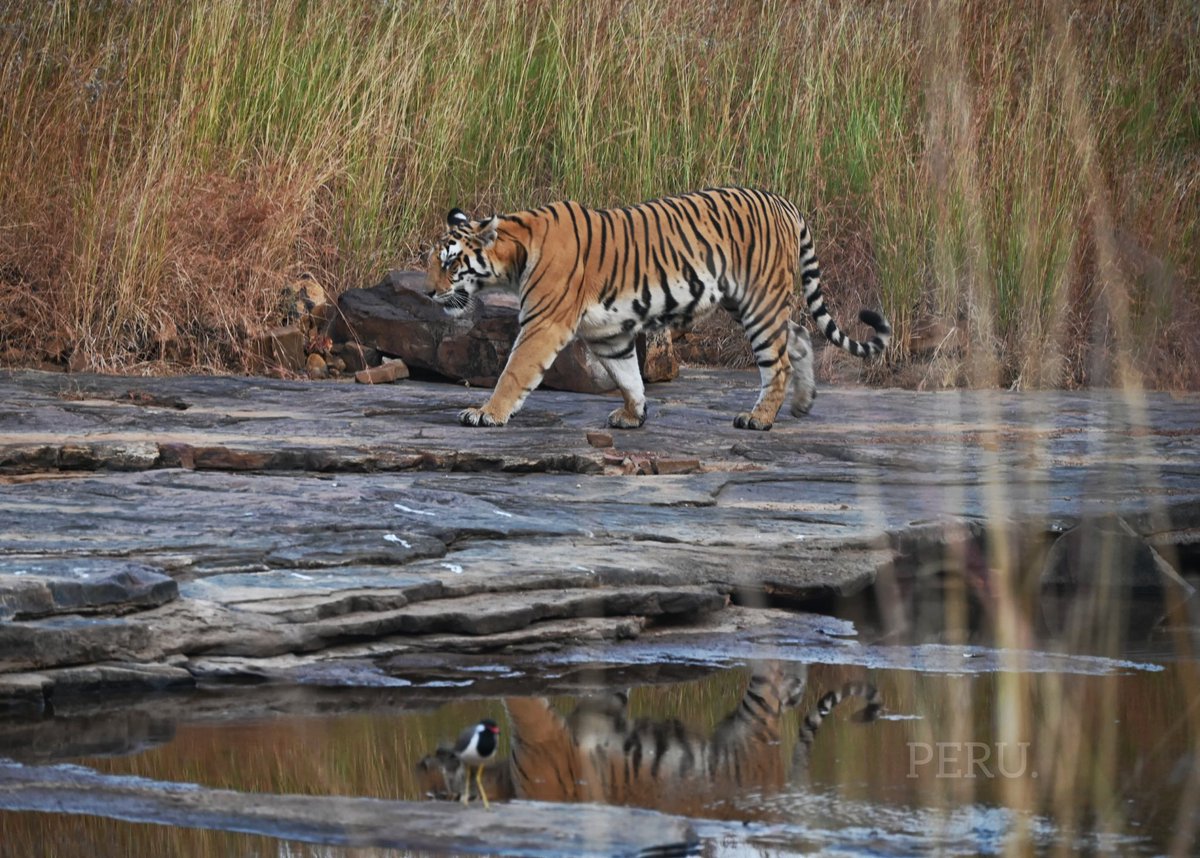
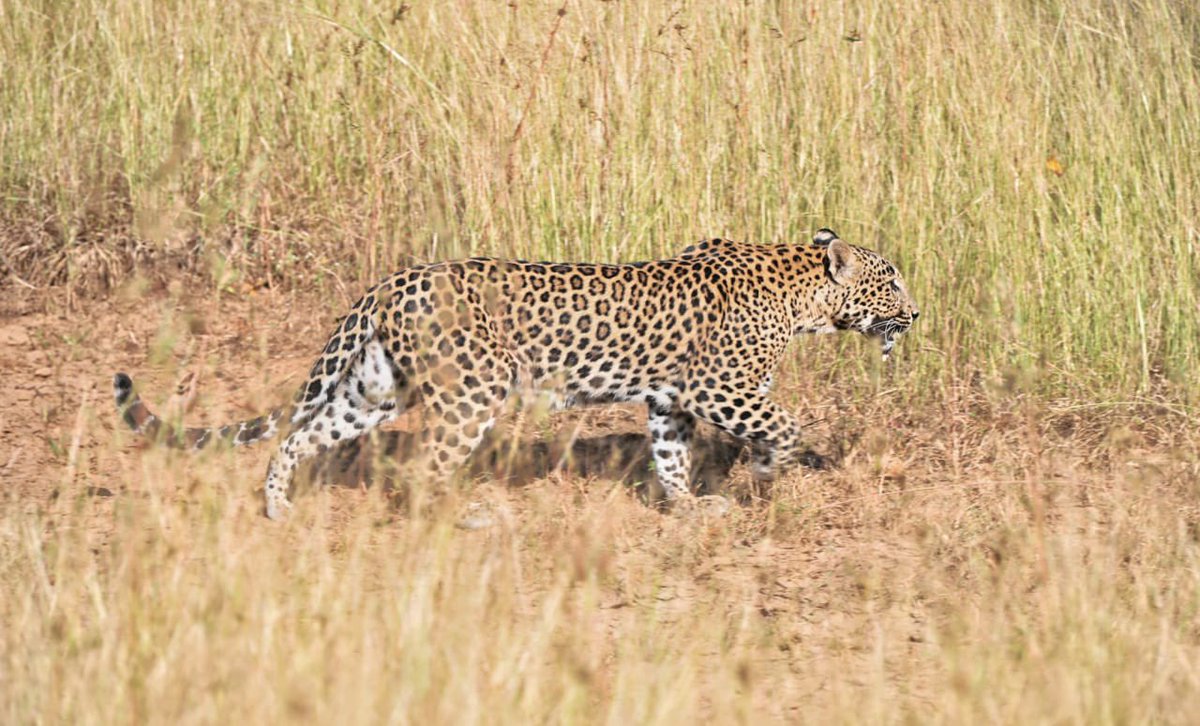
Anchoring India’s Umbrella Species to Biodiversity and Climate Gains @ConLetters seems out of context with India’s ecological reality. Selecting five species from the same ecological grouping while overlooking critical climate-resilient ecosystems, grasslands, and other distinct landscapes presents a narrow and incomplete conservation picture. How does such a framework get published without adequately reflecting India’s ecological diversity and conservation priorities? Conservation cannot be built by forcing a convenient species list onto a complex country. Context matters and in India, ecological context is everything. @bhlab_india@MongabayIndia@uramakri@wii_india@NCBS_Bangalore@shradhatriveni Sambar, Tiger and Dhole almost represent same system. For India Conservationists - just close your eyes and write down nine species and see how much you overlap with the proposed list. https://t.co/YRvkdkwotb
Wildlife Institute of India is offering a two-year Master’s (https://t.co/ZpXqVIYRLR.) course in Freshwater Ecology and Conservation, sponsored by the National Mission for Clean Ganga (NMCG), Ministry of Jal Shakti, Government of India. Admission is open for the session 2026–2028.
Applications are invited from interested candidates.
https://t.co/gCTGN7cYRr
@DoWRRDGR_MoJS@DoWRRDGR_MoJS@moefcc
@moefccgoi
@wii_india@SACONCoimbatore@GobindsagarBha1@RuchiBadola2@jajohny2013
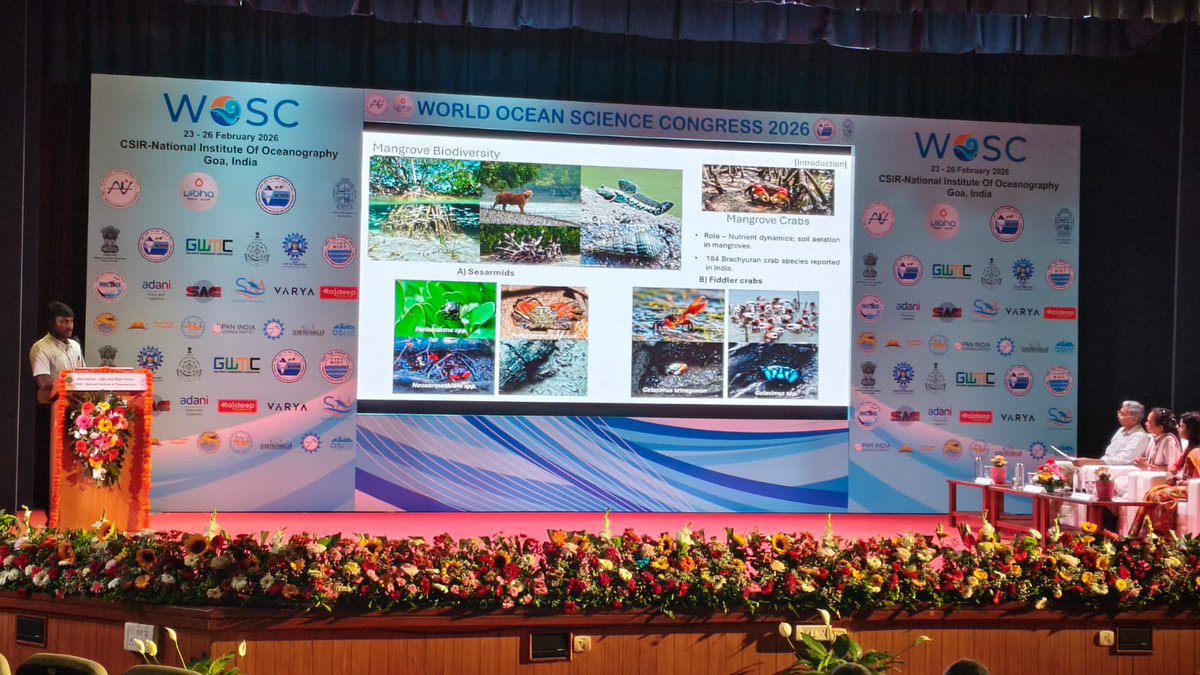
Congratulations💐💐💐 to Perarivalan S, #WII MSc Student for the best presentation award in the two days National level Mangrove Workshop conducted in Sri Vijaya Puram. His presentation from the MSc dissertation study highlighted the significance of canopy gaps in influencing species diversity patterns in the #mangrove ecosystem.
@moefcc@SACONCoimbatore@Mangroves@GobindsagarBha1@nehrutp@The__Peru@AndamanForests