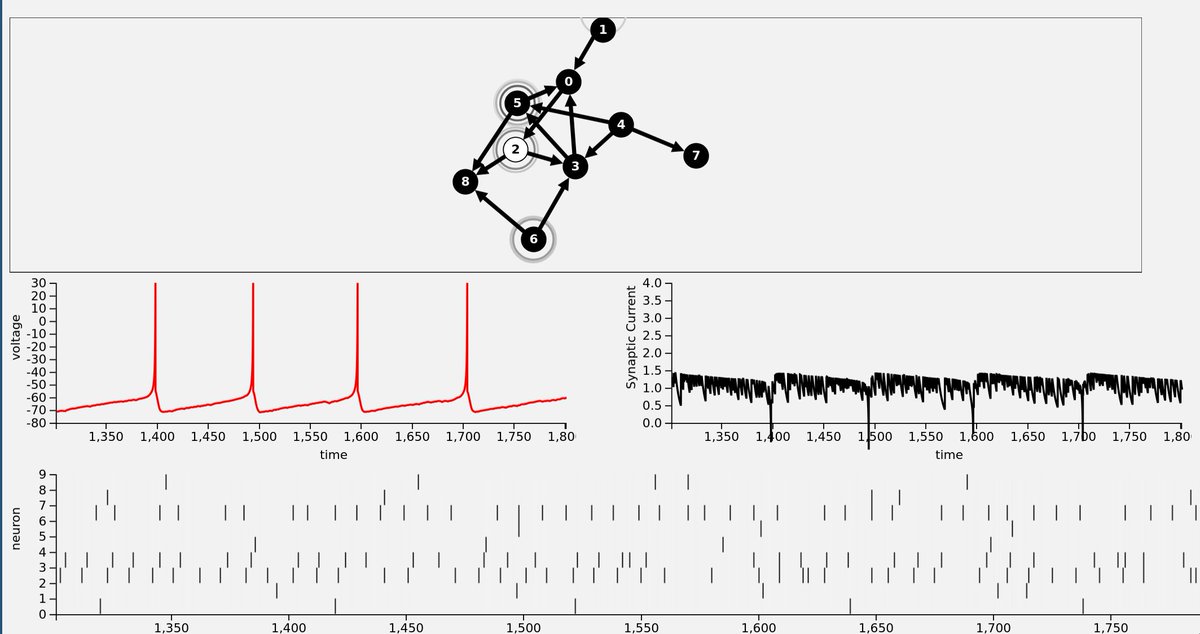
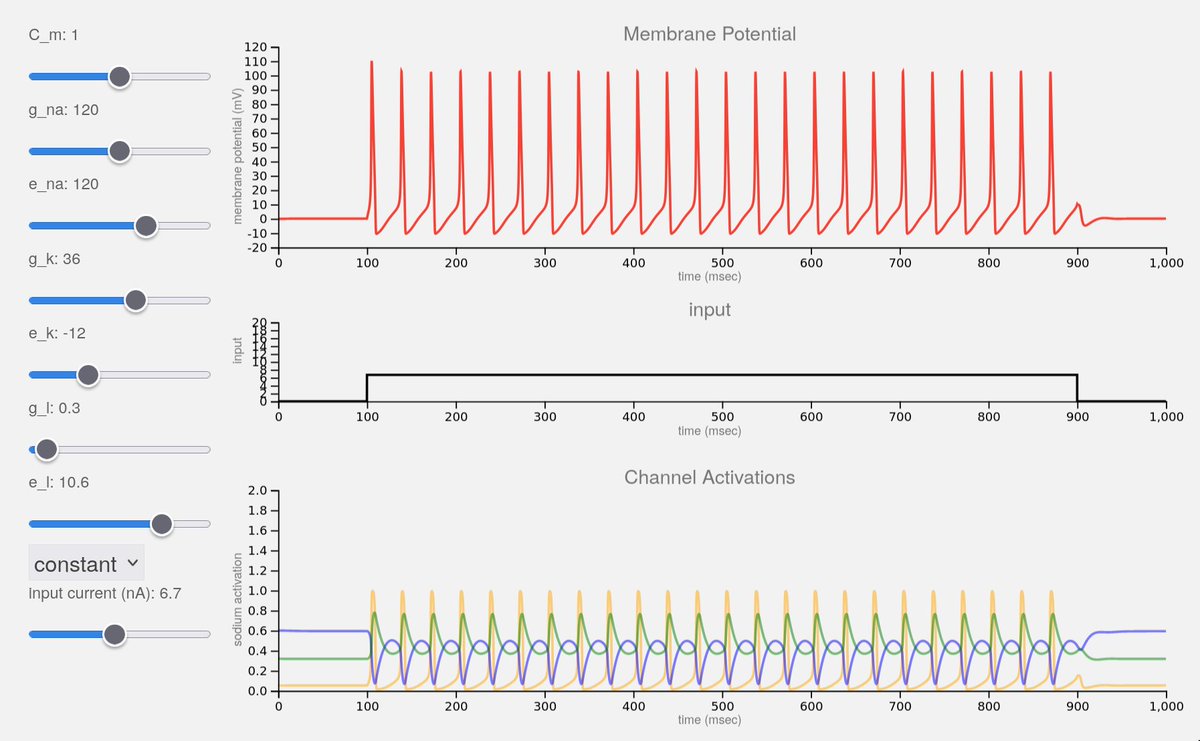
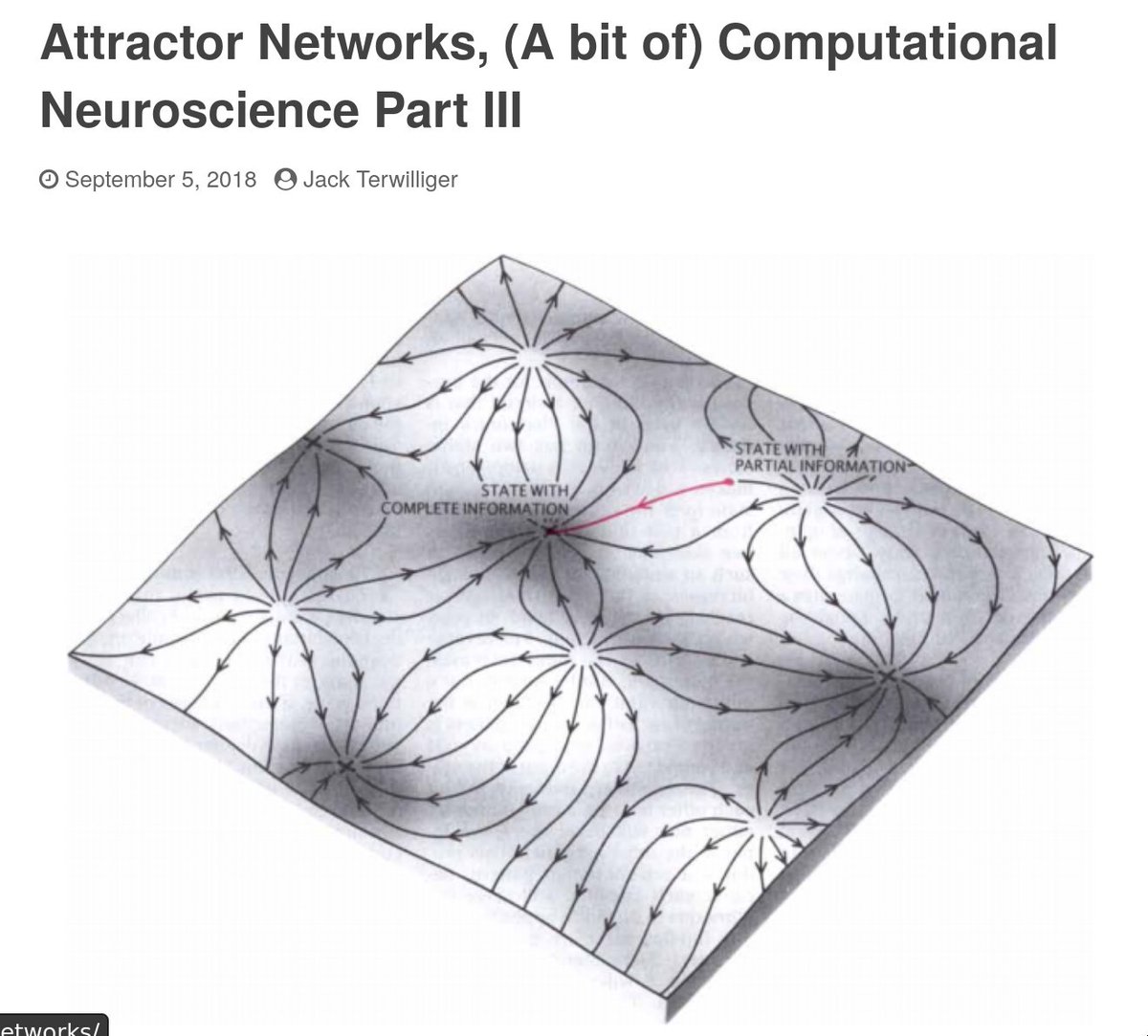
Excited to share about what I’ve been working on over the past year: quantifying the capacity of a neuron😅
This led to a mathematical framework we call HOPE, which lets us rigorously deconstruct what deep networks might have learned. Paper: https://t.co/bDn03zBkS0
New Anthropic research: How AI agents shape experts' judgment calls
When experts delegate work to an agent, do they still make the key decisions? We tested this in a randomized trial with 50 professional data analysts.
the best researchers from Meta, Yale, Stanford, Google DeepMind, and Microsoft laid out all we know about Agents in a 264-page paper [book],
here are some of their key findings:
Can a Large Language Model (LLM) with zero Pokémon-specific training achieve expert-level performance in competitive Pokémon battles?
Introducing PokéChamp, our minimax LLM agent that reaches top 30%-10% human-level Elo on Pokémon Showdown!
New paper on arXiv and code on github!
This week's #PaperILike is "Model Predictive Control and Reinforcement Learning: A Unified Framework Based on Dynamic Programming" (Bertsekas 2024).
If you know 1 of {RL, controls} and want to understand the other, this is a good starting point.
PDF: https://t.co/gTrCeBe6dn
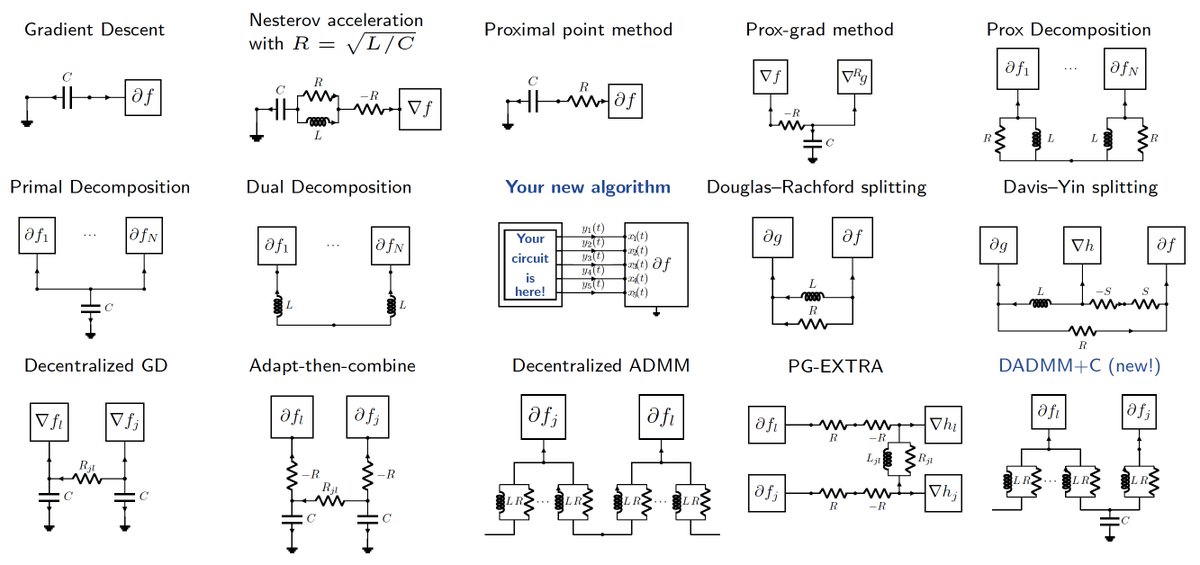
Your optimization algorithm is a circuit!
In our NeurIPS 2024 Spotlight paper with Stephen Boyd, Tetiana Parshakova, Jaewook Suh @Jaewook_J_Suh, we present a framework for designing optimization algorithms using (electric) circuit theory.
(Video and paper links in reply)
(1/3)
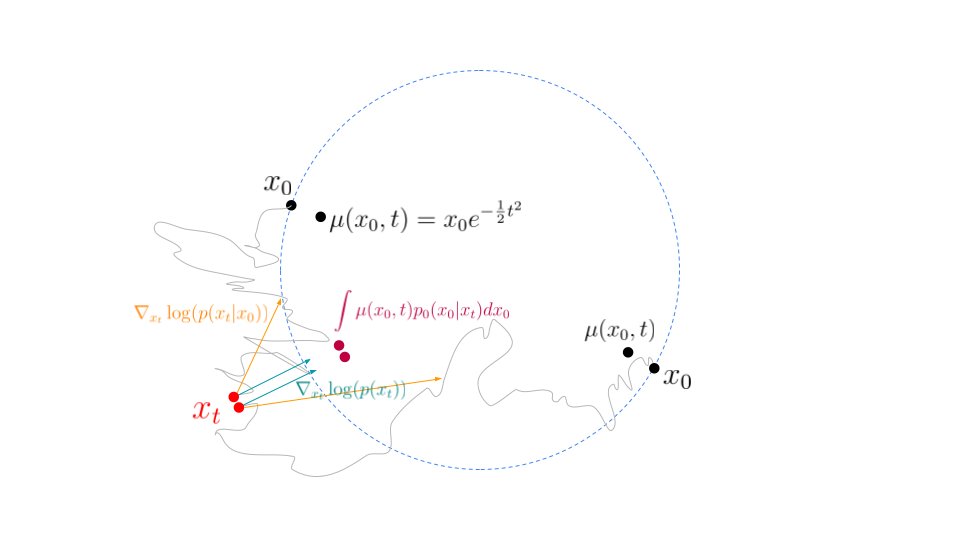
Diffusion Without Tears is our attempt to make the score-matching + SDE interpretation of diffusion geometrically intuitive. If you're interested in our upcoming interview with @DrYangSong, I recommend reading this first! Link below.
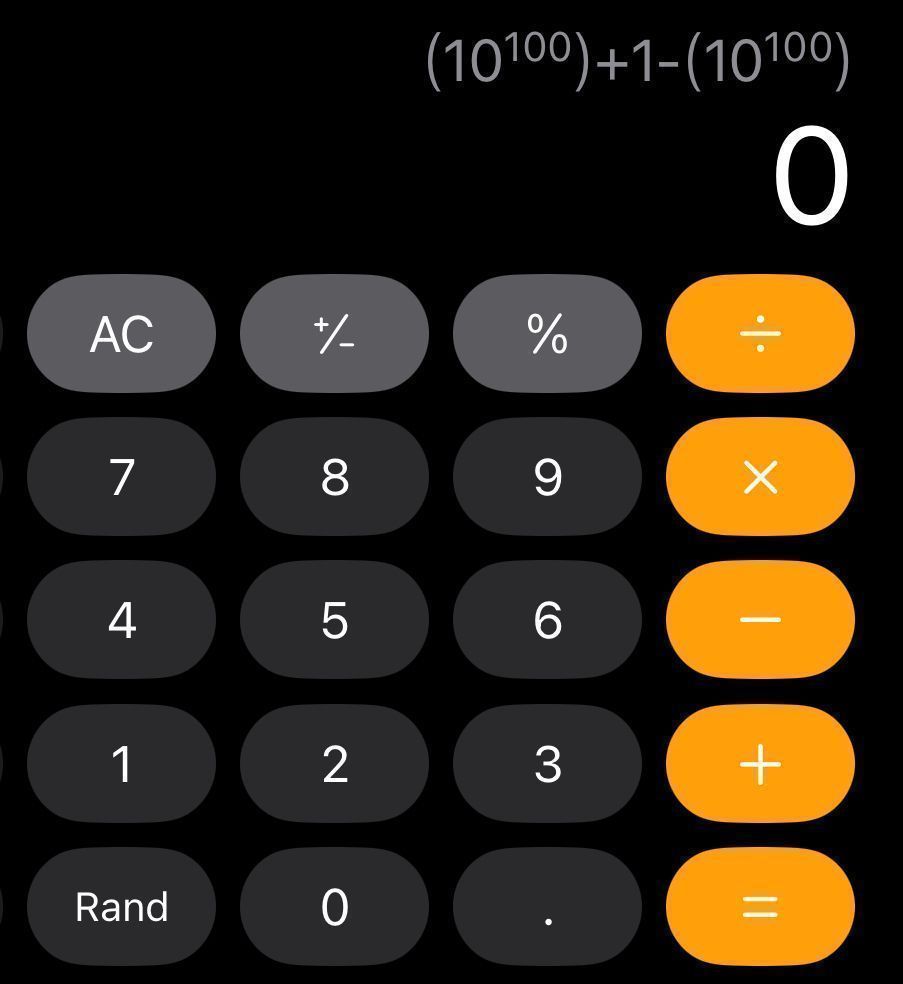
"A calculator app? Anyone could make that."
Not true.
A calculator should show you the result of the mathematical expression you entered. That's much, much harder than it sounds.
What I'm about to tell you is the greatest calculator app development story ever told.
We’re excited to introduce Transformer², a machine learning system that dynamically adjusts its weights for various tasks!
https://t.co/bnOA7PWHsC
Adaptation is a remarkable natural phenomenon, like how the octopus can blend in with its environment, or how the brain rewires itself after injury. We believe our new system paves the way for a new generation of adaptive AI models, modifying their own weights and architecture to adapt to the nature of the tasks they encounter, embodying living intelligence capable of continuous change and lifelong learning.
Paper: https://t.co/KQb8CsruuF
GitHub: https://t.co/1a6q7H5WgJ
Every living system must adapt, or die.
In my first blog post, I show how this fundamental principle can be mathematized:
✅ Brains adapt, and adaptation is about KL divergence minimization.
Let's unpack the main insights 🧵[1/n]
(Link in the first reply👇)
Generating cat videos is nice, but what if you could tackle real scientific problems with the same methods? 🧪🌌
Introducing The Well: 16 datasets (15TB) for Machine Learning, from astrophysics to fluid dynamics and biology.
🐙: https://t.co/PMAHK7i2lG
📜: https://t.co/6XLJA5lJnI
Today marked my first time jumping into another reviewer's thread to support authors (#ICLR2025)
Yes, I want to normalize this— I can and I should support authors/papers when necessary.
A reviewer's duty isn't just to point out flaws—we should also help good research!
We collected lecture notes and blog posts by group members about recent topics in deep learning theory here. Hope it is useful!
https://t.co/DWSeSkXtnS
Open problems in AI alignment needing mathematically talented people:
1. Scale-free theories of agency & alignment
- "Scale-free" means theories hold under renormalization-style scale transforms
- For example lacking in public choice theory (individual agents aggregate to different object)
- Blocks progress on collective intelligence, coherent extrapolated volition, multi-multi alignment, self-unalignment, value rectification, reflexive stability
- Existing work: @drmichaellevin, @_fernando_rosas, parts of active inference, factored sets (Scott Garrabrant), parts of agent foundations (Abram Demski), @RichardMCNgo
2. Representational alignment / convergent abstractions / natural abstractions
- When do systems arrive at similar abstractions? (e.g. would aliens have "hydrogen atom"?)
- Spans experiments to theory - for representative sample of ML style work see ICLR '24 Workshop on Representational Alignment
- LessWrong version: 'natural abstractions' (John Wentworth)
- what I would be more excited about: convergent abstractions, take more inspiration from theoretical biology than from statistical physics
3. Developmental perspective / better learning theory / singular learning theory /
- How do NNs learn & traverse weight space? What stabilizes abstractions?
- Alignment work centered around Timaeus (@jesse_hoogland)
- empirical 'science of deep learning', for example by @stanislavfort
4. Geometric rationality (Scott Garrabrant)
5. ARC work on formalizing ‘heuristic arguments'.
- A very simplified explanation is: on one hand, we have proofs. These are often hard to find and neither our brains or AIs likely rely on them much. In the other extreme, we can have opaque black boxes, which just do output stuff. This is not really a reassuring state, because you have no guarantees of any kind. It would be nice to have something in between.
6. Broadly: better theories of agency, rationality, cooperation
Subjective list, ordered by my guesses about importance*tractability*neglectedness. What prompted me to write this is people getting bad generic advice, like the only thing to do would be go to ML bootcamp & compete to get hired by a lab.
Last week we celebrated our MLCommons Rising Stars 2024! 🎉
41 talented researchers
33 global institutions
2 days of innovative workshops
Thanks to @nvidia for hosting this year's event.
https://t.co/f9d7SoA5oa
#MLCommons#AIResearch#RisingStars
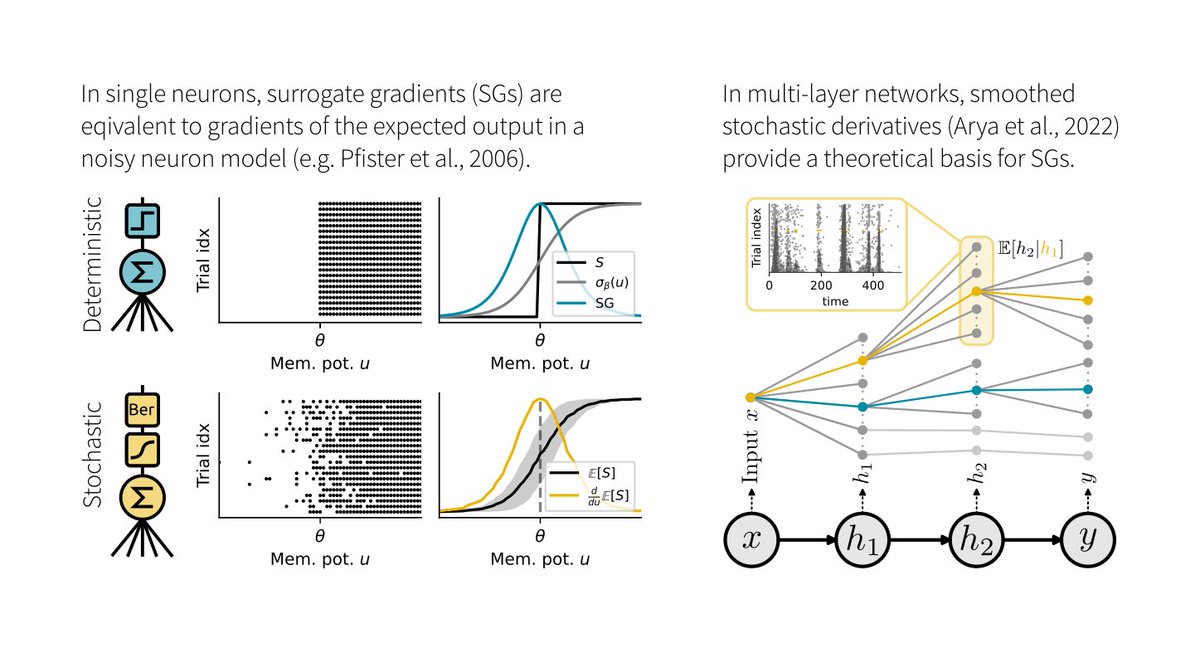
1/6 Surrogate gradients (SGs) are empirically successful at training spiking neural networks (SNNs). But why do they work so well, and what is their theoretical basis? In our new preprint led by @JuliaGygax4, we provide the answers: https://t.co/QkQ4MniGIG
Neuro twitter, pls help and RT! Hit like on this post to vote in the Art of the Brain contest. We created this piece from the white matter tracts of a subject in our a depression DBS trial. The target network is highlighted, and the streaming data supports clinical decisions.