@briminousvlogs@YouTube Day 37 matters more than any dramatic one-day result.
Six weeks of continuing—even when some days feel ordinary—is how a weight-loss journey becomes something sustainable. Keep going.
@CorporateMunshi 7,000 steps on a day you felt unwell is still showing up.
One bad day doesn’t undo the first 15, and it doesn’t need to be “made up for” tomorrow. Recover, reset and carry on. Day 16 still counts.
@CorporateMunshi Exactly. Consistency doesn’t require 100 perfect days—just returning quickly after the imperfect ones.
Looking forward to seeing how the challenge develops.
@smithhmackenzie The biggest benefit is removing decisions when the week gets busy.
Forty minutes when you have energy can prevent several rushed food choices when you don’t.
@ted_ryce Walking also survives the messy weeks.
You can still do it when you’re tired, sore, travelling or short on time. The best fat-loss tool is often the one that doesn’t require recovery from itself.
A normal week includes a takeaway, a bad night’s sleep and at least one day when the gym doesn’t happen.
If your fat-loss plan falls apart because of any one of those, the problem isn’t your discipline.
The plan was too fragile.
@SurajKumarxz 10,000 isn’t a magic number.
The useful target is one that moves you above your current baseline and that you can repeat.
If you currently average 4,000 steps, consistently reaching 6,000 is real progress. Build from there.
@Hybridathlete The overlooked part is “every week for a year.”
Most people keep changing the program when the real advantage would come from repeating a reasonable one long enough.
@smithhmackenzie The pizza belongs on this list.
A plan that leaves room for food you enjoy is much easier to repeat than one that depends on being perfect.
The real test of a fat-loss plan isn’t Monday morning.
It’s Friday at 8pm when you’re tired, hungry and can’t be bothered to cook.
If the plan has no answer for that moment, it isn’t a plan.
It’s wishful thinking.
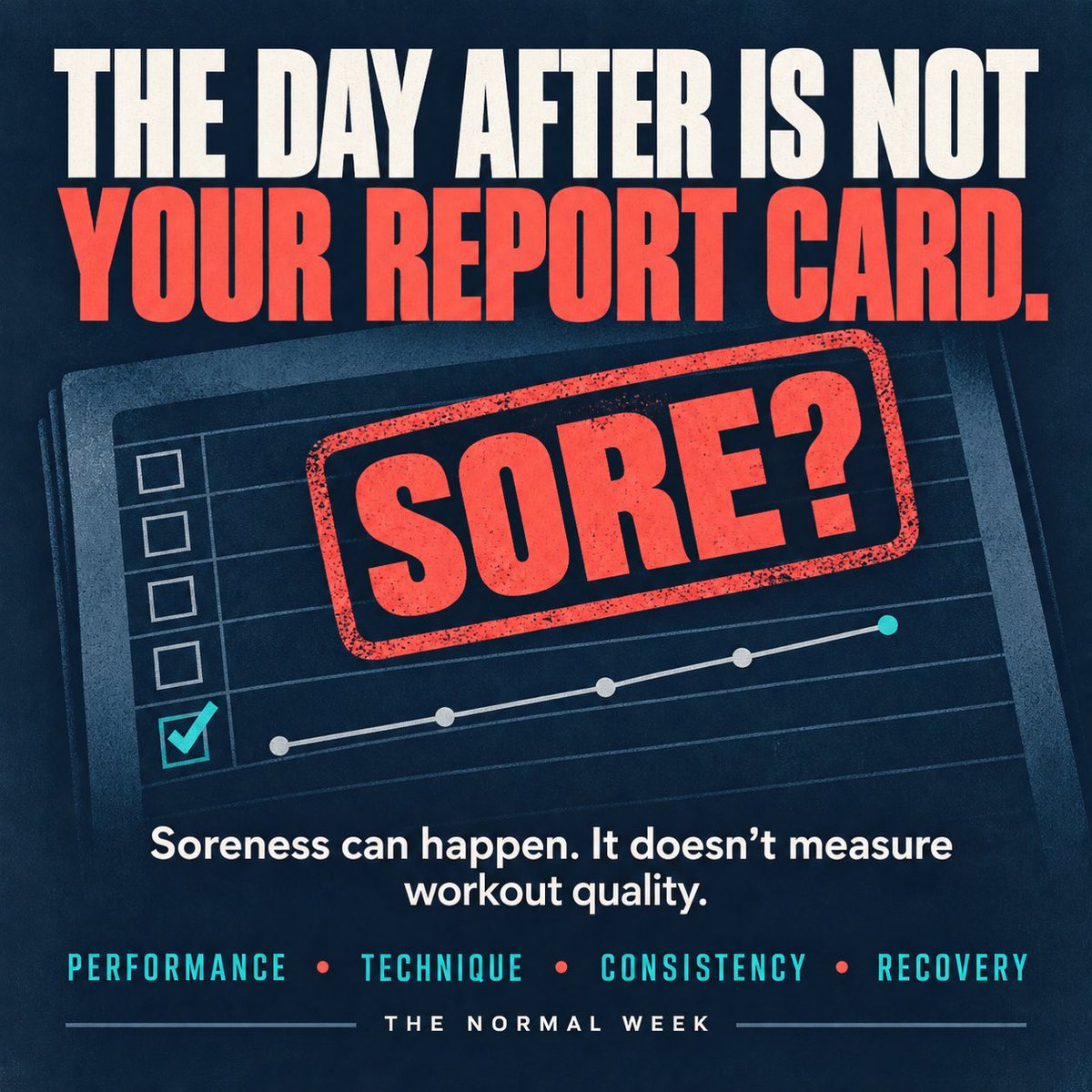
Soreness may mean your body experienced something unfamiliar or demanding. It cannot grade your workout.
Track what matters: performance, technique, consistency and recovery.
Being unable to walk downstairs is not a training goal.
#FitnessMyths#StrengthTraining
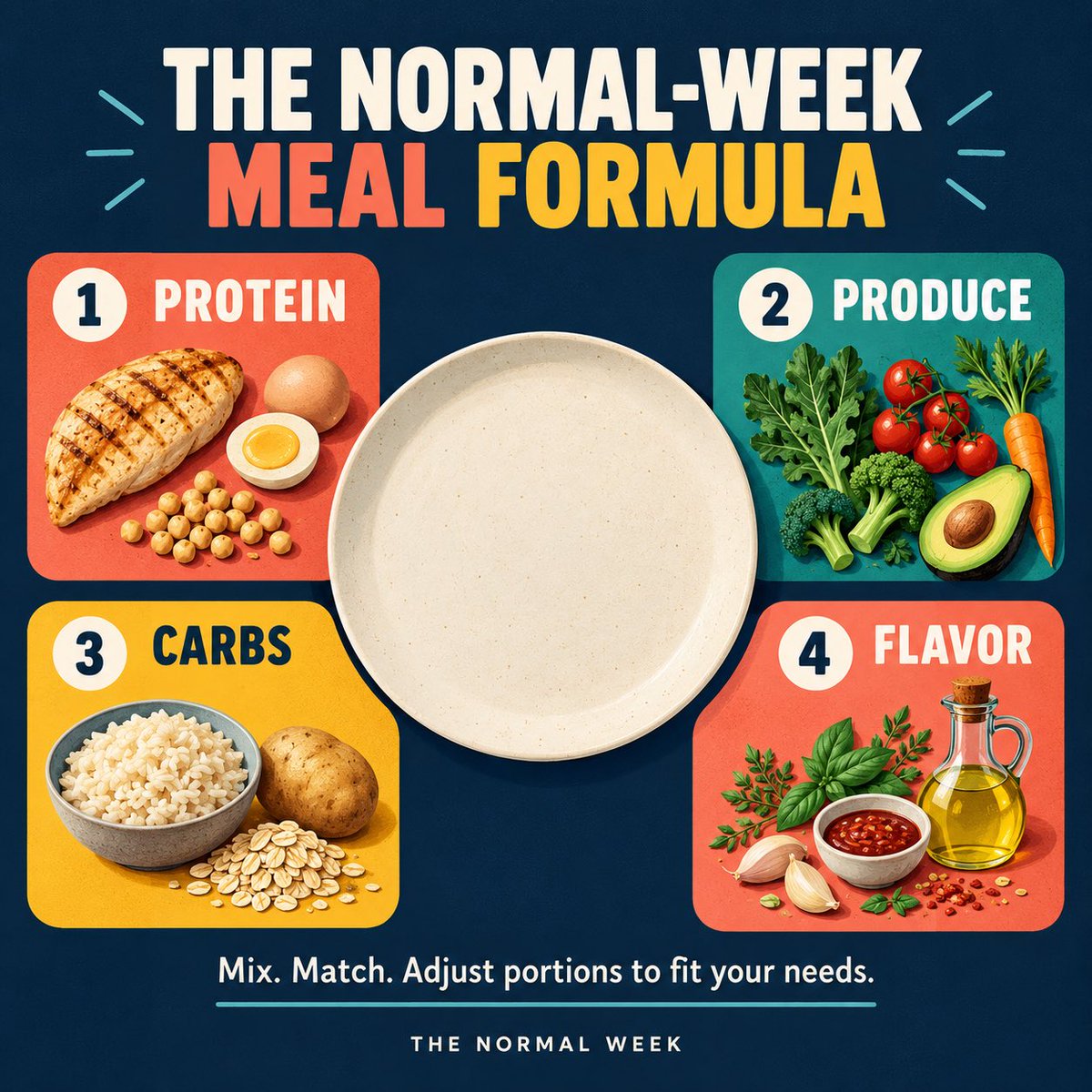
Healthy eating gets easier when every meal doesn’t need a perfect recipe.
Choose a protein. Add produce and a carbohydrate. Use fats, herbs or sauce to make it enjoyable.
Mix, match and adjust the portions to your needs.
What combination do you use most?
#Nutrition
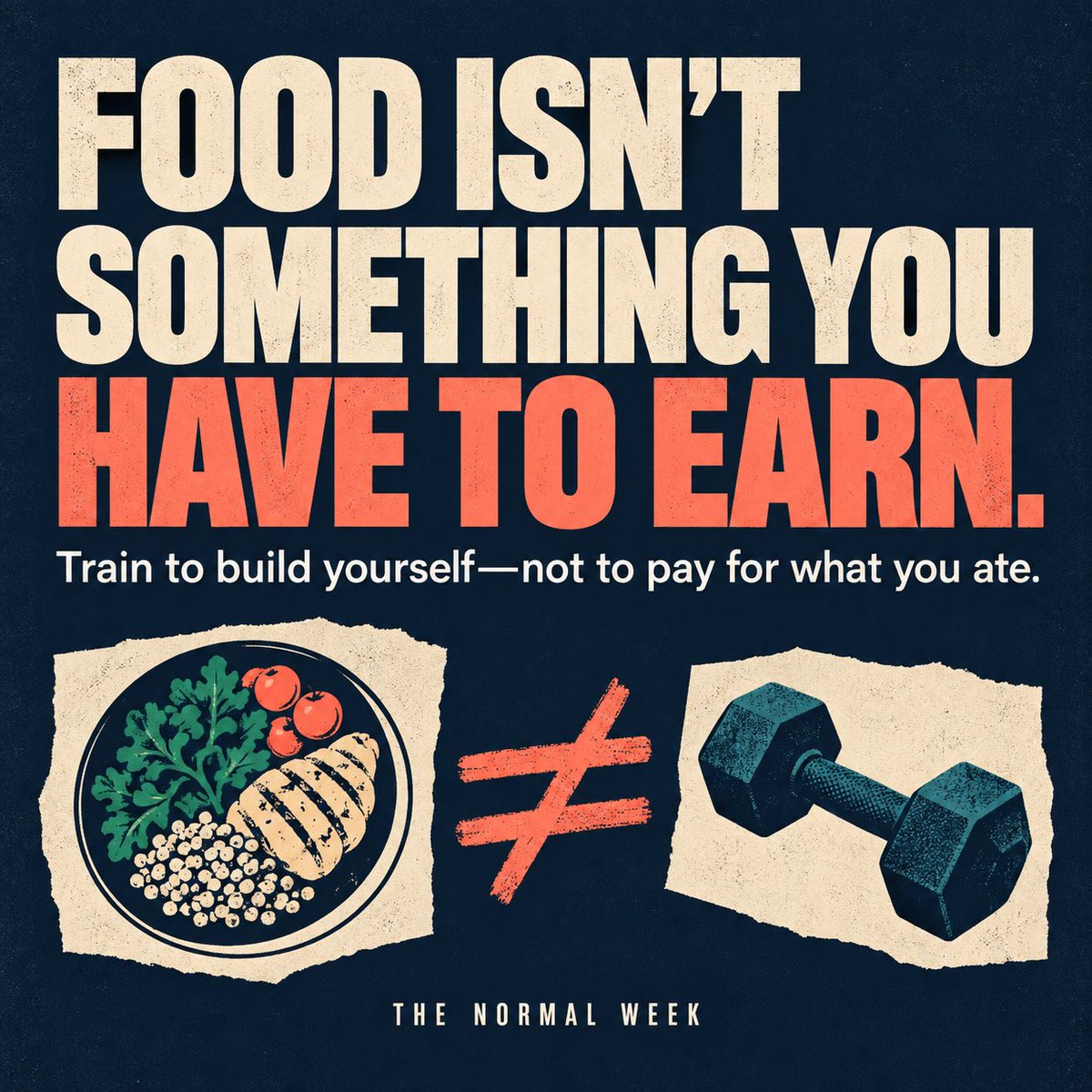
A workout is not a receipt for food.
Train because you want to become stronger, fitter or healthier—not because eating created a debt.
Turning food and movement into reward and punishment makes both harder to enjoy.
#Fitness#HealthyHabits#FoodFreedom
@BradSchoenfeld The practical takeaway: fasted cardio is fine if it feels good and helps someone train consistently. If it reduces performance or leaves them ravenous later, eating first is equally valid. Preference is the advantage—not a metabolic shortcut.
@tecoughlin Good example of why “burning more fat” and “losing more body fat” are different claims. This study measured fuel use during one run, not fat loss over time. Useful for endurance context, but not evidence that caffeine is a weight-loss shortcut.
@TheAlanAragon The environment point deserves more attention. A diet gets easier when the default food at home is filling, protein-rich and simple to prepare. That isn’t weak willpower; it’s good system design. Make the useful choice the convenient one.
@DrAndyGalpin@drjohnrusin Useful exercise, but an important distinction: face pulls can strengthen the upper back and shoulder muscles; they cannot “undo” an entire day of sitting by themselves. Pair them with regular movement breaks and enough pulling work across the week.