Geoffrey Hinton once noticed that the tellers at his bank kept changing. When he asked one of them why, the teller didn't know, only that they got moved around a lot.
Hinton guessed the reason... if staff never work with the same people for long, it's much harder for a few of them to team up and cheat the bank.
That thought became one of the most useful tricks in deep learning. While a neural network trains, you randomly switch off about half its neurons at every step. No neuron can lean on a particular partner, so each one has to learn something useful on its own. The trick is called dropout, and it helped AlexNet win the 2012 ImageNet contest, which set off the modern AI boom. It's still built into many of today's networks.
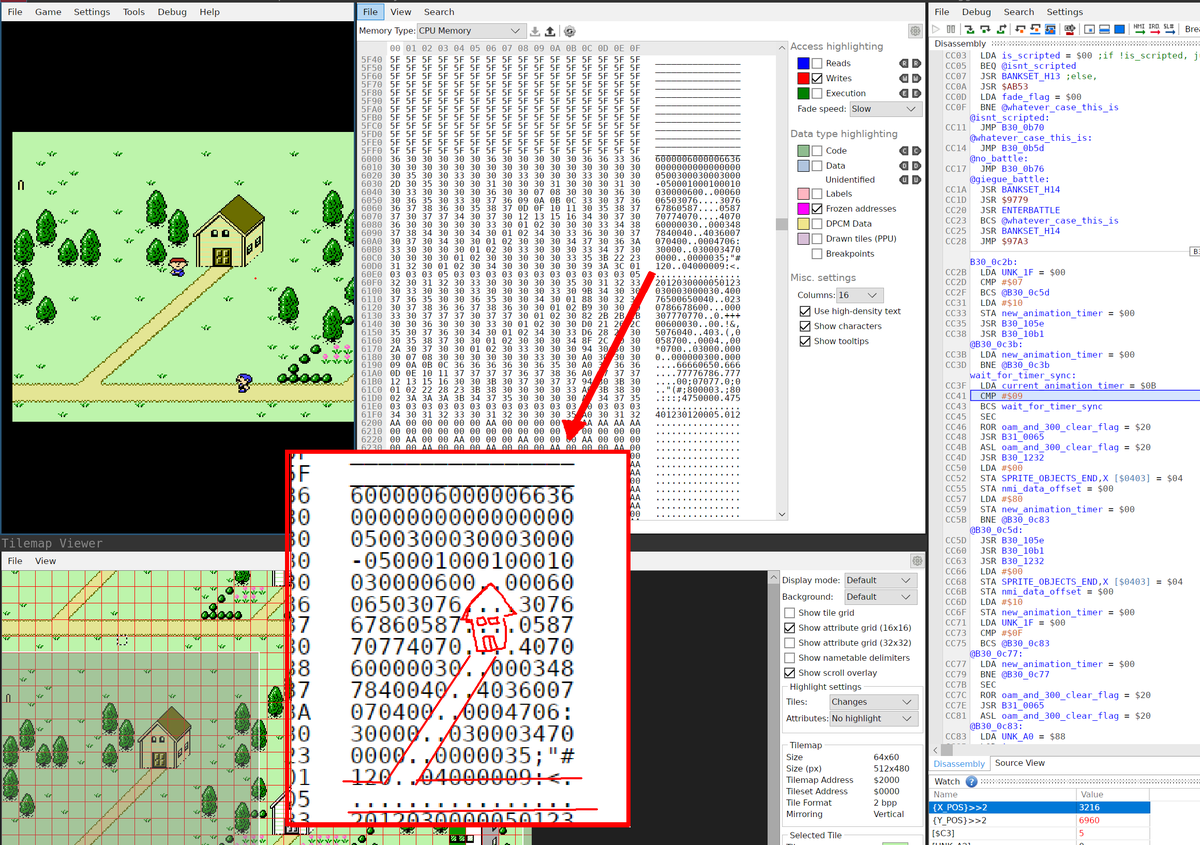
BEHOLD the most confusing and difficult to read piece of ui ever. i wanted to combine a clock + calendar.
i mean... there are elements i like...! but, it turns out being able to zoom into a clock makes things pretty nonsensical
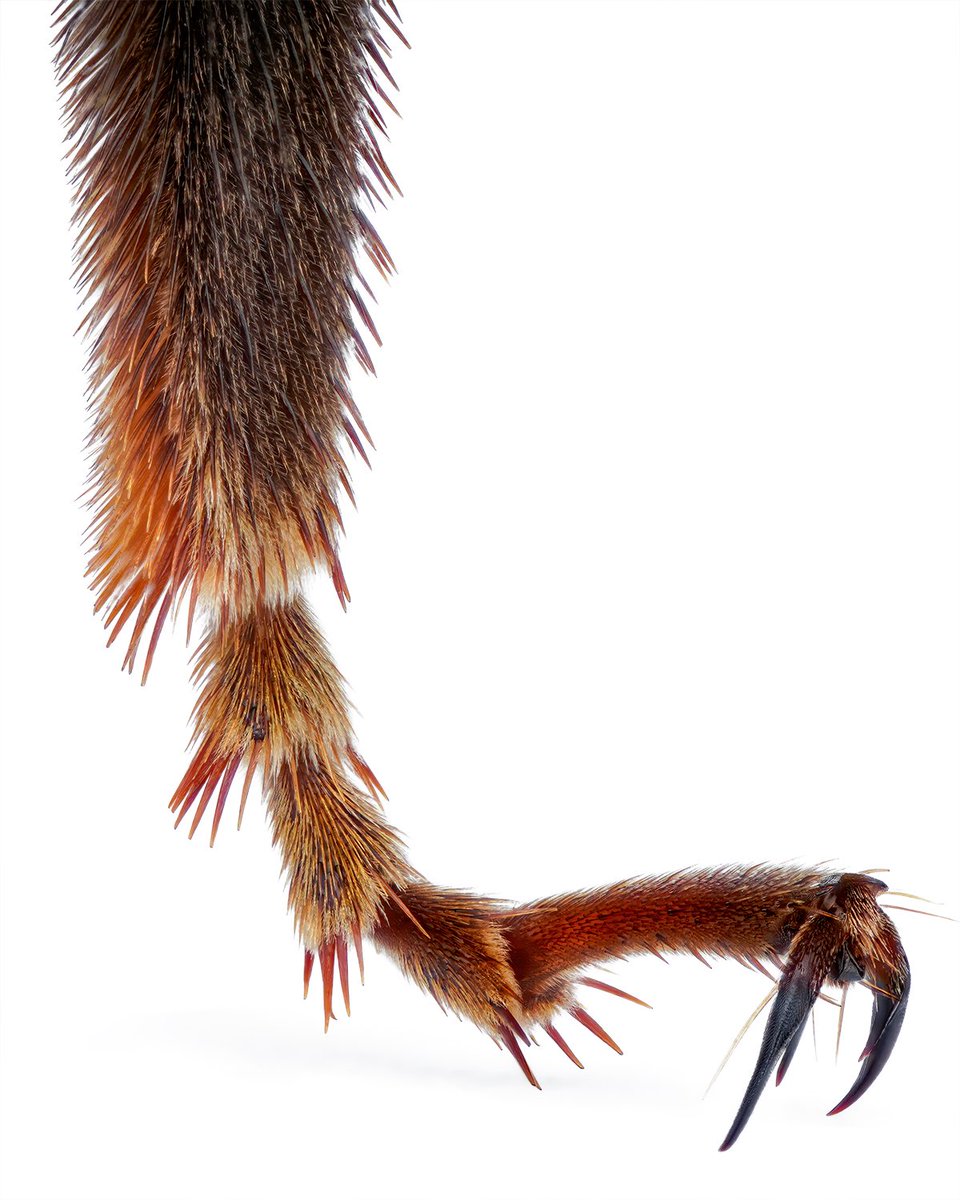
Insect feet mostly are a short chain of tarsal segments ending in claws. Some end in a single hook. Some carry paired claws, padded lobes, combs of spines, or dense fields of adhesive hairs. Same class of structure. Completely different solutions.
At this magnification the differences stop looking ornamental. The foot is where an insect meets the surface, and the surface is never one thing. Bark, leaf, flower, prey, soil, and the body of another insect each ask for a different grip. Claws lock into roughness. Pads and setae hold on smoothness. Spines brace, rake, or keep the leg from slipping sideways. A foot built for walking is not a foot built for holding, climbing, or seizing.
Comparative work across orders shows that segment count, claw shape, pad size and the hairs between them occupy a very large design space. There is no single hidden insect foot underneath the variation. The legs we notice first are usually the long ones, or the ones with colour. The working end is easier to miss. That range is old. Once legs could specialise, the tip split into hooks, cushions, brushes, and tools that are barely feet at all. Joints, sockets, pigment and structural colour repeat as themes, not as copies.
This is why insect feet keep rewarding extreme macro work. The subject is not rarity. It is variability packed into millimetres.
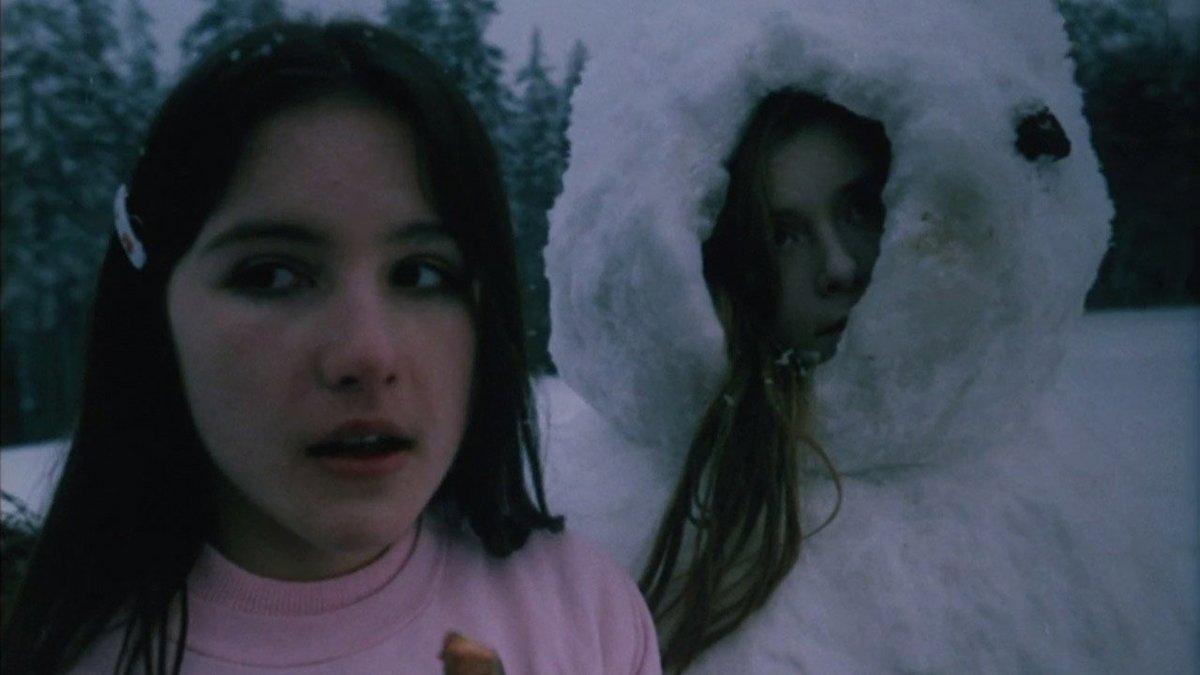
Czech horror doesn't get nearly enough attention. Wolf's Hole is a slow-burn Cold War nightmare that uses an isolated ski resort to devastating effect, and the dread it builds is completely relentless
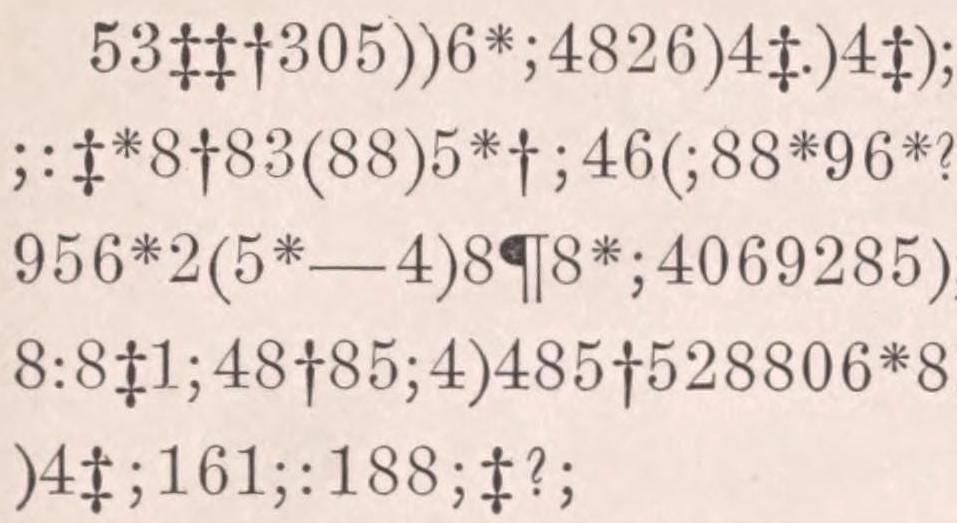
Edgar Allan Poe was big into code cracking. He once challenged readers of a Philadelphia paper to stump him with coded messages, deciphering dozens before having to “swear off” cryptograms forever. More on how code factors into his stories here: https://t.co/e89WJ8eEW8
This weekend I found an “Einstein” tile in 4 dimensions.
It’s an aperiodic monotile: a single shape that can fill 4D space, but never in a repeating pattern. As far as I know, it’s the first one in 4D proven with a machine checker (Lean)
Here’s what it looks like! (check 0:24)
Japan Rail has deployed two goats to take care of an overgrown lot near Yotsuya (famous for Yokai)
Two goats Nagi ♂and Pokke ♀will be “working” in the area until around December (or the grass runs out)
A college freshman who was interviewed says she’s been stopping by every day after class and feels healed by watching the one and two year-old goats munch on grass
Lesser known academic theory about horror/sci-fi movies is that they’re often used to externalise society's deepest traumas into monsters and dystopias.
So I used Argon to tap into cultural symptomatology and psychoanalytical film theory to create this website which traces 100+ horror/sci-fi works and the social themes that they actually mirror across 7 eras.
Enjoy your days upto the Halloween with this project!
https://t.co/HjYt4p5C9i
Used Gemini for deep research, Argon in Antigravity used Nano Banana to generate the movie figurines + create the build, AI Studio to add the final finishing touches.
In musical tuning and harmony, the Tonnetz (German for 'tone net') is a conceptual lattice diagram representing tonal space first described by Leonhard Euler in 1739
“Songs In The Key Of Life can’t be pure R&B because Stevie does some Jazzy stuff!”
Ruth Brown, R&B pioneer, “Queen Of R&B”, with horn section, upright bass and swinging, jazzy pianist doing a Jump Blues-styled “Mama He Treats Your Daughter Mean”
This is RHYTHM AND BLUES
Seeing Oklab enjoyed and used by so many is mind-boggling!
I still can’t quite comprehend that I wrote a blog post that ended up as a web standard and in software everywhere.
Best part is seeing so many people say they enjoy Oklab and that it is a tool they regularly use.