not to get all lovey dovey but we could be slamming beers and ripping cigs at a dive bar doing a hostile take over of the touch tunes together if you’re down
So thankful for and proud of Reed Sheppard for this sequence at such a critical moment in this game/series. Moments like these are why I love NBA Playoff basketball. #AllFire 🔥🚀
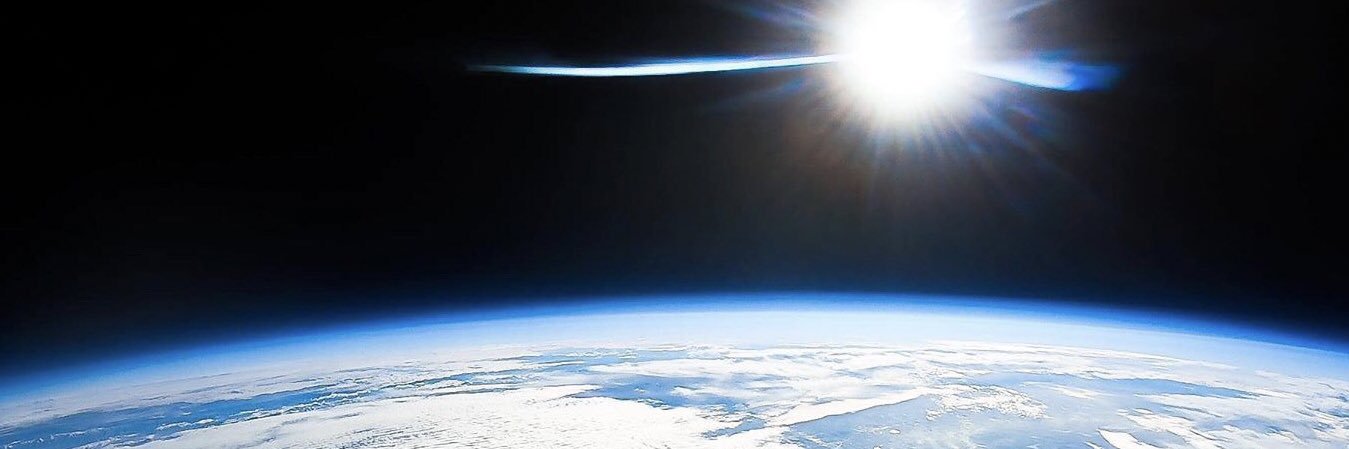
NASA posted an ARTEMIS II crew photograph that I think is one of the best I have seen. This is the continent of Antarctica.
The area around the continent is clear. This is the Southern Ocean that circles Antarctica. The cold air and water tend to rob the moisture in the air. No clouds.
In the middle left of the photo is the Antarctica Peninsula.
To the left of the peninsula is Tierra del Fuego. Continuing up the upper left of the photo is the Atlantic coast of South America.
The land mass in the lower right is probably New Zealand.
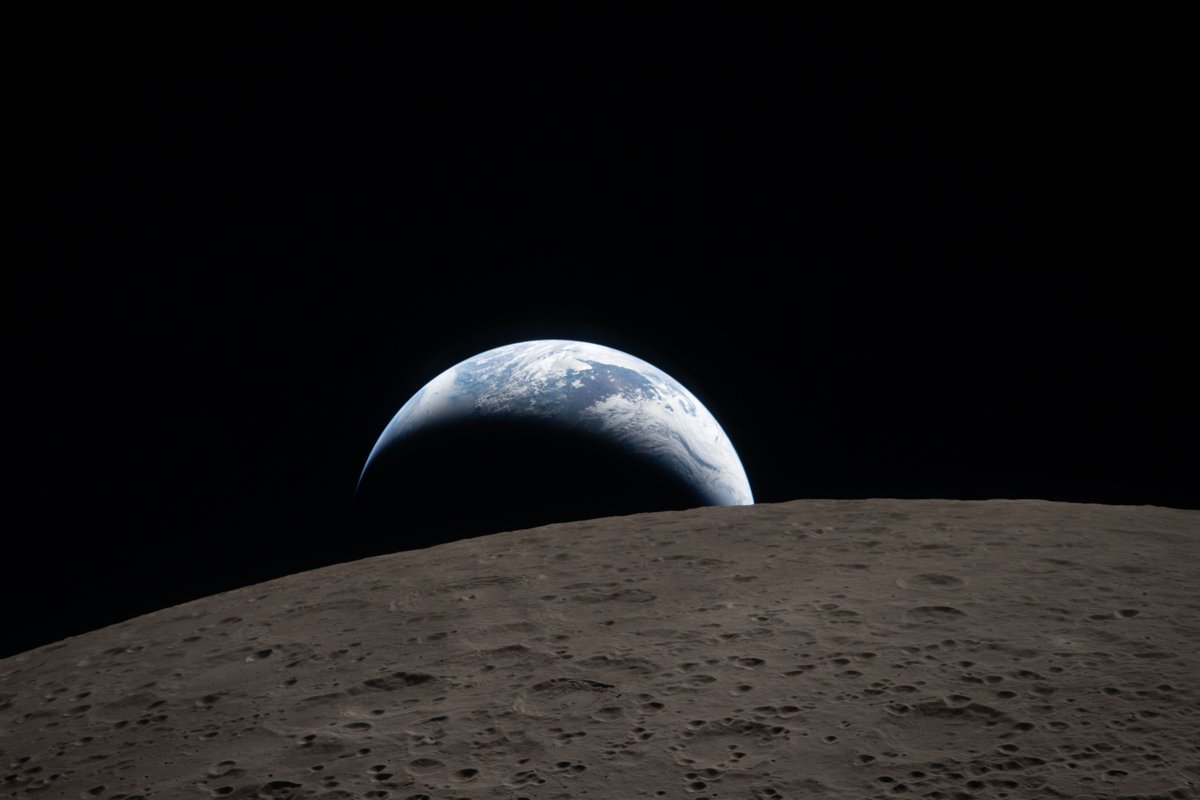
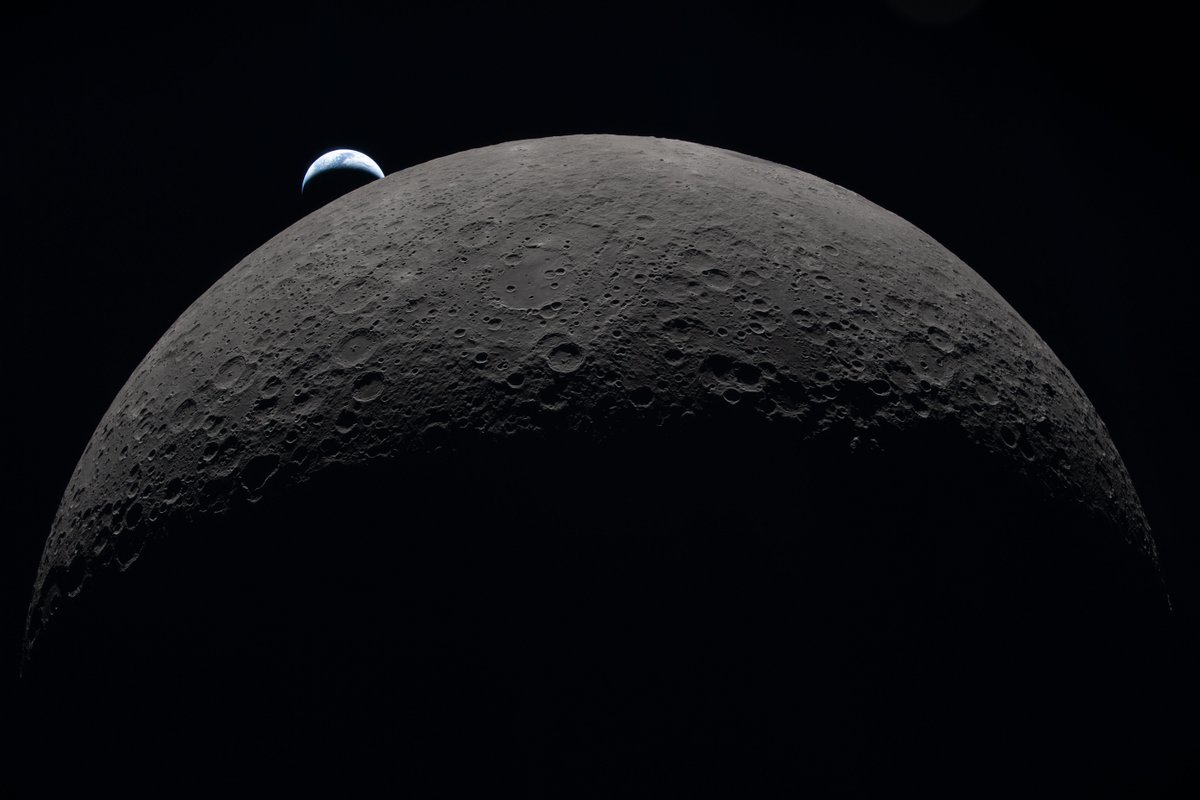
Hello, Moon. It’s great to be back.
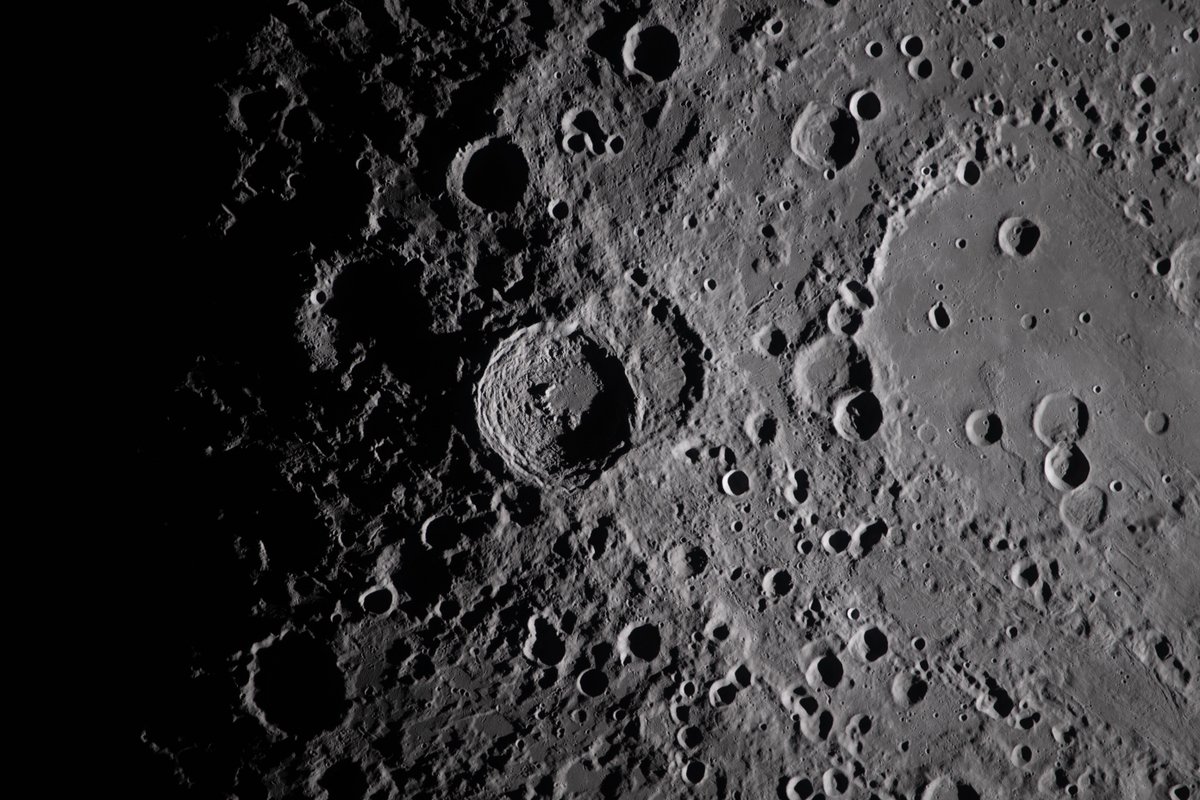
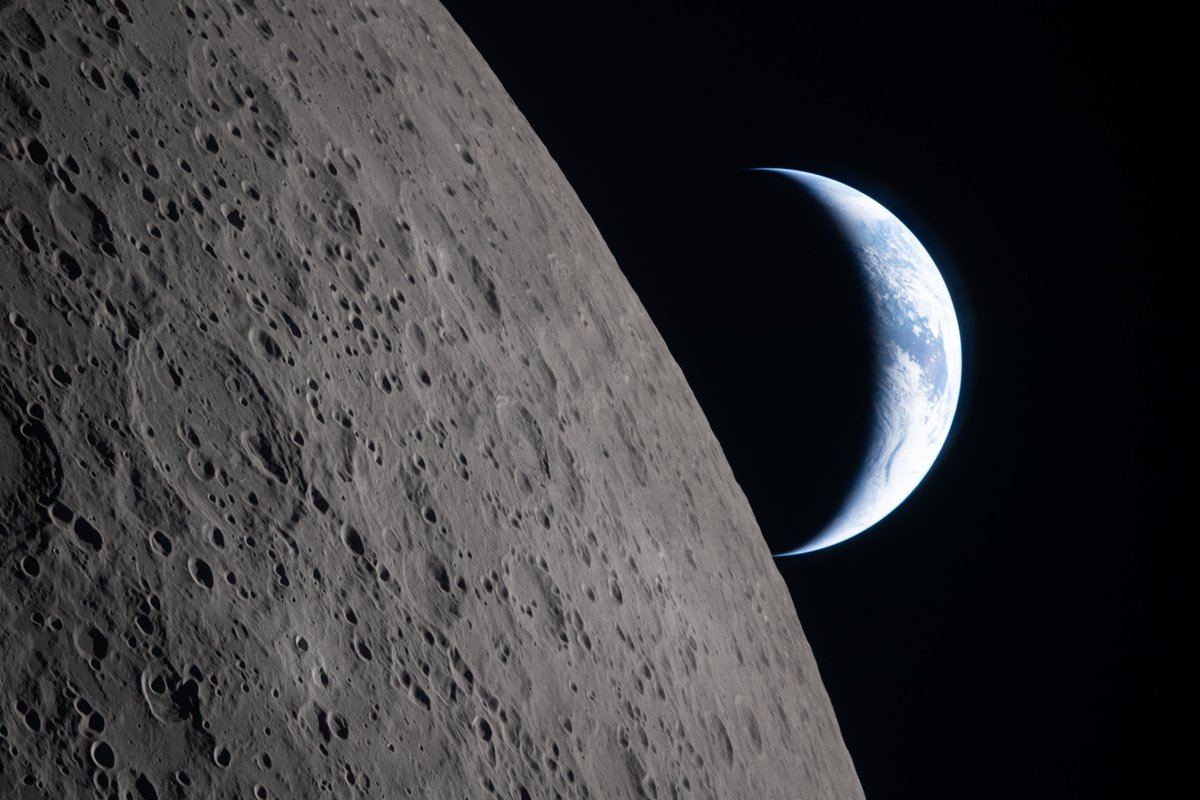
Here’s a taste of what the Artemis II astronauts photographed during their flight around the Moon. Check out more photos from the mission: https://t.co/rzM1P0QbOl
:This is the last thing Venera 14 ever saw on Venus... before the planet's hellish atmosphere melted it alive.On March 5, 1982, the Soviet lander pulled off the unthinkable. It plunged through a choking soup of carbon dioxide laced with sulfuric acid, survived crushing pressures equivalent to nearly a kilometer underwater, and touched down on a surface hot enough to melt lead—465°C (869°F).What it revealed was a true cosmic inferno.The image is drenched in an oppressive, golden-orange glow. This isn't a camera trick or faded film—it's the planet's insanely dense atmosphere scattering away every trace of blue light. Stand on Venus, and this is exactly how the world would look: a hazy, sulfurous twilight over a barren, volcanic plain.The surface is a jigsaw of jagged, flat basaltic slabs, forged by relentless volcanic fury. No gentle soil or rolling dunes—just hard, fractured rock stretching to the hazy horizon.But the real legend of Venera 14 isn't just the photo. It's a saga of brilliant engineering... and one hilariously catastrophic stroke of bad luck.The Legend of the Lens CapEarlier Venera probes had repeatedly failed to shed their protective lens caps, dooming their cameras to darkness. Engineers finally fixed the problem for Venera 13 and 14—the only two missions to ever return color images from Venus's surface.On Venera 14, the fix worked perfectly....A little too perfectly.Look at the bottom center of the panoramic view. That saw-toothed metallic ring? Part of the lander's landing structure. Right beside it sits the spring-loaded arm meant to test the compressibility of Venusian https://t.co/SvqS0s2Kvo zoom in on the exact spot where that arm deployed.See the small, silver disc lying there?That's the lens https://t.co/Pj9FPgMdQc an absurd cosmic joke, the ejected cap landed in the single precise location the probe needed to sample the ground. Instead of probing an alien world, Venera 14 spent its final minutes dutifully measuring the mechanical properties of its own discarded lens cap.The lander was designed to last 32 minutes. It endured 57 minutes in that nightmare environment—long enough to capture this panorama, analyze the atmosphere, and (ironically) "sample" its own hardware—before the heat finally cooked its electronics beyond https://t.co/KQMWY5DRUJ spacecraft has returned color images from Venus's surface since.These fleeting 57 minutes remain our entire color visual record of another planet's surface. A stunning testament to human ingenuity, raw ambition, and the universe's wicked sense of humor: even when you conquer the harshest world in the solar system, sometimes the universe still finds a way to make you measure your own
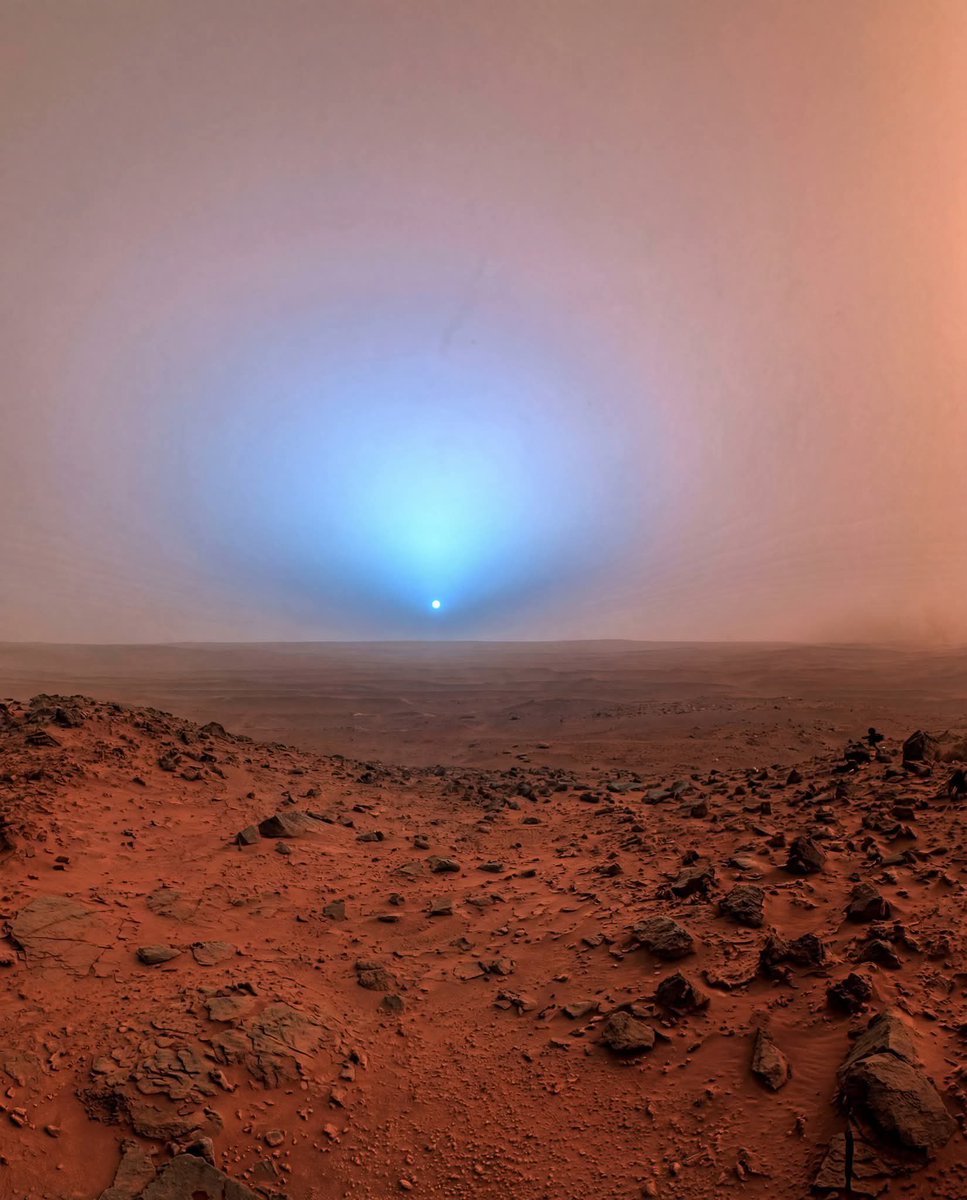
There have been thousands of generations of humans, and you are alive to witness the first photo of a Sunset on another World.
This is a real photo of the sunset on Mars.