Substack(#5) - Artificial Intelligence in Healthcare (Part 3): Medical Image Analysis and Applications - I https://t.co/Kx4eVFMJo2
AI in Healthcare series
Part 1: Terminology and Fundamentals - https://t.co/3nnCb09N6U 2: Scope of Large Language Models - https://t.co/e3xYbFNJpU
A two-part article on the role of AI in medical image analysis. In this part, we will review the basics of image processing techniques and advanced neural networks. In the next, we will delve deeper into the applications of these neural networks.
#ArtificialIntelligence #NeuralNetworks #healthcare #HealthTech
Substack(#4) - Artificial Intelligence in Healthcare (Part 2): Scope of Large Language Models (LLMs)
https://t.co/e3xYbFNJpU
Check out a customized chatGPT-4 for PubMed searches I have been working on - https://t.co/WK0hhVhADS
#ArtificialInteligence#LLMs#healthcare #HealthTech
Substack(#3) Artificial Intelligence in Healthcare (Part 1): Terminology and Fundamentals
https://t.co/Icv3FPOGa3
In this multiple-part series (most likely, fingers crossed), join me in learning about AI in Healthcare. We will start with understanding the basic terminology and fundamentals of AI and an overview of its applications in Healthcare.
Happy Holidays!
#ArtificialIntelligence #healthcare #consulting
@LucySafi@tilakpasala @dudiyyuriy Thank you Lucy, Tilak, Yuriy, and entire @HackensackUMC team for a very productive day and great start to the CorCinch-HF Pivotal Study
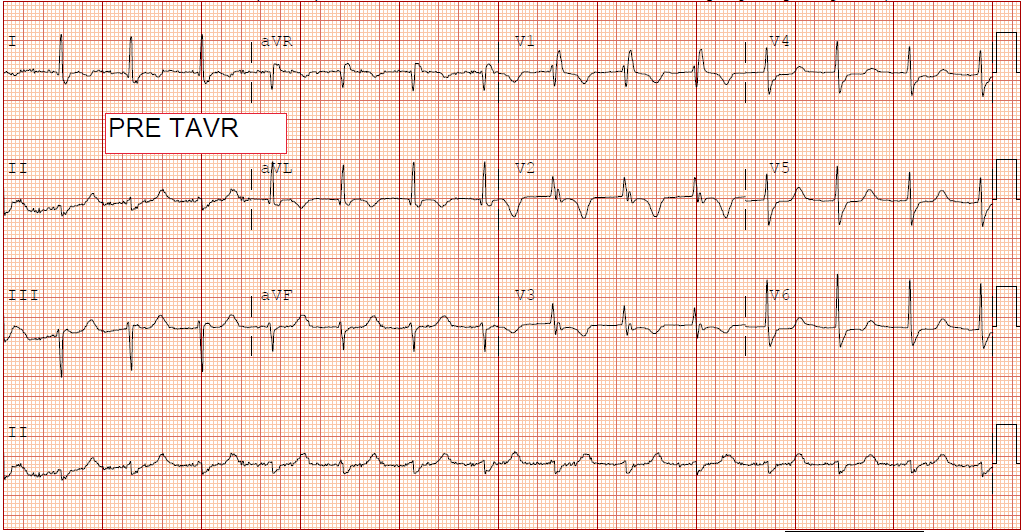
QRS remained narrow for 36 hours.
Performed EP study: PR 288, QRS 84, AH 210, and HV 56 which was surprising.
One explanation for narrow QRS - transient injury to left bundle leading to prolonged PR and simultaneous right and left bundle conduction, hence narrow QRS.
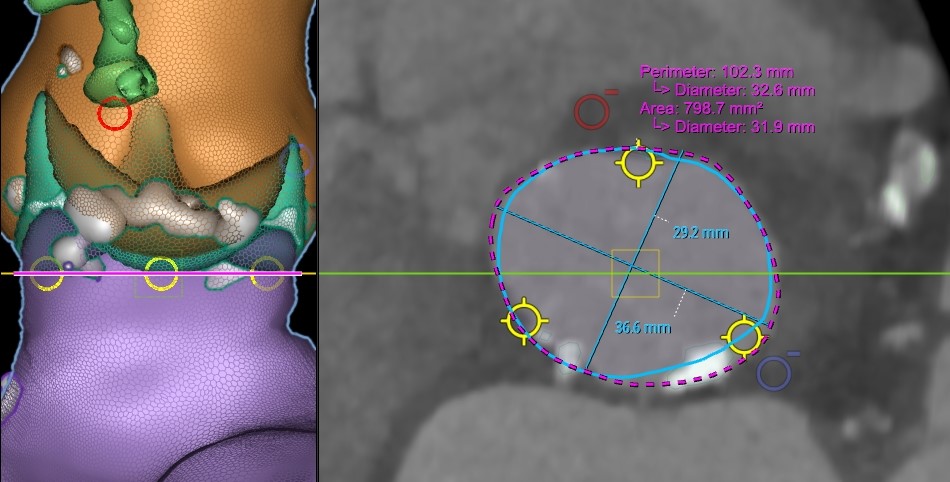
92-yr-old man with severe AS and severe MR (P2 flail). pre-EKG: RBBB, LAFB, 1st-degree block (PR 250 ms). Large aortic annulus (~800) and LVOT. TAVR (29 Sapien S3+5 cc) and MitraClip (2 clips with a reduction in MR to mild to moderate) performed. Post-TAVR EKG below. What next?
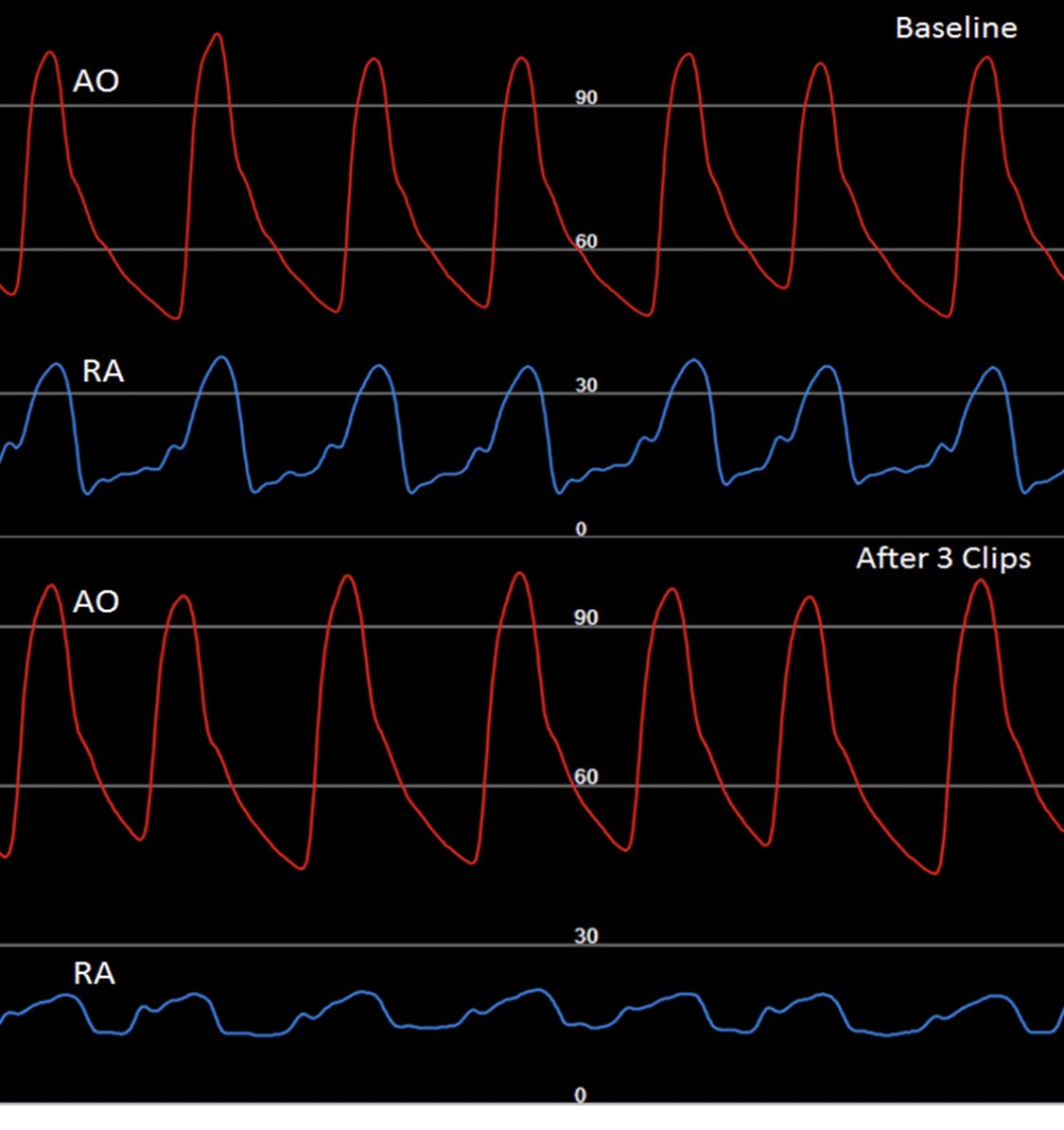
Hemodynamic effects of reducing tricuspid regurgitation from torrential to mild-moderate with 3 MitraClip XTW. Pressure tracings recorded via the clip G4 guide. #tricuspid @SorinVPislaru @michelenahector @tjsimard@aelsab@SEH_MD@kashishgoelmd @drpaulfriedman
Check out our article: Novel Use of Echo Fusion and Cardiac Computed Tomographic Imaging Guidance for Percutaneous Paravalvular Leak Closure @CASEfromASE @tilakpasala @HackensackUMC @ASE360 https://t.co/eMOpBawWu1
Since everyone is talking reform, dear editors plz consider 1.Standardize submission processes 2.Pick reviewers/AEs who judge study quality not its fitting w their views 3. 3-months for a decision is too long 4.Allow >24h 2edit the proofs. #cardiotwitter plz add to the wish list!